

The appreciation of a fine single malt Scotch whisky is, at its core, an exercise in temporal awareness. It is a beverage that demands a cessation of the modern world’s frantic pace, requiring instead a submission to the slow, rhythmic cycles of nature. Before a single drop reaches the glass, years—often decades—must pass. It is a process that begins with the patient growth of barley in temperate fields and concludes with the silent, transformative slumber of the spirit within oak casks housed in the damp, stone warehouses of the Scottish Highlands or the windswept shores of Islay.
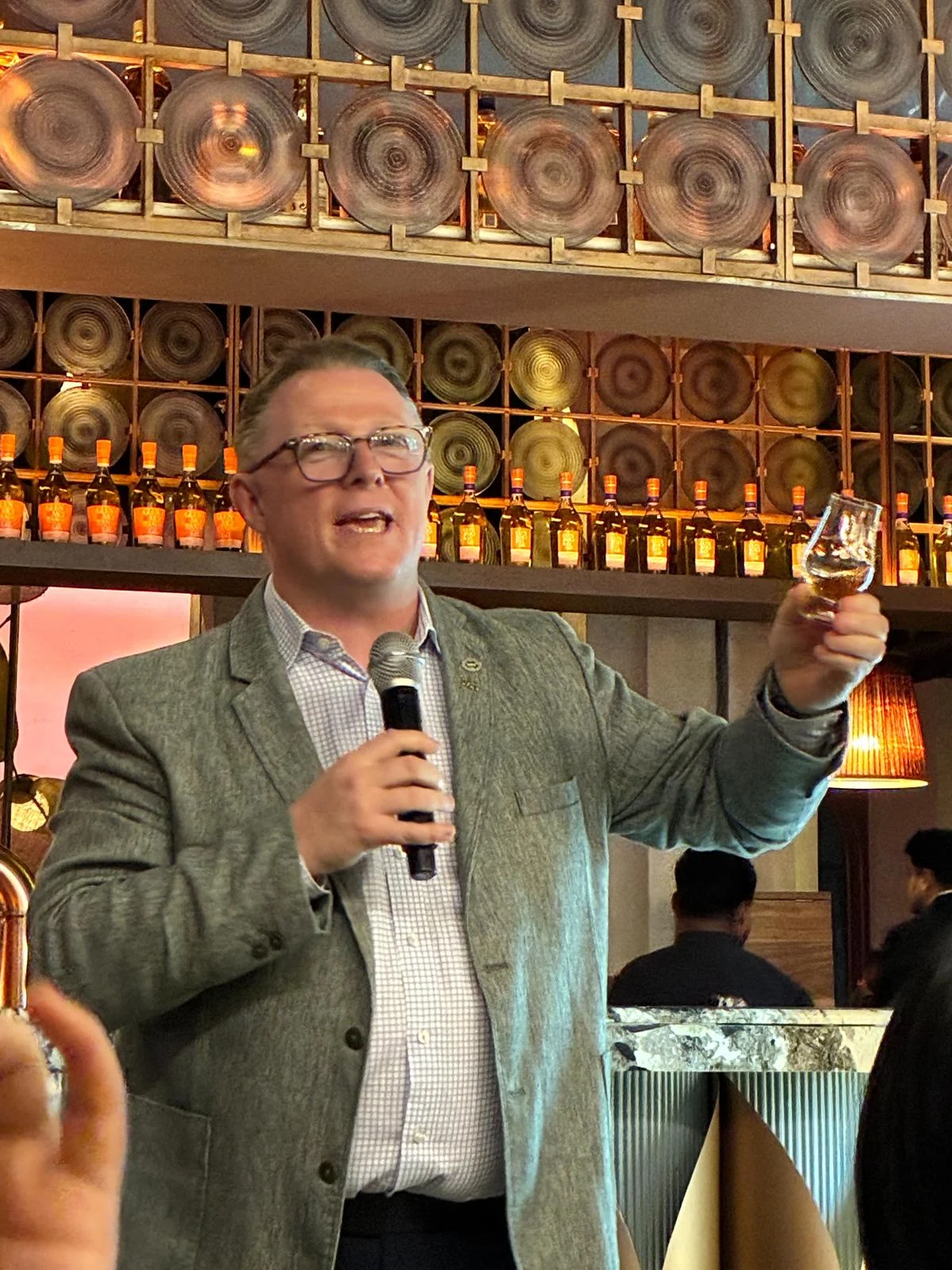
On June 11, this philosophy of "liquid patience" was brought to life in Kolkata. Against the neoclassical backdrop of Olterra, a prominent Greek-themed bar and microbrewery, an exclusive assembly of connoisseurs and enthusiasts gathered for an evening titled "Cask and Conversation." Hosted by Glenmorangie and Moët Hennessy India, the event featured David Blackmore, the Global Brand Ambassador for Glenmorangie and Ardbeg, who served as the evening’s guide through a sensory journey of maturation, wood chemistry, and heritage.
Main Facts: A Convergence of Heritage and Modernity
The "Cask and Conversation" event was more than a mere promotional tasting; it served as a masterclass in the nuances of wood finishing and the regional diversity of Scotch whisky. The evening’s primary objective was to showcase the versatility of the Glenmorangie range, including the debut of a significant new expression, and to contrast the elegant Highland style with the robust, peated character of Ardbeg.
Key highlights of the event included:

- The Debut of Lasanta 15 Year Old: A significant upgrade from the traditional 12-year-old expression, highlighting the impact of prolonged sherry cask finishing.
- Expert Curation: David Blackmore, a veteran of the industry with decades of experience, provided technical and historical context for each expression.
- Strategic Market Focus: The event underscores Moët Hennessy India’s commitment to the burgeoning luxury spirits market in Kolkata, a city with a deep-seated appreciation for heritage and fine craftsmanship.
- The Contrast of Terroir: The tasting transitioned from the floral, citrus-driven "tall still" distillates of Glenmorangie to the elemental, maritime smoke of Ardbeg, illustrating the breadth of the LVMH spirits portfolio.
Chronology of the Tasting: From Highland Sun to Islay Mist
The evening was structured as a progressive narrative, moving through increasing levels of complexity and age statements, allowing participants to observe how time and wood interact with the base spirit.
The Foundation: Glenmorangie 12 Year Old (The Original)
The journey commenced with the Glenmorangie 12 Year Old, an expression that serves as the "house style" for the distillery. Blackmore explained that this whisky is the bedrock upon which all other Glenmorangie expressions are built. Distilled in Scotland’s tallest stills—roughly the height of an adult giraffe—the resulting spirit is exceptionally light and floral.
Aged primarily in first- and second-fill American white oak bourbon casks, the 12 Year Old presented a profile of honey, vanilla, and bright citrus. Blackmore encouraged the room to first sample the spirit neat to appreciate its structural integrity before adding a drop of water to "blossom" the aromatic compounds, a technique that releases volatile esters and softens the alcohol’s bite.
The Evolution: The Lasanta 15 Year Old
The centerpiece of the evening was the unveiling of the Lasanta 15 Year Old. While the Lasanta has traditionally been a 12-year-old expression, this new 15-year iteration represents a deeper exploration of "extra-maturation"—a technique pioneered by Glenmorangie’s Director of Whisky Creation, Dr. Bill Lumsden.

The spirit spends its first 12 years in American oak before being transferred to Spanish Oloroso and Pedro Ximénez sherry casks for an additional three years. This "finishing" period imbues the whisky with a deep amber hue and a rich, dessert-like profile. Notes of orange marmalade, dark chocolate, and toasted hazelnuts dominated the palate, offering a "warmth and passion" (the literal translation of the Gaelic word Lasanta) that resonated with the guests.
The Pinnacle: Glenmorangie 18 Year Old (Extremely Rare)
As the evening reached its zenith for the Highland range, the Glenmorangie 18 Year Old was poured. This expression is a testament to the art of blending aged stocks. Approximately 70% of the whisky is aged in bourbon casks for 18 years, while the remaining 30% is finished in Oloroso sherry casks.
Blackmore described this as his "desert island whisky," noting its supreme elegance and silkiness. The 18-year-old expression moves beyond the primary fruit notes of the younger whiskies into a realm of dried fruits, floral honey, and a subtle, sophisticated "kiss of sherry."
The Turning Point: The Ardbeg Experience
The final act of the evening took a sharp turn toward the rugged coastline of Islay. Ardbeg, known for being one of the most peated and complex whiskies in the world, was served without a specific age statement, focusing instead on its raw, elemental power.

The transition was visceral. The floral sweetness of the Highlands was replaced by notes of sea spray, wet earth, medicinal smoke, and charcoal. Blackmore acknowledged that Ardbeg is a "divisive" spirit, often requiring an adventurous palate, yet for many in the room, it represented the ultimate expression of whisky’s ability to capture a specific sense of place.
Supporting Data: The Science and Economics of the Cask
To understand the significance of the "Cask and Conversation" event, one must look at the underlying data regarding whisky maturation and the Indian market.
The Chemistry of Wood
Scientific research into whisky maturation suggests that the cask is responsible for up to 60% to 70% of the final flavor profile. During the years of maturation, the wood acts as a filter, removing harsh metallic notes from the new-make spirit, while simultaneously adding lignin-derived vanillin and tannins. Glenmorangie’s specific use of "designer casks"—slow-growth, air-dried oak from the Ozark Mountains—ensures a higher concentration of flavor precursors, a point Blackmore emphasized during his technical explanations.
The Indian Single Malt Landscape
India remains the world’s largest consumer of whisky by volume, but the market is undergoing a profound shift toward "premiumization." According to industry reports from 2023-2024, the single malt category in India has seen a double-digit growth rate, outperforming cheaper blended varieties. Cities like Kolkata, which have a historical affinity for Scotch, are increasingly becoming hubs for luxury spirits events. The introduction of the Lasanta 15 Year Old specifically targets this demographic—consumers who are looking for age-statement prestige combined with accessible, rich flavor profiles.

Official Responses: Philosophy from the Brand Ambassador
Throughout the evening, David Blackmore provided insights that moved beyond tasting notes and into the philosophy of the Glenmorangie and Ardbeg brands.
"Very fruity floral spirit, this is the house style—coconut, vanilla, citrus, orange—delicious and recognisable Glenmorangie," Blackmore remarked, emphasizing the consistency required to maintain a global brand. He spoke of the "Sixteen Men of Tain," the legendary workforce that traditionally ran the distillery, as a symbol of the human element that remains vital even in an age of automation.
Regarding the Ardbeg expression, Blackmore was candid about its challenging nature: "Ardbeg divides the room; it’s an acquired taste." However, he noted that once a consumer develops a palate for peat, they often become the most loyal aficionados of the brand. His role, he explained, is not just to sell a bottle, but to act as a translator for the "slow work of time" that happens inside the barrel.
Moët Hennessy India representatives echoed this sentiment, stating that such events are essential for building a community of educated consumers who appreciate the "why" behind the liquid in their glass.

Implications: The Future of Whisky Culture in Kolkata
The success of the "Cask and Conversation" evening in Kolkata carries several implications for the local and national spirits market:
- Democratization of Connoisseurship: By hosting events in venues like Olterra, luxury brands are moving out of exclusive private clubs and into the public sphere, making high-end whisky education more accessible to a younger, affluent demographic.
- The Rise of "Experience" Over "Consumption": The modern Indian consumer is increasingly seeking the story behind the brand. The emphasis on "Cask and Conversation" suggests that the narrative of the whisky—its history, its wood, and its ambassador—is as important as the taste itself.
- Kolkata as a Strategic Hub: Historically viewed as a "brown spirits" stronghold, Kolkata’s receptivity to complex tastings like the Ardbeg session proves that the city’s palate is evolving. This will likely lead to more exclusive launches and limited-edition releases being allocated to the West Bengal market.
- The Premiumization Trend: The shift from a 12-year-old Lasanta to a 15-year-old version indicates a global trend where distilleries are pushing the boundaries of their core ranges to satisfy a market that equates higher age statements with superior quality and status.
As the final glasses were cleared at Olterra, the lingering aroma of peat and sherry served as a reminder of the evening’s central theme. The journey from the "tall stills" of the Highlands to the "smoke-swept shores" of Islay had been completed within the span of a few hours. However, as David Blackmore reminded the attendees, the spirits they enjoyed were the product of a much longer journey—one that required the rain to tap against stone walls and the seasons to turn in the dark of a Scottish warehouse for nearly two decades. In a world of instant gratification, the whisky remains a steadfast advocate for the rewards of waiting.
