

Main Facts: A Paradigm Shift in Traditional Confectionery
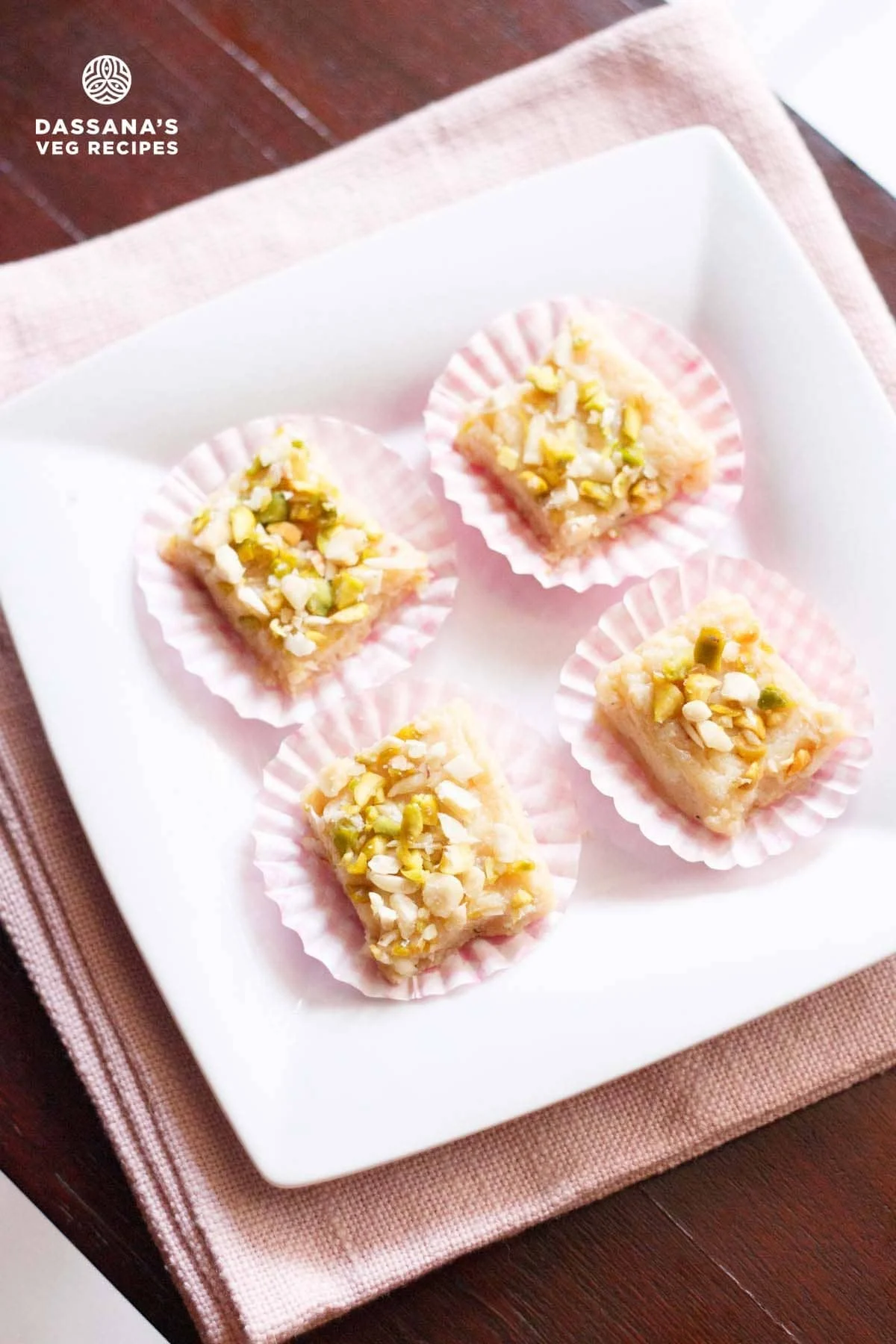
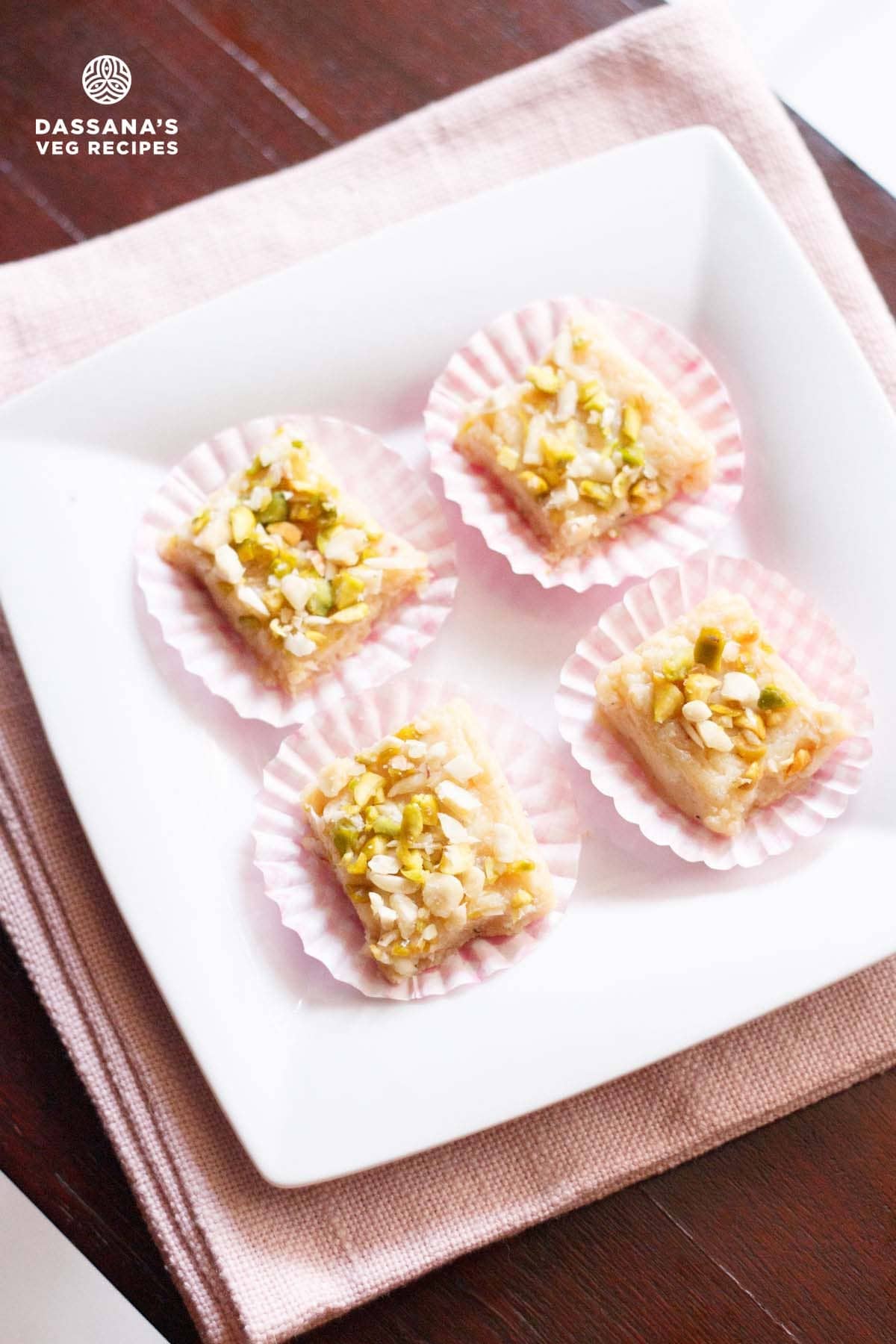
In the vast and intricate landscape of Indian gastronomy, few categories hold as much cultural weight as Mithai (sweets). Among these, the Malai Barfi has long been regarded as a pinnacle of luxury and craftsmanship. Traditionally, this milk-based fudge required hours of labor-intensive reduction, a process that demanded both patience and precise temperature control. However, a new culinary movement is redefining this heritage dish through the "Instant Malai Barfi" technique—a method that leverages modern pantry staples to achieve artisanal results in under 15 minutes.
Malai Barfi is distinguished by its unique structural duality: it is simultaneously creamy and slightly grainy, offering a soft, melt-in-the-mouth experience that is synonymous with festive indulgence. The word "malai" refers to the clotted cream that forms on the surface of boiling milk, representing the "soul" of the sweet. Historically, achieving this texture meant simmering full-fat milk until the water evaporated, leaving behind concentrated milk solids and fats.
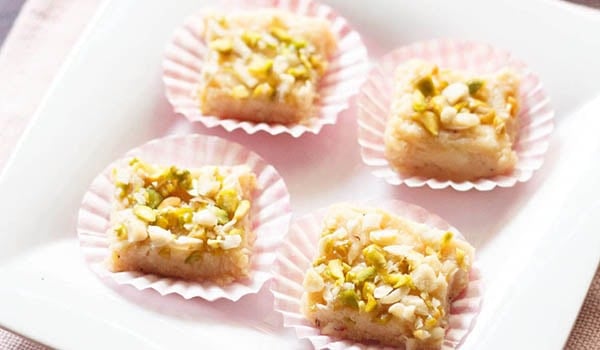
The modern "instant" iteration, which has gained significant traction among home chefs and professional caterers alike, replaces the traditional reduction process with a strategic trio of ingredients: sweetened condensed milk, fresh cream, and paneer (Indian cottage cheese). This combination bypasses the evaporation phase, providing the necessary sugar, fat, and solids instantaneously. The result is a high-quality fudge that maintains the integrity of the original flavor profile while fitting into the time-constrained schedules of the 21st-century household.
Chronology: The Evolution of the Milk-Based Fudge
The journey of Malai Barfi from a temple offering to a 15-minute modern recipe reflects the broader evolution of Indian society and its relationship with food technology.
The Era of Slow Reduction (Pre-1950s)
In the traditional agrarian society, milk was processed in large iron vats called kadhais. Halwais (traditional confectioners) would spend entire afternoons stirring milk over wood-fired stoves. This era focused on "Khoya" or "Mawa" production—the base for most barfis. The Malai Barfi of this period was a test of endurance; it was the "slow food" of its time, reserved for royalty and major religious festivals like Diwali and Holi.
The Industrial Influence and Condensed Milk (1960s–1990s)
With the introduction of shelf-stable dairy products like sweetened condensed milk in the mid-20th century, the first "shortcuts" began to emerge. Initially viewed with skepticism by traditionalists, these products eventually became staples in urban kitchens. They offered a consistent sugar-to-milk-solid ratio, reducing the risk of scorching or uneven sweetening that often plagued the traditional method.
The "Instant" Revolution (2000s–Present)
The current chronology of the 15-minute Malai Barfi represents the perfection of the "Instant" method. The process has been streamlined into a precise sequence:
- Preparation and Priming (0-2 Minutes): The process begins with the preparation of the setting tray, usually greased with ghee (clarified butter) or lined with parchment. This is a critical step, as the high sugar content of the barfi makes it set rapidly once removed from the heat.
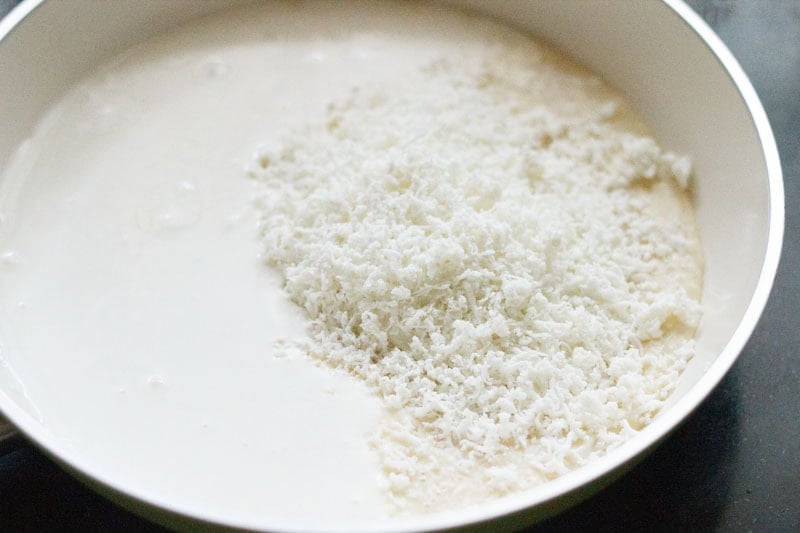
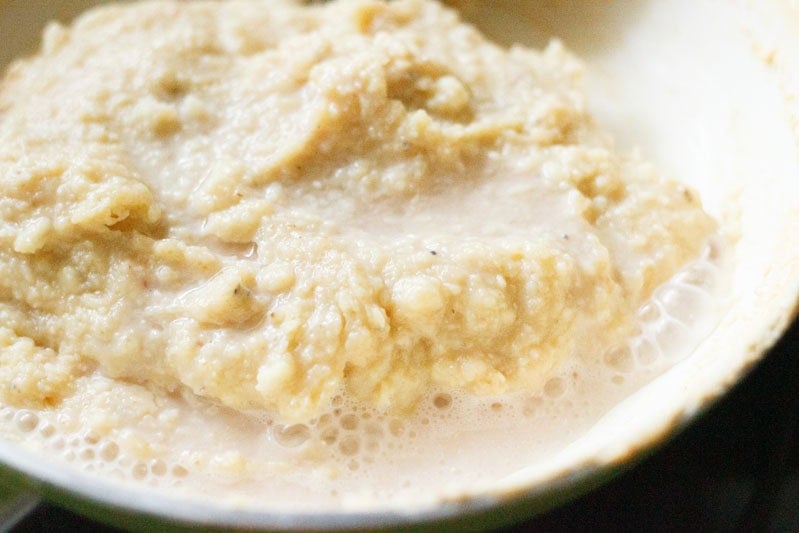
- The Cold Mix (2-4 Minutes): Unlike traditional methods that start with boiling, the modern version begins by mixing 200 grams of sweetened condensed milk, 1/2 cup of fresh cream, and 100 grams of finely grated paneer in a cold, thick-bottomed pan. This ensures a lump-free start.
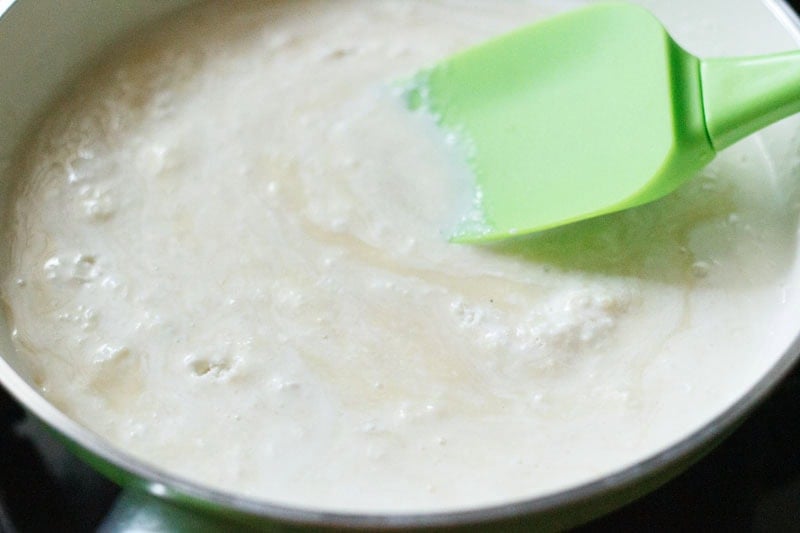
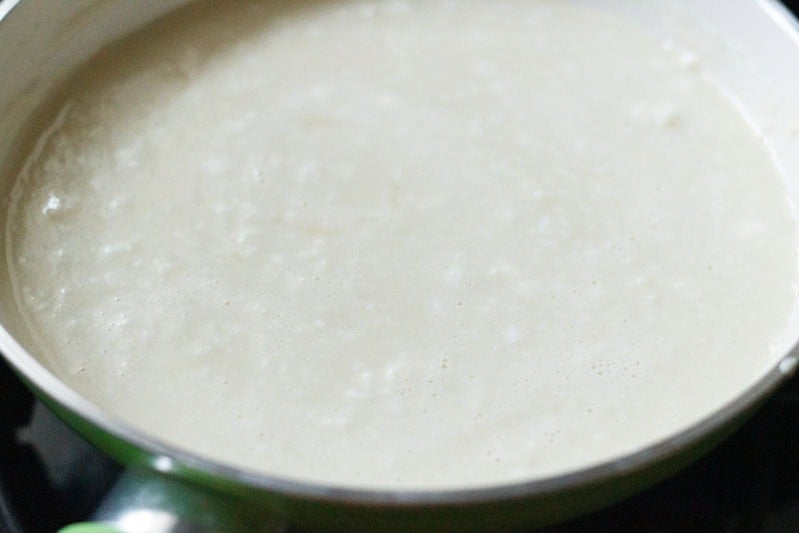
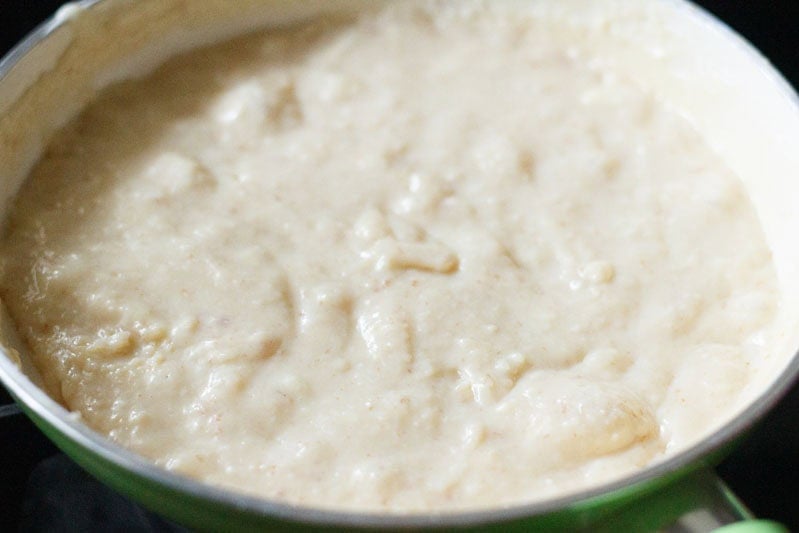
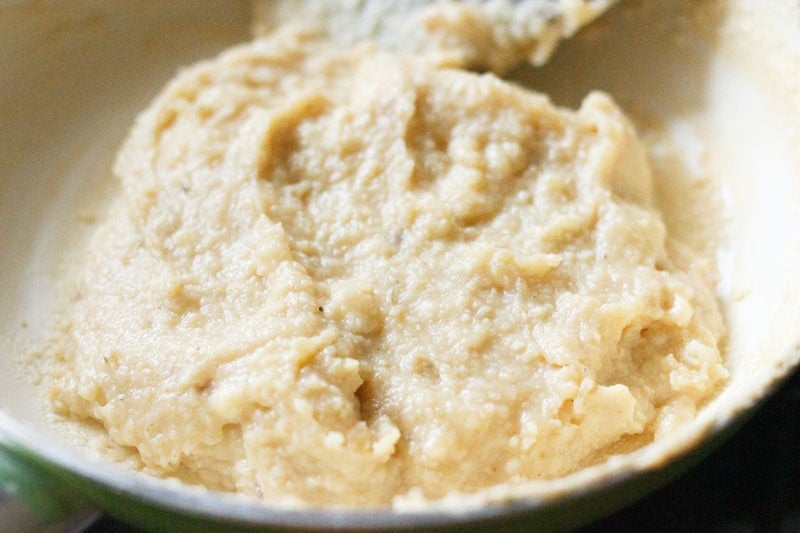
- The Thermal Transformation (4-12 Minutes): Under low heat, the mixture undergoes a rapid thickening. As the moisture in the cream and paneer evaporates, the condensed milk acts as a binding agent. Within eight to ten minutes, the mixture reaches a "soft mass" stage, detaching from the sides of the pan—a sign that the sugars have caramelized just enough to provide structure without becoming hard.
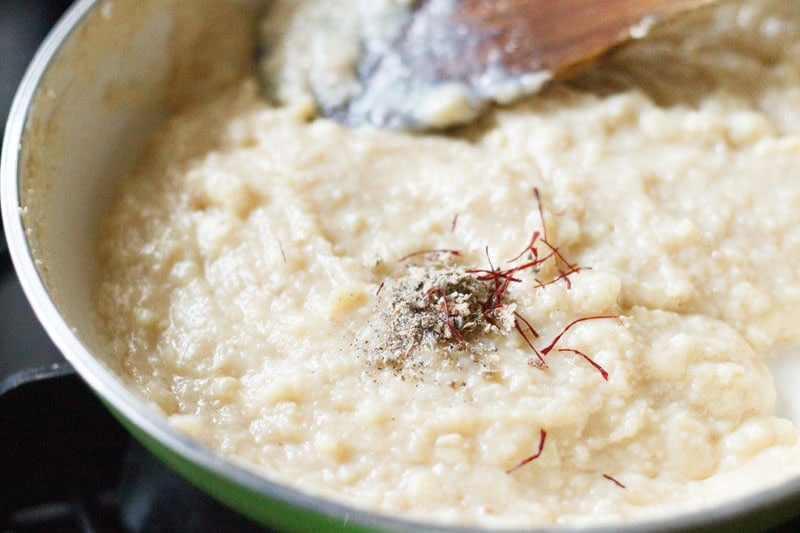
- Flavor Infusion and Setting (12-15 Minutes): In the final moments, aromatic agents like saffron, cardamom powder, and rose water are introduced. These volatile oils are added at the end to prevent them from evaporating during the cooking process. The mixture is then transferred to the tray, garnished with blanched nuts, and left to cool.
Supporting Data: The Science of Texture and Nutrition
The success of the instant Malai Barfi is not merely a matter of convenience; it is rooted in food science. By analyzing the components, we can understand how such a short cooking time yields a complex texture.
The Role of Paneer as a Structural Scaffold
In the traditional method, "graininess" is achieved through the slow curdling of milk proteins. In the instant version, grated paneer serves as a pre-formed protein scaffold. Because paneer is a non-melting cheese, it retains its small, soft granules even when heated with sugar and fat, providing the signature "danedaar" (grainy) texture that consumers expect from a high-quality Malai Barfi.
Nutritional Breakdown
Data provided by culinary analysts suggests that while the Malai Barfi is an indulgent treat, its portion-controlled nutritional profile is surprisingly manageable for a festive sweet. A single serving (approximately 1/12th of the recipe) contains:
- Total Calories: 93 kcal
- Macronutrients: 10g Carbohydrates, 3g Protein, 5g Total Fat.
- Micronutrients: It is a significant source of Calcium (93mg) and Vitamin A (47IU), primarily derived from the dairy solids.
- The Sugar Factor: With 9g of sugar per serving, the sweetness is derived entirely from the condensed milk, eliminating the need for supplementary refined sugar.
Fat Composition
The fat content is dominated by saturated fats (3g), which are essential for the barfi’s stability at room temperature. The use of fresh cream (25% to 35% fat) ensures a high level of "mouthfeel," which is the perception of creaminess that lingers on the palate, a key quality metric for any Malai-based dessert.
Official Responses: Culinary Experts and the Industry
The rise of instant Mithai has prompted various responses from the culinary community, ranging from enthusiastic adoption to cautious endorsement.
Chef Vikram Sethi, a specialist in Indian Confectionery, states:
"The transition to instant methods is an inevitable response to ‘time poverty’ in modern households. While the traditional slow-cooked Malai Barfi has a deeper depth of caramelization, the paneer-condensed milk method is 90% there in terms of flavor and 100% there in terms of texture. For a home cook during the Diwali rush, this is a revolutionary tool."
Nutritionist Dr. Ananya Sharma comments on the trend:
"The benefit of the homemade instant barfi over store-bought versions is the control over ingredients. Commercial sweets often use ‘hydrogenated fats’ and artificial thickeners to increase shelf life. By using fresh paneer and cream at home, even in an ‘instant’ format, the consumer is avoiding the preservatives typically found in the massive industrial batches of Mithai sold during festival seasons."
Market Analysts in the Dairy Sector have also noted a spike in the sales of sweetened condensed milk and fresh cream during the months of October and November, correlating directly with the Indian festive season. This suggests that the "Instant Barfi" trend is driving significant retail movement in the dairy aisle, as more families opt for "DIY Mithai" over pre-packaged boxes.
Implications: The Future of Heritage Cooking
The shift toward the 15-minute Malai Barfi carries several long-term implications for culinary heritage and domestic life.
Preservation through Simplification
There is a prevailing fear that traditional recipes will die out as younger generations find them too cumbersome. The "instantization" of these recipes actually serves as a preservation mechanism. By making the Malai Barfi accessible to a novice cook with a 15-minute window, the recipe remains "active" in the cultural lexicon rather than becoming a relic of the past.
The "Gift Economy" and Personalization
In Indian culture, gifting Mithai is a social mandate. The ease of the instant recipe has revitalized the "homemade gift." Because the base recipe is so stable, it allows for easy scaling and personalization. Home cooks are now experimenting with adding fruit pulps (like mango or sitaphal) or modern infusions (like sea salt or lavender) to the Malai Barfi base, creating a hybrid of traditional and contemporary flavors.
Domestic Efficiency and Mental Load
The reduction of cooking time from two hours to fifteen minutes significantly reduces the "mental load" associated with festive preparation. This efficiency allows for the celebration of traditions without the physical exhaustion that historically accompanied them, potentially leading to a more inclusive participation in kitchen duties among all family members.
Conclusion: A Sweet Compromise
The 15-minute Malai Barfi stands as a testament to the adaptability of Indian cuisine. It represents a "sweet compromise" where technology and tradition meet. While the vats of simmering milk may always have a place in the artisanal shops of Old Delhi or Varanasi, the modern kitchen has found its own rhythm—one that values the essence of "Malai" but respects the pace of the modern world. As we look toward the future of global gastronomy, the success of this recipe suggests that the secret to keeping heritage alive is not just in the ingredients we use, but in how we adapt them to the lives we lead.
