

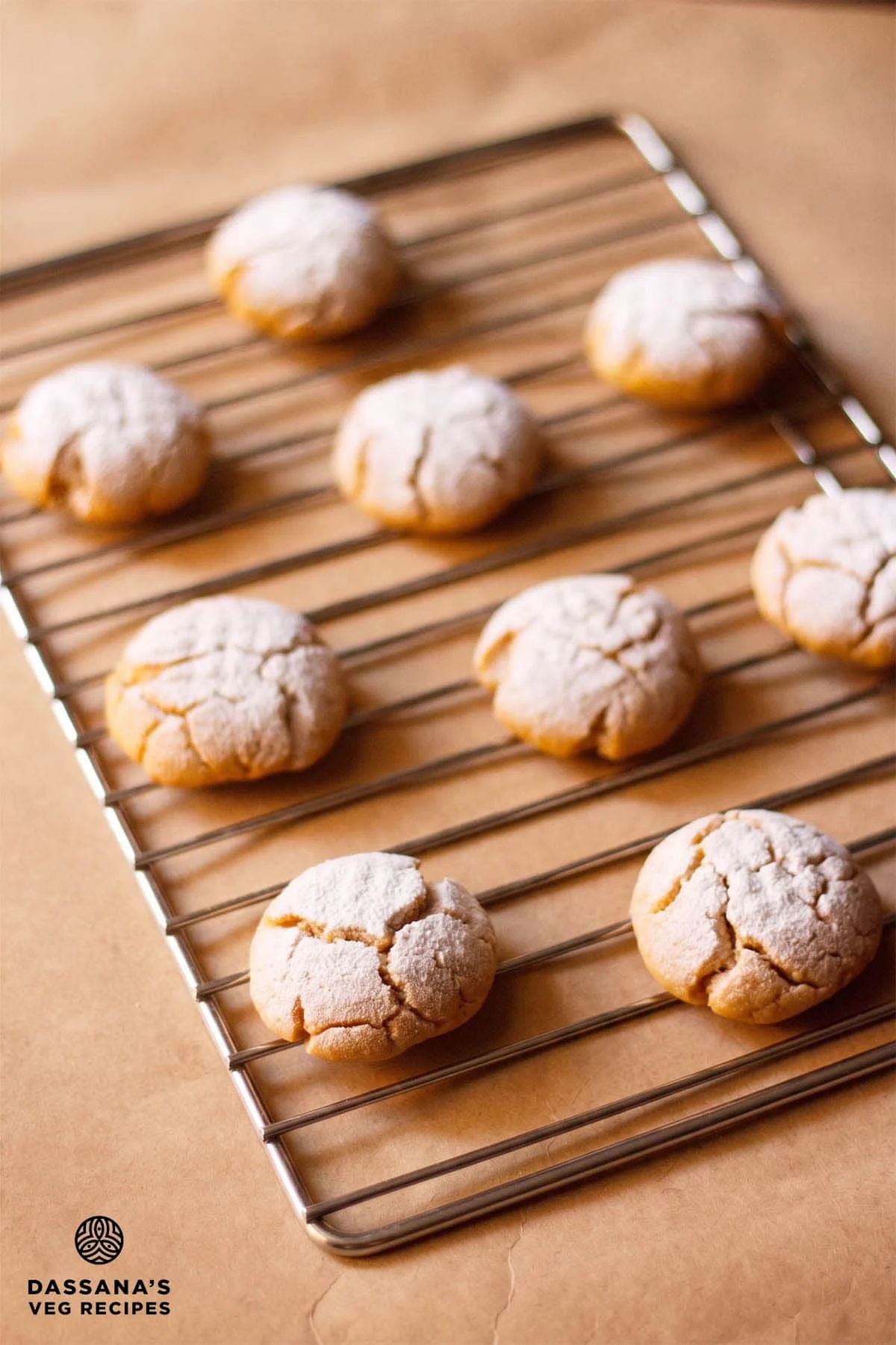
Main Facts: A New Era of Plant-Based Confectionery
In the evolving landscape of contemporary Indian gastronomy, a significant shift toward health-conscious, plant-based alternatives is reshaping the way traditional snacks are perceived and prepared. At the forefront of this movement is a specialized recipe for Orange Cookies—often referred to locally as "orange biscuits"—which combines the rustic nutritional profile of indigenous grains with the vibrant, seasonal zest of fresh citrus.
These orange cookies represent a departure from the standard bakery-style biscuit, which typically relies heavily on refined flour (maida), processed sugars, and saturated fats like butter or vanaspati. Instead, this modern iteration utilizes a sophisticated blend of whole wheat flour (atta) and gram flour (besan), sweetened with controlled amounts of sugar and leavened naturally through the interaction of fresh orange juice and traditional leavening agents.
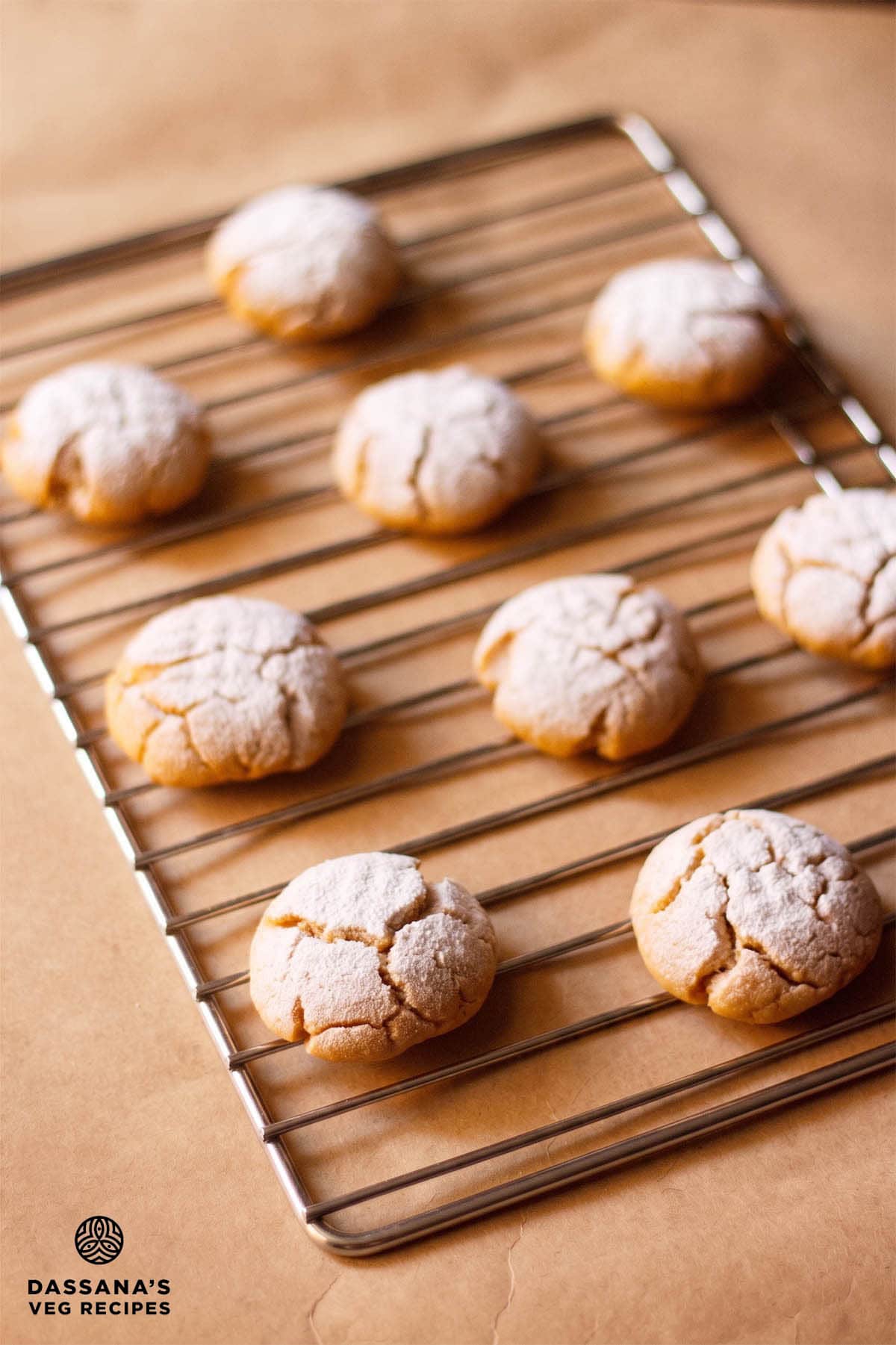
The result is a soft-textured, moist cookie that bridges the gap between a traditional biscuit and a tender cake. Notably, the recipe is entirely vegan and eggless, substituting sunflower oil for dairy fats. This substitution not only makes the snack accessible to those following a plant-based lifestyle but also contributes to a lighter crumb and a lower saturated fat content, aligning with global trends toward "clean label" home baking.
Chronology of Preparation: A Step-by-Step Methodology
The production of these citrus-infused biscuits follows a precise chronological sequence designed to maximize flavor extraction and ensure structural integrity without the need for chemical additives or professional-grade equipment.
Phase I: The Extraction of Essential Citrus Elements
The process begins with the careful preparation of the primary flavoring agent: the orange. Culinary experts emphasize the importance of using fresh, seasonal fruit to achieve a high-intensity aroma.
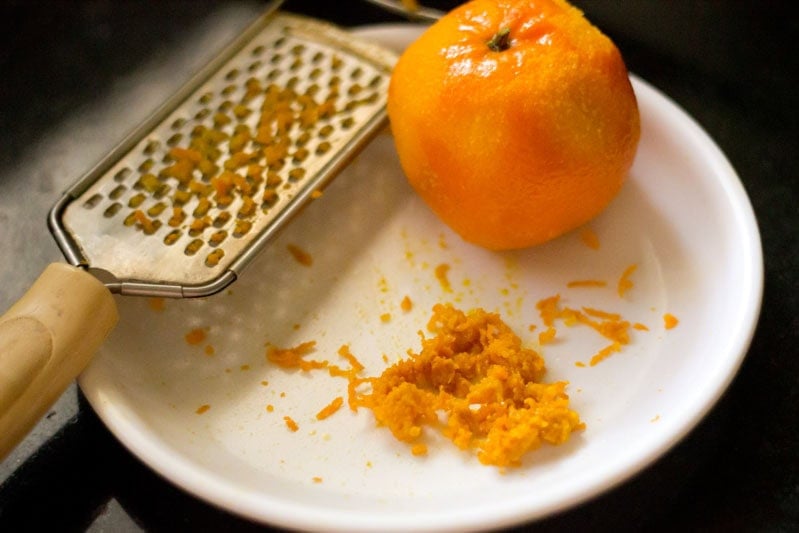
- Zesting: A medium-sized orange is thoroughly rinsed and dried. Using a fine grater, approximately one teaspoon of zest is harvested. The technique requires precision to avoid the white pith, which contains bitter compounds that can compromise the cookie’s flavor profile.
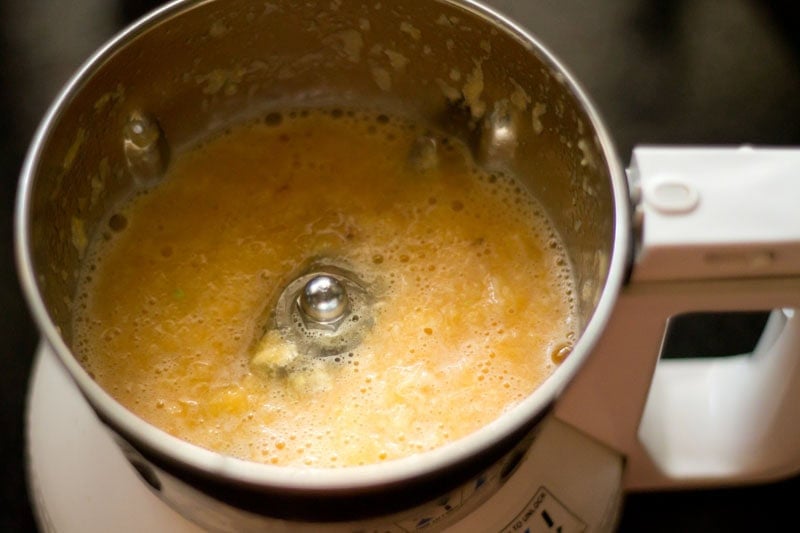
- Juicing: The fruit is then de-seeded and processed—either through a mechanical juicer or a high-speed blender—to produce a fresh pulp.
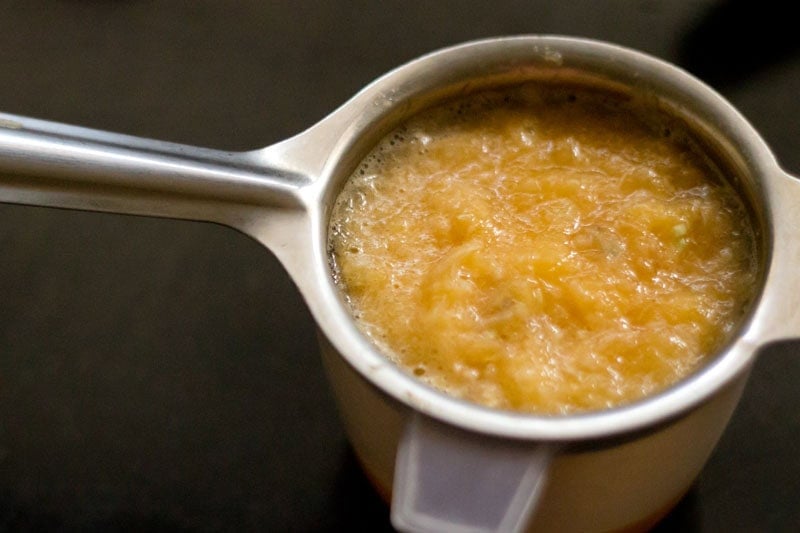
- Filtration: The resulting liquid is strained through a fine sieve, with the pulp being pressed to ensure that exactly one-third of a cup of concentrated juice is obtained.
Phase II: The Emulsification of Wet Ingredients
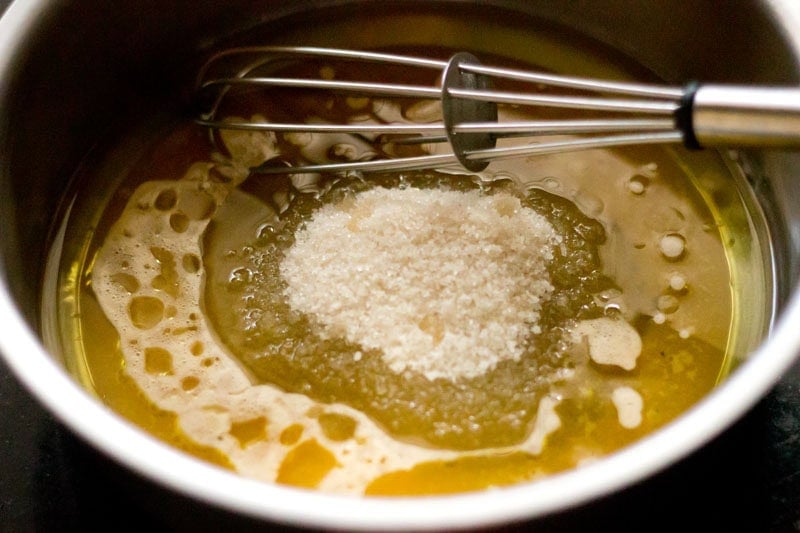
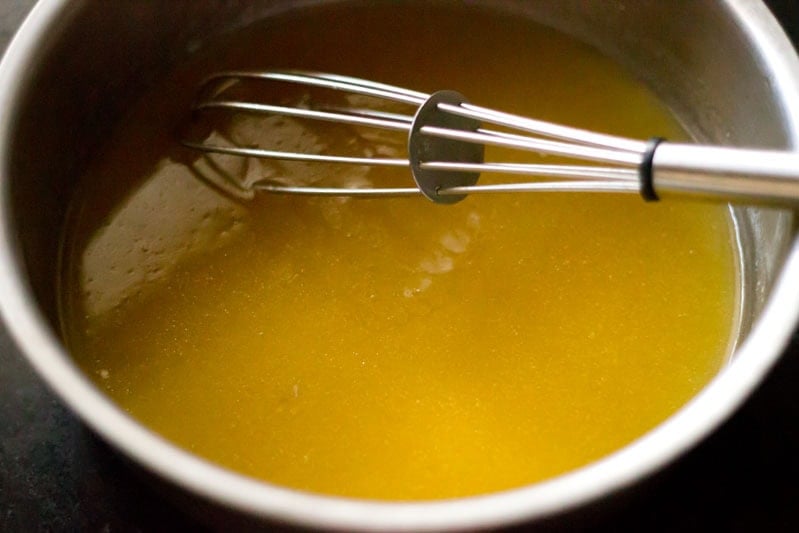
Unlike traditional shortbread recipes that require "creaming" butter and sugar, this method utilizes a liquid-state emulsion. One-third cup of the fresh juice is combined with half a cup of sugar and half a cup of sunflower oil. This mixture is whisked vigorously until the sugar is fully dissolved, creating a uniform base that ensures the even distribution of sweetness and moisture throughout the dough.
Phase III: Integration of Dry Components and Dough Formation
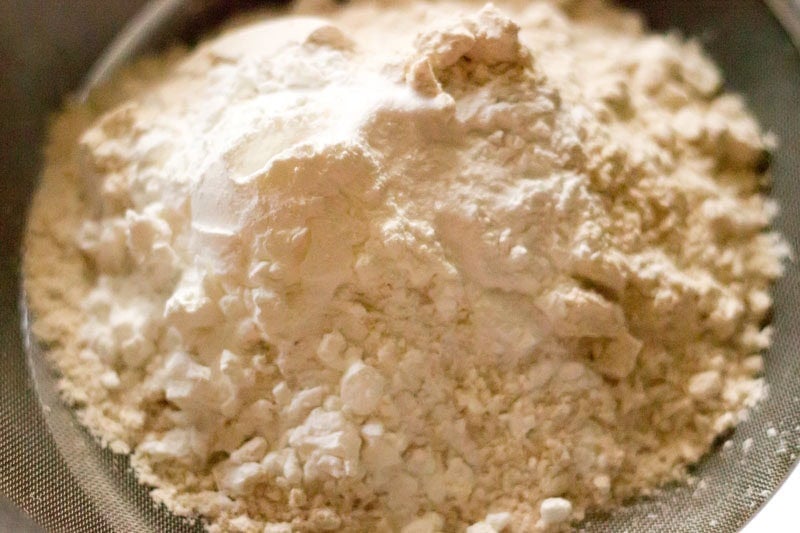
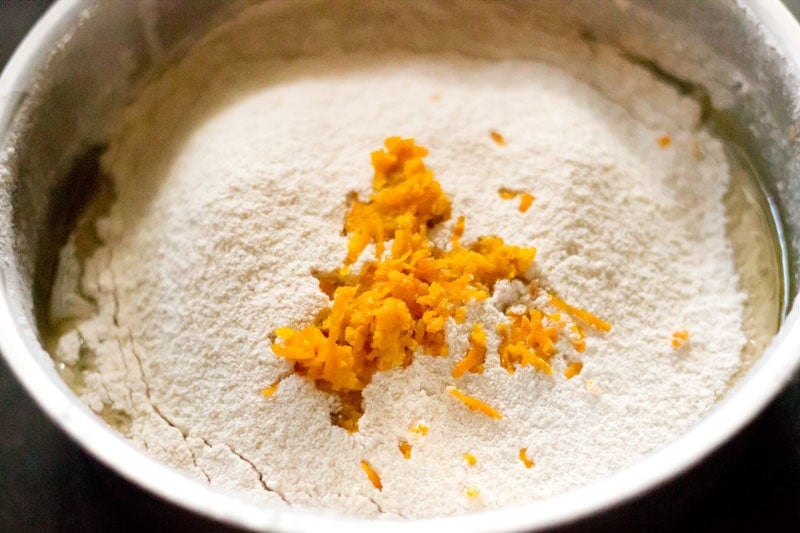
The structural foundation of the biscuit is built by sifting dry ingredients directly into the wet emulsion. This includes a strategic blend of whole wheat flour and a supplementary half-cup of gram flour (besan). The inclusion of gram flour is a nod to traditional Indian confectionery, providing a subtle nuttiness and increasing the protein density of the final product. The reserved orange zest is added at this stage to ensure its aromatic oils are trapped within the dough. The mixture is brought together gently; over-kneading is strictly avoided to prevent the development of excess gluten, which would result in a tough, bread-like texture rather than a soft cookie.
Phase IV: Thermal Processing and Finishing
The final stage involves a high-heat bake to trigger the "crinkle" effect.
- Preheating: The oven is stabilized at 200 degrees Celsius (392 degrees Fahrenheit).
- Portioning: The dough is divided into 12 to 14 uniform spheres, slightly flattened to facilitate even heat distribution.
- Baking: The biscuits undergo thermal processing for 20 to 25 minutes. During this time, the exterior sets and cracks, while the interior remains moist.
- Cooling: Upon removal, the biscuits are transferred to a wire rack. This is a critical step to prevent "sweating" and to allow the crumb to set. A final aesthetic touch—a light dusting of icing sugar—is applied once the biscuits reach room temperature.
Supporting Data: Nutritional and Technical Analysis
To understand the impact of these orange biscuits on the modern diet, a closer look at the nutritional data and ingredient functionality is required.
Nutritional Profile (Per Serving)
A single serving of these homemade cookies (approximately one biscuit) contains:
- Calories: 177 kcal
- Carbohydrates: 22g (with 2g of dietary fiber)
- Protein: 3g
- Fat: 9g (only 1g of which is saturated fat)
- Micronutrients: Significant traces of Vitamin C (5mg), Calcium (18mg), and Iron (1mg), alongside Vitamin B9 (Folate) at 29µg.
The data suggests that while the biscuit remains a treat, its macronutrient balance is superior to commercial alternatives. The use of sunflower oil provides a high ratio of monounsaturated and polyunsaturated fats, which are generally considered heart-healthy compared to the trans-fats often found in industrial "biscuits."
Technical Advantages of Ingredients
- Whole Wheat Flour: Provides complex carbohydrates and a denser texture that satisfies hunger more effectively than refined flour.
- Gram Flour (Besan): Acts as a natural binder and enhances the "golden" hue of the cookie without the need for artificial food coloring.
- Sunflower Oil: Ensures the cookies remain soft even after several days of storage, whereas butter-based cookies tend to harden as the fats solidify.
Official Responses: Expert Culinary Perspectives
Culinary educators and home-baking advocates have noted the rising popularity of this specific recipe style. Dassana Amit, a prominent figure in Indian vegetarian cooking, suggests that the success of the orange biscuit lies in its accessibility.
"The recipe is straightforward and suitable for beginner bakers," Amit notes in her technical commentary. She emphasizes that the "no-chill" nature of the dough is a significant advantage for home cooks, as it reduces the total preparation time significantly compared to traditional French or American cookie recipes that require hours of refrigeration.
Furthermore, health experts have responded positively to the transparency of the ingredients. By utilizing fresh orange juice instead of synthetic "orange essence," the recipe provides a natural source of antioxidants and bioflavonoids. Nutritionists point out that the inclusion of gram flour is a "smart substitution" that adds a layer of plant-based protein, making the snack a more balanced option for children’s lunchboxes or as a tea-time accompaniment for the elderly.
Implications: The Future of the Indian Biscuit Industry
The emergence of the whole-wheat, vegan orange biscuit has several long-term implications for both the home-baking sector and the wider food industry in India.
1. The Decline of Refined Flour (Maida)
As consumers become increasingly aware of the glycemic index of their foods, there is a growing rejection of maida-based snacks. This recipe serves as a blueprint for how traditional snacks can be re-engineered using atta and other alternative flours without sacrificing palatability.
2. The Rise of "Seasonal Baking"
By highlighting the use of fresh, seasonal oranges, this culinary trend encourages a return to seasonal eating. This not only supports local agriculture but also ensures that the consumer is receiving the maximum nutritional benefit from the fruit at its peak.
3. Expansion of the Vegan Market
The success of high-quality, eggless, and dairy-free recipes proves that veganism is no longer a niche "Western" concept in India. It is being integrated into the Indian kitchen through familiar formats like the "tea biscuit," making plant-based eating a seamless part of the daily routine.
4. Sustainability and Storage
The recommendation to store these cookies in airtight containers at room temperature for up to three days—or longer in the refrigerator—highlights a move toward preservative-free food. Unlike commercial biscuits that have a shelf life of six to twelve months due to chemical stabilizers, these homemade versions prioritize freshness and biological integrity.
In conclusion, the Orange Cookie is more than just a sweet treat; it is a manifestation of the "Slow Food" movement within the fast-paced modern world. It demonstrates that with simple, locally available ingredients and a basic understanding of baking science, it is possible to create snacks that are as nourishing as they are delicious. As this recipe continues to gain traction among home bakers, it paves the way for a more mindful and health-oriented future in the world of confectionery.
