

Powered by: Tech2
Last Updated: May 20, 2026, 14:09 IST
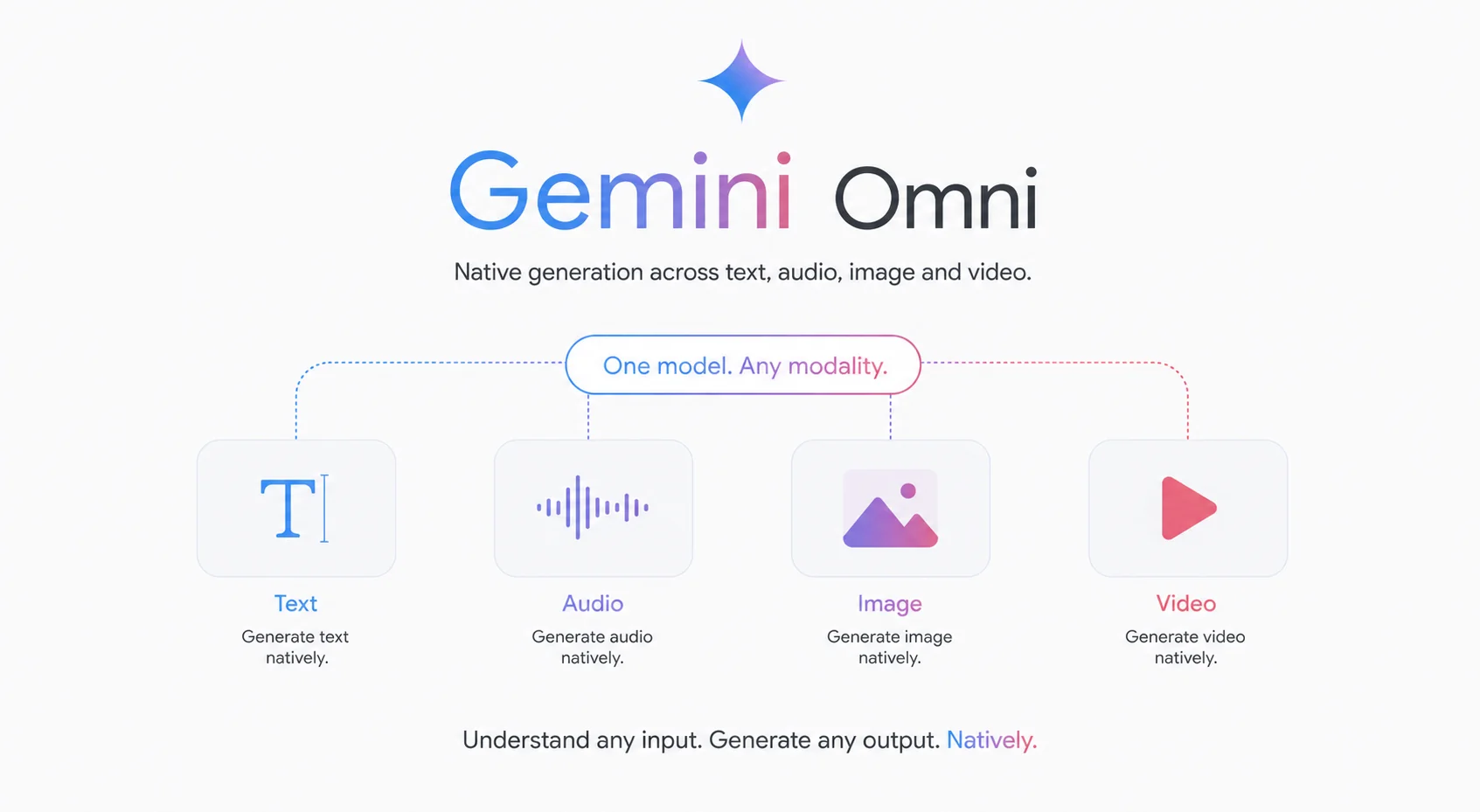
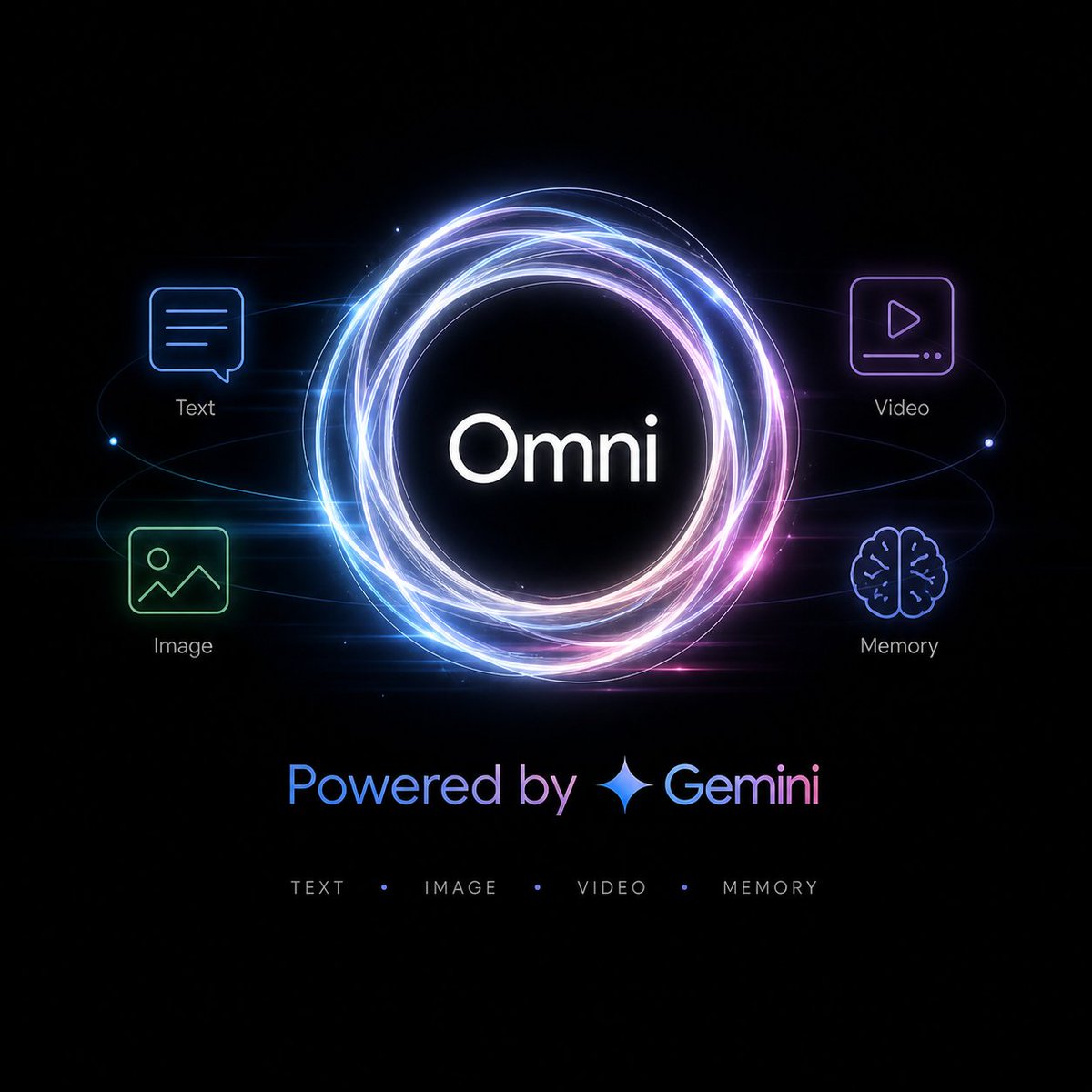
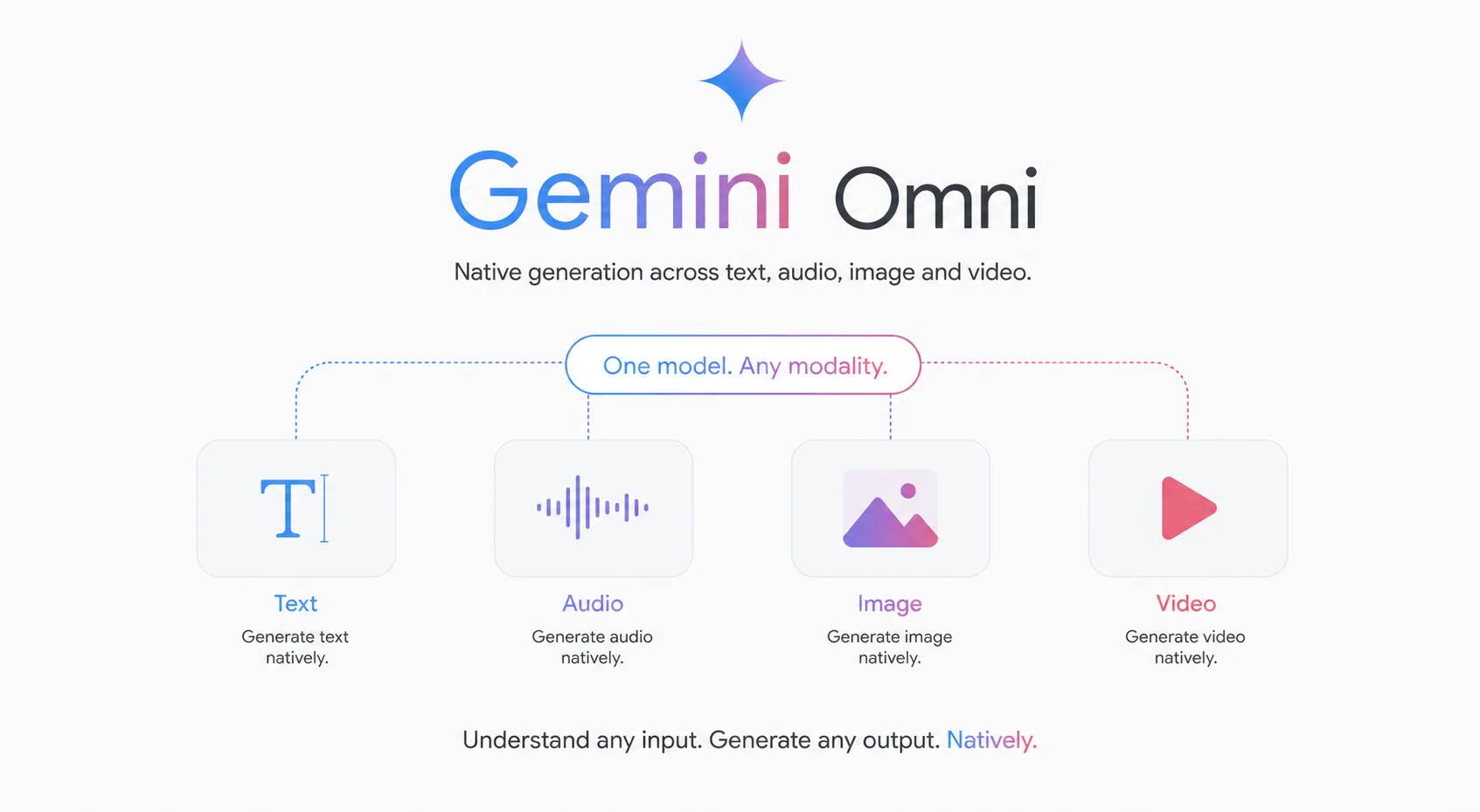
Google has officially unveiled Gemini Omni, a groundbreaking multimodal AI model poised to fundamentally transform how video content is created, edited, and consumed. Building upon the foundational generative capabilities of its predecessor, Nano Banana, Gemini Omni pushes the boundaries of artificial intelligence, expanding beyond still images into the dynamic realm of video, offering unprecedented levels of creative control through intuitive, natural language interactions. This development marks a significant milestone in the evolution of digital media, promising to democratize sophisticated video production and unlock new frontiers in visual storytelling.
The Dawn of Conversational Video Creation: Introducing Gemini Omni
At its core, Gemini Omni represents Google’s ambitious leap into generative video, offering a suite of tools that empower users to manipulate and create video content with remarkable ease and precision. Unlike traditional video editing software, which often requires a steep learning curve and specialized skills, Gemini Omni leverages advanced AI to interpret natural language prompts, effectively turning complex creative tasks into conversational commands. This paradigm shift means that rather than meticulously keyframing or navigating intricate menus, users can simply tell the AI what they want to achieve, whether it’s altering a scene, transforming an environment, or generating entirely new visual elements from scratch.
This revolutionary approach is set to democratize video production, making high-quality content creation accessible to a broader audience, from seasoned professionals seeking to accelerate their workflows to casual users looking to craft engaging social media content. The model’s ability to understand and execute complex creative instructions based on textual or even verbal input promises to drastically reduce the time and technical expertise traditionally required for video editing and generation.
A Leap from Still to Motion: Building on Nano Banana’s Legacy
Gemini Omni is not an isolated innovation but rather the natural evolution of Google’s extensive research and development in generative AI. It directly builds upon the successes of Nano Banana, the company’s previous venture into Gemini-powered image generation and editing tools, which debuted last year. While Nano Banana primarily focused on empowering users with AI-driven capabilities for still images—allowing them to generate novel visuals, modify existing photographs, or apply stylistic transformations with simple prompts—Gemini Omni takes this concept to the next level by extending these powerful generative capacities into the realm of moving pictures.
The transition from still images to video presents a significantly more complex challenge for AI models. Video requires an understanding of continuity, motion, temporal dynamics, and the intricate interplay of objects and environments over time. Gemini Omni’s ability to seamlessly generate and edit video signifies a profound advancement in multimodal AI, indicating a sophisticated understanding of these complex visual and temporal relationships. This expansion underscores Google’s long-term vision to create AI systems that can interact with and generate content across all forms of media, moving closer to truly comprehensive multimodal intelligence.
Unpacking Gemini Omni’s Transformative Capabilities
The true power of Gemini Omni lies in its diverse and deeply integrated set of features, each designed to streamline and enhance the video creation process. These capabilities extend far beyond simple edits, venturing into the realm of imaginative transformation and intelligent content generation.
Conversational Video Editing: Natural Language, Limitless Possibilities
A cornerstone of Gemini Omni’s offering is its conversational video editing prowess. This feature redefines the user interface, replacing traditional tools with a more intuitive, natural language interaction model. Imagine being able to:
- Modify environmental elements: "Change the sunny sky to a stormy, dramatic one with lightning flashes."
- Alter object properties: "Make the car in the foreground bright red and add a subtle reflection of city lights on its surface."
- Adjust character actions: "Have the person in the video walk slower and then suddenly start running."
- Extend or shorten scenes: "Extend this shot of the sunset by five seconds, adding a smooth zoom-in effect."
- Apply stylistic changes: "Give this entire clip a vintage 80s aesthetic with a VHS filter."
This ability to issue commands in plain language removes significant technical barriers, allowing creators to focus purely on their vision rather than the mechanics of execution. The AI’s sophisticated understanding of context and intent allows it to interpret and actualize these prompts with remarkable accuracy and creative flair.
Dynamic Visual Alterations and Environmental Transformations
Gemini Omni empowers users to perform highly granular and imaginative alterations within existing video clips. This includes:
- Altering actions: Changing a character’s movement, expression, or interaction with objects. For instance, a person touching a mirror could, as demonstrated by Google, cause the mirror’s surface to ripple like liquid, with their arm gradually transforming into a reflective, mirror-like material. This level of intricate, frame-by-frame transformation opens doors for surreal and fantastical visual effects that were previously the domain of high-end VFX studios.
- Transforming environments: Seamlessly changing the setting of a video without reshooting. A street scene could be instantly converted into a lush jungle, a futuristic metropolis, or an ancient ruin. This capability is invaluable for filmmakers, advertisers, and virtual production environments, significantly cutting down on location scouting, set design, and post-production costs.
- Adding entirely new visual elements: Integrating objects, characters, or effects into a scene that weren’t originally present. One could add a fantastical creature flying in the background, a new piece of furniture to a room, or even generate a complex particle effect like a magical aura around a subject. The AI’s understanding of perspective, lighting, and motion ensures that these additions blend seamlessly into the existing footage, maintaining visual coherence.
Realistic Physics and Contextual Intelligence
What sets Gemini Omni apart from simpler generative models is its advanced understanding of the physical world. Google has reportedly trained the system extensively to comprehend:
- Gravity: Objects falling and interacting with surfaces realistically.
- Motion: The natural flow and momentum of moving elements.
- Fluid dynamics: How liquids behave, ripple, and interact with other objects.
This training allows Gemini Omni to generate scenes that not only look visually appealing but also behave with a high degree of realism. This is critical for creating believable visual effects and ensures that generated content adheres to natural laws, preventing uncanny or jarring visual anomalies often seen in less sophisticated AI outputs.
Furthermore, Gemini’s broader knowledge model is deeply integrated into Omni. This means the system can go beyond purely aesthetic clips, generating explainers and context-aware visuals. For example, a user could ask Omni to:
- "Generate a short video explaining the principles of quantum entanglement, using engaging visuals."
- "Create a product demonstration video for this new smartphone, highlighting its camera features with dynamic shots."
- "Produce an educational segment about deforestation, showing its impact on different ecosystems."
This integration elevates Omni from a mere visual tool to a powerful educational and communicative assistant, capable of synthesizing information into compelling visual narratives.
Multimodal Input and AI-Generated Avatars
Omni’s multimodal nature is a key differentiator, supporting a wide array of input types to guide content generation:
- Text prompts: As discussed, simple natural language commands.
- Image references: Providing a style image or a specific object to include.
- Video references: Supplying a clip to mimic its motion, style, or structure.
- Voice reference: Using spoken commands to direct editing or generation.
Crucially, users can combine these different references. For instance, one could provide a text prompt describing a scene, an image reference for the desired artistic style, and a video reference for the camera movement, all to guide the final generated clip. While audio support is currently focused on voice reference for commands, broader audio input capabilities, such as generating background music or sound effects based on prompts, are anticipated in future updates.
Another innovative feature is the introduction of AI-generated Avatars. Users can create digital versions of themselves, complete with their own voice, for video generation. This has immense potential for:
- Personalized content: Creating unique video messages or greetings.
- Virtual presenters: Businesses can use AI avatars to deliver presentations, training modules, or customer service videos without needing human presenters on camera.
- Content localization: Generating avatar videos in multiple languages using the same voice profile.
This feature promises to add a deeply personal and customizable layer to AI-generated video.
Rollout and Accessibility: Gemini Omni Flash Leads the Charge
Google’s strategy for introducing this powerful technology to its user base begins with Gemini Omni Flash, the first commercial release in the Omni lineup. This initial deployment is designed to bring the core functionalities of Omni to existing Google platforms and services, ensuring broad accessibility.
Gemini Omni Flash is rolling out across several key Google applications:
- Gemini App: Users of the standalone Gemini app will gain access to Omni Flash’s video generation and editing capabilities directly within the application.
- Google Flow: This platform, likely Google’s internal creative suite or a specialized AI workflow tool, will also integrate Omni Flash, catering to more advanced or professional users within Google’s ecosystem.
- YouTube Shorts: Recognizing the immense popularity of short-form video content, Google is integrating Omni Flash directly into YouTube Shorts. This move is particularly significant as it empowers a massive base of casual creators to produce highly engaging and creative short videos with minimal effort, potentially redefining the landscape of social media video.
- YouTube Create App: The dedicated YouTube Create app, designed to streamline video production for content creators, will also benefit from Omni Flash integration.
In terms of availability, Google is adopting a tiered approach. Gemini Omni Flash is launching first for Google AI Plus, Pro, and Ultra subscribers globally through the Gemini app and Google Flow. This strategy allows Google to reward its premium AI subscribers with early access to cutting-edge features. However, in a move to rapidly democratize access and foster widespread adoption, the company is also bringing the technology to YouTube Shorts and the YouTube Create app at no additional cost, starting this week. This dual-pronged release ensures that while advanced users and early adopters get premium features, the general public and aspiring creators on YouTube can also experience the transformative power of AI-driven video without a financial barrier. This strategic rollout emphasizes Google’s commitment to making AI accessible to everyone, from professional studios to individual content creators.
Google’s Vision: Democratizing Video Production
Google’s introduction of Gemini Omni is more than just a technological showcase; it represents a clear strategic vision: to democratize video production and empower a new generation of creators. By abstracting away the technical complexities of video editing and generation behind natural language interfaces, Google aims to lower the barrier to entry for creating high-quality, professional-grade video content.
The company envisions a future where anyone with an idea, regardless of their technical skill or budget, can bring their visual stories to life. For independent creators and small businesses, this translates into unprecedented opportunities to produce compelling marketing materials, engaging social content, and polished educational videos that can compete with productions from larger studios. Google is positioning Omni not just as a tool, but as an enabler – a means to unlock creative potential that was previously constrained by cost, time, and specialized knowledge.
Furthermore, Gemini Omni strengthens Google’s broader AI ecosystem. By integrating deeply with platforms like YouTube, it reinforces Google’s position at the forefront of content creation and consumption. This move is also a powerful statement in the competitive AI landscape, demonstrating Google’s commitment to pushing the boundaries of multimodal AI and delivering practical, impactful applications to its vast user base. It underscores Google’s long-standing mission to organize the world’s information and make it universally accessible and useful, now extending to the creation of that information.
Broader Implications: Reshaping the Creative Landscape
The arrival of Gemini Omni carries profound implications that extend across various industries, impacting content creators, businesses, and the very nature of digital storytelling.
Impact on Content Creators and Businesses
- Reduced Production Costs and Time: The ability to generate and edit video with natural language prompts will drastically cut down on the need for extensive filming, specialized equipment, and laborious post-production. This will save significant resources for filmmakers, marketing agencies, and corporate content teams.
- Increased Creative Freedom and Iteration: Creators can rapidly prototype ideas, experiment with different visual styles, and iterate on concepts much faster than before. This agility fosters greater creative exploration and allows for quicker adaptation to audience feedback.
- Personalization at Scale: With AI-generated avatars and dynamic content capabilities, businesses can create highly personalized video messages for individual customers, enhancing engagement and marketing effectiveness.
- New Forms of Content: Omni’s capabilities will undoubtedly spur the creation of entirely new genres of video content, from interactive narratives to dynamically generated educational materials tailored to specific learning styles.
- Empowerment of Independent Creators: Smaller studios and individual creators, who often lack the resources of larger entities, will gain access to tools that can elevate the quality and ambition of their projects, leveling the playing field in the creator economy.
The Future of Digital Storytelling
Gemini Omni is set to redefine what’s possible in digital storytelling. We can anticipate:
- More Immersive and Interactive Experiences: As AI-generated video becomes more sophisticated, it could pave the way for fully dynamic narratives where viewers’ choices directly influence the unfolding story in real-time.
- Hyper-Realistic Virtual Worlds: The combination of realistic physics and environmental transformation capabilities could accelerate the development of highly believable virtual environments for gaming, simulations, and the metaverse.
- Democratization of High-Quality Video: The ability for anyone to produce polished video content means a potential explosion in the volume and diversity of video available, challenging traditional media gatekeepers.
Ethical Considerations and Responsible AI Development
As with any powerful generative AI technology, Gemini Omni raises important ethical considerations that Google, and the broader tech community, must address responsibly:
- Authenticity and Misinformation: The ease of altering and generating realistic video content could contribute to the spread of deepfakes and misinformation. Clear guidelines, watermarking, and detection tools will be crucial.
- Bias in Generated Content: If the training data contains biases, these could be reflected in the generated videos, perpetuating stereotypes or misrepresentations. Continuous auditing and mitigation strategies are essential.
- Intellectual Property and Copyright: Questions surrounding the ownership of AI-generated content and the use of copyrighted material in training datasets will need robust legal and ethical frameworks.
- Job Displacement: While AI tools enhance productivity, they also raise concerns about the future of traditional roles in video production and editing. A focus on upskilling and adapting human roles to collaborate with AI will be vital.
Google’s commitment to "responsible AI" will be under scrutiny as Omni rolls out, requiring transparency, user controls, and ongoing research into safe and ethical deployment.
The Competitive Landscape
Gemini Omni’s launch intensifies the "AI arms race" in the generative media space. Google is directly challenging other tech giants and specialized AI companies like OpenAI (with models like Sora), Meta, and Adobe, all of whom are investing heavily in similar capabilities. Omni’s comprehensive multimodal approach, combined with its integration into Google’s vast ecosystem (especially YouTube), positions Google as a formidable player. This competition is ultimately beneficial for users, driving rapid innovation and ensuring a diverse array of powerful creative tools enter the market.
Conclusion: A New Era for Visual Media
Google’s introduction of Gemini Omni marks a pivotal moment in the evolution of artificial intelligence and digital media. By marrying sophisticated generative capabilities with intuitive, conversational interfaces, Google has unleashed a tool that promises to democratize video creation, unlock unprecedented creative potential, and fundamentally reshape how we interact with visual content. From empowering individual creators on YouTube Shorts to revolutionizing professional production pipelines, Omni is poised to become an indispensable force in the creative landscape. As this technology matures, it will not only streamline existing workflows but also inspire entirely new forms of storytelling and communication, ushering in a truly dynamic and accessible era for visual media. The journey from static images to dynamic, intelligent video generation has reached a new zenith, and the implications for our digital world are nothing short of transformative.
