

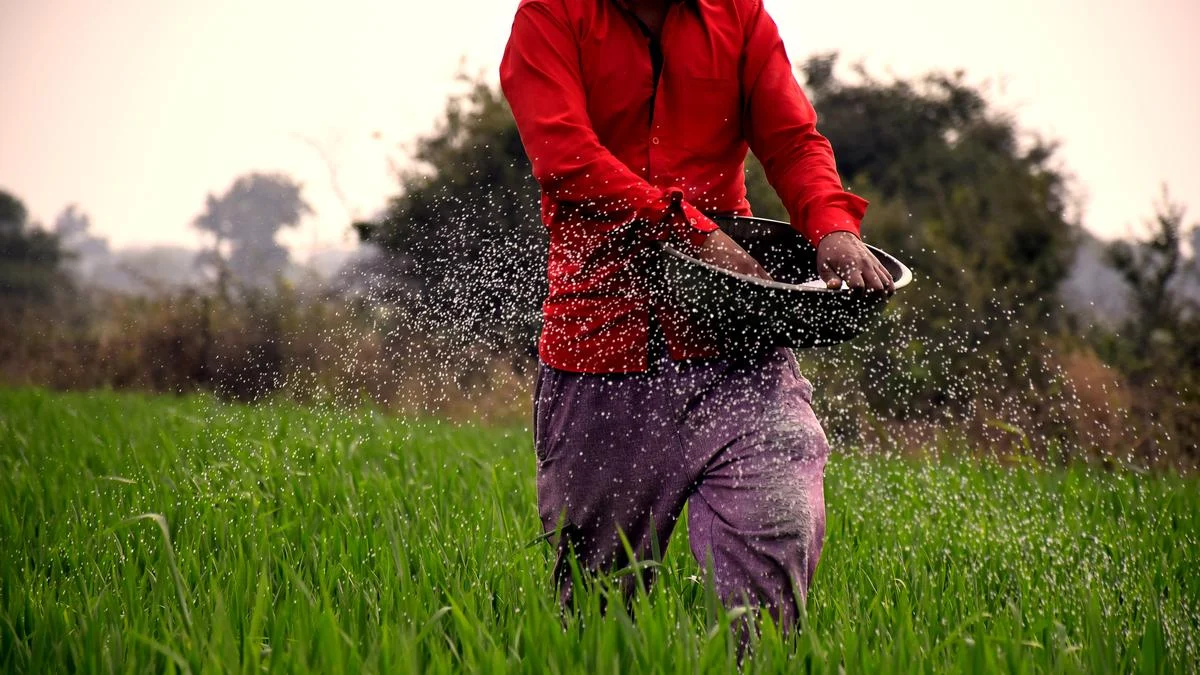
Chennai, India – May 23, 2026 – The landscape of agriculture, once largely defined by tradition and manual labor, is undergoing a profound and rapid transformation, driven by an unprecedented wave of technological innovation. Experts from across the academic and research spectrum converged at a recent webinar, "Agriculture Technology Revolution," to highlight how these advancements are not merely enhancing production but are fundamentally reshaping the sector, offering innovative solutions to some of the most pressing modern farming challenges. Organised jointly by SRM Institute of Science and Technology (SRMIST) and The Hindu as part of their insightful Future Career Conversations series, the event served as a critical platform to explore the multifaceted impact of technology on agriculture and its vast implications for the nation’s future.
Main Facts: A Sector Transformed by Innovation
The central message resounding from the webinar was clear: agriculture is no longer a solitary discipline but a vibrant, multidisciplinary field where cutting-edge technology intersects with traditional farming practices. From sophisticated mechanisation to the pervasive influence of Artificial Intelligence (AI) and the Internet of Things (IoT), the agricultural sector is experiencing a renaissance. This technological infusion is leading to increased efficiency, reduced waste, enhanced crop yields, and the emergence of entirely new career pathways, promising a future of sustainable growth and prosperity for farmers and the nation alike.
The discussion underscored several pivotal developments:
- Significant Mechanisation: Nearly half of all farm work in India is now mechanised, a testament to the adoption of advanced machinery.
- Precision Agriculture: The integration of precision equipment and data-driven insights is optimising resource utilisation and boosting productivity.
- Drone Technology: Unmanned aerial vehicles (UAVs) are becoming indispensable tools for crop management, monitoring, and targeted input application.
- Digital Ecosystems: Decentralised energy solutions, agri-tech (ad-tech) innovations, and post-harvest technologies are creating robust, localised agricultural ecosystems.
- Multidisciplinary Integration: Fields like mechanical engineering, automation, and computer science are now integral to modern agricultural practices, fostering smart agriculture driven by AI, Machine Learning (ML), and IoT.
- Career Opportunities: The sector is rapidly expanding its demand for skilled professionals, opening doors for innovators, engineers, data scientists, and entrepreneurs.
Chronology of Transformation: From Green Revolution to Digital Farming
The journey of Indian agriculture has been one of continuous evolution, marked by pivotal shifts that have progressively moved it away from subsistence farming towards a more productive and scientifically informed enterprise.
The Green Revolution (Mid-20th Century): A Foundation Laid
The initial major technological leap occurred with the Green Revolution in the 1960s and 70s. This era introduced high-yielding varieties of seeds, chemical fertilisers, and improved irrigation methods, fundamentally altering India’s food security narrative from scarcity to self-sufficiency. While transformative, this phase largely focused on biological and chemical inputs, with mechanisation being nascent and limited primarily to larger farms. It laid the groundwork by demonstrating the power of scientific intervention in agriculture, but the subsequent decades revealed its limitations, particularly concerning environmental sustainability and the equitable distribution of its benefits.
The Era of Gradual Mechanisation (Late 20th to Early 21st Century): Powering Productivity
Following the Green Revolution, the late 20th and early 21st centuries saw a gradual but steady increase in mechanisation. Tractors became more common, replacing bullocks for ploughing and land preparation. Threshers and simple harvesting machines began to appear, reducing the arduous manual labour associated with post-harvest activities. This period was characterised by an incremental adoption of machinery, often driven by government subsidies and increasing farmer awareness of the benefits of efficiency. However, the adoption was uneven, with smaller landholdings and certain crop types lagging. Crop storage, while improving, still suffered from significant post-harvest losses due to inadequate infrastructure.
The Digital Age of Agriculture (Present Day): The Agri-Tech Revolution
The current phase, aptly termed the "Agriculture Technology Revolution," marks a dramatic acceleration of innovation. It is characterised by the integration of digital technologies, data science, and advanced engineering into every facet of farming. This revolution isn’t just about bigger machines; it’s about smarter farming. The advent of sensors, drones, AI, machine learning, and the Internet of Things has ushered in an era of precision agriculture, allowing for unprecedented levels of control, monitoring, and optimisation. This shift is not just about increasing yield but about making agriculture more sustainable, resilient, and economically viable for farmers of all scales. The webinar meticulously dissected this contemporary phase, illustrating how a confluence of technologies is creating a truly transformative impact.
Supporting Data and Expert Insights: A Deep Dive into the Agri-Tech Ecosystem
The webinar provided a robust framework for understanding the current state and future trajectory of agricultural technology, with each speaker offering unique perspectives backed by tangible developments.
Devinder Dhingra on Mechanisation and Precision Farming:
Devinder Dhingra, Principal Scientist (Process Engineering) at the Agricultural Engineering Division, Indian Council for Agricultural Research (ICAR), illuminated the significant strides made in farm mechanisation. "Today, 47% of farm work is mechanised," Dr. Dhingra stated, a figure that represents a substantial leap from previous decades where manual labour dominated. He elaborated that this widespread adoption of scientific methods and machinery has directly led to "surplus production, which has resulted in agricultural produce being exported." This export capability is a critical indicator of India’s enhanced agricultural productivity and its growing role in global food supply chains.
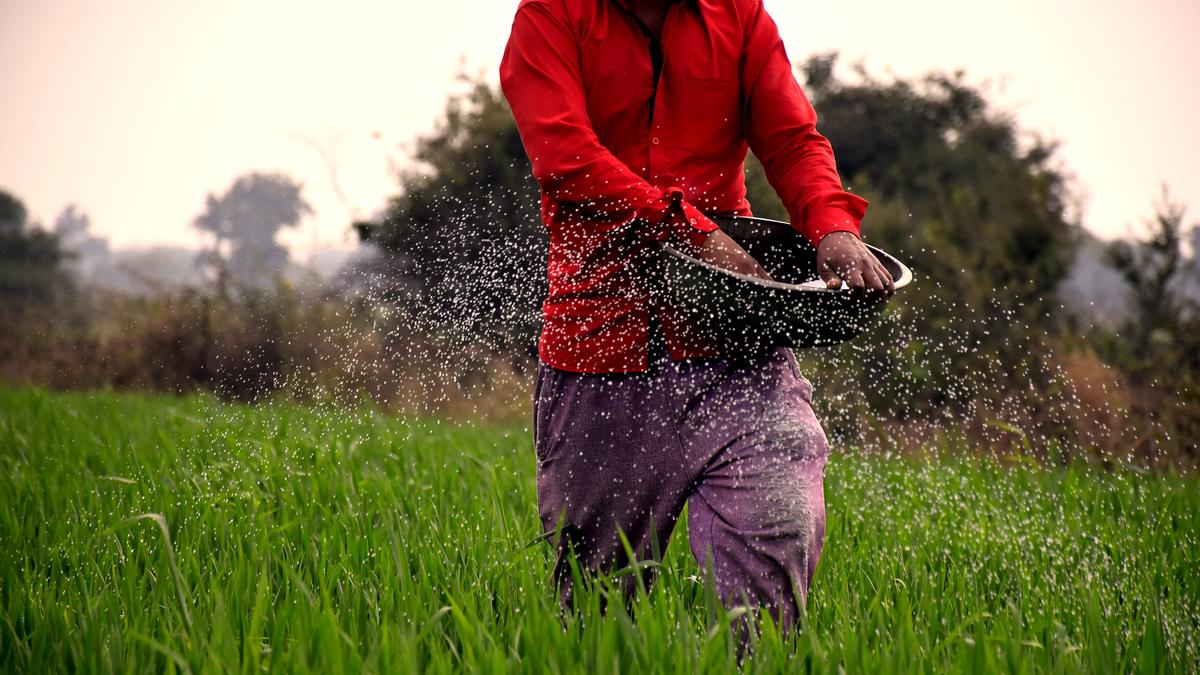
Dr. Dhingra detailed the evolution of mechanisation:
- Field Crops Dominance: Mechanisation of field crops like wheat, rice, and maize has been largely successful, with farmers increasingly relying on advanced precision equipment. This includes GPS-guided tractors for accurate seeding and tillage, combine harvesters that minimise post-harvest losses, and automated irrigation systems that conserve water. For instance, modern seed drills can precisely plant seeds at optimal depths and spacing, reducing seed wastage and ensuring uniform germination, thereby maximizing yield potential.
- Horticulture Challenges: Despite the overall progress, Dr. Dhingra acknowledged a persistent challenge: "mechanisation of harvesting horticulture crops continued to pose a challenge." The inherent variability in size, shape, and delicacy of fruits, vegetables, and flowers makes automated harvesting complex. However, he noted that research is actively progressing in areas like robotic fruit pickers equipped with AI vision systems that can identify ripeness and gently pluck produce, though widespread commercial deployment is still some years away.
- The Rise of Drones: A key highlight was the expanding role of drone technology. "Drones are being actively used for crop management and spraying of pesticides," Dr. Dhingra affirmed. These UAVs offer unparalleled aerial perspectives, enabling farmers to monitor vast fields for crop health, identify pest infestations or disease outbreaks early, and apply pesticides or fertilisers with pinpoint accuracy. This targeted application not only reduces chemical usage, lowering costs and environmental impact, but also improves efficacy. Beyond spraying, drones are also being used for soil analysis, irrigation planning, and even for scaring away birds from fields, showcasing their versatile utility.
- Revolution in Crop Storage: Dr. Dhingra also touched upon the "tremendous changes" in crop storage mechanisms. Modern solutions include climate-controlled warehouses, hermetic storage bags, and advanced silo systems equipped with IoT sensors that monitor temperature, humidity, and pest levels in real-time. These innovations are crucial in mitigating post-harvest losses, which traditionally accounted for a significant portion of agricultural output, ensuring that more produce reaches markets and consumers.
Poorna Pushkala on Decentralised Energy and Agri-Tech Innovations:
Poorna Pushkala, CEO of Samunnati Foundation, emphasised the holistic nature of the agri-tech revolution, extending beyond just farm machinery. She highlighted how the sector has been "bolstered by multiple decentralised energy systems and various ad-tech innovations."
- Decentralised Energy: This refers to localised power generation solutions, such as solar-powered irrigation pumps, biomass gasifiers, and micro-grids that serve rural farming communities. These systems reduce reliance on often unreliable grid electricity or expensive diesel generators, lowering operational costs for farmers and promoting environmental sustainability. For example, a farmer in a remote village can now power their irrigation system efficiently using solar energy, ensuring water availability for crops even without a stable grid connection.
- Agri-tech Innovations (Ad-tech): Pushkala pointed to the proliferation of highly customised solutions. "We have highly customised solutions available for climatic and geographical conditions now." These include mobile applications providing hyper-local weather forecasts, soil health monitoring kits linked to smartphone apps for instant nutrient analysis, and AI-driven platforms that recommend optimal crop choices and planting schedules based on specific regional data. She specifically lauded the role of nascent talent: "Several post-harvest technologies are also available in the market created by students or professionals with less than five years of experience." This signifies a vibrant ecosystem where young innovators are developing practical, market-ready solutions like portable processing units for fruits and vegetables, smart packaging solutions to extend shelf life, and digital platforms connecting farmers directly to buyers, bypassing intermediaries. Her message was clear: "Anybody with a passion to solve problems innovatively would have a space in agriculture."
Leenus Jesu Martin M. on the Multidisciplinary Nature of Modern Agriculture:
Leenus Jesu Martin M., Dean, Faculty of Engineering and Technology, SRMIST, articulated the paradigm shift in agriculture’s academic standing. He noted that agriculture, "initially a stand-alone discipline, was now a multi-disciplinary field with mechanical, automation, and computing engineers all playing a big role in the mechanisation process."
- Engineers as Agri-Innovators: Mechanical engineers design and refine farm machinery, from tractors to sophisticated robotic harvesters. Automation engineers develop systems for autonomous farm operations, automated irrigation, and controlled environment agriculture. Computing engineers are at the forefront of data analytics, developing AI/ML algorithms for predictive farming and creating software platforms for farm management.
- AI, ML, and IoT: The Pillars of Smart Agriculture: Dean Martin underscored the foundational role of cutting-edge technologies. "Artificial Intelligence and Machine Learning formed the basis of smart agriculture and the Internet of Things played a role in connecting various farm jobs." AI-driven systems can analyse vast datasets – weather patterns, soil conditions, crop images – to predict yields, identify disease outbreaks before they become widespread, and optimise resource allocation. Machine Learning algorithms continuously learn from this data, refining predictions and recommendations over time. IoT, through networks of interconnected sensors and devices, allows for real-time monitoring of everything from soil moisture and nutrient levels to livestock health and storage conditions. This network facilitates remote control and automation, enabling farmers to manage complex operations from anywhere, enhancing efficiency and responsiveness.
Jawaharlal M. on Broadening Horizons and Value Creation:
Jawaharlal M., Dean, SRM College of Agriculture Sciences, expanded on the widespread applicability of technology, asserting that "almost all branches of engineering and technology could be linked to agriculture." He further elaborated on the economic and social benefits:
- Collective Farming Benefits: He pointed out that "collective and cooperative farming systems benefit workers" by allowing them to pool resources, share expensive machinery, and collectively bargain for better prices for inputs and outputs. This model, when integrated with technology, can empower small and marginal farmers, enhancing their economic viability and reducing individual risk.
- High-Value, Low-Volume Production: Dean Jawaharlal highlighted how technology enables the production of "high-value crops in low volume." This refers to advanced farming techniques like vertical farming, hydroponics, and aeroponics, where crops are grown in controlled environments using minimal land and water. Technology, including precise nutrient delivery systems, LED lighting, and environmental controls, makes these intensive, high-yield, high-quality systems feasible, particularly for urban areas or regions with scarce arable land. This allows for the cultivation of premium produce with consistent quality, fetching higher market prices.
The webinar, expertly moderated by A.M. Jigeesh, Senior Deputy Editor of The Hindu, provided a comprehensive overview, underscoring the dynamic interplay between technology, innovation, and agricultural progress. The full discussion remains accessible for those keen to delve deeper into these transformative insights.
Official Responses and Institutional Support: Nurturing the Agri-Tech Ecosystem
The insights shared by the experts are not isolated observations but reflect a broader institutional commitment to fostering agricultural innovation. Organisations like ICAR, universities such as SRMIST, and foundations like Samunnati play crucial roles in this ecosystem.
ICAR’s Mandate: As India’s apex body for coordinating, guiding, and managing research and education in agriculture, ICAR is at the forefront of developing and disseminating agricultural technologies. Dr. Dhingra’s contributions exemplify ICAR’s ongoing efforts in mechanisation, precision agriculture, and post-harvest technology. Their research initiatives are vital for developing context-specific solutions for Indian farmers, ranging from improved crop varieties to advanced farm machinery and sustainable farming practices. ICAR’s network of research institutes and Krishi Vigyan Kendras (KVKs) acts as a bridge between scientific discoveries and on-field implementation, ensuring that technological advancements reach the grassroots level.
Academic Institutions as Incubators: SRMIST, through its Faculty of Engineering and Technology and SRM College of Agriculture Sciences, is emblematic of how academic institutions are adapting to the demands of the new agricultural era. By integrating agriculture with engineering disciplines, they are not only producing graduates equipped with multidisciplinary skills but also serving as hubs for research and innovation. Dean Martin’s emphasis on AI, ML, and IoT reflects a curriculum that prepares students for roles in smart agriculture. Dean Jawaharlal’s vision of linking all engineering branches to agriculture highlights a holistic educational approach, fostering future innovators who can tackle complex agricultural challenges. These institutions are also increasingly engaging in technology transfer, collaborating with industry, and nurturing start-ups in the agri-tech space.
Foundations Bridging Gaps: Samunnati Foundation, as represented by Poorna Pushkala, illustrates the vital role of non-profit organisations in catalysing agri-tech adoption. By focusing on decentralised energy systems and supporting young innovators, Samunnati addresses critical gaps in infrastructure and entrepreneurial support, particularly for small and marginal farmers. Such foundations often work to create market linkages, provide financial literacy, and facilitate access to technology for underserved communities, ensuring that the benefits of the Agri-Tech Revolution are inclusive and equitable. Their focus on customised, context-specific solutions is crucial for addressing the diverse needs of India’s vast agricultural landscape.

These collective efforts from government bodies, academic institutions, and non-profit organisations form a robust support structure that is essential for the continued growth and success of the agri-tech sector in India.
Implications: Shaping the Future of Food, Economy, and Society
The "Agriculture Technology Revolution" carries profound implications across economic, environmental, and social dimensions, promising a transformative impact on India’s future.
Economic Implications:
- Enhanced Farmer Income: Increased yields, reduced input costs (through precision farming), and better market access (via digital platforms) directly translate to higher incomes for farmers, improving their livelihoods and reducing rural poverty. The ability to produce high-value crops in controlled environments also opens up lucrative niche markets.
- Boost to Rural Economy: A prosperous agricultural sector stimulates allied industries, creating jobs in manufacturing farm equipment, developing software, providing maintenance services, and processing agricultural produce. This diversification strengthens the overall rural economy.
- Food Security and Exports: Surplus production, driven by technology, ensures national food security, making India more resilient to supply chain disruptions. Furthermore, enhanced quality and consistent supply boost India’s agricultural export potential, contributing significantly to foreign exchange earnings.
- Investment and Entrepreneurship: The burgeoning agri-tech sector attracts significant investment, fostering a vibrant ecosystem for start-ups and entrepreneurs. This influx of capital and innovation creates new business models and services, further accelerating technological adoption.
Environmental Implications:
- Sustainable Resource Management: Precision irrigation systems, guided by IoT sensors, drastically reduce water wastage. Targeted application of fertilisers and pesticides through drones minimises chemical runoff, protecting soil health and water bodies. This leads to more sustainable use of natural resources.
- Reduced Carbon Footprint: Efficient machinery, optimised logistics, and decentralised renewable energy systems contribute to lowering agriculture’s carbon footprint. For instance, solar-powered pumps reduce reliance on fossil fuels, and efficient storage reduces food waste, a major source of greenhouse gas emissions.
- Biodiversity Conservation: Smart farming techniques can help preserve biodiversity by reducing habitat destruction, promoting sustainable land use, and encouraging the cultivation of diverse crop varieties suitable for specific micro-climates.
- Climate Change Resilience: AI-driven predictive analytics and weather forecasting tools empower farmers to adapt to changing climatic conditions, choose resilient crop varieties, and implement timely interventions, thereby building climate change resilience in the agricultural sector.
Social Implications:
- Attracting Youth to Agriculture: The integration of technology makes agriculture a more appealing and intellectually stimulating career choice for younger generations, combating the trend of rural-to-urban migration. Roles in data science, robotics, and agri-tech entrepreneurship are modernising the image of farming.
- Skill Development and Employment: The shift towards tech-driven agriculture necessitates new skills, leading to demand for training programs in operating advanced machinery, data analysis, and software management. This creates new employment opportunities and upskills the existing workforce.
- Improved Working Conditions: Mechanisation reduces the physical drudgery associated with farming, making it less arduous and safer for workers. Automated systems can handle repetitive or hazardous tasks, improving overall working conditions.
- Bridging the Digital Divide: While challenges remain, the push for agri-tech also drives infrastructure development in rural areas, particularly internet connectivity, which can bridge the digital divide and provide rural communities with access to information, education, and services.
- Empowerment of Small Farmers: Collective farming models, coupled with accessible technology and digital platforms, empower small and marginal farmers by providing them with economies of scale, better market access, and shared knowledge, reducing their vulnerability and increasing their bargaining power.
Conclusion: A Fertile Ground for Future Growth
The "Agriculture Technology Revolution" is not merely an incremental improvement; it is a fundamental paradigm shift that promises to redefine India’s agricultural landscape. As articulated by the experts at the SRMIST-The Hindu webinar, the confluence of mechanisation, precision agriculture, digital innovation, and multidisciplinary collaboration is paving the way for a future where agriculture is not only more productive and profitable but also more sustainable and resilient.
The journey ahead will undoubtedly present its own set of challenges, including ensuring equitable access to technology, overcoming digital literacy barriers in remote areas, and securing necessary infrastructure and policy support. However, with the robust framework of institutional backing, a vibrant ecosystem of innovators, and a clear vision for integrating technology into every aspect of farming, India stands on the cusp of a new era of agricultural prosperity. This revolution is not just about growing more food; it’s about cultivating a future that is economically robust, environmentally sound, and socially inclusive for all. The seeds of this transformation have been sown, and the harvest promises to be bountiful, offering diverse and rewarding career pathways for generations to come.
