

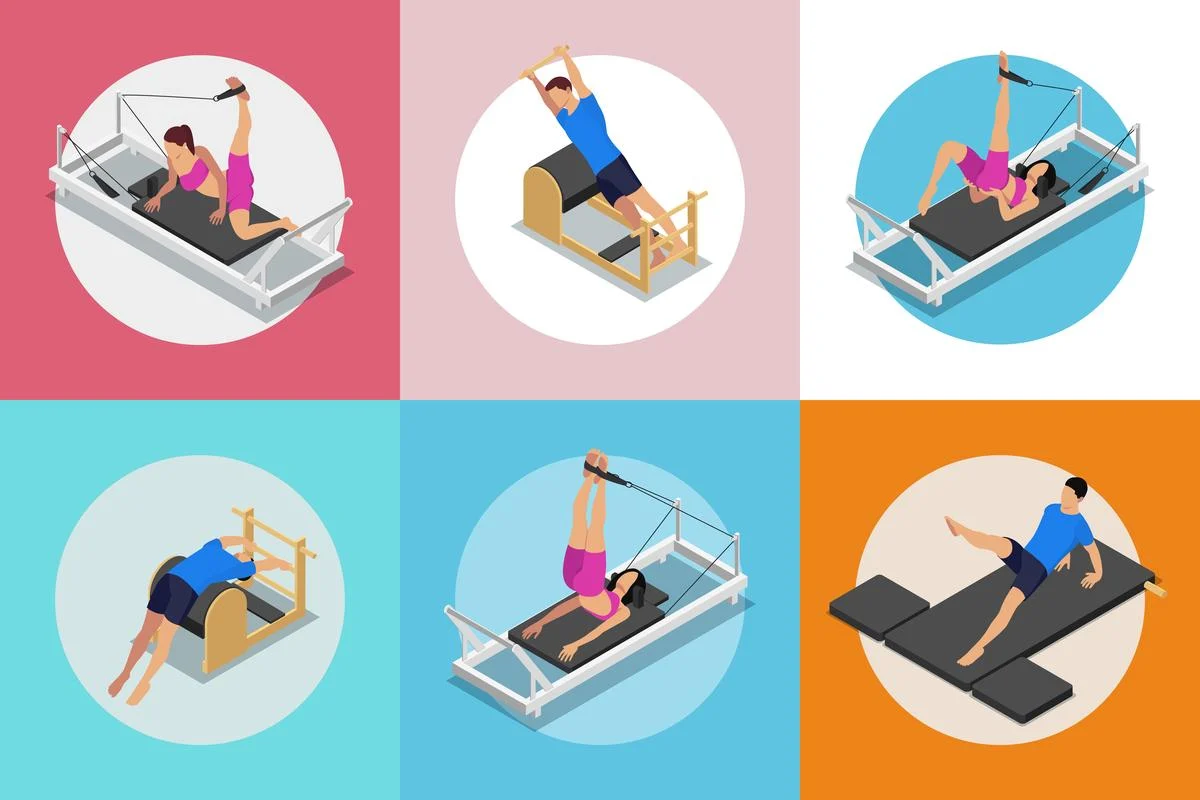
In an era increasingly defined by a pursuit of holistic health, the exercise method known as Pilates has transcended its 20th-century origins to become a globally recognized and celebrated approach to physical and mental well-being. Developed by the enigmatic Joseph Pilates, this discipline is far more than a mere trend; it is a sophisticated system designed to cultivate core strength, enhance body awareness, and foster mental focus, offering a powerful antidote to the sedentary lifestyles and stresses of modern living.
The Genesis of Contrology: Joseph Pilates’ Vision
The story of Pilates begins in the early 1900s with Joseph Pilates, a German physical trainer who, driven by his own childhood frailties, embarked on a lifelong quest to understand and enhance human movement. Drawing inspiration from a diverse range of disciplines including gymnastics, boxing, yoga, and Zen meditation, Pilates developed a unique system he initially termed "Contrology." His core philosophy revolved around the principle that the body’s power originates from its center – the "powerhouse" – encompassing the abdominal muscles, lower back, hips, and buttocks.
Pilates’ journey led him to the United States in 1926, where he established his first studio in New York City, strategically located near the New York City Ballet. This proximity allowed him to work with dancers and athletes, refining his methods and demonstrating the profound impact of Contrology on physical rehabilitation, injury prevention, and peak performance. He was meticulously precise in his approach, believing that adherence to his specific exercises and their prescribed order was crucial for achieving the full benefits of his system. Modifications were permitted only if the practitioner explicitly acknowledged that the altered practice was no longer "Contrology."
Evolution of a Discipline: From Contrology to Contemporary Pilates
Over the decades, Pilates has evolved, branching into distinct, yet interconnected, schools of practice.
Contrology: The Original Blueprint
The foundational method, Contrology, is characterized by a precisely curated sequence of exercises, many of which utilize specialized apparatuses designed to provide adjustable resistance. Joseph Pilates was adamant about the integrity of his original system, emphasizing a controlled and deliberate execution of each movement. This adherence to the original teachings forms the bedrock of classical Pilates.
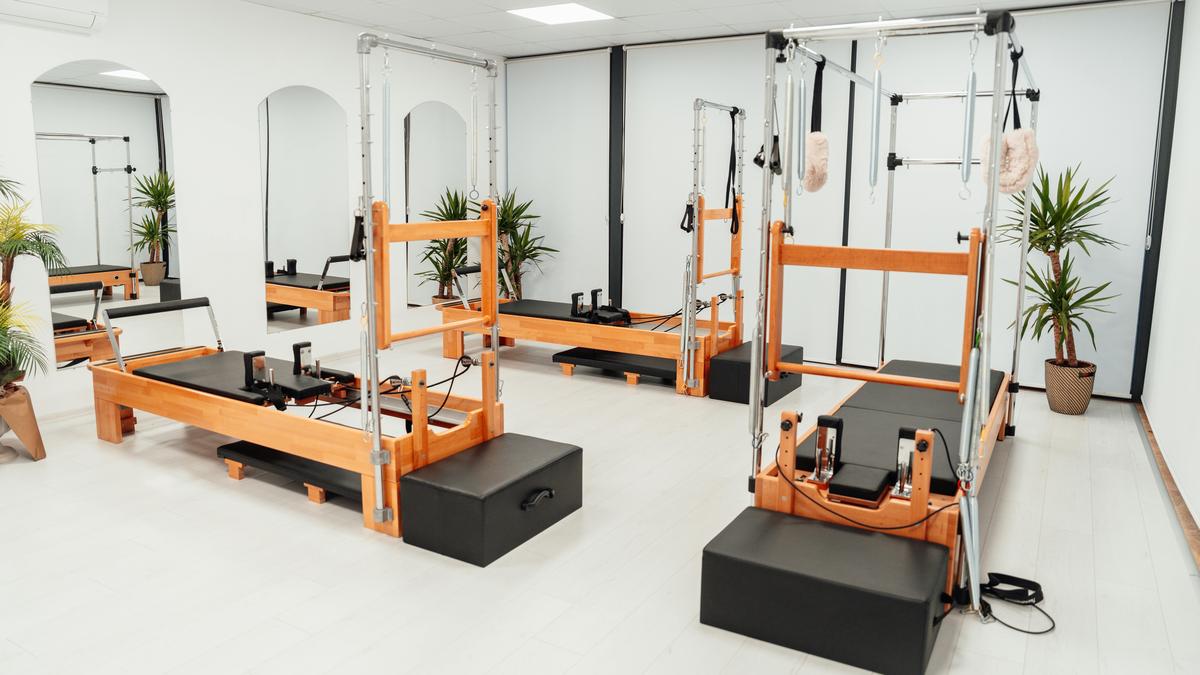
Classical Pilates: Preserving the Legacy
Classical Pilates represents a direct continuation of Joseph Pilates’ original teachings, with minor adaptations made by his immediate disciples. These practitioners, who trained directly under Pilates himself, understood the subtle nuances and intended progression of the exercises. While often considered interchangeable with Contrology, Classical Pilates sometimes incorporates additional exercises that were developed or introduced by these early proponents, further enriching the repertoire. The emphasis remains on precision, flow, and a deep understanding of the body’s mechanics.
Contemporary Pilates: Modern Adaptations for a Evolving World
In contrast, Contemporary Pilates embraces a more modernized and adaptable approach. It incorporates a wider range of modifications, utilizes an expanded array of equipment, and allows for greater flexibility in exercise sequencing. This evolution has made Pilates accessible to a broader demographic and has facilitated its integration with other fitness modalities. Contemporary Pilates often draws upon advancements in biomechanics and exercise science, tailoring exercises to address specific individual needs and goals.
The Diversification of Pilates: Blending Disciplines for Enhanced Results
The inherent adaptability of Pilates has led to its successful fusion with other popular fitness disciplines, creating innovative hybrid workouts that cater to a wider range of preferences and objectives.
- Yogilates: This popular combination merges the mindfulness and flexibility of yoga with the core-strengthening principles of Pilates, offering a balanced approach to physical and mental rejuvenation.
- Cardiopilates: Integrating cardiovascular conditioning with Pilates movements, Cardiopilates aims to enhance endurance and calorie expenditure while maintaining the core benefits of the original discipline.
- Piloxing: A dynamic fusion of Pilates, boxing, and dance, Piloxing delivers a high-energy workout that builds strength, improves agility, and promotes cardiovascular health.
- Aquapilates: Performing Pilates exercises in a water environment offers a low-impact, high-resistance option that is particularly beneficial for individuals with joint issues or those seeking a gentle yet effective workout. The buoyancy of the water supports the body, while the resistance of the water challenges the muscles.
- Aeropilates: This form of Pilates incorporates trampolines and resistance cords to enhance the workout while providing a supportive and joint-friendly experience. It is designed to protect the knees, ankles, and other joints, making it an accessible option for a wider range of individuals.
The Scientific Validation of Pilates: Beyond the Trend
The recent surge in Pilates’ popularity is not merely a fleeting fad; it is underpinned by a growing body of scientific evidence that validates its efficacy as a comprehensive exercise method. Studies published in reputable journals such as the Journal of Orthopaedic & Sports Physical Therapy and by the American Council on Exercise have consistently highlighted Pilates’ significant benefits.
Key Scientific Findings and Benefits:

- Enhanced Spinal Stability and Posture: Pilates exercises systematically strengthen the deep stabilizing muscles of the spine, leading to improved posture, reduced back pain, and a lower risk of injury. The focus on controlled movements and precise alignment addresses the root causes of many postural issues.
- Core Strength Development: The "powerhouse" principle is central to Pilates, and consistent practice leads to remarkable improvements in core strength and endurance. A strong core is essential for overall physical function, injury prevention, and athletic performance.
- Improved Balance and Flexibility: Pilates cultivates proprioception – the body’s awareness of its position in space – leading to enhanced balance and coordination. The controlled stretching and lengthening movements also contribute to increased flexibility and range of motion.
- Body Awareness and Mind-Body Connection: Pilates demands a high level of concentration and mindful engagement with each movement. This fosters a profound mind-body connection, allowing individuals to better understand their physical capabilities and limitations.
- Reduced Chronic Pain: Many studies indicate that Pilates can be highly effective in alleviating chronic pain, particularly in the lower back and neck. By strengthening supporting muscles and improving alignment, it reduces strain on painful areas.
- Mental Health Benefits: The combination of controlled movement, focused breathing, and mindfulness inherent in Pilates has been shown to reduce anxiety and promote mental well-being. It offers a form of "movement meditation" that can calm the nervous system and improve mood.
- Bone Density Maintenance: While not a high-impact weight-bearing exercise, the controlled resistance and muscle engagement in Pilates can contribute to maintaining bone density, potentially playing a role in preventing osteoporosis.
The "Pilates Effect": Why It’s More Than Just Exercise
The enduring appeal of Pilates lies in its holistic approach to health and wellness. It transcends the conventional understanding of exercise as solely a means to build muscle or burn calories. Instead, Pilates cultivates a deeper relationship with one’s body, fostering resilience, promoting longevity, and enhancing overall quality of life.
The rise of social media has undoubtedly played a role in amplifying Pilates’ visibility, creating a "FOMO" (Fear Of Missing Out) effect that encourages engagement. However, the sustained interest in Pilates speaks to its genuine effectiveness and the tangible results it delivers. It is a practice that empowers individuals to take an active role in their health, offering a sustainable and rewarding path to physical and mental vitality.
In a world saturated with fleeting fitness trends, Pilates stands as a testament to the timeless principles of mindful movement and balanced development. It is an invitation to not just move the body, but to understand it, to strengthen it from its core, and to connect with it on a deeper, more profound level. For those seeking an exercise method that offers both immediate benefits and long-term well-being, Pilates continues to be a compelling and scientifically validated choice.
