

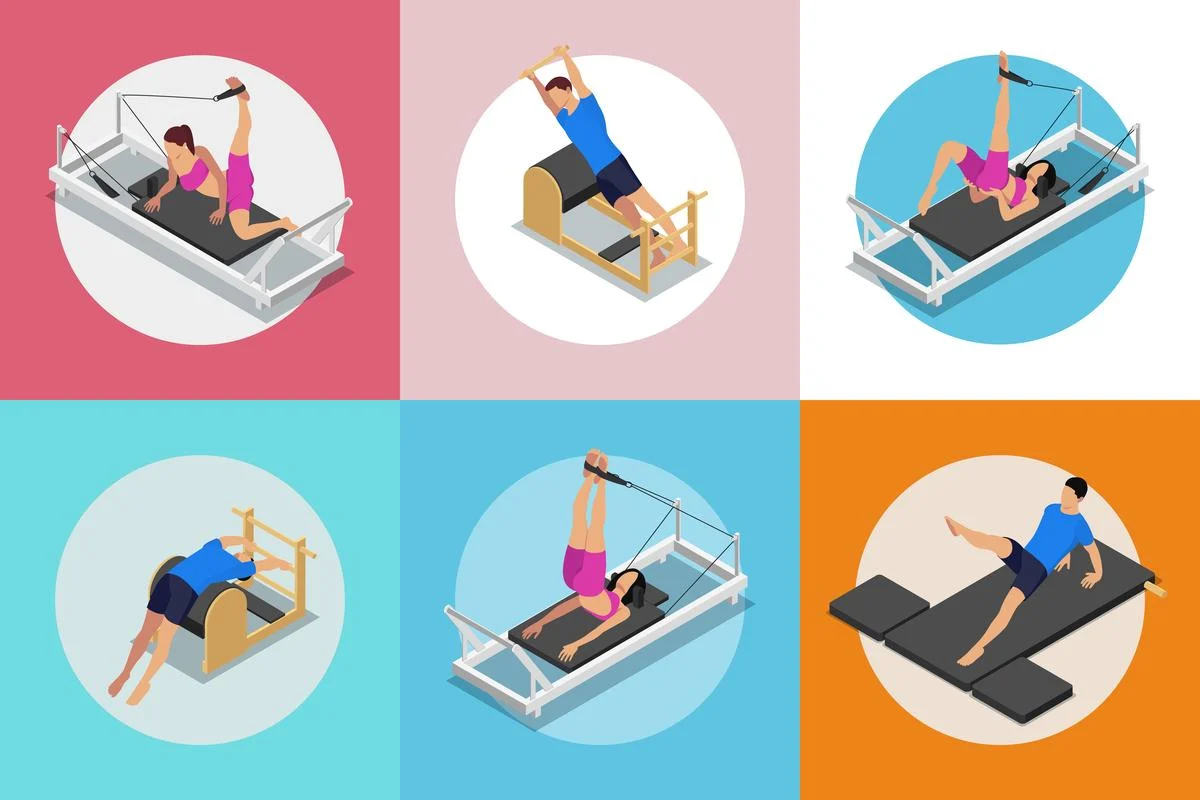
The enduring popularity of Pilates is not merely a fleeting trend, but a testament to its profound and scientifically validated benefits for physical and mental well-being. Developed in the early 20th century by Joseph Pilates, this holistic exercise method continues to captivate practitioners worldwide, offering a unique approach to strength, flexibility, and mindful movement.
The Genesis of a Movement: Joseph Pilates and the Birth of "Contrology"
At its core, Pilates is a mind-body exercise system conceived in the early 1900s by Joseph Pilates, a German physical trainer. His innovative approach, originally termed "Contrology," was a fusion of his deep understanding of anatomy and biomechanics with influences drawn from gymnastics, boxing, yoga, and Zen meditation. Pilates’ vision was not simply to build muscular strength or enhance flexibility in isolation. Instead, he aimed to cultivate a robust and resilient core, foster profound body awareness, and cultivate mental focus – essential pillars for overall health and vitality.
The method was initially developed to rehabilitate soldiers returning from World War I. Pilates devised specialized equipment, including the iconic Reformer (a spring-loaded carriage offering adjustable resistance) and the Cadillac (a versatile frame equipped with bars and straps), to facilitate a controlled and precise execution of his exercises. These apparatuses, alongside mat-based routines, provided a framework for a comprehensive full-body workout designed to improve breathing patterns, enhance muscle control, and promote optimal spinal alignment.
In 1926, Joseph Pilates brought his revolutionary system to New York City, establishing a studio in close proximity to the New York City Ballet. This strategic location allowed him to work with dancers and athletes, further refining his techniques and solidifying the method’s reputation for efficacy in improving performance and preventing injury. The term "Contrology" underscored the fundamental principle of Pilates: the mind’s conscious control over the muscles, working in harmony to achieve precise and efficient movement.
The Evolution of Pilates: From "Contrology" to Contemporary Variations
Over the decades, Pilates has evolved, branching into distinct yet interconnected lineages that cater to a wider range of preferences and needs. Understanding these variations is key to appreciating the adaptability and enduring relevance of the original method.
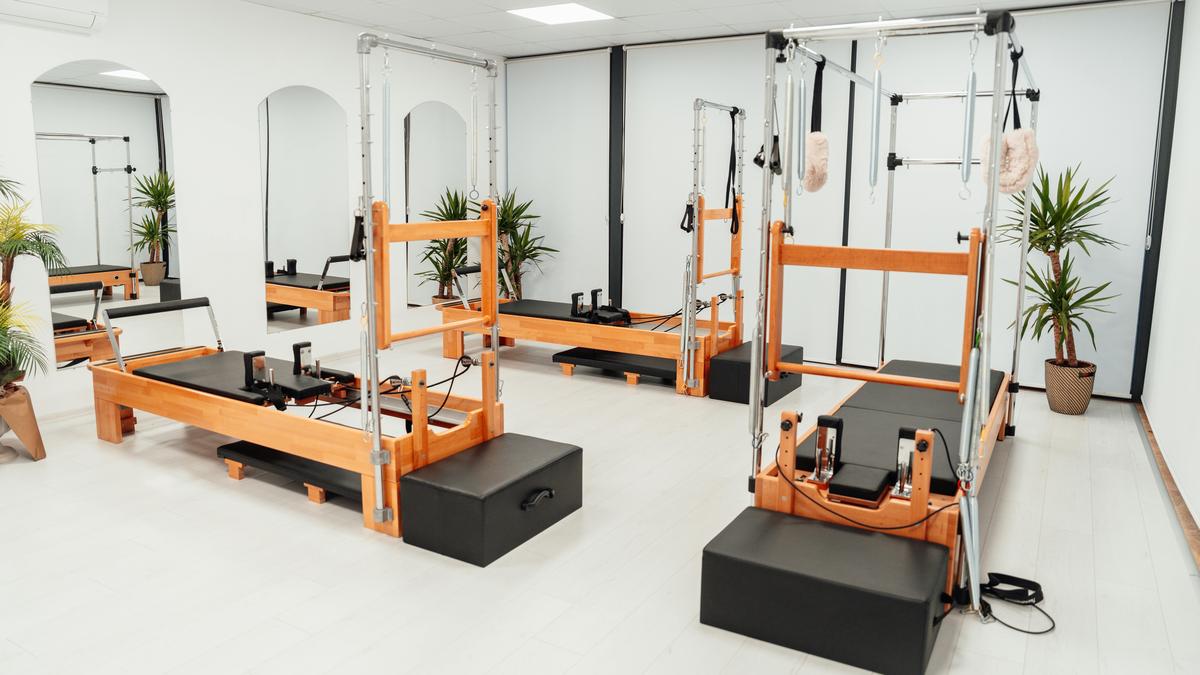
Contrology: The Purest Form
Contrology, as conceived by Joseph Pilates, represents the foundational principles of his system. It is characterized by a meticulously designed sequence of exercises, many of which necessitate the use of his specialized apparatuses. Joseph Pilates was a staunch advocate for adherence to his original methods, discouraging modifications unless explicitly stated that the practice was deviating from "Contrology." This purist approach emphasizes precision, control, and a deep understanding of the body’s mechanics.
Classical Pilates: Honoring the Legacy
Classical Pilates emerged as a direct continuation of Contrology, with minor adaptations introduced by Joseph Pilates’ direct disciples. These esteemed teachers, who trained under him, recognized the subtle differences in their adaptations while remaining deeply rooted in the original philosophy. Classical Pilates is often considered an extension of Contrology, sometimes incorporating additional exercises that were developed or expanded upon by these early proponents. The emphasis remains on meticulous form, precise execution, and the systematic progression of exercises as intended by the master.
Contemporary Pilates: Modern Adaptations for a Modern World
In contrast, Contemporary Pilates represents a more modern and adaptive interpretation of the Classical method. This approach embraces modifications, incorporates a wider array of specialized equipment, and allows for greater flexibility in exercise sequencing. Contemporary Pilates draws upon updated biomechanical research and an understanding of contemporary fitness trends, making it accessible to a broader audience and integrating seamlessly with other forms of exercise.
The adaptability of Pilates is further highlighted by its integration with other disciplines. This has given rise to innovative hybrids such as:
- Yogilates: A fusion of Pilates and yoga, blending the mindful movement and flexibility of yoga with the core-strengthening and precision of Pilates.
- Cardiopilates: Incorporating cardiovascular elements into a Pilates routine to enhance endurance and calorie expenditure.
- Piloxing: A dynamic blend of Pilates, boxing, and dance, designed to provide a high-energy, full-body workout.
- Aquapilates: Practicing Pilates exercises in water, which provides buoyancy and resistance, reducing joint impact and offering a unique sensory experience.
- Aeropilates: Utilizing equipment like trampolines and resistance cords to enhance Pilates movements, providing a low-impact yet challenging workout that protects joints like knees and ankles.
The Scientific Validation and Widespread Appeal of Pilates
In recent years, Pilates has transcended its status as a niche fitness trend to become a mainstream wellness practice. This surge in popularity is driven by a confluence of factors, including increased health consciousness among younger generations and the pervasive influence of social media, which often amplifies the appeal of trending wellness activities. However, beyond the hype, scientific research consistently validates the efficacy of Pilates as a robust and beneficial exercise method.

Studies published in reputable journals such as the Journal of Orthopaedic & Sports Physical Therapy and by the American Council on Exercise have provided compelling evidence for Pilates’ positive impact on:
- Spinal Stability and Posture: Pilates exercises are meticulously designed to strengthen the deep stabilizing muscles of the core, leading to improved spinal alignment and a significant reduction in the risk of back and neck pain. The focus on proper posture helps to counteract the detrimental effects of prolonged sitting and sedentary lifestyles.
- Core Strength and Muscular Control: The cornerstone of Pilates lies in its emphasis on the "powerhouse" – the deep abdominal muscles, back muscles, and pelvic floor. By strengthening this central core, practitioners develop superior muscular control, which translates to improved overall body function and a reduced risk of injury in everyday activities and other sports.
- Flexibility and Range of Motion: While not solely focused on stretching, Pilates systematically elongates and strengthens muscles, leading to increased flexibility and a greater range of motion in the joints. This can alleviate stiffness and improve athletic performance.
- Balance and Proprioception: Many Pilates exercises challenge the body’s balance and proprioception (the body’s ability to sense its position in space). This enhanced awareness contributes to improved coordination and a reduced risk of falls, particularly as individuals age.
- Mental Health and Stress Reduction: The mindful and deliberate nature of Pilates practice fosters a meditative state, promoting stress reduction and anxiety relief. The connection between mind and body cultivated through Pilates can lead to a greater sense of calm and well-being.
- Bone Density and Osteoporosis Prevention: While not a weight-bearing exercise in the traditional sense, the controlled movements and muscle engagement in Pilates can contribute to maintaining bone density. Studies suggest it can play a role in preventing conditions like osteoporosis, where bones become brittle and fragile.
The scientific backing for Pilates’ benefits provides a strong foundation for its widespread adoption. It offers a holistic approach to health and wellness that addresses physical conditioning, injury prevention, and mental resilience, making it an attractive alternative for individuals seeking a comprehensive and effective fitness regimen.
The Enduring Implications of Pilates for Health and Well-being
The sustained and growing interest in Pilates signifies a broader cultural shift towards a more integrated approach to health. In an era where quick fixes and extreme workouts often dominate headlines, Pilates offers a refreshing counterpoint: a method that prioritizes mindful movement, sustainable progress, and long-term well-being.
The implications of Pilates extend beyond the individual practitioner. As awareness of its benefits grows, we are likely to see:
- Increased integration into rehabilitation programs: Its effectiveness in injury recovery and prevention makes it a valuable tool for physical therapists and sports medicine professionals.
- Greater adoption in corporate wellness initiatives: The stress-reducing and posture-improving benefits of Pilates can contribute to a healthier and more productive workforce.
- Continued innovation in fitness: The adaptability of Pilates suggests it will continue to evolve, merging with emerging fitness trends and technologies to offer even more diverse and engaging experiences.
- A redefinition of "fitness": Pilates challenges the traditional notion of fitness as solely about brute strength or cardiovascular endurance, highlighting the crucial role of core strength, body awareness, and mental focus in overall health.
In conclusion, Pilates is far more than just an exercise trend; it is a testament to the enduring power of intelligent, mindful movement. Developed over a century ago by a visionary innovator, its principles remain remarkably relevant, offering a scientifically validated path to a stronger, more balanced, and more resilient self. As individuals continue to seek holistic approaches to health, the legacy of Joseph Pilates and the profound benefits of his method are poised to shape the landscape of wellness for generations to come.
