

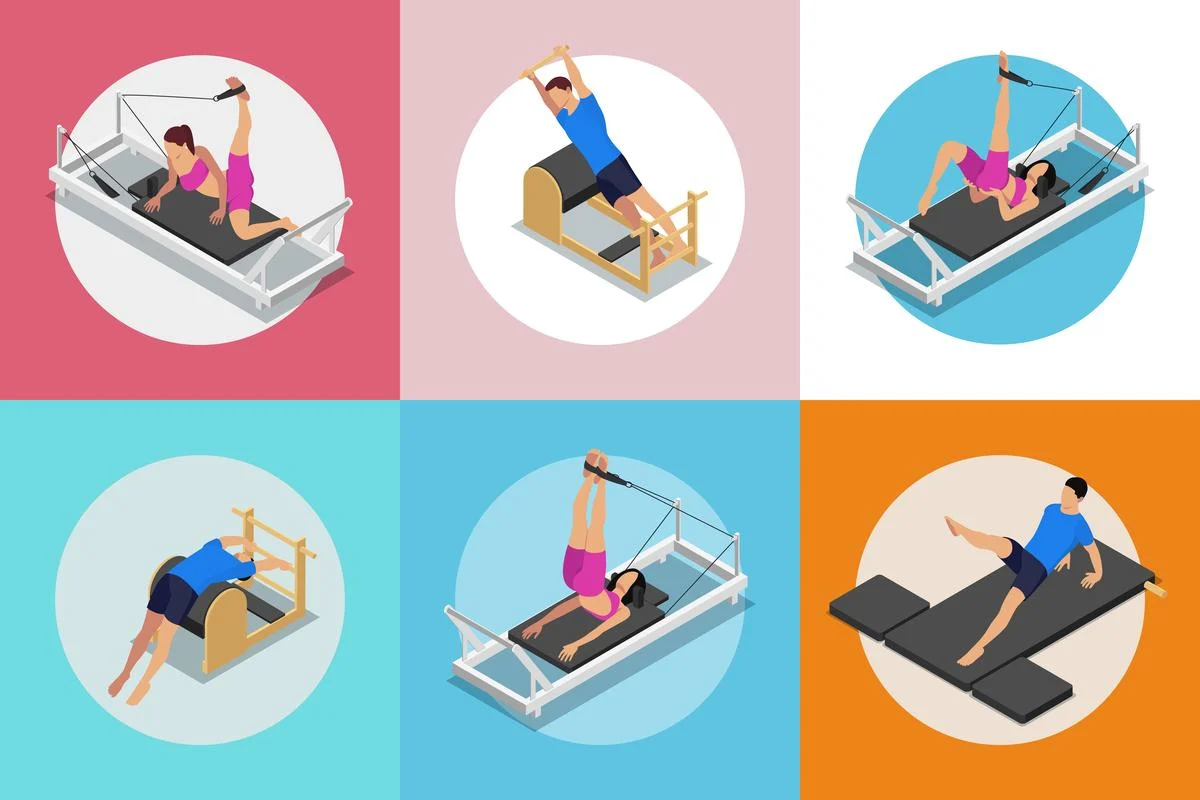
April 25, 2026 – In an era increasingly defined by a holistic approach to health and fitness, Pilates has emerged not merely as a fleeting trend, but as a deeply ingrained discipline offering profound benefits for both mind and body. Developed in the early 20th century by the visionary Joseph Pilates, this unique exercise method transcends conventional notions of strength training and flexibility, focusing instead on cultivating core strength, enhancing body awareness, and fostering mental focus. While often associated with mat-based exercises, the Pilates repertoire also embraces specialized apparatus like reformers and cadillacs, which leverage spring-loaded resistance to amplify and refine movements.
The enduring popularity of Pilates is a testament to its comprehensive nature. It is a full-body workout that meticulously refines breathing patterns and cultivates precise muscle control, making it a compelling alternative to more conventional fitness routines. A growing body of scientific research, notably from prestigious publications like the Journal of Orthopaedic & Sports Physical Therapy and the American Council on Exercise, consistently underscores Pilates’ efficacy in improving spinal stability and posture, while simultaneously minimizing the risk of injury. This evidence-based validation has cemented Pilates’ status as a cornerstone of modern wellness practices.
The Genesis of Contrology: A Visionary’s Legacy
The story of Pilates begins with its creator, Joseph Pilates, a German physical trainer who, in the early 1900s, conceptualized an exercise system he termed "Contrology." His innovative approach was a rich tapestry woven from influences as diverse as gymnastics, boxing, yoga, and Zen meditation. Pilates believed in the interconnectedness of the body and mind, advocating for controlled, deliberate movements that engaged the entire being.
In 1926, seeking to further disseminate his philosophy, Joseph Pilates relocated to New York City. He established a studio in close proximity to the New York City Ballet, a strategic move that allowed him to introduce his "Contrology" method to dancers and athletes alike. The profound impact of his teachings and the tangible results experienced by his early adherents quickly propelled the practice into burgeoning popularity, a momentum that has continued unabated through the decades.
Evolution of a Discipline: From Contrology to Contemporary Adaptations
The evolution of Pilates can be understood through distinct phases, each building upon the foundational principles laid down by its founder:
Contrology: The Original Blueprint
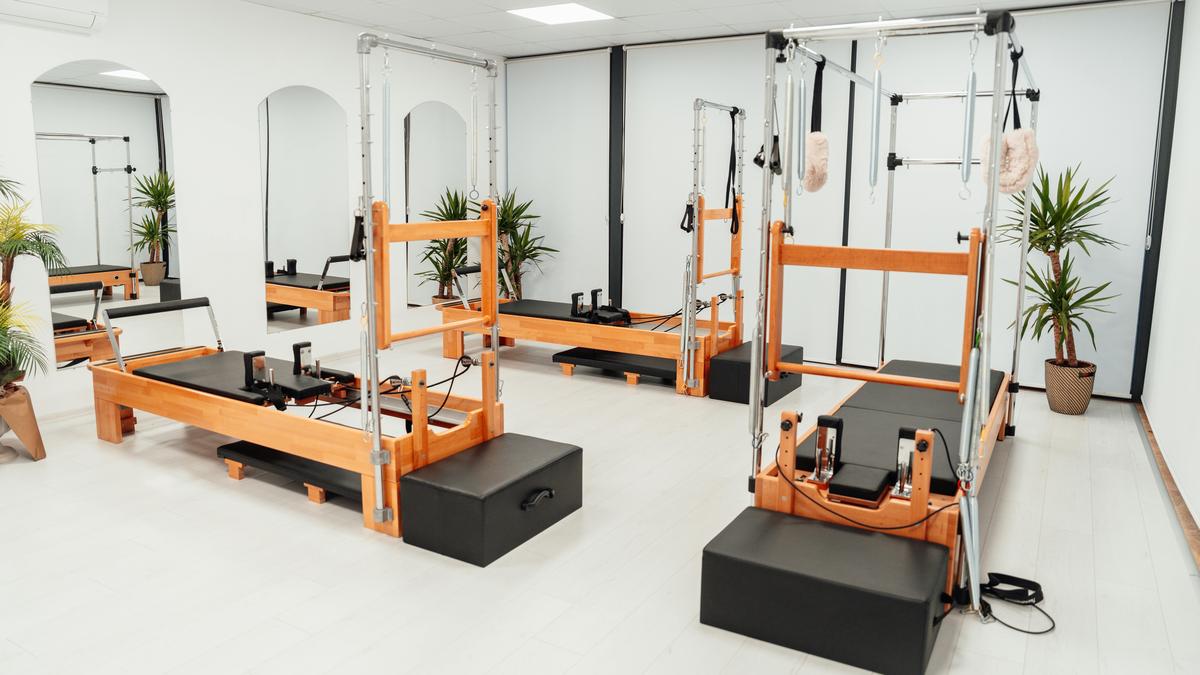
Contrology, as conceived by Joseph Pilates, is a highly structured and precise system. It comprises a specific set of exercises, some of which necessitate the use of apparatuses with unique characteristics designed to provide tailored resistance. Joseph Pilates was famously meticulous about the execution of his method, allowing modifications only if participants explicitly acknowledged that the altered movement deviated from the core principles of Contrology. This adherence to the original methodology ensured that the integrity of the exercises and their intended benefits were preserved.
Classical Pilates: Honoring the Founder’s Intent
Classical Pilates represents a direct lineage from Contrology, with minor adaptations introduced by Joseph Pilates’ direct disciples. These practitioners, deeply immersed in his teachings, recognized and preserved the essence of his original work, differentiating it as Classical Pilates. While often considered an extension of Contrology, Classical Pilates may incorporate a slightly broader range of exercises, reflecting the collective understanding and experience of its early proponents. The emphasis remains on precise execution, flow, and the core principles of breath, control, and alignment.
Contemporary Pilates: Modern Innovations and Adaptability
In contrast, Contemporary Pilates is a more modernized and adaptable interpretation of the Classical method. It embraces a greater degree of modification, incorporates a wider array of equipment, and often dispenses with the strict adherence to a predetermined exercise sequence. This evolution reflects a response to the diverse needs and preferences of a broader modern audience. Contemporary Pilates seamlessly integrates with other fitness modalities, leading to the emergence of hybrid forms such as:
- Yogilates: A fusion of Pilates and yoga, combining the mindful movement and breathwork of yoga with the core-strengthening principles of Pilates.
- Cardiopilates: Integrating cardiovascular elements into Pilates routines to enhance endurance and calorie expenditure.
- Piloxing: A dynamic combination of Pilates, boxing, and dance, designed for a high-energy, full-body workout.
- Aquapilates: Pilates exercises performed in water, offering a low-impact yet challenging workout that utilizes the water’s resistance.
- Aeropilates: Pilates performed on trampolines or with resistance cords, providing a joint-friendly approach that protects knees, ankles, and other vulnerable areas.
This adaptability has been instrumental in Pilates’ widespread appeal, allowing individuals of all fitness levels and with varied physical needs to engage with its transformative benefits.
The Science Behind the Movement: Validated Efficacy
The resurgence of Pilates in recent years is not solely driven by evolving health consciousness or the pervasive influence of social media trends. A robust foundation of scientific evidence underpins its effectiveness as a workout method. Multiple studies have conclusively demonstrated Pilates’ ability to:

- Enhance Core Strength and Stability: The cornerstone of Pilates lies in its focus on strengthening the deep abdominal and back muscles, which form the body’s core. This enhanced core strength is crucial for supporting the spine, improving posture, and preventing injuries.
- Improve Spinal Health and Posture: Research consistently shows that Pilates significantly contributes to better spinal alignment and posture. By strengthening the muscles that support the spine and promoting awareness of postural habits, it helps to alleviate back pain and prevent its recurrence.
- Increase Flexibility and Range of Motion: While not solely a flexibility program, Pilates’ controlled movements and focus on lengthening muscles contribute to improved flexibility and a greater range of motion in the joints.
- Boost Body Awareness and Proprioception: Pilates encourages a profound connection between the mind and body. Through precise movements and focused attention, practitioners develop a heightened sense of their body’s position and movement in space, a concept known as proprioception.
- Promote Mental Well-being: The mindful nature of Pilates, with its emphasis on breath and concentration, acts as a form of movement meditation. Studies indicate that Pilates can effectively reduce anxiety, alleviate stress, and contribute to an overall sense of calm and mental clarity.
- Reduce Chronic Pain: For individuals suffering from chronic pain, particularly in the back and neck, Pilates has proven to be a highly effective therapeutic intervention. By strengthening supporting muscles and improving alignment, it can significantly reduce pain intensity and improve functional capacity.
- Maintain Bone Density and Prevent Osteoporosis: While not a weight-bearing exercise in the traditional sense, the controlled resistance and muscle engagement in Pilates can contribute to maintaining bone density, which is vital for preventing osteoporosis, a condition characterized by brittle and fragile bones.
The Journal of Orthopaedic & Sports Physical Therapy, in particular, has published numerous studies highlighting Pilates’ positive impact on conditions ranging from lower back pain to rehabilitation after injuries. The American Council on Exercise has also championed Pilates, recognizing its low-impact nature and significant potential for injury prevention, making it an accessible option for a wide demographic.
Implications for a Healthier Future
The growing body of scientific validation, coupled with its inherent adaptability and holistic benefits, positions Pilates as a vital component of a sustainable and proactive approach to health and wellness. As healthcare systems increasingly emphasize preventative measures and the management of chronic conditions through lifestyle interventions, Pilates offers a compelling solution.
For individuals seeking an alternative to repetitive or high-impact workouts, Pilates presents a refreshing and profoundly effective path. Its ability to simultaneously enhance physical strength, improve mental acuity, and foster a deeper connection with one’s own body makes it a truly transformative practice. Whether practiced on a mat in a quiet studio or incorporated into a dynamic hybrid class, the principles of Pilates offer a timeless pathway to a more balanced, resilient, and vibrant life. The enduring power of Joseph Pilates’ vision continues to resonate, offering a scientifically validated and deeply rewarding approach to well-being for generations to come.
