The Toyota Innova brand has long been synonymous with reliability, comfort, and a dominant presence on Indian roads. Since its inception, the nameplate has transitioned from a rugged utility vehicle to a sophisticated, premium multi-purpose vehicle (MPV). With the introduction of the Innova Hycross in late 2022, Toyota shifted the paradigm by adopting a monocoque chassis and a strong-hybrid powertrain. Now, as the model approaches its mid-cycle milestone, recent spy shots have confirmed that a facelift is on the horizon.
Slated for a potential launch in late 2025 or early 2026, the Toyota Innova Hycross facelift aims to cement its leadership in a segment that is witnessing unprecedented competition from both traditional MPVs and three-row SUVs. The upcoming iteration is not merely a cosmetic exercise; it represents a strategic move by Toyota to address consumer feedback, enhance technological integration, and potentially introduce greener fuel alternatives.
I. Main Facts: What We Know So Far
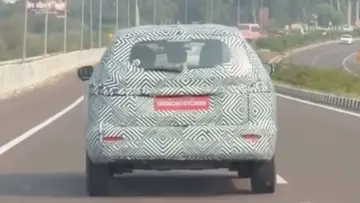
The recent sightings of camouflaged test mules, credited to the OnlyNandos channel, provide a glimpse into the substantial updates Toyota is preparing. While the core silhouette remains familiar, several key areas have been targeted for improvement:

- Advanced Lighting Systems: The facelift will move away from the current reflector-based LED setup. In its place, Toyota is integrating projector headlamp units. This change is expected to significantly improve night-time visibility and provide the vehicle with a more modern, "high-tech" front-end aesthetic.
- Technological Leap: Inside the cabin, the most striking update is the introduction of a significantly larger touchscreen infotainment system. Estimates suggest a screen size of 12 inches or larger, a marked increase from the current 10.1-inch unit. This hardware upgrade is expected to be paired with a new operating system featuring enhanced UI/UX and better connectivity.
- Refined Exterior Aesthetics: Beyond the headlamps, the front grille and bumpers are undergoing a redesign. The goal is to provide a sharper, more aggressive "SUV-like" stance, further distancing the Hycross from its "van-like" ancestors.
- Rear Lighting Signatures: At the rear, the brake light assembly has been revised. The current model’s four-individual LED cluster is being replaced by a seamless LED strip, creating a more premium light signature that aligns with Toyota’s global design language seen in the Crown and Harrier models.
- Enhanced Comfort Features: Anticipated updates include ventilated second-row seats (a highly requested feature in the Indian climate), electrically powered front passenger seats, and a more robust sound system, potentially featuring Dolby Atmos integration.
II. Chronology: The Road to the Facelift
To understand the significance of this update, one must look at the timeline of the Innova’s evolution in the Indian market:
- November 2022: Toyota officially unveils the Innova Hycross globally and in India. It marks a radical departure from the Innova Crysta by moving to the TNGA-C platform (Front-Wheel Drive) and ditching the diesel engine in favor of a 2.0L Strong Hybrid.
- Early 2023: Deliveries commence. The Hycross becomes an instant success, with waiting periods for the top-spec hybrid variants stretching beyond 12 to 18 months in some regions.
- 2024: Toyota manages supply chain issues and re-opens bookings for the top ZX and ZX (O) trims. The Hycross establishes itself as the second best-selling vehicle in Toyota Kirloskar Motor’s (TKM) portfolio, contributing approximately 22% to total monthly sales.
- July 2024: The first clear spy shots of the facelifted test mules emerge. These mules, spotted in urban environments, reveal the new lighting signatures and the massive interior screen.
- Late 2025 – Early 2027: The projected window for the official market launch. While some industry insiders suggest a late 2025 debut to capitalize on the festive season, others believe Toyota may wait until 2027 to align with new emission norms or the introduction of flex-fuel variants.
III. Supporting Data: Market Performance and Specifications
The Innova Hycross has been a volume driver for Toyota, even with a premium price tag that reaches nearly ₹31 lakh (ex-showroom) for the top variants. Its success is rooted in its efficiency and "best-of-both-worlds" positioning.
Current Powertrain Performance
The facelift is expected to retain the proven engine options, which currently lead the segment in terms of fuel efficiency:

| Feature | 2.0L Petrol (Non-Hybrid) | 2.0L Strong Hybrid |
|---|---|---|
| Power | 173 hp | 183.7 hp (Combined) |
| Torque | 204 Nm | 188 Nm (Engine) + 206 Nm (Motor) |
| Transmission | CVT | e-CVT |
| Fuel Efficiency | ~16.13 km/l | ~23.24 km/l |
The Flex-Fuel Factor
There is significant data suggesting that Toyota is using the facelift development cycle to finalize a Flex-Fuel version of the 2.0L engine. Toyota has already showcased a "Flex-Fuel Strong Hybrid" prototype in India. This engine can run on ethanol blends ranging from E20 to E85. Given the Indian government’s push for ethanol blending to reduce oil import bills, the Hycross facelift could be the first mass-market premium vehicle to offer this technology.
Sales Impact
In the current fiscal year, the Hycross has consistently sold between 4,000 to 6,000 units per month. When combined with the older Innova Crysta (which continues to be sold to fleet operators and diesel loyalists), the "Innova" brand captures over 50% of the premium MPV market share.
IV. Official Responses and Manufacturer Strategy
While Toyota Kirloskar Motor (TKM) has not officially confirmed the specific launch date for the facelift, their corporate strategy provides clear indicators.

In recent press briefings, Toyota executives have emphasized "Value-Added Product Lifecycle Management." This involves keeping models fresh through technology-led updates rather than just aesthetic changes. A spokesperson for Toyota previously noted that the company is "closely monitoring the evolving needs of the Indian luxury customer, who now demands the same level of technology in an MPV as they would find in a luxury sedan."
The testing of the facelift also coincides with Toyota’s expansion of its production capacity at the Bidadi plant in Karnataka. By the time the facelift launches, Toyota aims to have streamlined its supply chain for hybrid batteries, which should prevent the massive waiting periods that plagued the initial launch of the Hycross.
Furthermore, the relationship with Maruti Suzuki remains a key factor. As the Hycross is cross-badged as the Maruti Suzuki Invicto, any facelift to the Toyota model will eventually dictate the updates for the Maruti version, though Toyota usually retains exclusive "first-mover" rights for several months.

V. Implications: The Future of the Premium MPV Segment
The arrival of the Innova Hycross facelift carries several heavy implications for the Indian automotive landscape:
1. The "Screen War" Reaches the MPV Segment
By moving to a 12-inch+ screen, Toyota is responding to the trend set by Mahindra and Tata, who have equipped their flagship SUVs (XUV700 and Safari) with massive digital real estate. For the Hycross, which is often chauffeur-driven, a more advanced rear-seat entertainment package or better front-row tech is essential to maintain its "premium" status.
2. Addressing the NVH Concerns
One of the few criticisms of the current Hycross is the NVH (Noise, Vibration, and Harshness) levels when the petrol engine kicks in under heavy acceleration. The facelift provides Toyota with an opportunity to add better sound insulation and "dampening" materials. If Toyota successfully makes the cabin quieter, it will bridge the gap between the Hycross and luxury MPVs like the Toyota Vellfire.

3. Sustainability as a Status Symbol
If the facelift introduces the Flex-Fuel powertrain, it will change the narrative of the MPV. It will no longer be just a "family mover" but a statement of environmental consciousness. For corporate fleets and government officials—a large buyer base for the Innova—the ability to run on high-ethanol blends will be a significant PR and cost-saving advantage.
4. Competitive Pressure
The facelift is a preemptive strike against upcoming rivals. Kia is expected to launch the new-generation Carnival at a higher price point, while the Kia Sorento remains a rumored entrant. By upgrading the Hycross now, Toyota ensures that customers looking for a ₹30-35 lakh vehicle don’t feel the need to look elsewhere for modern features.
Conclusion
The Toyota Innova Hycross facelift is more than a simple refresh; it is a recalibration of a market leader. By focusing on superior lighting, a massive jump in infotainment technology, and refined aesthetics, Toyota is doubling down on its dominance. As road tests continue, the automotive world waits to see if this update will once again set a benchmark that competitors will spend the next half-decade trying to reach. Whether through the silent glide of its hybrid motor or the potential of green flex-fuel, the new Hycross is poised to remain the "gold standard" of Indian MPVs.