

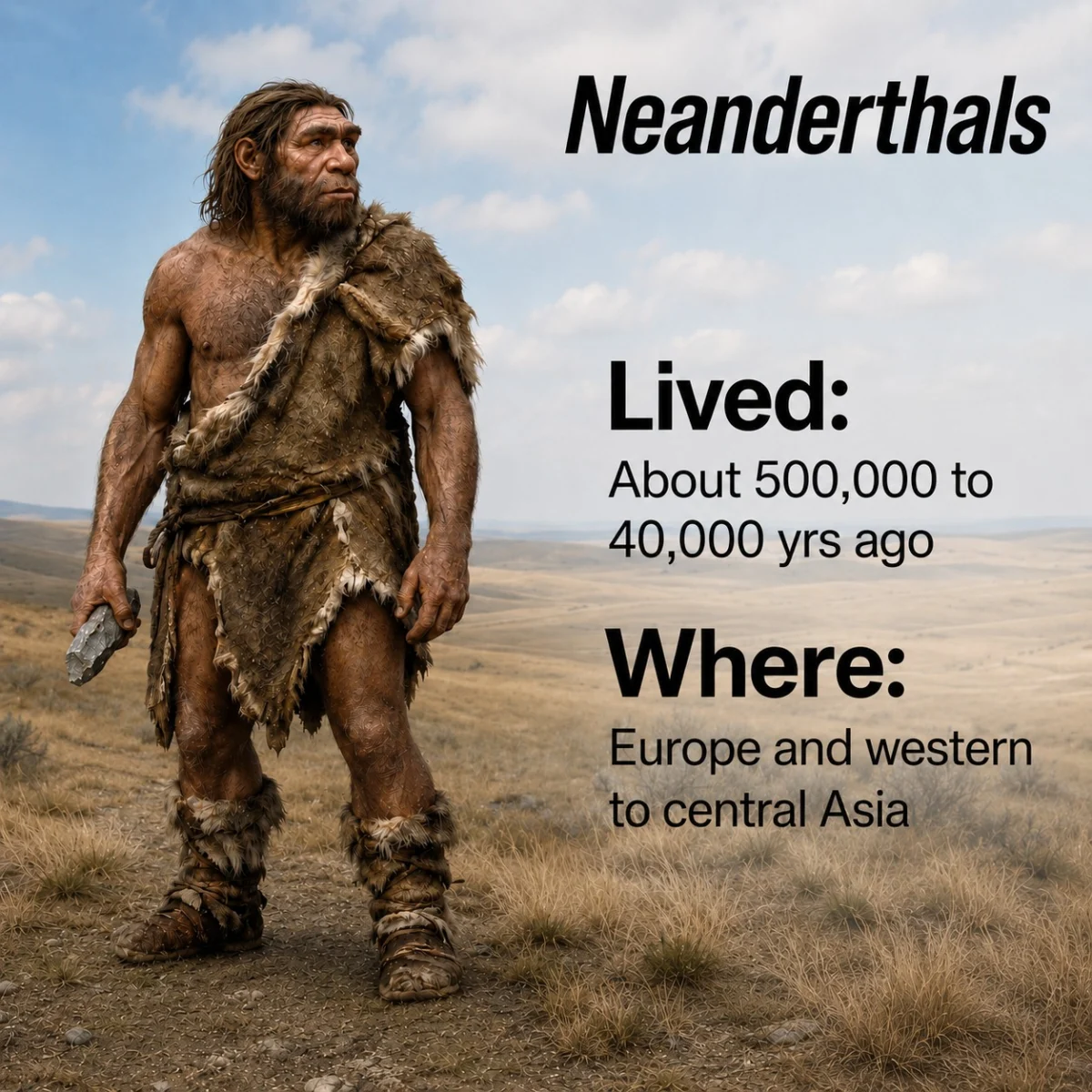
For decades, the story of human evolution was told as a clean, linear progression—a series of distinct branches on a family tree where one species died out just as another began to flourish. We viewed our ancient relatives, such as Homo erectus and the enigmatic Denisovans, as evolutionary "dead ends," separated from us by the vast chasms of time and geography. However, a groundbreaking new study published in the journal Nature is fundamentally rewriting this narrative.
The research suggests that the "Upright Man," Homo erectus—one of our most enduring and wide-ranging ancestors—may have interbred with the Denisovans in East Asia. Because Denisovans later mated with the ancestors of modern Homo sapiens, this discovery implies that some of us may be carrying the genetic echoes of a species that first walked the Earth nearly two million years ago. We are not just the descendants of a single line; we are a complex mosaic of ancient lineages that refused to stay apart.
Main Facts: The Molecular Bridge to the Deep Past
The study, led by renowned palaeogeneticist Fu Qiaomei of the Chinese Academy of Sciences, centered on six teeth unearthed from three distinct archaeological sites across China. These specimens belonged to six individuals categorized as Homo erectus, dating back approximately 400,000 years.
In the world of paleoanthropology, 400,000 years is a difficult threshold. While scientists have successfully sequenced the DNA of Neanderthals and Denisovans from more recent remains, DNA is a fragile molecule. In the humid and fluctuating climates of East Asia, genetic material degrades rapidly, often vanishing entirely after 100,000 years. To circumvent this "DNA barrier," Fu and her team turned to a more resilient medium: tooth enamel proteins.
Proteins are composed of chains of amino acids determined by an organism’s genetic code. While they provide less comprehensive data than a full genome, they act as a stable "molecular fossil." By analyzing the proteome of the tooth enamel, the researchers identified two specific amino acid variants shared by the six Homo erectus individuals:
- A253G in AMBN: A variant previously unknown to science and unique to this specific lineage.
- AMBN (M273V): A variant that had previously been identified in the Denisovan genome.
The presence of the second variant is the "smoking gun." It suggests a genetic exchange—a moment in prehistory where Homo erectus and Denisovans met, lived side-by-side, and interbred. This link provides the first direct molecular evidence that Homo erectus contributed to the gene pool of later hominins, who in turn passed those traits to modern humans.
Chronology: A Timeline of Overlapping Empires
To understand the weight of this discovery, one must look at the staggering timeline of human presence outside of Africa. The genus Homo did not evolve in a vacuum; it was a story of successive migrations and long periods of overlap.
The Era of Homo Erectus (c. 1.9 Million – 110,000 Years Ago)
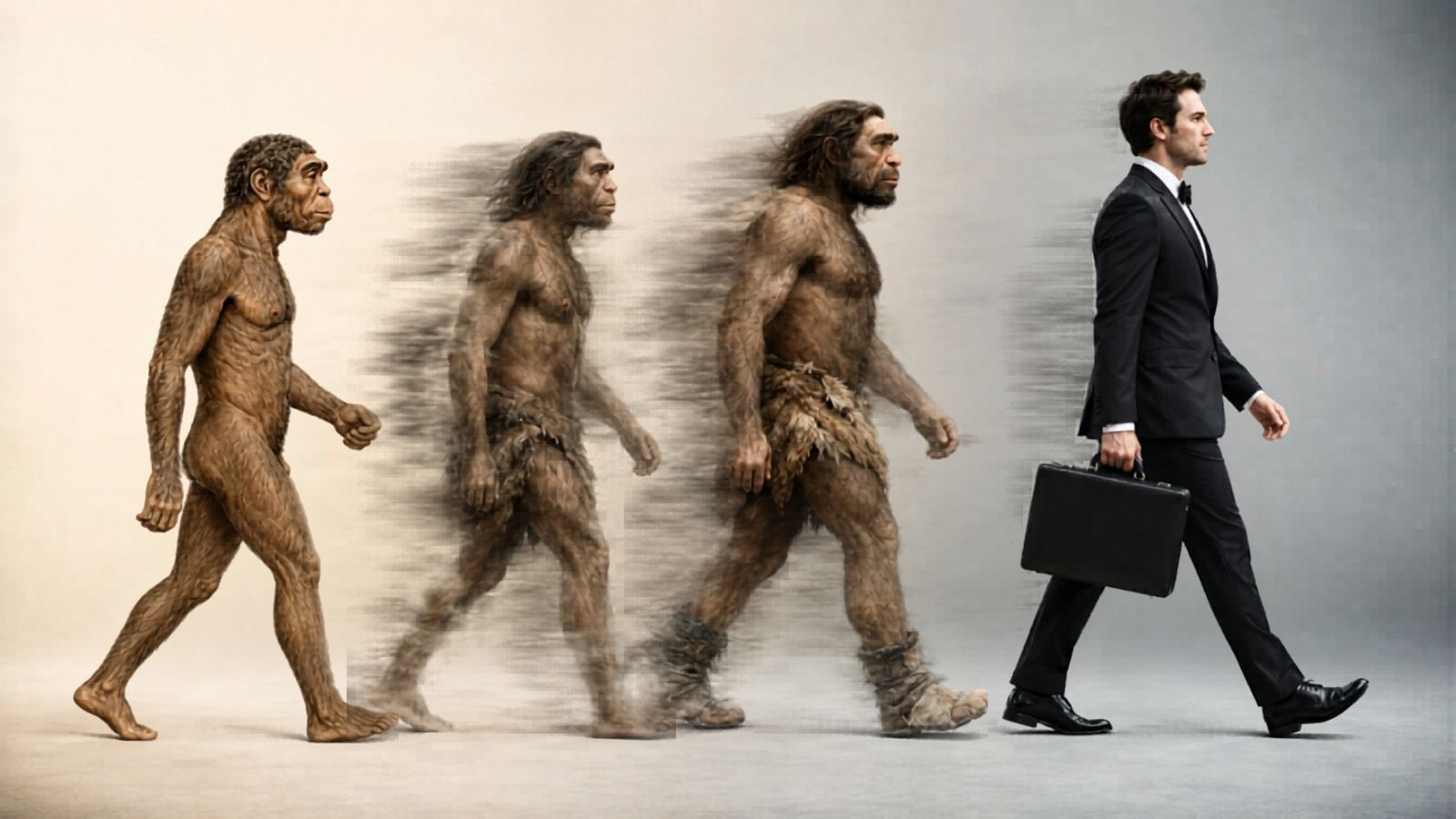
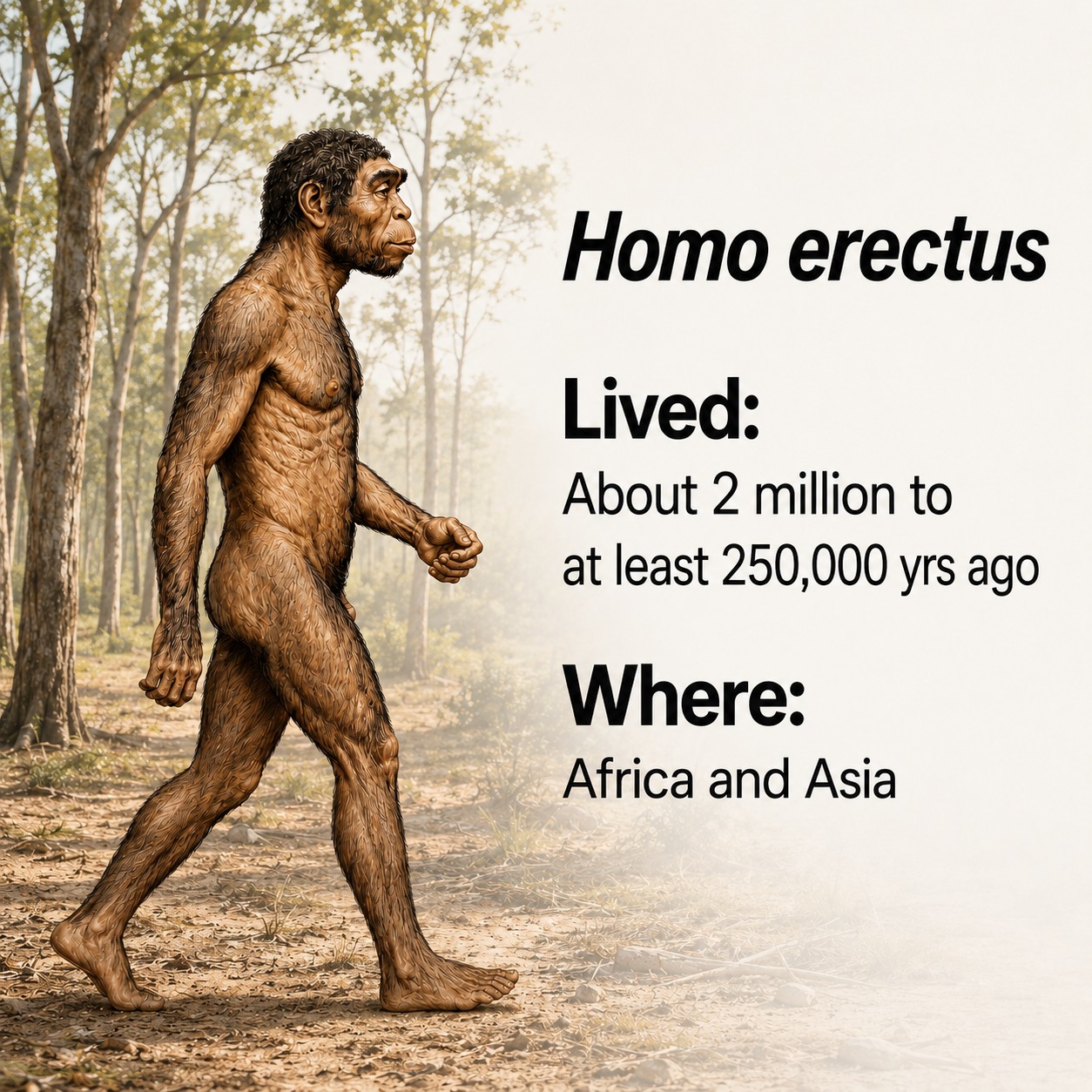
Homo erectus was the ultimate survivor. Appearing in Africa nearly two million years ago, they were the first of our ancestors to possess human-like body proportions, with long legs and shorter arms adapted for life on the ground rather than in trees. They were the first to master fire, the first to create complex stone tools (Acheulean hand axes), and, crucially, the first to migrate out of Africa on a massive scale, spreading into the Caucasus, India, China, and Indonesia.
The Rise of the Denisovans (c. 500,000 – 30,000 Years Ago)
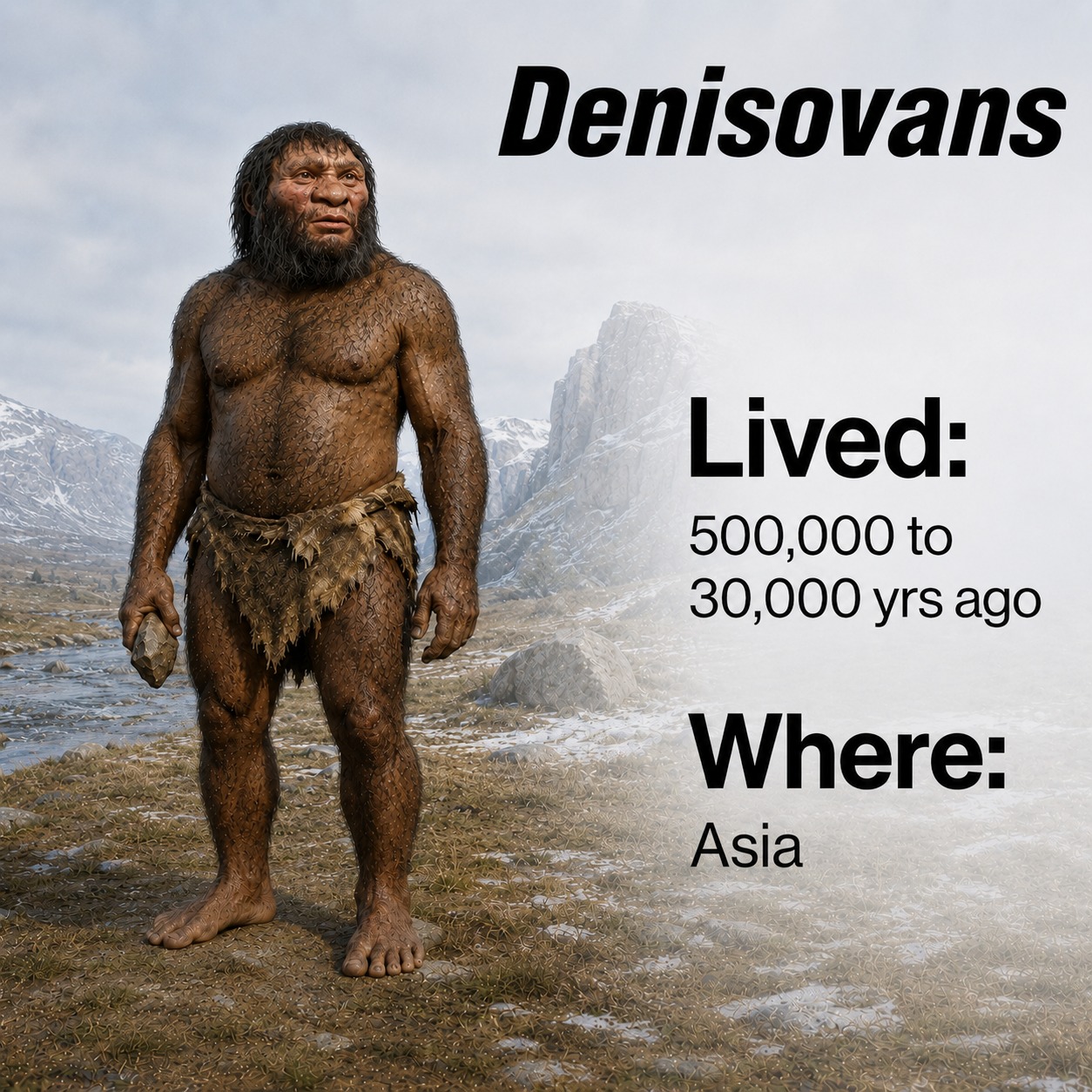
While Homo erectus was established in Asia, a new lineage emerged. Denisovans are a "sister group" to Neanderthals. Their common ancestor left Africa around 600,000 years ago, splitting into Neanderthals (who moved into Europe) and Denisovans (who moved into Asia). For hundreds of thousands of years, Denisovans and Homo erectus shared the vast landscapes of East and Southeast Asia.
The Arrival of Homo Sapiens (c. 300,000 Years Ago – Present)
Modern humans evolved in Africa while their cousins were already settled in Eurasia. When Homo sapiens finally began their major migrations out of Africa roughly 60,000 to 90,000 years ago, they did not find an empty world. They found a continent populated by Denisovans.
The chronology established by the new study shows that around 400,000 years ago—the date of the Chinese tooth samples—Homo erectus was already interacting with the nascent Denisovan populations. This created a genetic "bucket brigade": Homo erectus passed genes to Denisovans, and Denisovans later passed those same genes to Homo sapiens.
Supporting Data: Paleoproteomics and the "Ghost Lineage"
The use of paleoproteomics—the study of ancient proteins—is the technological breakthrough driving this discovery. Because tooth enamel is the hardest substance in the human body, it protects proteins far longer than bone protects DNA.
The researchers focused on the protein Ameloblastin (AMBN), which is essential for tooth enamel formation. By using high-resolution mass spectrometry, the team sequenced the amino acids in the AMBN protein from the 400,000-year-old teeth. The discovery of the M273V variant in both Homo erectus and Denisovans is statistically significant.
In genomic studies, scientists have long spoken of "ghost populations"—extinct groups of humans that we know existed only because their "fingerprints" are left in our DNA, even though we have no physical fossils for them. For years, the Denisovan genome showed signs of interbreeding with a "super-archaic" population that had split from the human line over a million years ago.
The data from this study strongly suggests that this "super-archaic ghost" was, in fact, Homo erectus. The percentages of this ancient DNA remain in modern populations today:
- Oceania (Papua New Guinea, Australia): Populations here carry the highest amount of Denisovan DNA, ranging from 1% to 6%.
- East and Southeast Asia: Trace amounts of Denisovan DNA persist, likely carrying the indirect markers of Homo erectus.
- Global (Outside Africa): Most non-African populations carry 1% to 4% Neanderthal DNA.
Official Responses and Expert Analysis
The scientific community has reacted to the Nature study with a mixture of excitement and cautious inquiry. The implications for our understanding of the "Asian cradle" of evolution are profound.
Eduard Pop, a research scientist who spoke with CNN regarding the findings, emphasized the indirect nature of the link. "It suggests that East Asian Homo erectus-related populations may have contributed genetically to Denisovans, and through them indirectly to some modern humans," Pop noted. He highlighted that this moves Homo erectus from a peripheral "cousin" to a direct contributor to the modern human story.
However, some experts urge a measured interpretation. Paleoanthropologist Ryan McRae pointed out a significant chronological hurdle: the "gap of silence." There is a gap of more than 100,000 years between the Homo erectus samples analyzed in this study and the earliest high-quality DNA samples available from Denisovans.
"What if the Denisovans descended directly from Homo erectus?" McRae posits. This question challenges the current consensus that Denisovans migrated from Africa as a separate group. If Denisovans evolved from the Homo erectus populations already in Asia, the genetic similarities would be inherited rather than the result of interbreeding. Settling this debate will require the holy grail of paleoanthropology: a well-preserved sample of Homo erectus DNA, which has so far remained elusive.
Fu Qiaomei, the lead researcher, maintains that the protein evidence is a vital stepping stone. She argues that while we cannot yet map the entire genome of Homo erectus, the shared amino acid variants are too specific to be ignored.
Implications: From an Evolutionary Tree to a Braided Stream
The most significant implication of this study is the final collapse of the "Replacement Model" (or "Recent African Origin" theory) in its strictest form. For years, it was believed that Homo sapiens left Africa and simply replaced all other hominins without any "mingling."
We now know this is false. The emerging model is often described as a "Braided Stream." Imagine a river that splits into several channels; those channels may move apart for a time, but they frequently loop back, merge, and flow together before splitting again. Human evolution was not a series of clean breaks; it was a messy, continuous process of divergence and reunification.
Redefining "Human"
If modern humans carry the DNA of Denisovans, Neanderthals, and now potentially Homo erectus, it forces a philosophical reckoning with what it means to be "human." We are a multi-species success story. The traits that allowed us to survive—intelligence, adaptability, and perhaps even certain immune system responses—may have been "borrowed" from these ancient relatives through interbreeding.
The Importance of East Asia
For over a century, Africa and Europe were the primary focus of paleoanthropology. This study shifts the spotlight firmly toward East Asia. The region was not just a destination for migrating species; it was a melting pot of evolutionary innovation. The interaction between Homo erectus and Denisovans suggests that Asia was a vibrant center of human development for hundreds of thousands of years.
Future Research
The success of protein analysis in this study opens new doors. There are thousands of fossils in museum drawers around the world that are too old for DNA testing. By applying paleoproteomics to these "undruggable" fossils, we may find more ghosts in our past.
As we refine our ability to read the molecular record, the disjointed branches of the Homo genus are beginning to knit together. We are discovering that the "Upright Man" never truly went extinct; a part of him lives on in the genetic code of people walking the streets of Shanghai, Sydney, and New York today. The family tree is no longer a lonely branch—it is a lush, interconnected forest.
