

Main Facts: The Anatomy of a Cultural Icon
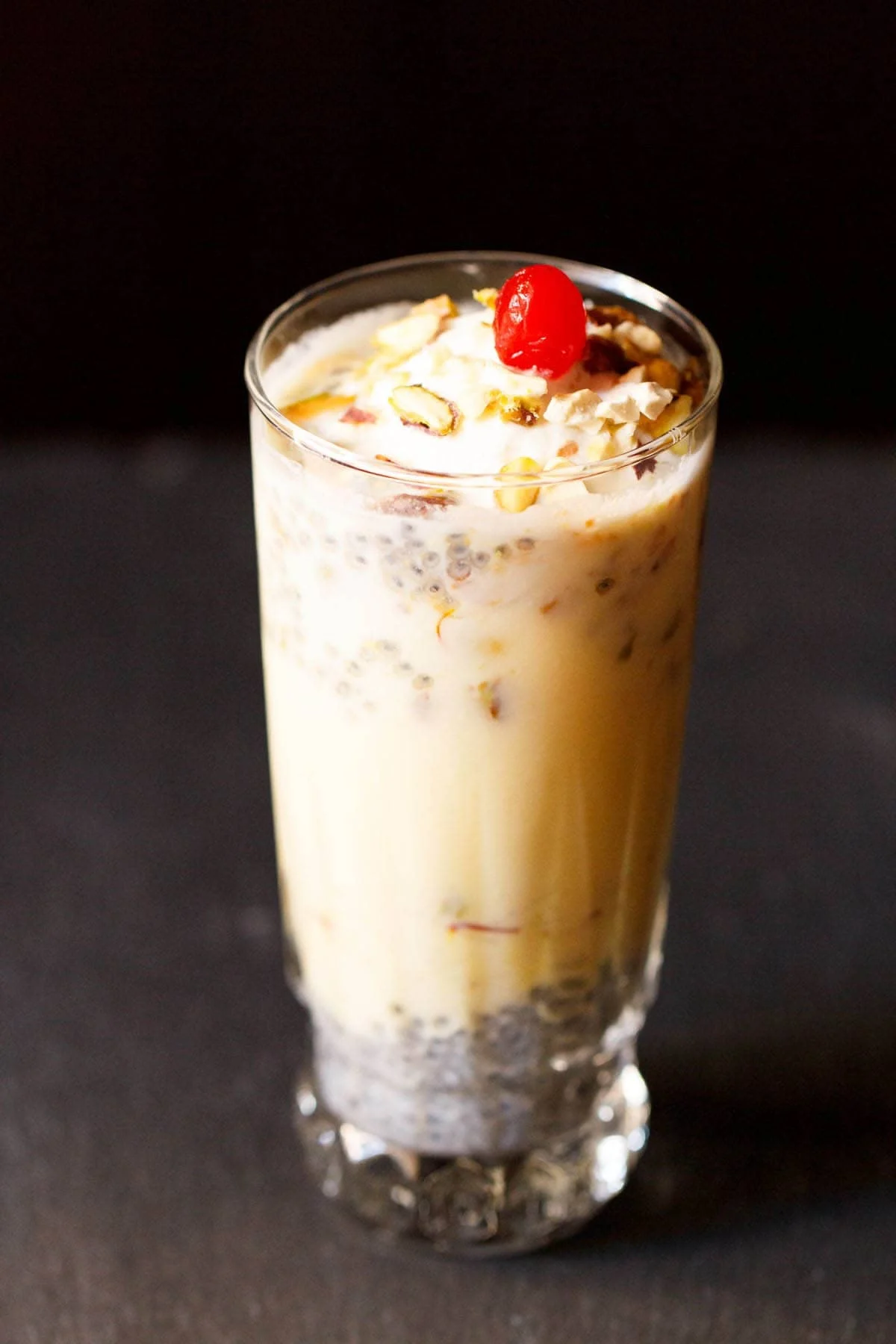
In the vast and vibrant landscape of Indian gastronomy, few beverages command as much reverence and sensory delight as the Kesar Falooda. More than a mere dessert, Kesar Falooda represents a sophisticated intersection of texture, temperature, and tradition. At its core, this chilled delicacy is a layered "dessert-drink" composed of saffron-infused milk, gelatinous basil seeds (sabja), vermicelli noodles (falooda sev), and a crowning scoop of ice cream.
The defining characteristic of this specific variant is "Kesar"—saffron—the world’s most expensive spice. Derived from the stigma of the Crocus sativus flower, saffron imparts a delicate floral aroma and a signature golden-yellow hue that elevates the standard falooda into a premium culinary experience. While the classic falooda often relies on rose syrup for its flavor profile, the Kesar version is prized for its earthy undertones and regal aesthetic.
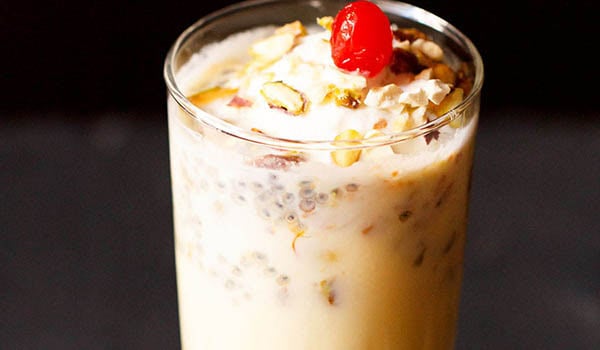
The dish is a mainstay during the sweltering summer months in South Asia and remains a centerpiece of festive celebrations, including Eid, Diwali, and weddings. Its popularity stems from its multi-sensory appeal: the visual allure of the golden milk, the cooling properties of the basil seeds, and the contrasting textures of the soft sev against the crunch of crushed pistachios and almonds.
Chronology: From Persian Origins to Modern Preparation
The Historical Evolution
The lineage of the Falooda can be traced back to ancient Persia (modern-day Iran), where a similar dessert known as Faloodeh—consisting of thin starch noodles in a semi-frozen syrup—was enjoyed as early as 400 BC. As trade routes expanded, the recipe traveled to the Indian subcontinent with the Mughal emperors, who adapted the dish to suit the local palate and climate.
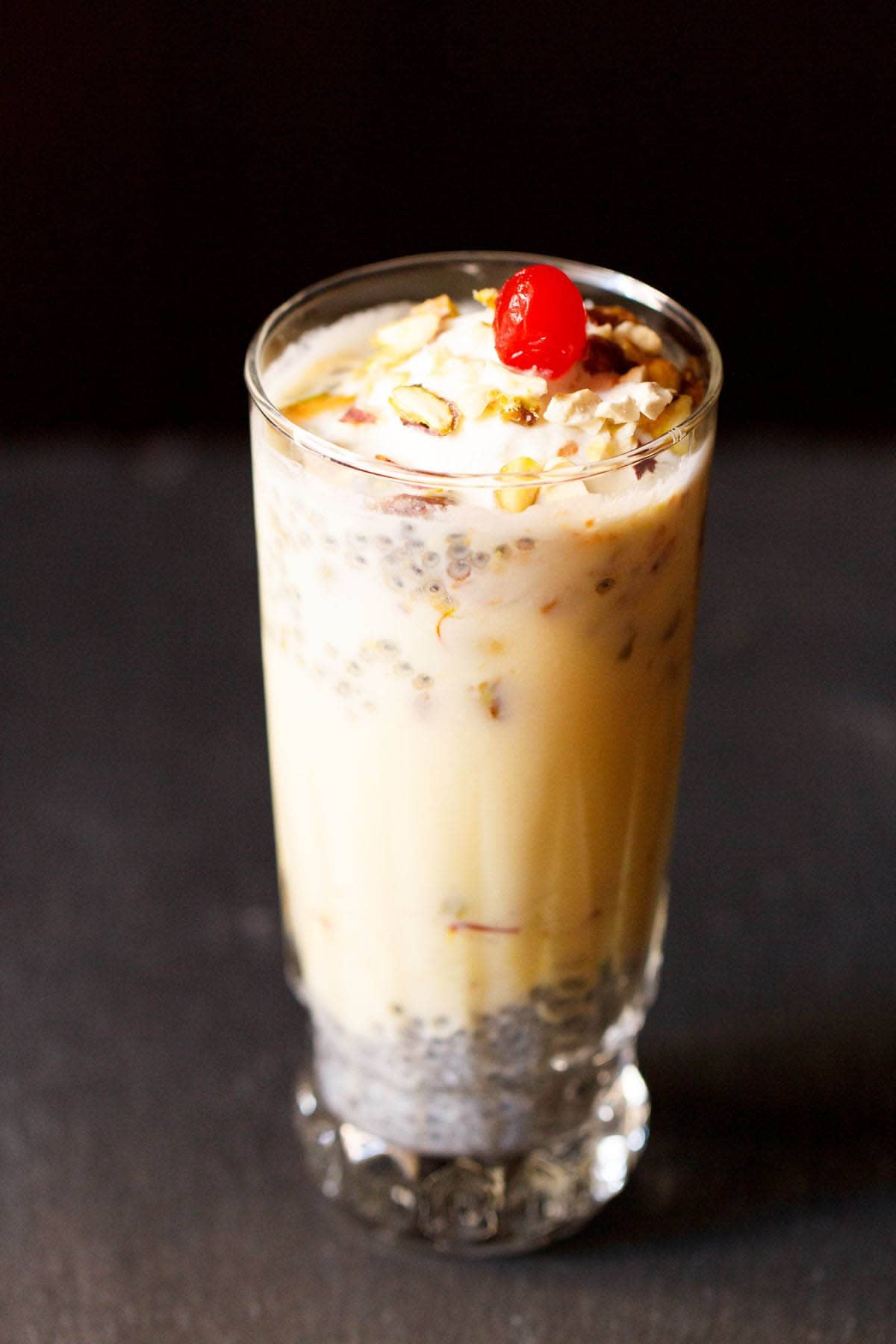
The Mughals introduced dairy into the equation, transforming a frozen starch dish into a rich, milk-based beverage. Over centuries, regional variations emerged, but the "Kesar" variant remained the hallmark of the elite due to the high cost of saffron. Today, the chronology of making a Kesar Falooda is a meticulous process that balances patience with precision.
The Technical Timeline of Preparation
The assembly of a professional-grade Kesar Falooda follows a strict chronological order to ensure the integrity of its layers and the maximum infusion of flavors:
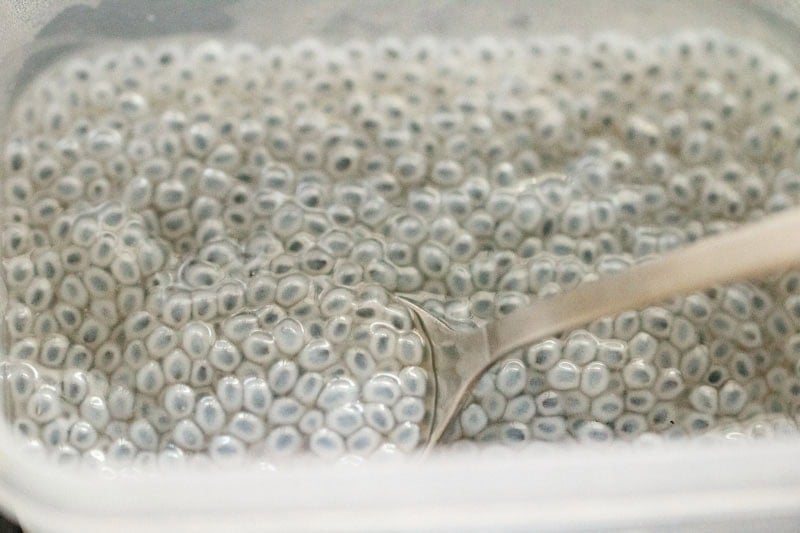
- Hydration Phase (T-minus 30 minutes): The process begins with the soaking of Sabja (sweet basil seeds). Within 20 to 30 minutes, these seeds undergo a physical transformation, swelling into gelatinous pearls that provide the drink’s essential cooling properties.
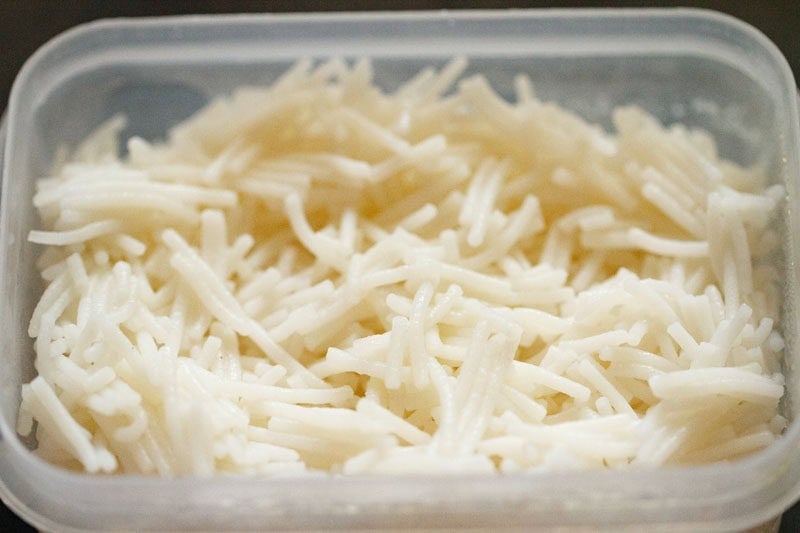
- Starch Processing: Simultaneously, the Falooda sev (traditionally made from cornstarch or arrowroot) is prepared. Depending on the manufacturer, these noodles are either blanched in boiling water or soaked until they reach a supple, "al dente" consistency.
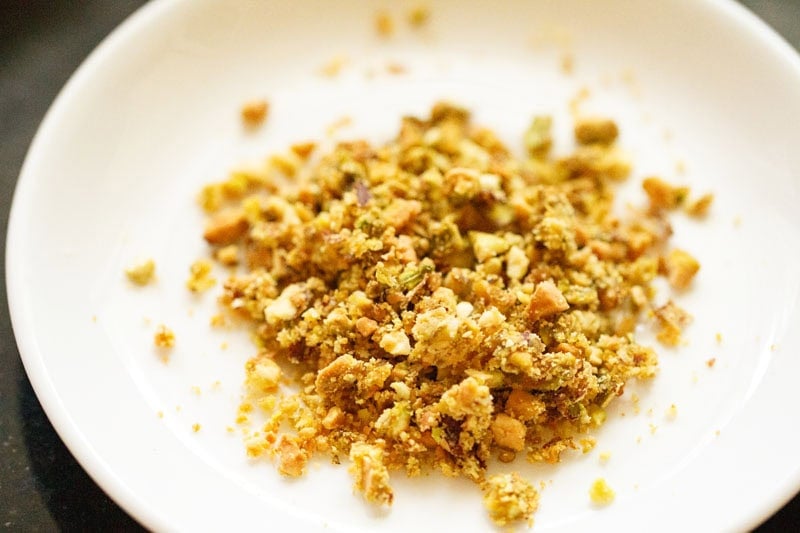
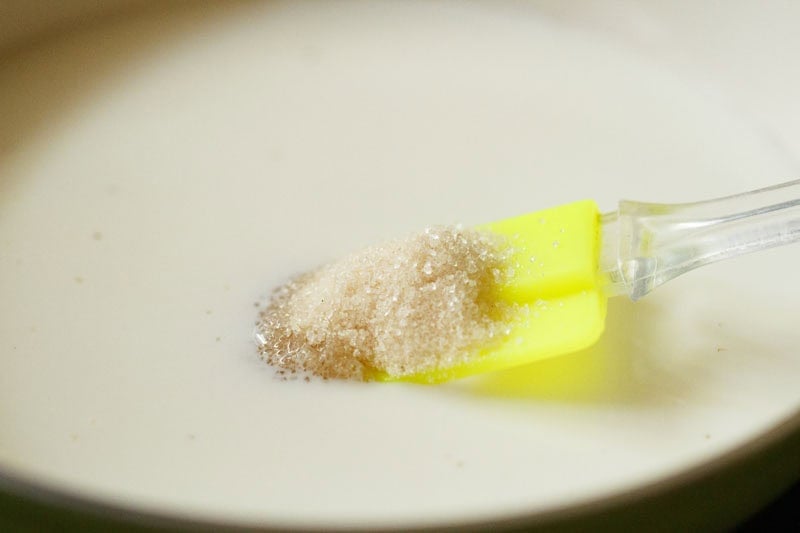
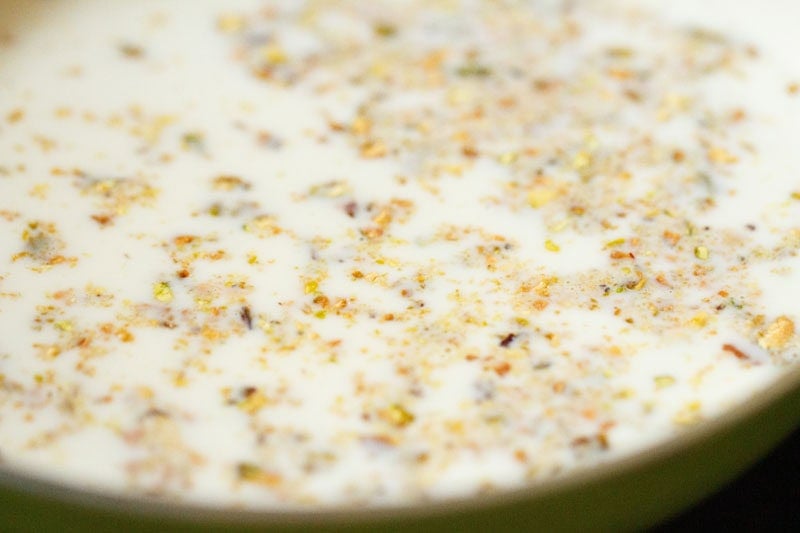
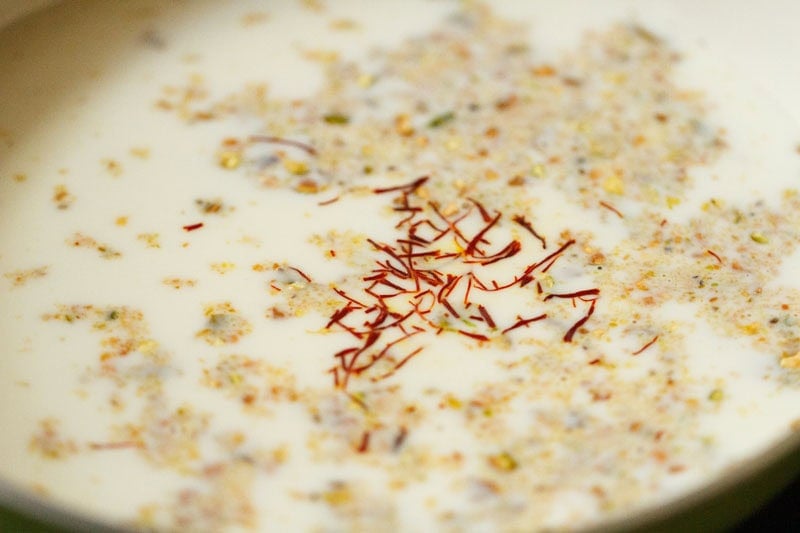
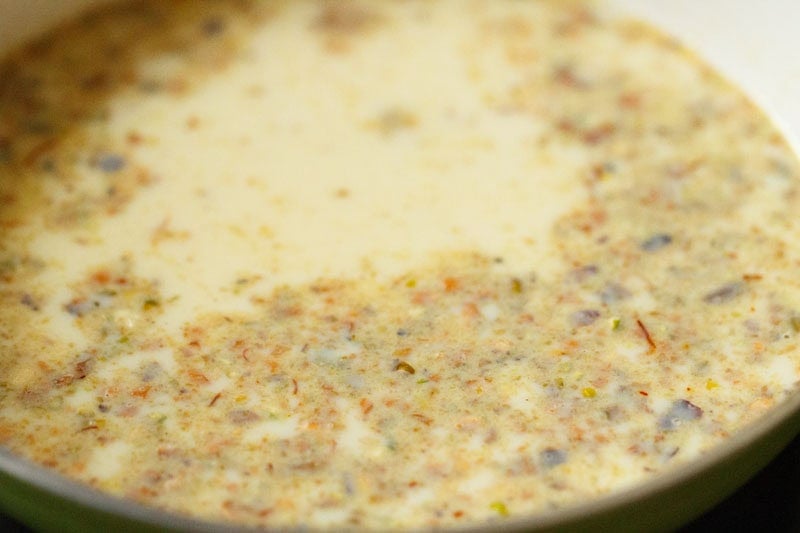
- The Saffron Infusion: This is the critical stage. Milk is gently heated—never boiled—with sugar and crushed saffron strands. This controlled heating allows the crocin (the pigment in saffron) to release its golden color and the safranal (the aroma compound) to permeate the dairy. Crushed pistachios are often added during this stage to allow their oils to meld with the milk.
- The Cooling Cycle: Once the infusion is complete, the mixture is cooled to room temperature and then chilled. This step is vital; a warm base would prematurely melt the ice cream and compromise the structural layers of the dessert.
- The Final Assembly: The "build" occurs moments before serving. The sabja seeds form the foundation, followed by the sev, ice cubes, and the chilled saffron milk. The drink is then topped with ice cream and a final flourish of nuts and cherries.
Supporting Data: The Science and Economics of Ingredients
The success of Kesar Falooda is grounded in the chemical and nutritional properties of its constituent parts.
The Saffron Factor
Saffron’s role is both aesthetic and physiological. From a chemical perspective, saffron contains over 150 volatile and aroma-yielding compounds. In a journalistic survey of premium dessert markets, Kesar-flavored items consistently command a 15-25% price premium over standard flavors. This reflects the labor-intensive nature of saffron harvesting, which requires approximately 75,000 flowers to produce just one pound of the spice.
Hydrocolloids and Hydration
The Sabja seeds used in the recipe are more than a textural gimmick. Scientifically known as Ocimum basilicum, these seeds are rich in fiber and act as a natural coolant for the body (a property known in Ayurveda as sheetal). When soaked, the outer layer of the seed forms a mucilaginous coating—a natural hydrocolloid—which aids in digestion and provides a feeling of fullness.
Textural Complexity
Food scientists categorize Falooda as a "complex suspension." It challenges the palate with four distinct textures:
- Liquid: The saffron milk.
- Gelatinous: The soaked basil seeds.
- Soft/Chewy: The vermicelli noodles.
- Solid/Crunchy: The garnish of pistachios and almonds.
This "mouthfeel" diversity is a primary driver of the dish’s high consumer satisfaction ratings in the dessert-beverage sector.
Official Responses: Culinary and Health Perspectives
Leading voices in the culinary world view Kesar Falooda as a masterclass in balance.
Chef’s Perspective:
"The challenge of a great Kesar Falooda lies in the temperature control and the quality of the ‘Kesar’ itself," says a prominent Mumbai-based pastry chef. "Many commercial outlets use synthetic food coloring and essences, but the discerning consumer seeks the authentic ‘saffron throat-hit’—that slight medicinal, floral bitterness that only real saffron strands provide. The addition of cardamom is also a frequent recommendation by experts to provide a top-note that cuts through the richness of the dairy."
Nutritionist Insight:
From a health standpoint, dieticians offer a nuanced view. While the sugar and ice cream content classify the Falooda as a high-calorie indulgence, the inclusion of basil seeds and nuts introduces essential minerals and healthy fats. "The Sabja seeds are the saving grace of this dessert," notes a clinical nutritionist. "They slow down the absorption of sugar into the bloodstream due to their high fiber content, making it a slightly more responsible choice compared to a standard milkshake or soda, provided the sugar levels are managed."
Industry Analysts:
Market research firms specializing in the Indian food and beverage sector note a 12% year-on-year increase in the demand for "artisanal" and "traditional" dessert drinks. The Kesar Falooda is leading this trend, as modern consumers pivot away from Westernized fast-food desserts toward "heritage" items that offer perceived functional benefits, such as the cooling properties of saffron and basil seeds.
Implications: The Future of Heritage Desserts
The enduring popularity of Kesar Falooda has significant implications for the global food industry and cultural preservation.
Globalization of the Palate
As the Indian diaspora grows, Falooda is transitioning from a regional specialty to a global trend. In cities like London, New York, and Dubai, "Falooda Bars" are emerging, mirroring the rise of Bubble Tea shops. The Kesar variant, with its "golden milk" appeal, fits perfectly into the current global obsession with turmeric and saffron-based wellness lattes, suggesting a potential for even greater mainstream adoption.
Innovation and Fusion
The recipe provided serves as a foundation for significant culinary innovation. We are already seeing the emergence of:
- Vegan Alternatives: Utilizing almond or oat milk and plant-based ice creams to cater to the growing lactose-intolerant and vegan demographics.
- Sugar-Free Variants: Using stevia or monk fruit to appeal to diabetic-friendly markets without compromising the essential saffron flavor.
- Fusion Flavors: Incorporating elements like salted caramel or white chocolate to create "East-meets-West" hybrids.
Cultural Identity
In an era of rapid globalization, the ritual of assembling a Kesar Falooda serves as an anchor for cultural identity. For many, the act of layering the seeds, noodles, and golden milk is a nostalgic link to family gatherings and childhood summers. The preservation of these specific techniques—such as the gentle infusion of saffron rather than boiling—is a testament to the sophistication of traditional Indian culinary arts.
Conclusion
Kesar Falooda is far more than a cooling treat; it is a complex, historically rich, and scientifically fascinating component of world cuisine. As it continues to evolve from the royal courts of the Mughals to the Instagram feeds of modern foodies, its core remains unchanged: a golden, chilled testament to the timeless appeal of saffron and the enduring ingenuity of Indian dessert-making. Whether enjoyed in a tall glass on a dusty street corner or served in a crystal goblet at a high-end gala, Kesar Falooda remains the undisputed gold standard of refreshing indulgence.
