


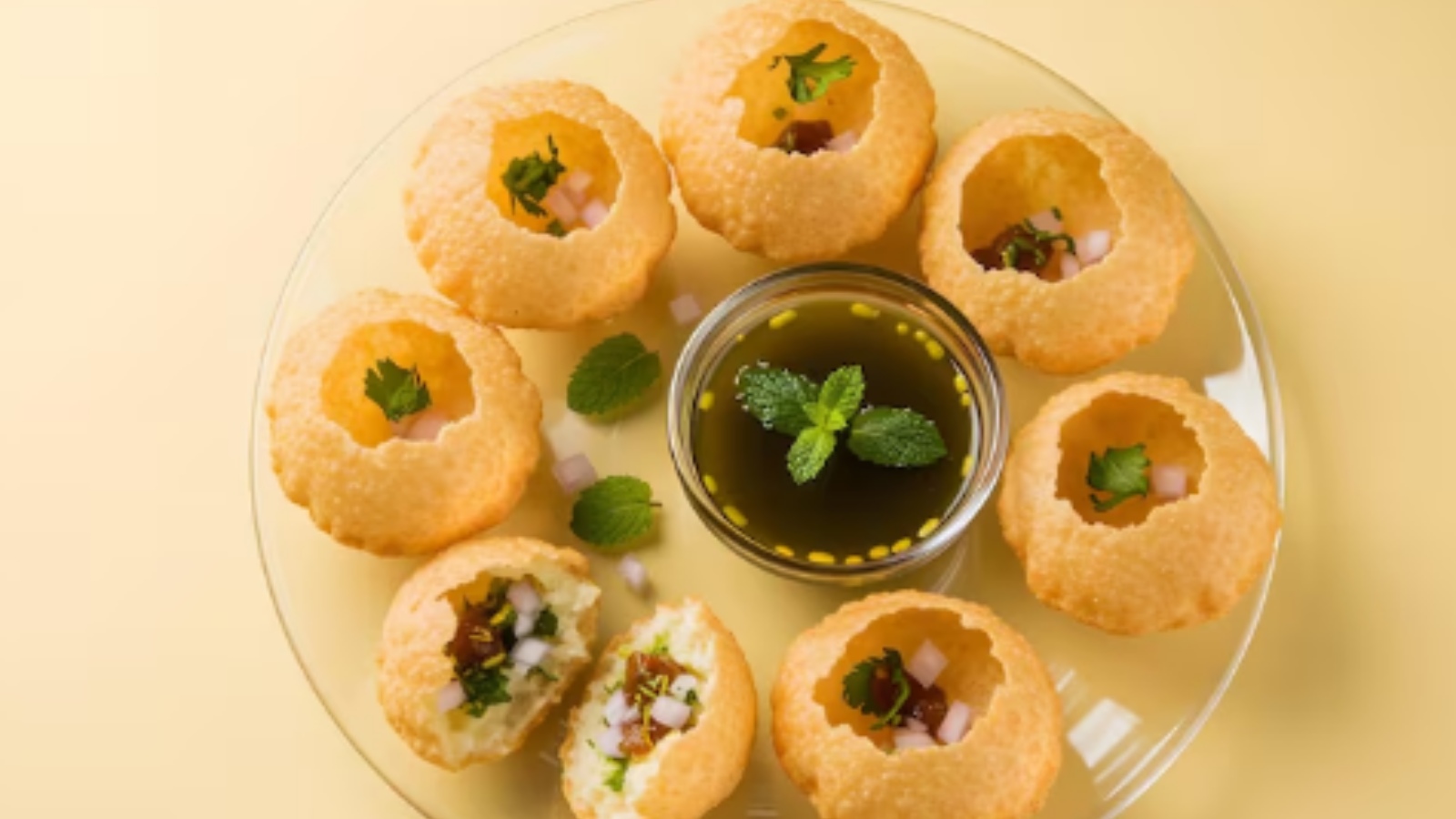
The vibrant street food culture of India is an integral part of its social fabric. From the bustling lanes of Chandni Chowk to the beaches of Mumbai, the sight of a golgappa (or pani puri) vendor surrounded by eager customers is a staple of Indian life. However, as temperatures soar across the subcontinent, health experts are issuing a stern warning: the very elements that make these snacks refreshing—the tangy mint chutney and the spiced flavored water—are becoming significant biological hazards.
Recent viral warnings from medical professionals have sparked a nationwide conversation about food safety. Dr. Pankti Bhatt Shah, a prominent medical voice on social media, recently highlighted the escalating hygiene risks associated with street-side accompaniments. Her warning, echoed by gastroenterologists like Dr. Dodmani, underscores a seasonal reality: in the sweltering heat of an Indian summer, street-side chutneys can transform into a bacterial breeding ground in a matter of hours.
Main Facts: The Summer Vulnerability of Raw Accompaniments
The primary concern regarding street-side snacks like golgappas, papdi chaat, and dahi puri lies not necessarily in the fried shells, but in the raw, water-based components. Mint chutney and flavored water are high-moisture environments prepared with raw ingredients. Unlike cooked street foods like samosas or vada pav, which undergo high-heat deep-frying that kills most pathogens, chutneys are served "live."
According to Dr. Dodmani, the risk is inherent in the composition. The ingredients typically include raw mint leaves, coriander, green chilies, onions, and significant volumes of water. If any of these components are contaminated at the source—either through polluted soil, contaminated irrigation water, or improper washing—the bacteria are carried directly to the consumer’s plate.
Furthermore, summer conditions in India provide a "perfect storm" for microbial growth. With ambient temperatures frequently exceeding 30°C to 40°C, the natural cooling effect of evaporation is insufficient to prevent the rapid multiplication of pathogens like Escherichia coli (E. coli) and Salmonella.
Chronology: From Preparation to Pathogenesis
To understand the scale of the risk, one must look at the lifecycle of a street-side chutney during a typical summer day:
- Early Morning Preparation: Vendors often prepare large batches of chutney and flavored water in the early hours. If the water used is not filtered or if the greens are not thoroughly disinfected, the initial microbial load is already present.
- Transportation and Setup: The mixtures are transported to the stalls. In many cases, they are kept in open or semi-covered plastic or steel containers.
- The Midday "Danger Zone": As the sun rises, the temperature of the chutney enters what clinicians call the "Danger Zone" (between 5°C and 60°C). By noon, a container sitting at a roadside stall is at the optimal temperature for bacterial incubation.
- Continuous Exposure: Throughout the day, the chutney is exposed to environmental pollutants—dust, vehicular exhaust, and flies. Repeated contact with communal spoons, the vendor’s hands, and potentially contaminated serving vessels adds layers of cross-contamination.
- Consumption: By the evening rush hour, a chutney prepared ten hours earlier may have undergone dozens of bacterial doubling cycles, reaching a "tipping point" where it can cause acute illness upon ingestion.
Supporting Data: The Microbiology of the "Danger Zone"
The scientific basis for these health warnings is rooted in the rate of bacterial replication. Dr. Dodmani explains that E. coli, a common indicator of fecal contamination and poor hygiene, thrives in warm, moist environments.
The Doubling Effect
Under ideal conditions—which a warm, nutrient-rich mint chutney provides—certain strains of bacteria can double their population every 20 to 30 minutes.
- Initial State: 1,000 bacterial cells.
- After 2 Hours: 16,000 cells.
- After 4 Hours: 256,000 cells.
- After 6 Hours: Over 4 million cells.
This exponential growth explains why a snack that might be "safe" at 11:00 AM can become a potent source of infection by 5:00 PM.
The Temperature Factor
The "Danger Zone" (5°C–60°C) is the range in which foodborne bacteria grow most rapidly. In most parts of India during the summer, the ambient temperature stays consistently within this range, often peaking at the exact temperature (37°C) that human pathogens prefer for maximum growth. Unlike cooked food, which is brought to boiling point (100°C) to neutralize bacteria, or refrigerated food (below 5°C) which slows growth, street-side chutney exists in a perpetual state of incubation.
Official Responses and Expert Insights
Medical professionals are increasingly using digital platforms to bridge the gap between clinical knowledge and public habits. Dr. Pankti Bhatt Shah’s Instagram post served as a catalyst, urging viewers to recognize that "fresh-looking" does not always equate to "safe."
Dr. Dodmani provides a detailed breakdown of the clinical implications. He notes that the lack of a "kill step" (reheating) is the primary failure in the safety chain. "Any bacteria present can directly enter the digestive system," he warns.
Identifying Contamination
A significant challenge for consumers is that bacterial contamination is often invisible to the naked eye and undetectable by smell until the spoilage is advanced. However, Dr. Dodmani suggests looking for subtle signs:
- Bubbling or Frothing: This indicates active fermentation by bacteria or yeast.
- Discoloration: A shift from bright green to a dull, brownish hue may indicate oxidation or microbial activity.
- Texture Changes: If the water or chutney appears unusually slimy or thick, it should be avoided.
- The "Sour" Note: While these chutneys are naturally tangy, an acrid or fermented smell is a major red flag.
Implications: The Public Health Burden
The consequences of consuming contaminated street food during summer extend beyond simple stomach upsets. There are broader implications for public health and individual well-being.
Severe Dehydration and Kidney Stress
In a summer climate, the body is already struggling to maintain fluid balance. When an individual suffers from food poisoning—characterized by vomiting and diarrhea—the loss of electrolytes and fluids is accelerated. Dr. Dodmani warns that severe dehydration can lead to a drop in blood pressure and acute kidney stress. In vulnerable populations, such as the elderly and young children, this can escalate into a medical emergency within hours.
Vulnerable Demographics
The risk is not distributed equally. The medical community identifies four high-risk groups:
- Children: Their immune systems are still developing, and they have lower body mass, making dehydration more dangerous.
- The Elderly: Often have underlying conditions and a reduced thirst reflex.
- Pregnant Women: Certain foodborne pathogens, like Listeria or specific E. coli strains, can pose risks to both the mother and the fetus.
- Immunocompromised Individuals: Those with diabetes or other chronic illnesses are less able to fight off a high bacterial load.
The Threat of HUS
While most E. coli infections result in standard gastroenteritis, some strains can lead to more severe complications, such as bloody diarrhea. In rare but serious cases, this can progress to Hemolytic Uremic Syndrome (HUS), a condition that affects the blood and blood vessels, potentially leading to kidney failure.
Consumer Guidelines: How to Navigate Street Food Safely
Health experts are not necessarily calling for a total boycott of street food, but rather a shift toward "informed consumption." To reduce the risk of gastrointestinal infections during the summer, the following precautions are recommended:
- Prioritize High Turnover: Choose vendors who have a high volume of customers. A high turnover usually means the chutney and water are being replenished frequently rather than sitting in the sun for hours.
- Observe Water Sources: If possible, check if the vendor uses bottled or filtered water. Many modern street food "hubs" now advertise the use of mineral water as a selling point.
- Inspect Vendor Hygiene: Look for basic hygiene practices—does the vendor wear gloves? Are the utensils clean? Is the stall located near an open drain or a dusty road?
- Opt for "Dry" Variants: During the peak of summer heat, consider opting for "Sukha Puri" (dry) or snacks that do not rely heavily on raw, water-based chutneys.
- Timing Matters: Consumption in the early afternoon, shortly after the food has been prepared, is generally safer than consuming the "last of the batch" in the late evening.
- Home-Made Alternatives: The safest way to enjoy these flavors is to prepare them at home using boiled and cooled water and thoroughly disinfected vegetables.
Conclusion
The Indian summer is a season of indulgence in cooling snacks, but it is also a season of heightened biological risk. As Dr. Dodmani concludes, "In summer, even small hygiene lapses can significantly raise the risk of gastrointestinal infections." By understanding the science of the "Danger Zone" and recognizing the vulnerability of raw ingredients, consumers can enjoy India’s rich culinary heritage without compromising their long-term health. The message from the medical community is clear: enjoy your golgappas, but keep a watchful eye on the chutney.
