

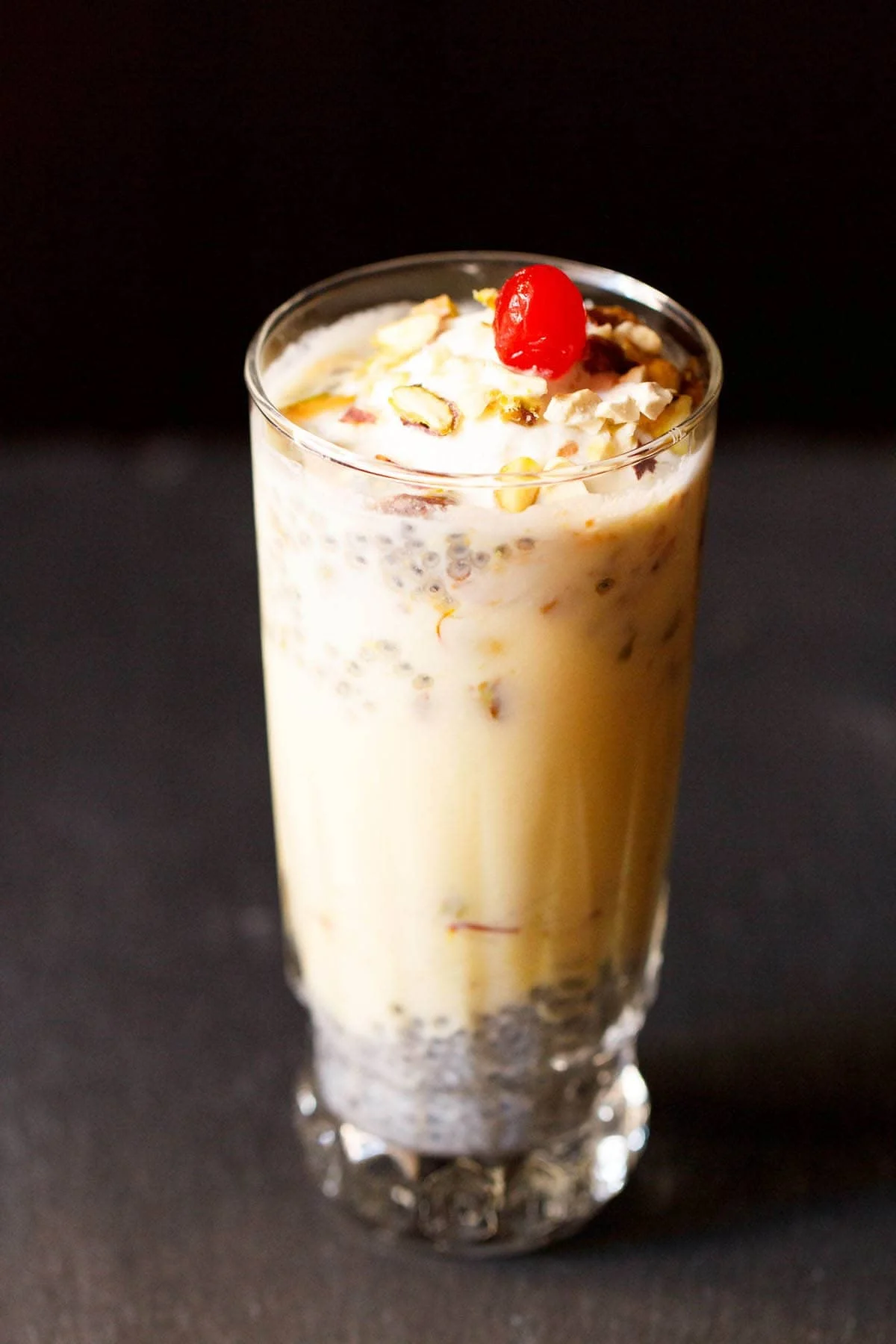
The global culinary landscape is currently witnessing a profound re-emergence of traditional artisanal beverages, with Indian heritage drinks leading the vanguard of this movement. Among these, Kesar Falooda stands as a testament to the intricate balance of texture, temperature, and aromatics. Often described as a "dessert in a glass," Kesar Falooda is far more than a mere refreshment; it is a layered architectural marvel of the culinary world, combining the ancient medicinal wisdom of Ayurveda with the opulence of Mughal-inspired flavors.
As summer temperatures rise across the Indian subcontinent and the Middle East, the demand for this chilled saffron-infused delicacy has reached new heights. This article provides an in-depth analysis of the Kesar Falooda, tracing its preparation from raw ingredients to its status as a global gastronomic icon.
Main Facts: The Anatomy of an Icon
Kesar Falooda is characterized by its distinct multi-layered composition. Unlike homogenized shakes or smoothies, the integrity of a true Falooda relies on the separation and subsequent discovery of individual components as one consumes the drink.
The Core Components
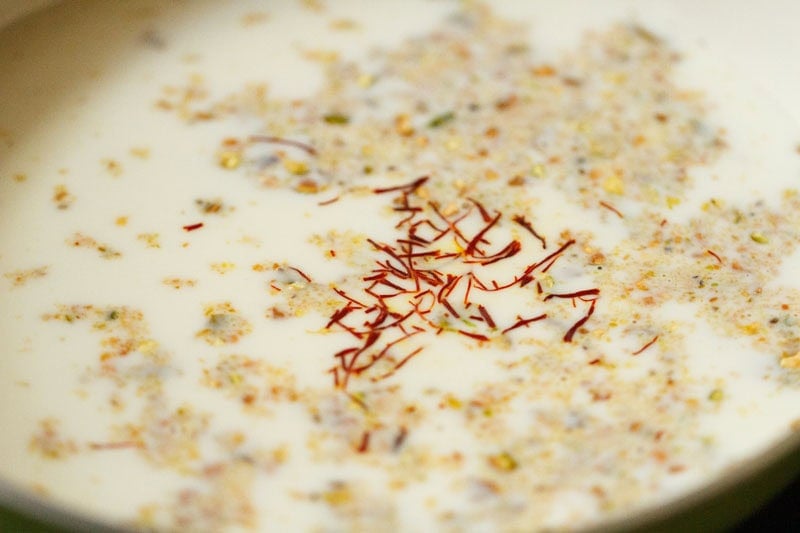
- Kesar (Saffron) Milk: The soul of the drink. High-quality saffron strands are infused into sweetened milk, providing a natural golden hue and a complex, hay-like aroma that defines the "Kesar" (Saffron) profile.
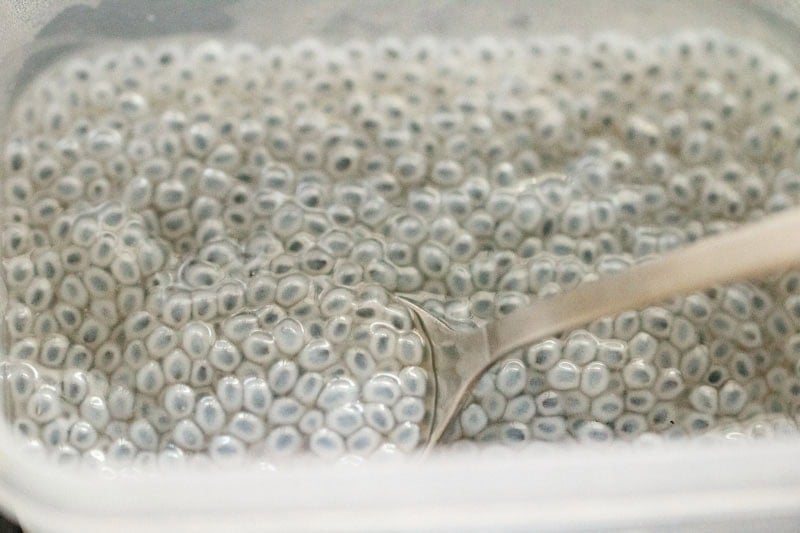
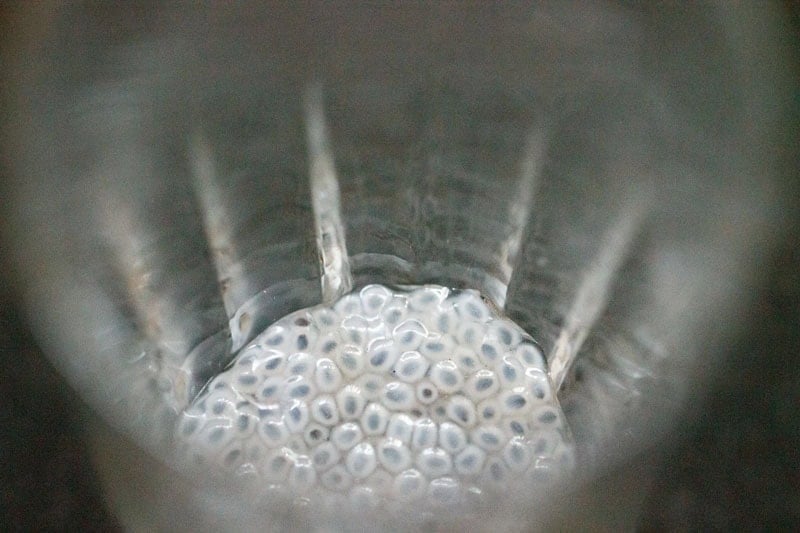
- Sabja Seeds (Sweet Basil Seeds): Often confused with chia seeds, Ocimum basilicum seeds are essential for their cooling properties. When soaked, they develop a gelatinous outer layer that provides a unique textural contrast.
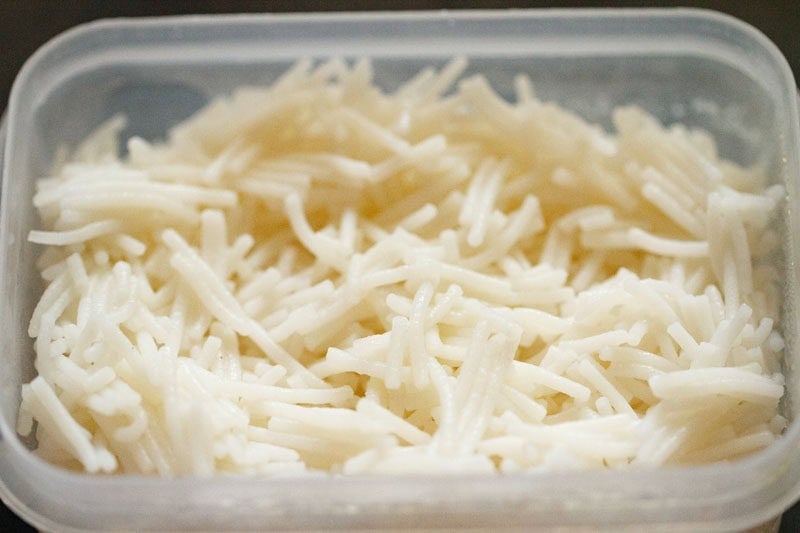
- Falooda Sev: These are thin, translucent noodles traditionally made from cornstarch or arrowroot. They provide the "bite" or structural foundation of the dessert.
- Premium Fat Content: The inclusion of full-cream milk and a crowning scoop of ice cream—typically vanilla, kesar-pista (saffron-pistachio), or traditional kulfi—elevates the beverage from a light refresher to a decadent meal-ender.
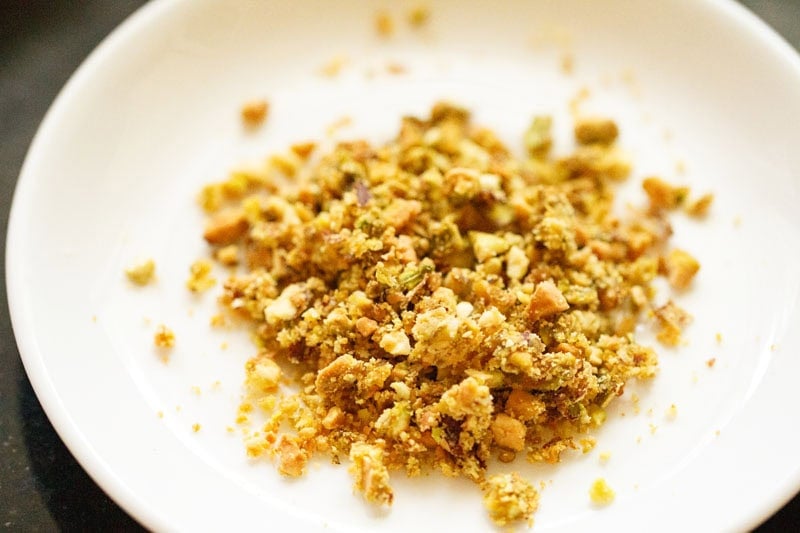
- Aromatic Garnishes: Crushed pistachios, almonds, and occasionally silver leaf (vark) or glazed cherries provide the final aesthetic and textural flourishes.
Chronology: The Art of Precision Assembly
The creation of Kesar Falooda is a time-sensitive process that requires meticulous preparation of individual elements before the final "assembly phase." Professional chefs emphasize that the temperature of each component is critical to the final experience.
Phase I: Rehydration and Infusion
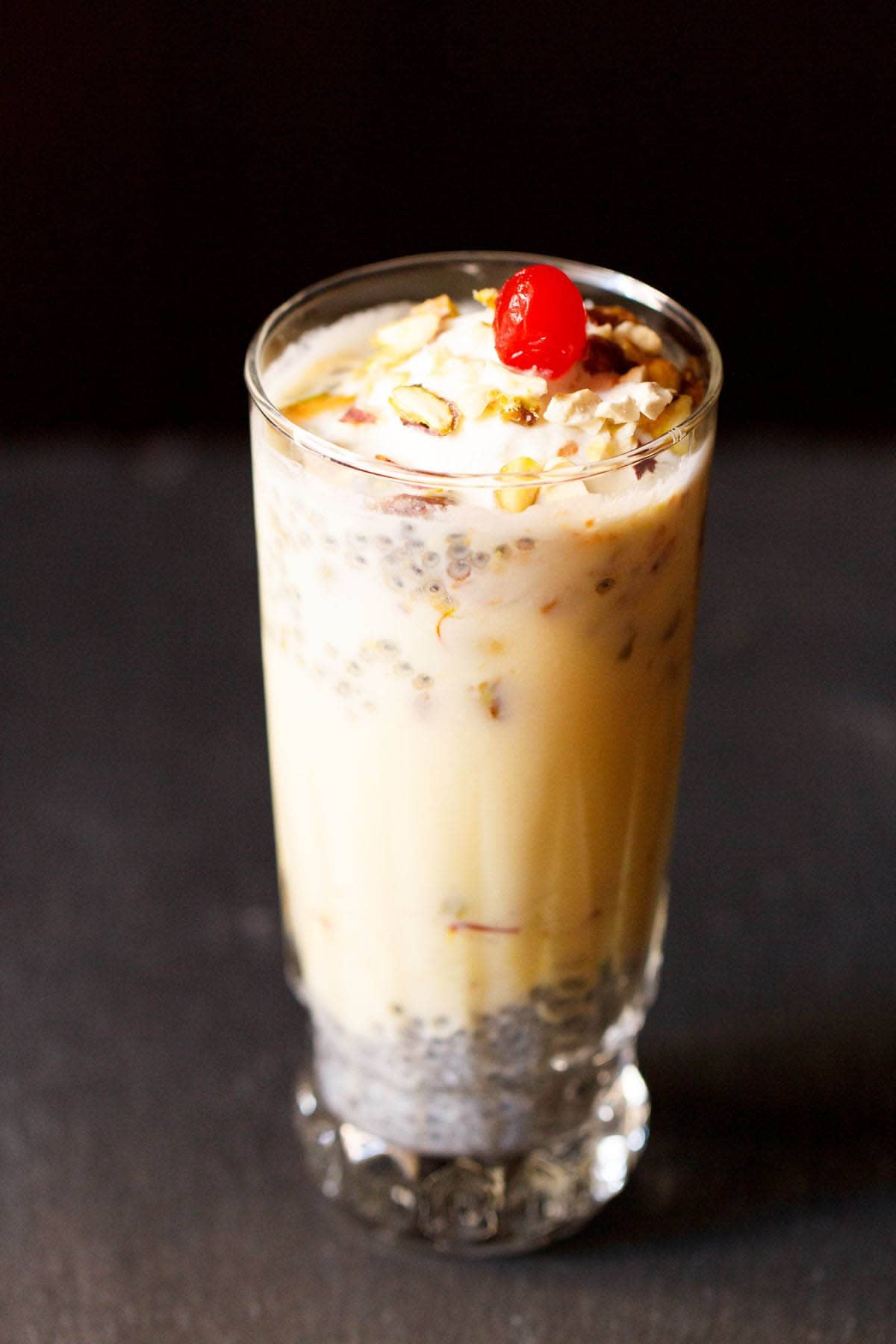
The process begins with the preparation of the sabja seeds. Approximately two teaspoons of seeds are submerged in three-quarters of a cup of water. Over a period of 20 to 30 minutes, the seeds undergo a physical transformation, swelling into gelatinous pearls. Simultaneously, the saffron infusion begins. Strands of saffron are lightly crushed to release their essential oils and then added to milk.
Phase II: Thermal Processing
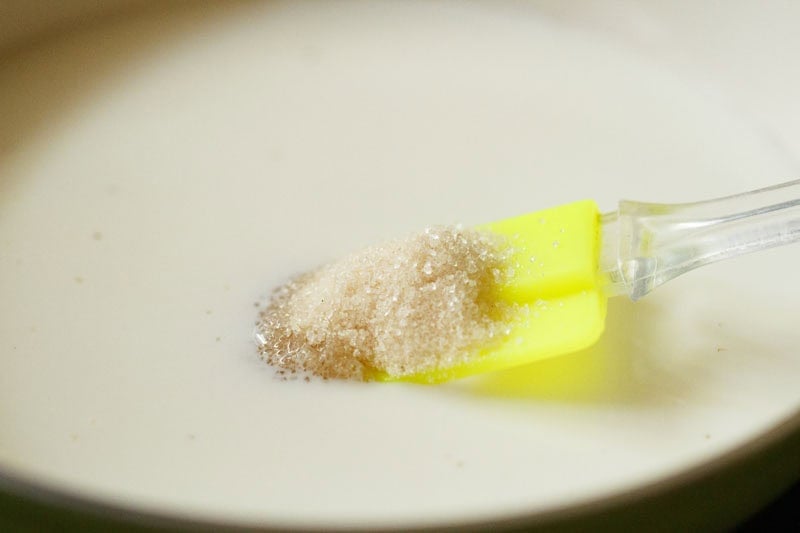
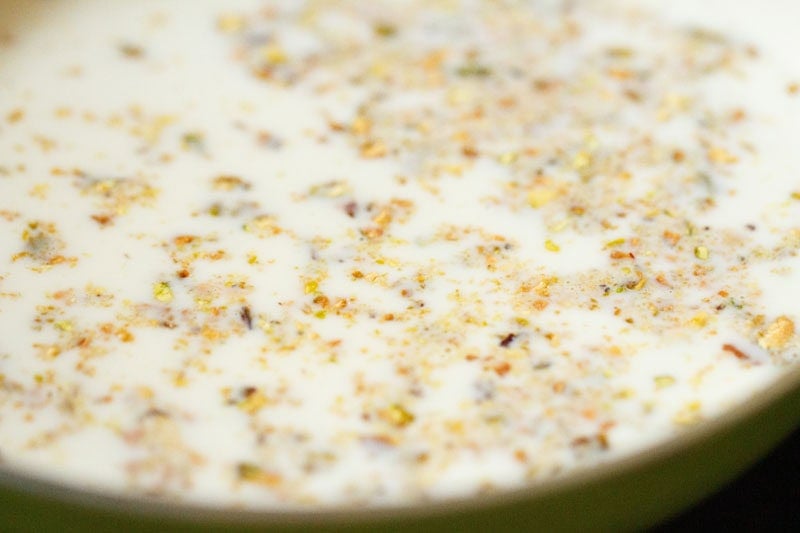
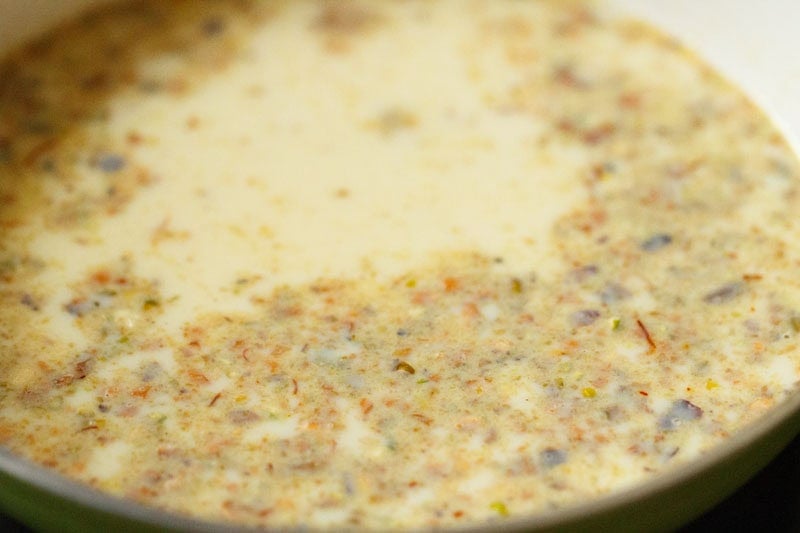
The milk is placed over low heat. Unlike standard boiling, the goal here is "infusion without reduction." Sugar and crushed pistachios are integrated during this stage. Culinary experts suggest that the milk should only be warmed enough to dissolve the sugars and allow the saffron to bleed its color and flavor into the liquid. Once the infusion reaches a pale gold, it is immediately removed from the heat and chilled to near-freezing temperatures.
Phase III: The Starch Element
The Falooda Sev is prepared according to its specific starch profile. While some modern varieties require only a warm-water soak, traditional cornstarch sev must be boiled until al dente, then immediately shocked in ice water to prevent overcooking and clumping. This ensures each strand remains distinct within the milk.
Phase IV: The Final Assembly (The Layering Protocol)
The assembly is a choreographed sequence designed to maintain the visual "strata" of the drink:
- The Base: Soaked sabja seeds are deposited at the bottom of a tall glass.
- The Texture: A layer of chilled falooda sev is placed over the seeds.
- The Thermal Bridge: Ice cubes are added to maintain the low temperature against the room-temperature glass.
- The Infusion: The chilled saffron milk is poured over the layers, filling the glass to the three-quarter mark.
- The Reinforcement: A second layer of seeds and sev is often added to ensure texture is present in every sip.
- The Crown: A generous scoop of ice cream (Vanilla or Kesar-Pista) is placed on top.
- The Garnish: A final scattering of nuts and a cherry completes the visual presentation.
Supporting Data: The Science of Saffron and Sabja
To understand the enduring popularity of Kesar Falooda, one must look at the biochemical and nutritional data behind its primary ingredients.
The Saffron Factor
Saffron (Crocus sativus) is the world’s most expensive spice by weight. The chemical compound crocin is responsible for the golden color, while safranal provides the aroma. Research indicates that saffron possesses antioxidant properties and may act as a mild mood elevator, making the Kesar Falooda not just a treat for the palate, but a "feel-good" beverage in the most literal sense.
Thermal Regulation via Sabja
In Ayurvedic tradition, sabja seeds are classified as a "coolant." Scientifically, the high mucilage content of the soaked seeds provides a soothing effect on the digestive tract. During extreme heat, the consumption of these seeds helps in regulating body temperature, explaining why Falooda sales peak during the summer months in tropical climates.
Nutritional Profile
A standard serving of Kesar Falooda (approx. 300ml) contains:
- Calories: 350–500 kcal (depending on ice cream and sugar content).
- Calcium: Significant levels derived from the full-cream milk base.
- Fiber: Provided by the sabja seeds and cornstarch-based sev.
Official Responses: Perspectives from the Culinary Industry
Leading figures in the hospitality and nutrition sectors have weighed in on the evolution of the Kesar Falooda from a street-side staple to a gourmet dessert.
Chef Vikram Sethi, a specialist in Mughal Cuisine, states:
"The Kesar Falooda is a survivor. It represents the Persian influence on the Indian palate—the faloodeh was originally a frozen starch dessert. By adding milk and saffron, the Indian subcontinent transformed it into a liquid gold that satisfies both thirst and hunger. In modern fine dining, we are now seeing ‘deconstructed’ Faloodas, where the saffron milk is turned into a panna cotta and the sabja seeds are used as a caviar-style garnish."
Nutritionist Dr. Ananya Rao comments on the health-conscious shift:
"While traditionally high in sugar, the industry is responding to the wellness trend. We are seeing a rise in ‘Clean Label’ Faloodas. Stevia is replacing refined sugar, and nut milks (almond or cashew) are being used for vegan versions. However, the core benefits of the sabja seeds remain the primary reason why this dessert is more functional than a standard Western milkshake."
Market Analysis from the Beverage Association:
Data suggests that the "ready-to-assemble" Falooda kit market has grown by 18% annually since 2021. Consumers are increasingly looking to replicate the multi-sensory experience of the Falooda at home, leading to a surge in the sales of high-grade saffron and pre-packaged falooda sev.
Implications: Tradition in a Modern Marketplace
The continued evolution of Kesar Falooda carries significant implications for both the food industry and cultural preservation.
Globalization of Desi Flavors
As the Indian diaspora expands, Kesar Falooda has moved into the mainstream in cities like London, New York, and Dubai. It is no longer confined to ethnic enclaves but is appearing on fusion menus where saffron and cardamom are being recognized as sophisticated flavor profiles on par with salted caramel or matcha.
The "Instagrammability" Factor
In the age of social media, the visual appeal of Kesar Falooda—with its vibrant yellow hues, suspended seeds, and towering ice cream—makes it a highly "shareable" item. This digital visibility has introduced the drink to a younger, global demographic that values aesthetic presentation as much as taste.
Economic Impact on Saffron Farming
The sustained demand for Kesar-flavored products provides a critical economic lifeline for saffron farmers in regions like Kashmir and Iran. As consumers become more discerning, there is a growing market for "Single Origin" saffron, allowing farmers to command higher prices for the premium stigmas required for an authentic Kesar Falooda.
Conclusion
Kesar Falooda is a rare example of a culinary tradition that has managed to remain relevant across centuries. By combining the luxuriousness of saffron with the functional cooling of sabja seeds, it addresses both the physical needs and the indulgent desires of the consumer. Whether served in a simple clay pot on a bustling street corner or in a crystal glass at a five-star resort, the Kesar Falooda remains a definitive benchmark of Indian dessert craftsmanship—a golden link between a storied past and a global future.
