

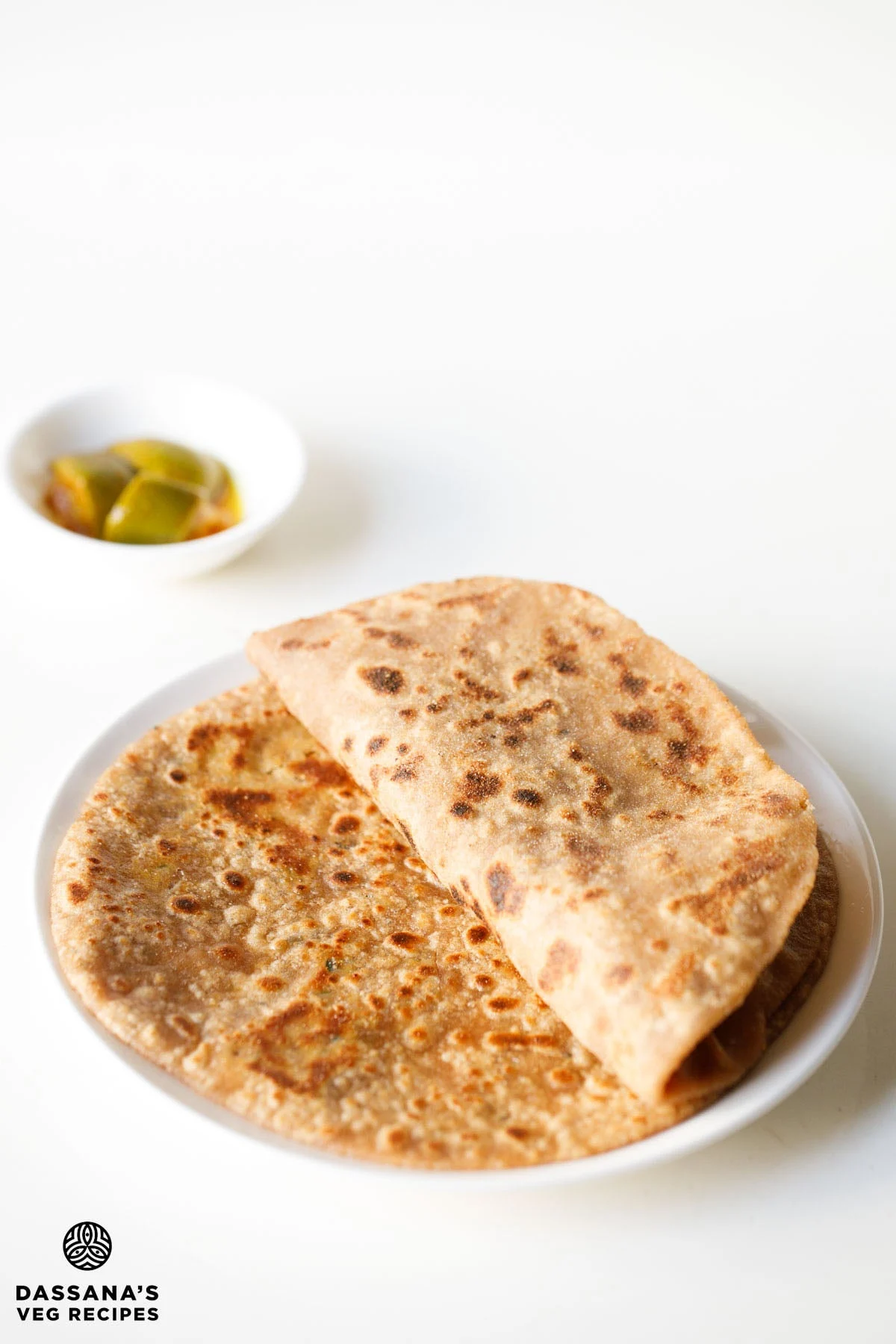
In the vast and diverse culinary landscape of India, few ingredients have undergone a transformation as significant as sattu. Once relegated to the status of a humble, rustic staple for the agrarian laborers of the Gangetic plains, sattu—roasted Bengal gram flour—has emerged as a contemporary "superfood." At the heart of this resurgence is the Sattu Paratha, a traditional stuffed flatbread from Bihar that encapsulates the region’s ingenuity in creating nutrient-dense, flavorful, and shelf-stable meals.
This traditional delicacy is more than just a breakfast item; it is a cultural marker for the states of Bihar, Jharkhand, and parts of eastern Uttar Pradesh. Unlike many other stuffed Indian breads that require complex vegetable preparations or pre-cooking of lentils, the Sattu Paratha relies on a "raw" filling technique that preserves the aromatic integrity of its ingredients. Today, as global food trends shift toward plant-based proteins and ancient grains, the Sattu Paratha is being rediscovered by nutritionists and chefs alike as a model of sustainable, high-protein vegetarian dining.
Main Facts: The Anatomy of a Regional Icon
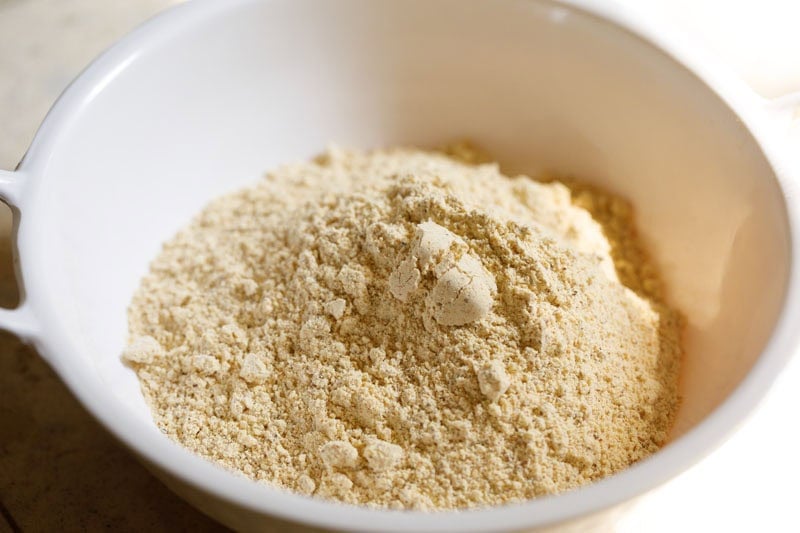
The Sattu Paratha is a whole-wheat flatbread characterized by its savory, pungent, and earthy filling. The primary ingredient, sattu, is produced by dry-roasting black chickpeas (Kala Chana) in sand and then grinding them into a fine flour, often with the skin intact. This process imparts a distinct nuttiness and ensures the flour is pre-cooked, making it easily digestible and ready for immediate consumption.
Key Characteristics:
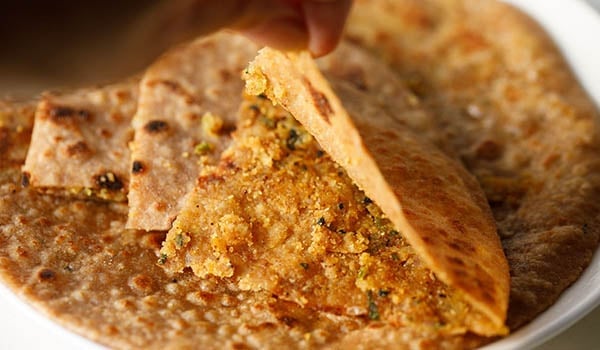
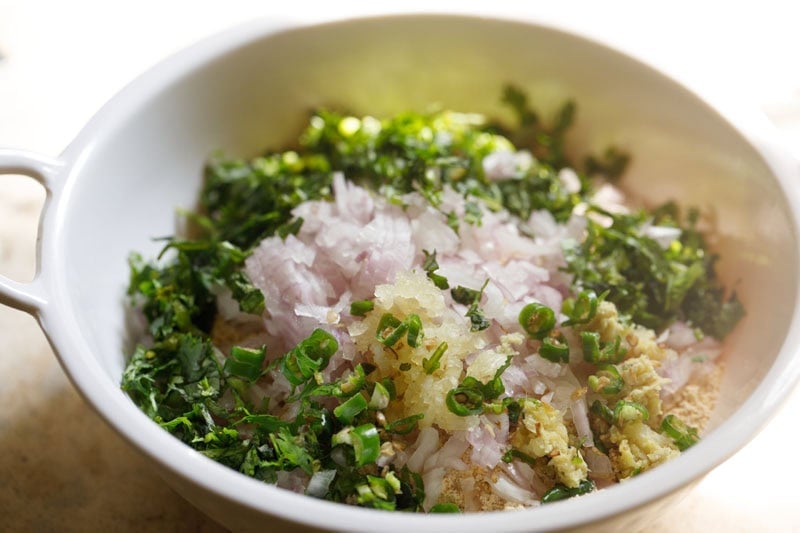
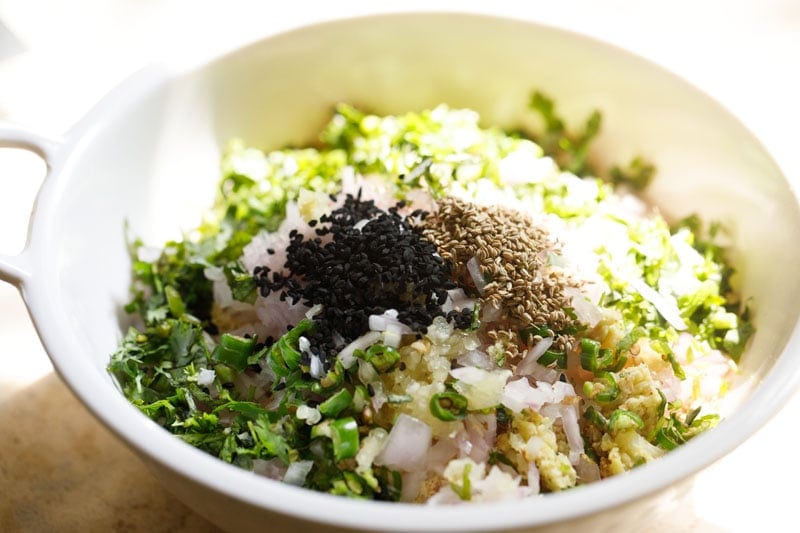
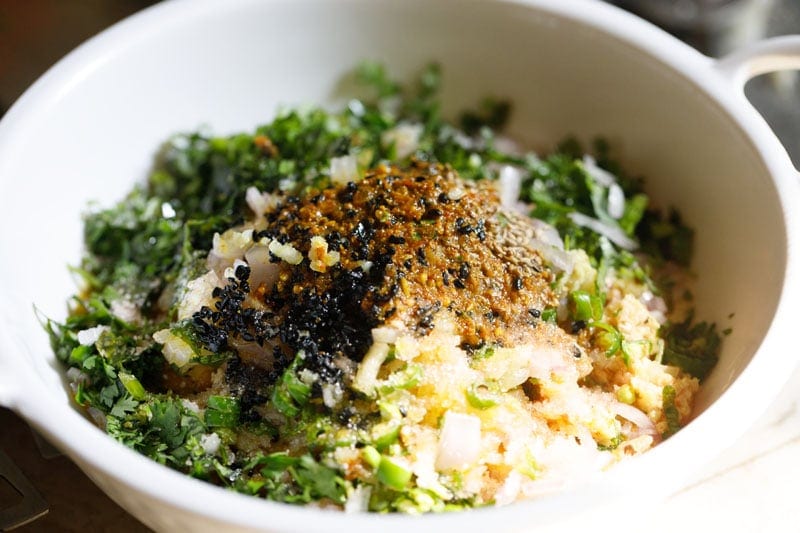
- The Filling: A robust mixture of sattu flour, finely chopped onions, ginger, garlic, and green chilies. The flavor profile is defined by the inclusion of kalonji (nigella seeds) and ajwain (carom seeds).
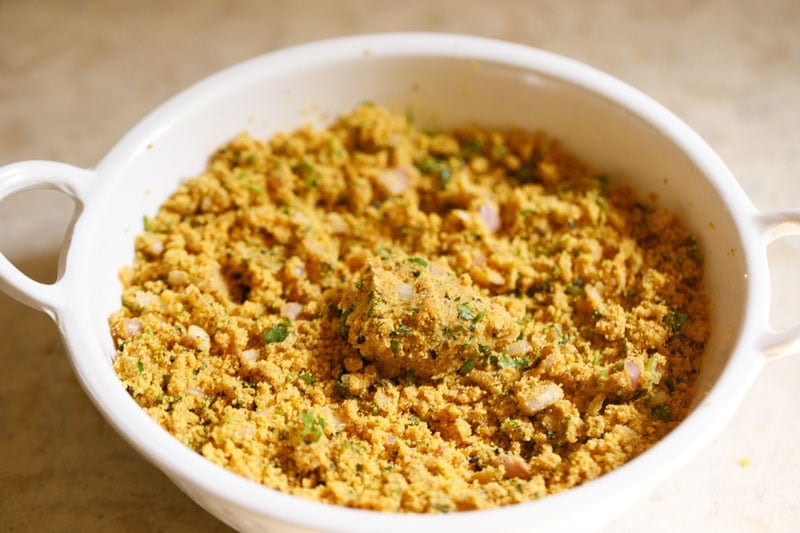
- The Binding Agent: Unlike other parathas that use mashed potatoes or boiled lentils, sattu is bound together with a splash of water and, most crucially, raw mustard oil and North Indian mango pickle masala (achaar ka masala).
- Versatility: It serves as a complete meal when paired with simple accompaniments like curd, coriander chutney, or the traditional Bihari chokha (mashed roasted vegetables).
- Portability: Due to the preservative qualities of mustard oil and the dry nature of sattu, these parathas are a preferred food for long-distance travel, remaining fresh for 24 to 48 hours without refrigeration.
Chronology: From Ancient Survival Food to Urban Trend
The history of sattu and the subsequent evolution of the Sattu Paratha is deeply intertwined with the socio-economic history of Eastern India.
The Ancient Origins
For centuries, sattu was the "fuel" of the working class. Its high fiber content and low glycemic index provided sustained energy for farmers working under the grueling sun. Historically, sattu was consumed as a simple dough ball (litti) or mixed with water and salt to create a cooling summer drink (Sattu Sharbat).
The Medieval Adaptation
As the culinary traditions of the Bihar region matured, the technique of stuffing sattu into wheat dough and shallow-frying it on a tawa (griddle) evolved. This was an adaptation of the paratha—a Persian-influenced flatbread—using local, indigenous ingredients. The Sattu Paratha became a staple in the kitchens of Gaya and Patna, eventually spreading to the households of Jharkhand and Eastern UP.
The Modern Resurgence
In the last decade, the "discovery" of sattu by urban health enthusiasts has moved the Sattu Paratha from rural kitchens to high-end boutiques and health cafes in cities like Delhi, Mumbai, and even London. The transition was fueled by the growing demand for gluten-friendly (though the paratha uses wheat, the filling is gluten-free) and high-protein alternatives to processed flour.
Supporting Data: Nutritional Profile and Economic Impact
The popularity of the Sattu Paratha is supported by a formidable nutritional profile. According to culinary data and nutritional analysis, a single serving of Sattu Paratha (approximately 8 servings per recipe batch) offers a balanced distribution of macronutrients.
Nutritional Breakdown (Per Serving):
- Calories: 119 kcal
- Protein: While the flour itself is protein-rich, the combined wheat and sattu profile provides essential amino acids.
- Fat: 12g (Primarily healthy monounsaturated fats from mustard oil and ghee).
- Sodium: 350mg
- Micronutrients: Significant traces of Iron, Magnesium, and Vitamin C (from the herbs and chilies).
The economic implications are equally noteworthy. The sattu industry supports thousands of small-scale roasting units across Bihar. As the demand for Sattu Paratha increases nationally, the "Sattu Economy" has seen a 15-20% growth in export volume to other Indian states, providing a vital revenue stream for local chickpea farmers.
Perspectives: Culinary and Nutritional Expertise
While there are no "official government responses" to a recipe, food historians and nutritionists provide the professional context that elevates this dish from a simple recipe to a subject of study.
The Nutritionist’s View
Dr. Ananya Roy, a clinical nutritionist specializing in Indian diets, notes: "Sattu is often called the ‘poor man’s protein,’ but that is a misnomer. It is a ‘smart man’s protein.’ The roasting process eliminates anti-nutritional factors in the chickpeas, making the protein more bioavailable. In a Sattu Paratha, the combination of complex carbohydrates from the wheat and high fiber from the sattu creates a slow-release energy source that is ideal for diabetics and those seeking weight management."
The Culinary Historian’s Perspective
Chef Rakesh Sethi, a proponent of regional Indian cuisine, explains the importance of the "pickle factor." "The use of mango pickle masala in Sattu Paratha is a stroke of culinary genius. It provides acidity, salt, and oil all at once. It’s a preservative technique that allows the paratha to stay soft and flavorful during travel. This is indigenous food science at its best."
Implications: Health, Sustainability, and Heritage
The continued popularity and enrichment of the Sattu Paratha recipe have several long-term implications for the food industry and cultural preservation.
1. Promoting Food Security and Sustainability
Chickpeas (the source of sattu) are nitrogen-fixing crops that require significantly less water than rice or wheat. By promoting sattu-based meals, the culinary world supports a more sustainable agricultural model that is resilient to the climate challenges faced by the Indian subcontinent.
2. The "Slow Food" Movement
The Sattu Paratha represents the "Slow Food" philosophy. Even though the filling is quick to assemble, the ingredients—roasted gram, hand-pressed mustard oil, and sun-dried pickles—require time and traditional methods to produce. Its rise encourages the preservation of these artisanal techniques.
3. Global Gastronomic Identity
As Indian cuisine moves beyond the ubiquitous "Chicken Tikka Masala," regional dishes like Sattu Paratha are defining a new identity for Indian food abroad. It positions Bihar not just as a land of history, but as a contributor to the global health-food dialogue.
Technical Appendix: The Standardized Preparation Process
To ensure the consistency of this regional dish, culinary experts follow a rigorous stepwise chronology.
Phase I: The Foundation (The Dough)
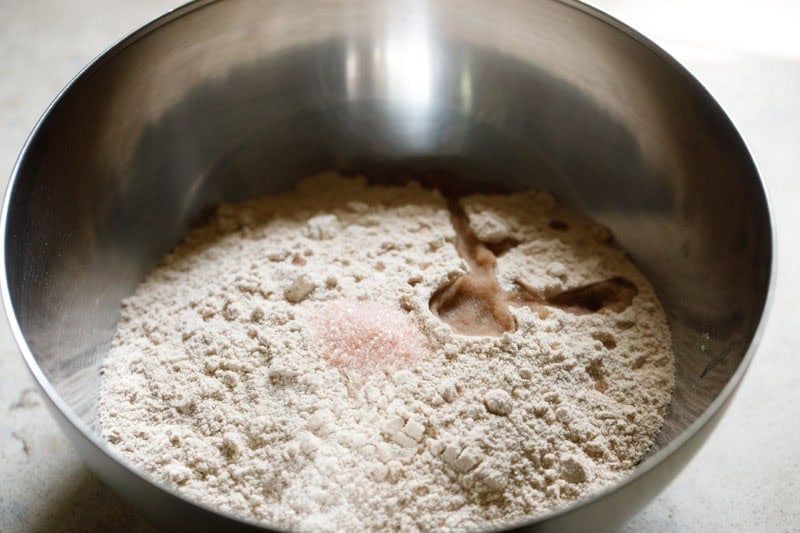
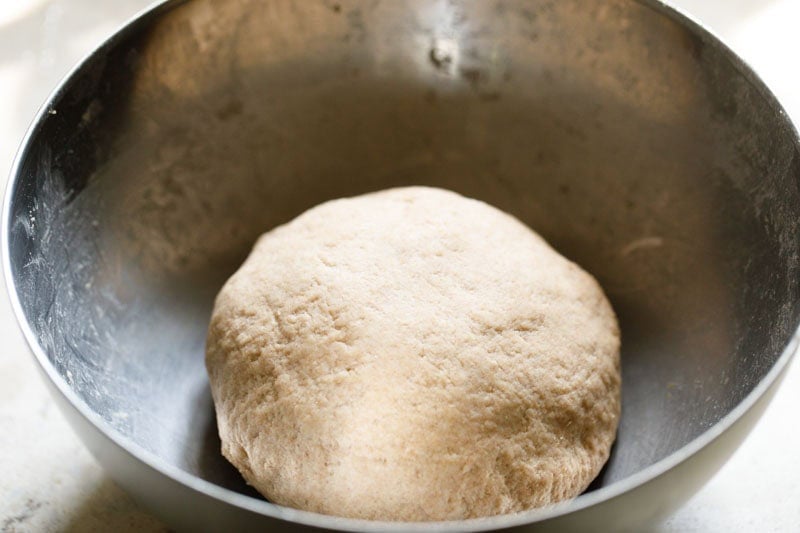
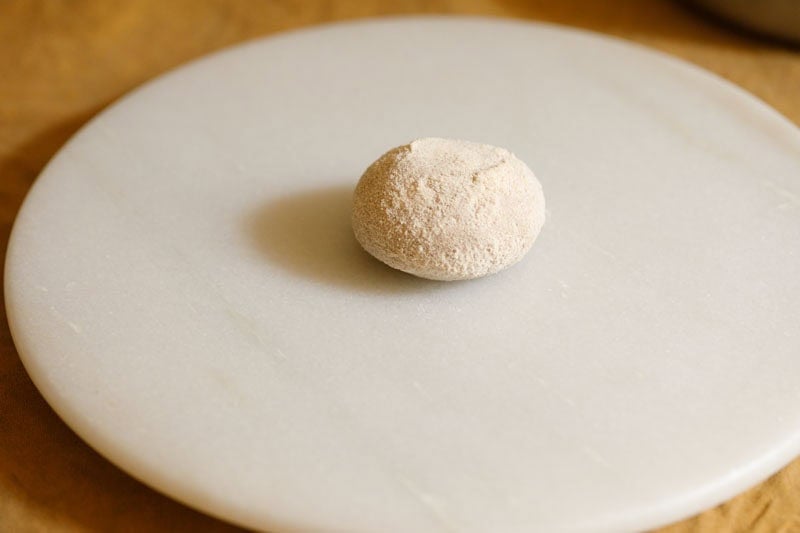
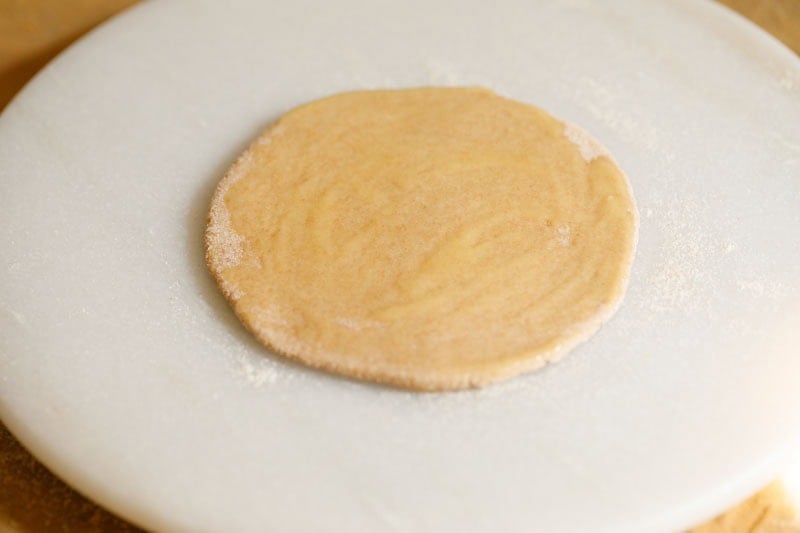
The process begins with a simple but precise dough. Two cups of whole wheat flour are combined with a pinch of salt and a teaspoon of oil. The key is the hydration—adding water gradually to achieve a "pliable and smooth" consistency. A resting period of 20 to 30 minutes is mandatory to allow the gluten to relax, ensuring the paratha doesn’t tear during the stuffing process.
Phase II: The Core (The Sattu Stuffing)
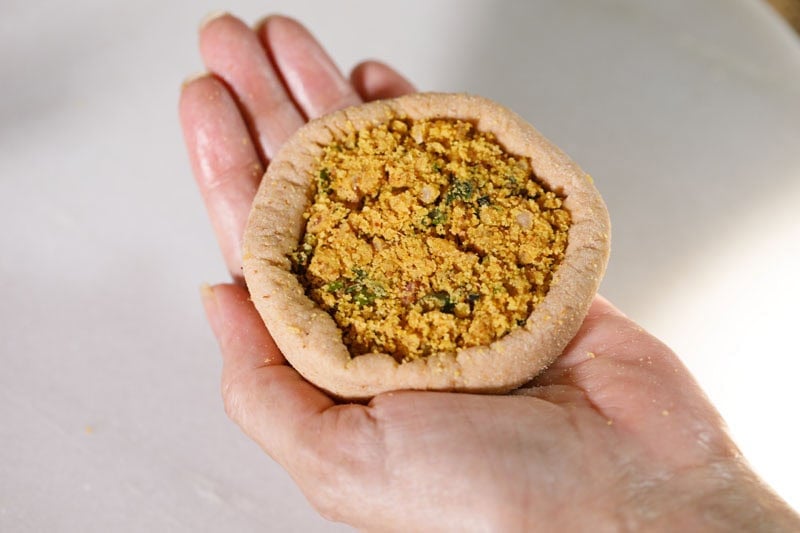
The stuffing is where the "flavor chemistry" occurs. One cup (approx. 130g) of sattu is mixed with:
- Aromatics: Chopped onions, ginger, garlic, and coriander.
- The "Bihari Quartet": Nigella seeds, carom seeds, mustard oil, and mango pickle masala.
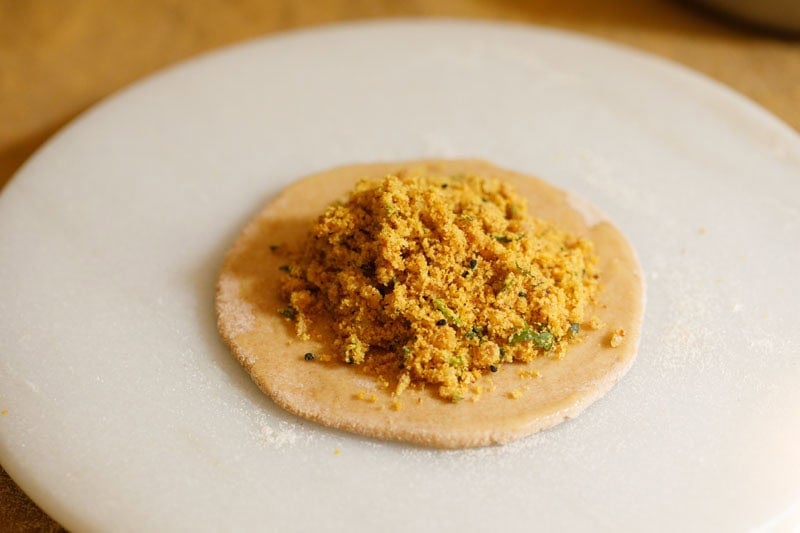
- Hydration: 1-2 tablespoons of water are sprinkled to create a "moist and crumbly" texture. The goal is a mixture that holds its shape when pressed but remains airy.
Phase III: The Craft (Rolling and Roasting)
There are two primary methods for assembly:
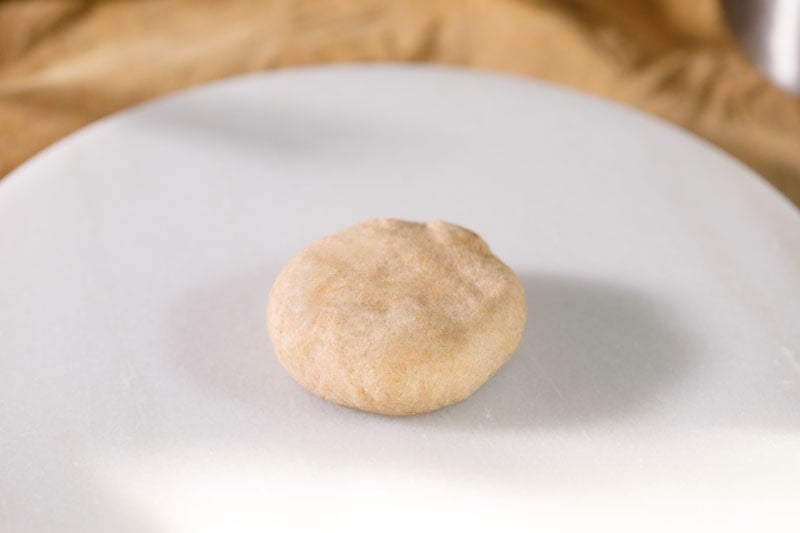
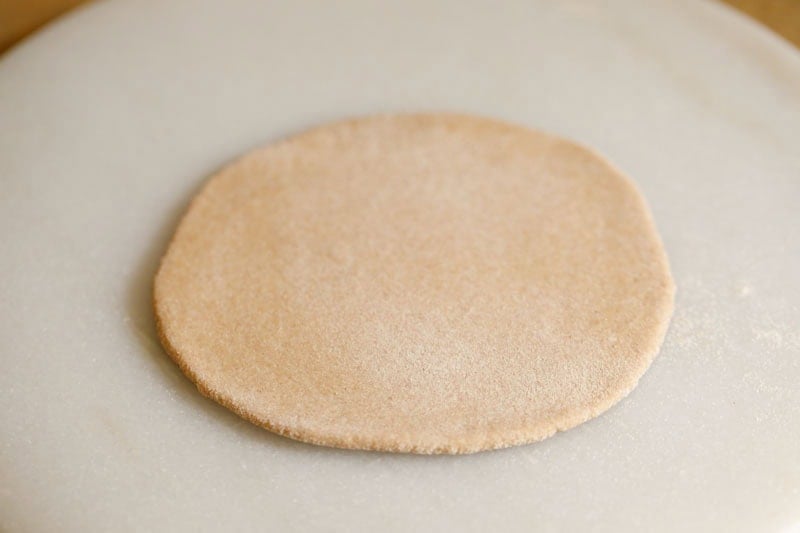
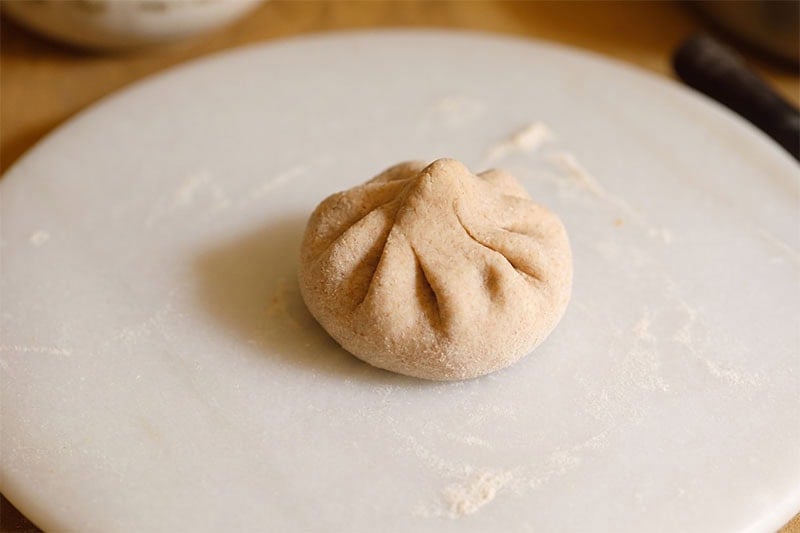
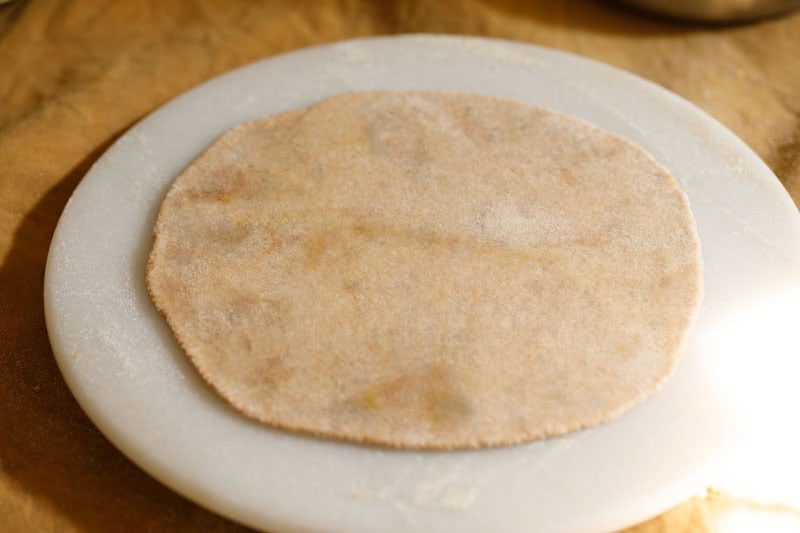
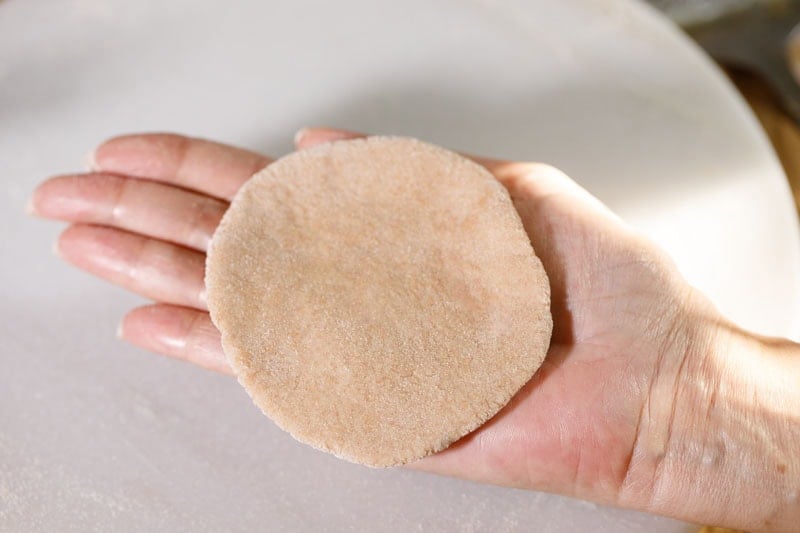
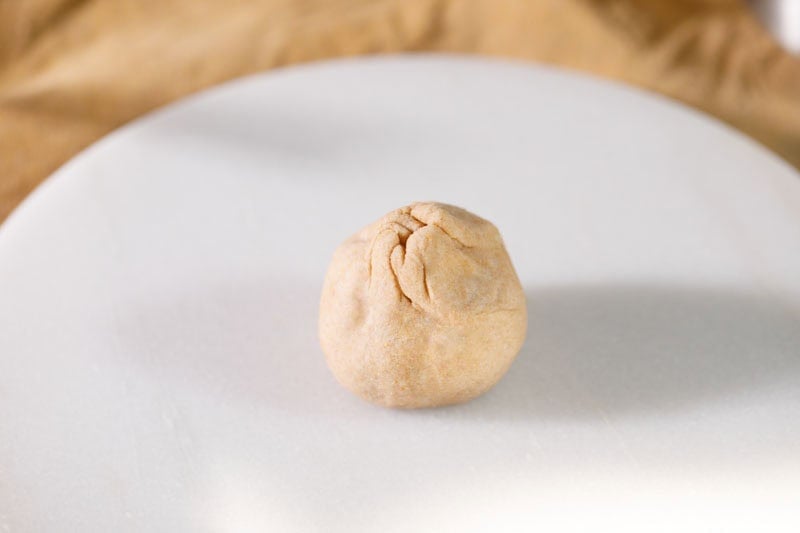
- The Easy Method: Rolling the dough into a 4-inch circle, placing the filling, and sealing it like a pouch.
- The Traditional Method: Hand-shaping the dough into a "cup" or "bowl," a technique that requires significant dexterity to ensure the walls of the dough are of even thickness.
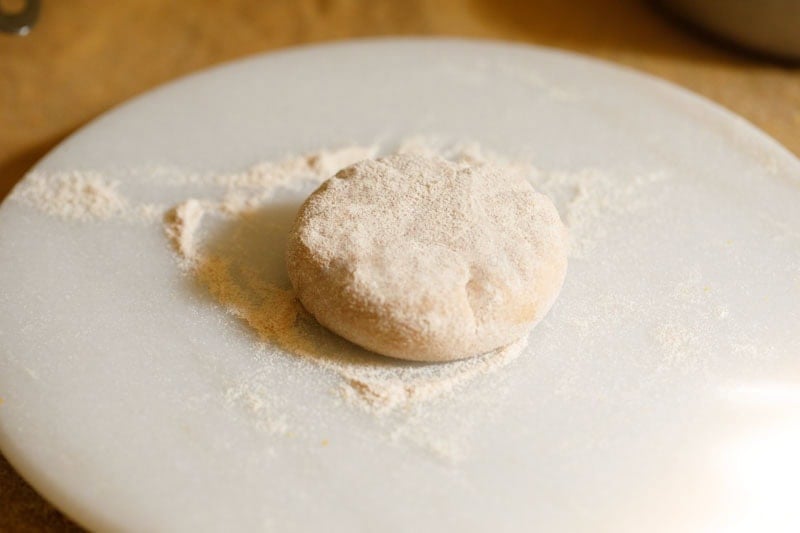
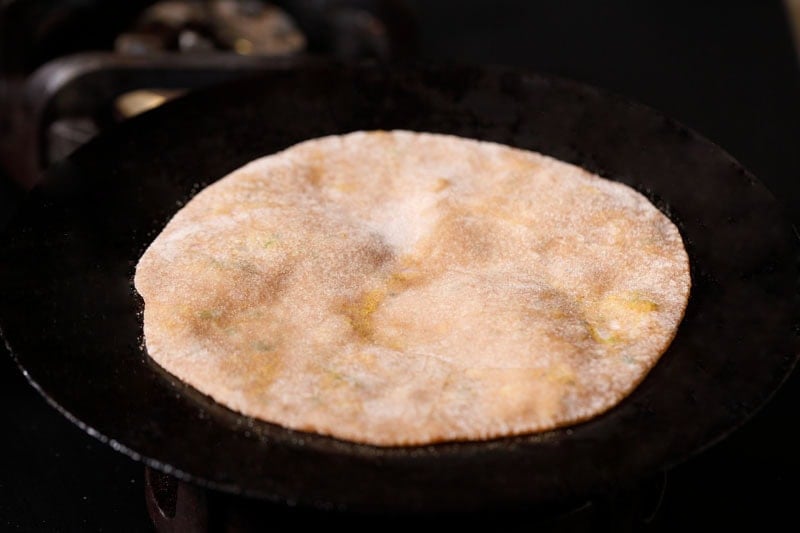
The final stage involves roasting on a heavy-bottomed tawa. High heat is essential to create the characteristic "golden spots" without drying out the interior. The application of ghee or oil during the final seconds of cooking creates a crisp exterior that contrasts with the soft, nutty interior.
Conclusion
The Sattu Paratha is a testament to the fact that the most enduring culinary traditions are often those born of necessity. By combining nutritional density with a sophisticated understanding of spice and preservation, the people of Bihar created a dish that is perfectly suited for the 21st-century palate. Whether enjoyed as a hot breakfast in a village in Gaya or packed in a lunchbox in a bustling metropolis, the Sattu Paratha remains a triumph of regional Indian gastronomy—a humble flatbread with a global future.
