

The Quintessential Condiment: An Overview of Idli Chutney’s Global Rise
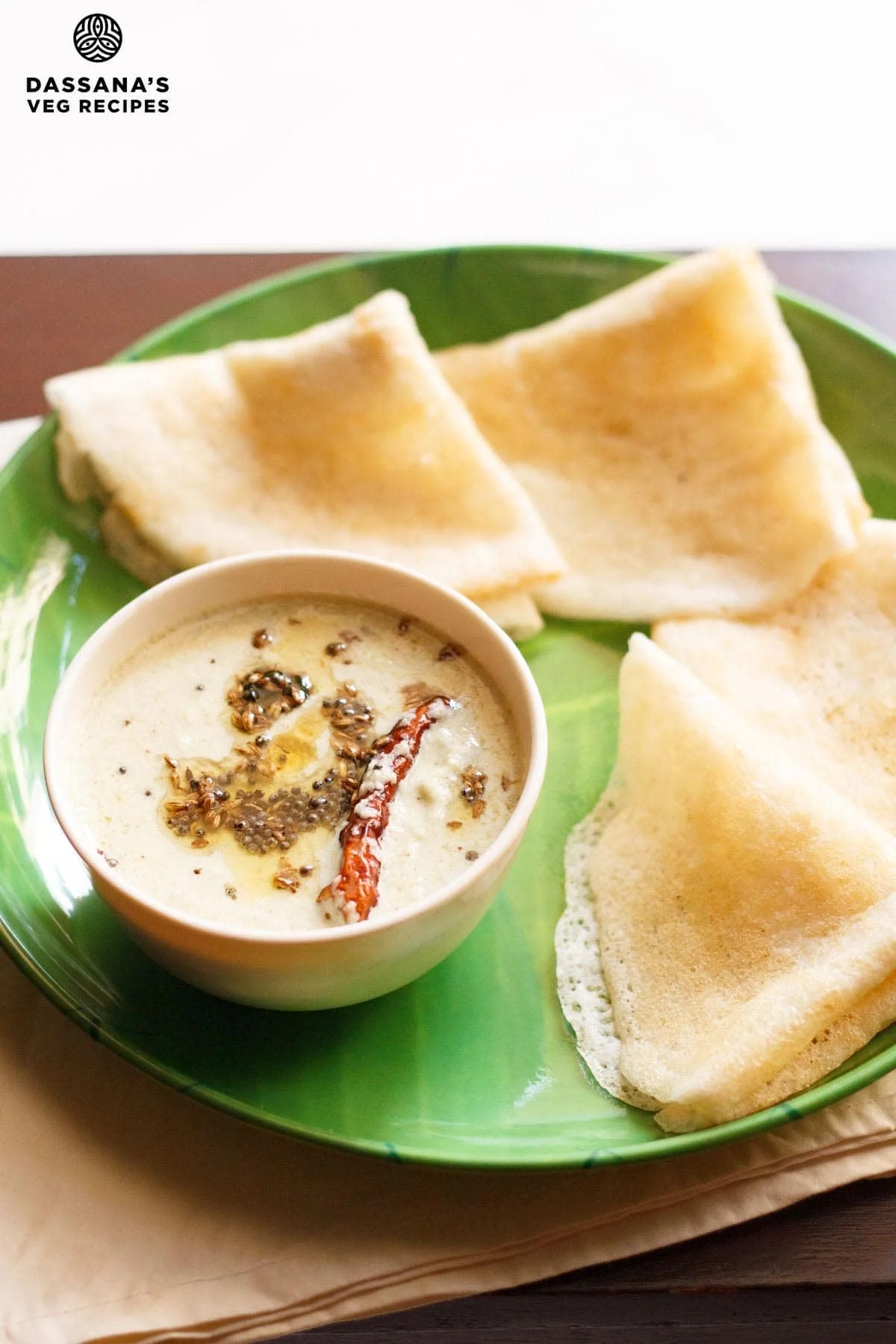
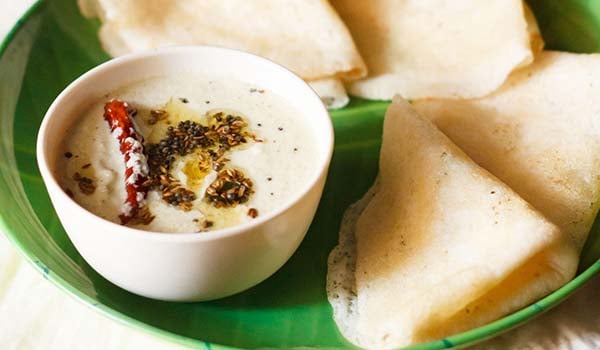
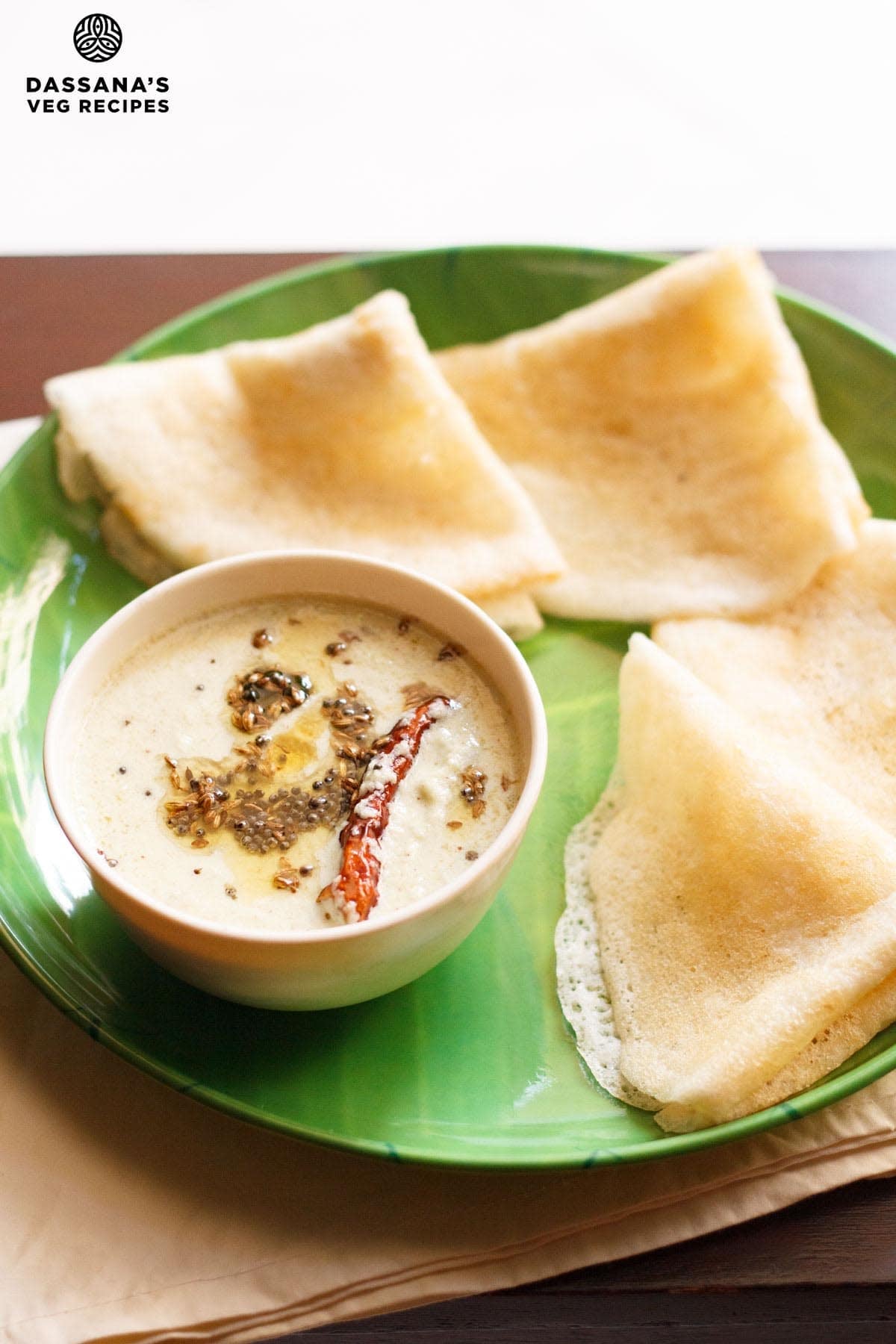
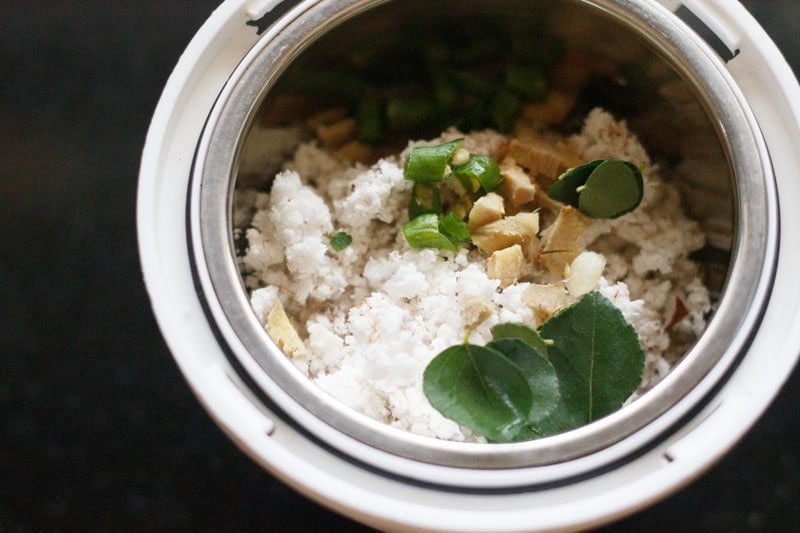
In the vast and intricate landscape of Indian gastronomy, few elements are as ubiquitous yet essential as the white coconut chutney, colloquially known as Idli Chutney or Dosa Chutney. While often relegated to the status of a side dish, this condiment serves as the structural backbone of the South Indian "tiffin" (breakfast or light meal) culture. Recent culinary trends indicate a shift toward simplifying these traditional recipes, focusing on raw, high-quality ingredients like fresh coconut, green chilies, ginger, and garlic, finished with a precise tempering process known as tadka.
The primary function of Idli Chutney is to provide a creamy, cooling contrast to the fermented tang of idli (steamed rice cakes) and the crispy, savory profile of dosa (lentil crepes). However, its role has expanded. In modern urban kitchens, the recipe has evolved into a streamlined version that bypasses traditional thickening agents like roasted chana dal or souring agents like tamarind, instead emphasizing the pure, unadulterated flavor of the coconut. This "easy version" of the chutney is gaining traction among global audiences and busy professionals for its accessibility and rapid preparation time.
A Historical Chronology of the South Indian Tiffin
To understand the significance of Idli Chutney, one must trace the chronology of the South Indian breakfast. The evolution of this condiment is inextricably linked to the history of the ingredients themselves and the technological shifts in the Indian kitchen.
The Ancient Roots of Coconut and Fermentation
The use of coconut in the Indian subcontinent dates back thousands of years, with the Cocos nucifera being a staple of coastal trade and diet since the Vedic period. Historically, chutneys were prepared using a sil-batta (grinding stone), which yielded a coarse, textured paste that retained the essential oils of the coconut.
The Mid-20th Century: The Rise of the Udupi Restaurant
The mid-1900s saw the explosion of Udupi restaurants across India. These establishments standardized the "tiffin" meal. It was during this era that the coconut chutney became a commercial staple. To ensure longevity and cost-effectiveness, many commercial kitchens began adding roasted gram (chana dal) or peanuts to the mix, creating a thicker, more stable emulsion that could withstand the heat of a busy restaurant floor.
The Digital Age and the Return to Simplicity
By the early 2020s, a counter-movement emerged in domestic cooking. Influenced by home-cooking platforms and a desire for "cleaner" eating, the modern chronology of the chutney shifted back toward the minimalist version. The recipe provided—consisting of coconut, chilies, ginger, garlic, and curry leaves—reflects this modern preference for "fresh-first" ingredients over shelf-stable additives.
Supporting Data: The Anatomy of Ingredients and Nutritional Synergy
The nutritional profile of Idli Chutney is a testament to the functional medicine principles often found in traditional Indian diets. A standard serving (approximately 3 portions) contains roughly 148 kcal, but the value lies in the micronutrient density and the synergy of its components.
The Role of Medium-Chain Triglycerides (MCTs)
The primary ingredient, coconut, is a significant source of saturated fats (8g per serving), specifically Medium-Chain Triglycerides. Unlike long-chain fatty acids, MCTs are processed directly by the liver for energy, making this chutney a high-octane accompaniment to the carbohydrate-heavy idli.
Micronutrient Breakdown
Data from nutritional analyses reveals that this specific formulation is a powerhouse of vitamins and minerals:
- Vitamin C (63mg): Primarily derived from fresh green chilies, providing a significant boost to the immune system.
- Vitamin B9 / Folate (361µg): Essential for DNA repair and red blood cell formation.
- Sodium and Potassium Balance: With 445mg of sodium and 116mg of potassium, the chutney helps maintain electrolyte balance, which is crucial in the tropical climates of South India.
- Ginger and Garlic: These additives serve as more than just aromatics; they act as digestive aids, neutralizing the potential bloating caused by the fermented batters of idlis and dosas.
The Science of the Tadka (Tempering)
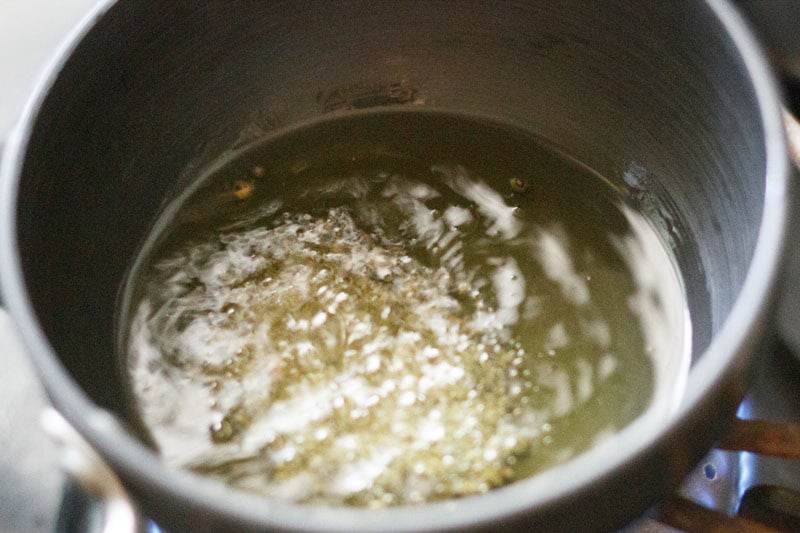
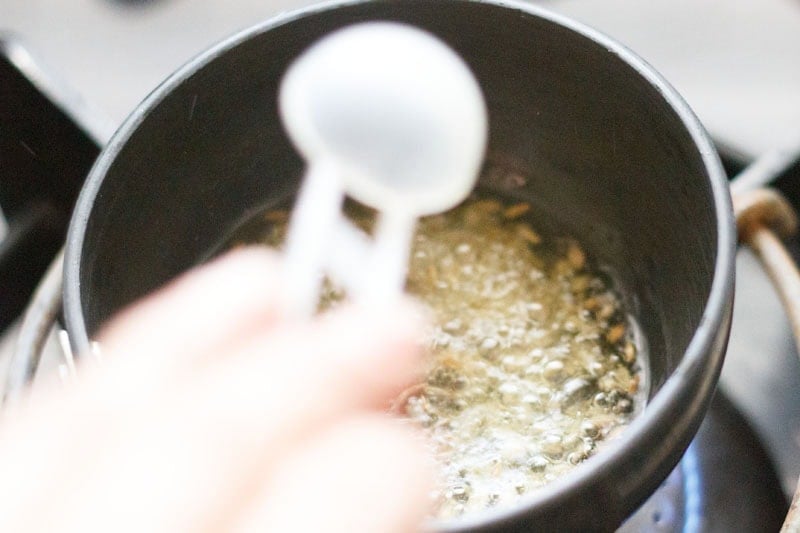
The final step of the recipe involves heating oil with mustard seeds, cumin, dried red chilies, and asafoetida. From a chemical perspective, this process—known as tempering—serves to bloom the fat-soluble compounds within the spices. The mustard seeds release isothiocyanates, while the cumin releases cuminaldehyde, enhancing both the bio-availability of the nutrients and the complexity of the flavor profile.
Official Responses: Expert Perspectives on Culinary Authenticity
Culinary historians and professional chefs have weighed in on the transition from complex, multi-ingredient chutneys to the simpler version highlighted in this report.
"There is a misconception that ‘traditional’ always means ‘complicated,’" says Dr. Aruna Iyengar, a food historian specializing in Dravidian cuisine. "The most authentic coastal chutneys were always simple. The addition of dals and onions was often a regional adaptation or a way to stretch the ingredients. This streamlined version, using fresh ginger and garlic, is actually a return to the roots of the dish."
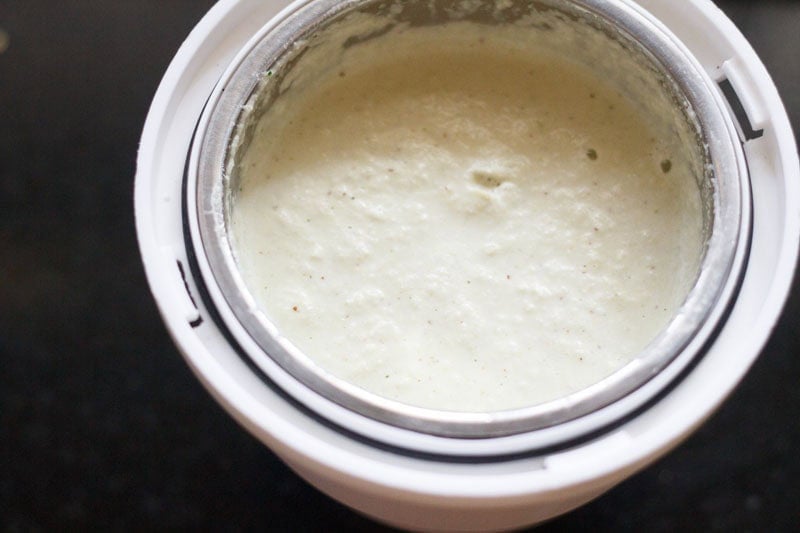
Executive Chef Vikram Sethi notes the importance of texture in the modern professional kitchen. "In high-end Indian dining, we are seeing a move away from the completely pulverized, watery chutneys of the past. By using fresh coconut and a controlled amount of water, as suggested in this recipe, you achieve a ‘velvet-coarse’ texture that holds onto the idli rather than running off it. It’s a matter of mouthfeel."
Furthermore, nutritionists emphasize the perishability of the dish. "Because this recipe uses fresh, raw coconut without the preservative qualities of high salt or acid (like tamarind), it is a ‘live’ food," explains nutritionist Suman Rao. "The recommendation to serve it immediately or refrigerate it for only a few hours is vital to prevent the oxidation of the coconut fats."
Implications: The Future of the Indian Kitchen
The shift toward this specific style of Idli Chutney carries several implications for the future of food culture and domestic labor.
1. The Democratization of South Indian Cuisine
By removing the need for specialized ingredients like roasted chana dal or the specific preparation of tamarind pulp, the "easy version" of this chutney makes South Indian cuisine more accessible to the global diaspora. It allows for a "pantry-staple" approach to a cuisine that was once considered labor-intensive.
2. The Freshness Paradigm
The emphasis on fresh coconut over desiccated versions highlights a growing consumer demand for whole foods. While the recipe acknowledges that desiccated coconut can be used with warm water, the clear preference for fresh ingredients reflects a broader movement against processed food stabilizers.
3. Sustainability and Food Waste
The highly perishable nature of the coconut chutney serves as a reminder of the "Slow Food" philosophy. Unlike bottled condiments that last for months, this chutney must be consumed in a single sitting. This encourages a "cook-to-eat" ratio that, while requiring more frequent preparation, significantly reduces the chemical preservatives ingested by the consumer.
4. Technological Integration
The transition from the grinding stone to the high-speed "chutney grinder" jar has changed the cellular structure of the ingredients. Modern blenders can emulsify the coconut fats more thoroughly, leading to a creamier result. This technological shift has allowed for the omission of thickening agents, as the machine does the work of creating a stable suspension that the human hand once could not.
Conclusion: More Than Just a Side Dish
The Idli Chutney, in its simplest form, is a masterclass in balance. It balances the heat of chilies with the fat of coconut; the pungency of garlic with the earthiness of curry leaves; and the soft texture of the grind with the crackling pop of the tempering. As the world becomes more interconnected, these "simple" recipes stand as cultural ambassadors, proving that the most profound culinary experiences often come from the most basic, well-executed ingredients. Whether served with a fluffy medu vada or a crisp rava dosa, the coconut chutney remains an indispensable icon of the Indian breakfast table, evolving with the times while staying true to its coastal essence.
