

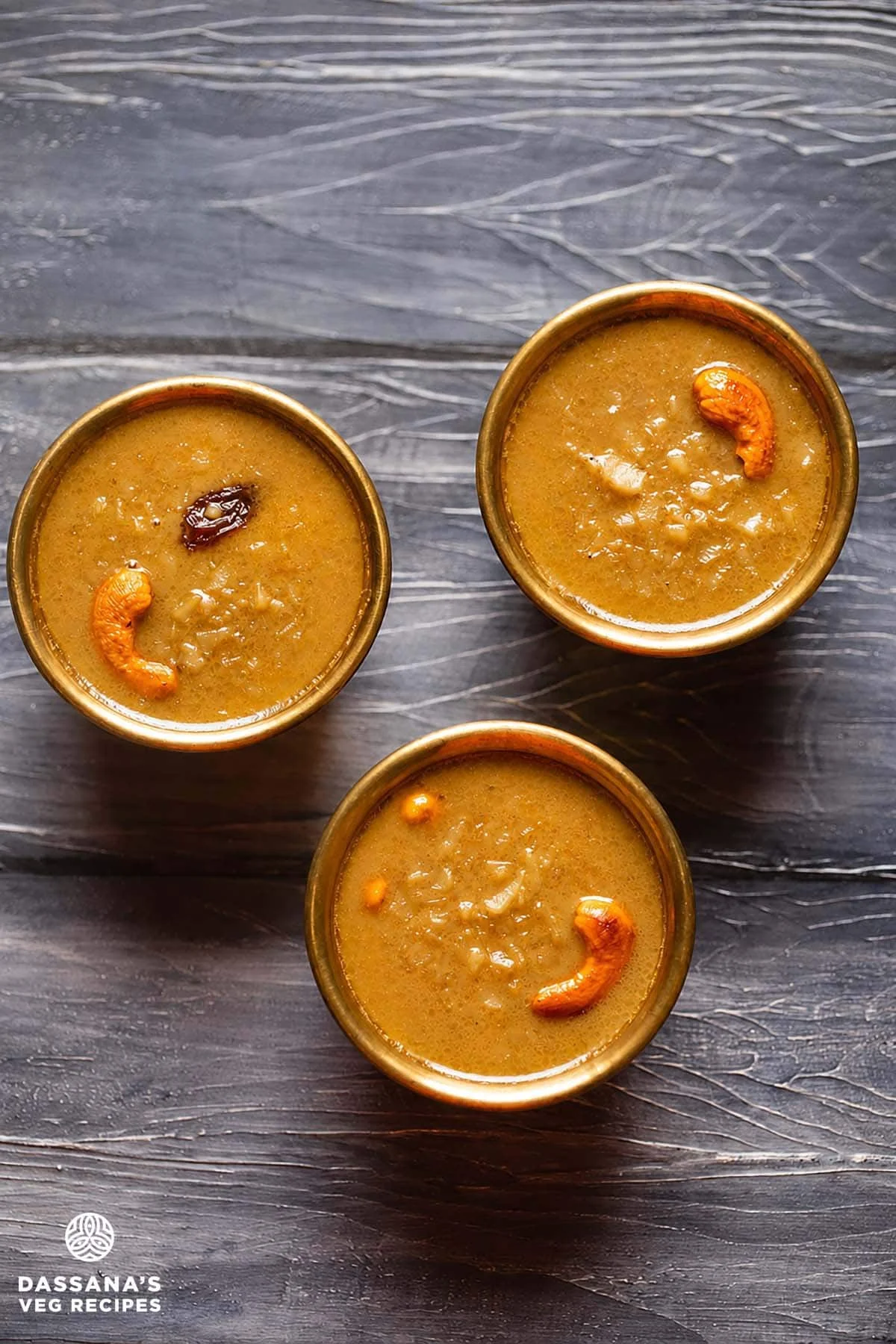
THIRUVANANTHAPURAM — In the lush, palm-fringed landscape of Kerala, culinary traditions are often viewed as a sacred extension of the state’s cultural identity. Among the vast repertoire of the "God’s Own Country" kitchen, one dish stands preeminent, particularly during the harvest festival of Onam: Ada Pradhaman. Often referred to as the "King of Payasams," this complex, multi-layered dessert represents a sophisticated harmony of indigenous ingredients, including hand-pressed coconut milk, dark jaggery, and delicate rice ribbons known as ada.

As global interest in plant-based diets and regional Indian cuisines continues to surge, Ada Pradhaman has transitioned from a local festive staple to a subject of international culinary fascination. This report explores the intricate preparation, historical significance, and nutritional landscape of this iconic Malayali delicacy.

Main Facts: The Anatomy of a Masterpiece
Ada Pradhaman is a traditional Kerala sweet dish characterized by its deep mahogany color and a rich, creamy texture derived entirely from plant-based sources. Unlike its counterpart, Palada Payasam, which relies on dairy milk and refined sugar, the Pradhaman variant is defined by the use of sarkara (unrefined jaggery) and thengapal (coconut milk).

The soul of the dish lies in the ada—small, flat pieces of rice pasta. Historically, these were prepared by spreading a thin batter of rice flour on wilted banana leaves, steaming them, and سپس cutting them into tiny flakes. While modern convenience has introduced dried, ready-made ada, the fundamental requirement remains the same: the rice flakes must be tender enough to melt in the mouth yet resilient enough to retain their shape amidst the viscous syrup.

The flavor profile is a masterclass in balance. The earthy sweetness of the jaggery is tempered by the richness of the coconut milk, while a triad of spices—cardamom, dry ginger (chukku), and cumin (jeerakam)—provides a warm, digestive finish. The final flourish involves a "tempering" of cashews and raisins fried in neyy (ghee), though traditionalists often substitute coconut oil to maintain a strictly vegan profile.

Chronology: The Lifecycle of a Festive Preparation
The preparation of Ada Pradhaman is an exercise in patience, often taking several hours when prepared for large-scale celebrations like the Onam Sadya (the traditional vegetarian feast). The process follows a strict chronological sequence to ensure the coconut milk does not curdle and the flavors meld seamlessly.

Phase I: The Preparation of the Ada
The journey begins with the rehydration and cooking of the rice flakes. The ada is plunged into a rolling boil of water and simmered until it achieves a translucent, soft texture. A critical step in this phase is the immediate rinsing of the cooked ada in cold water. This removes excess surface starch, preventing the pieces from clumping and ensuring each flake remains distinct within the final dessert.

Phase II: The Jaggery Infusion
While the ada rests, the "sweet base" is prepared. High-quality jaggery is dissolved in water or thin coconut milk over a low flame. The resulting syrup is strained through a fine mesh to remove impurities—a common necessity with unrefined sugars. The cooked ada is then introduced to this dark syrup and simmered. This stage is vital; the rice flakes must "drink" the jaggery, absorbing the sweetness into their core before the fats of the coconut milk are added.

Phase III: The Integration of the Coconut Milk
In traditional Kerala kitchens, three "extracts" of coconut milk are used. The third (thinnest) extract is used for initial cooking, the second for simmering, and the first (thickest and creamest) is added at the very end. Modern recipes often simplify this using a single thick extract. The heat must be lowered to a minimum during this stage; if the mixture reaches a hard boil after the thick coconut milk is added, the emulsion will break, leading to a curdled, unappealing texture.

Phase IV: The Aromatic Tempering
The final act involves the tempering of spices and garnishes. Cardamom provides the top notes, while cumin and dry ginger provide the "bass" notes that aid in the digestion of the rich fats. In a separate pan, cashews and raisins are fried until golden and plump, then folded into the pradhaman, adding a textural contrast to the soft rice flakes.

Supporting Data: Nutritional and Chemical Composition
From a nutritional perspective, Ada Pradhaman is a high-energy dessert, designed to be the caloric climax of a 26-dish Sadya. However, its reliance on unrefined ingredients offers a different metabolic profile than sugar-laden Western desserts.

Nutritional Breakdown (Per Serving – Approx. 250ml):

- Calories: 467 kcal
- Total Fat: 25g (primarily medium-chain triglycerides from coconut milk)
- Carbohydrates: 59g
- Sugars: 55g (derived from jaggery, which contains trace minerals like iron and magnesium)
- Fiber: 2g
- Protein: 2g
The presence of dry ginger (Zingiber officinale) and cumin (Cuminum cyminum) is not merely for flavor. According to Ayurvedic principles, these spices serve as "agnimandya" (digestive stimulants), necessary when consuming a dish rich in coconut fats. The jaggery used in the dish is also noted for its higher iron content compared to white sugar, making it a staple in traditional postpartum and recuperative diets in South India.

Official Responses: Expert Perspectives on Culinary Heritage
Culinary historians and professional chefs in the region emphasize that Ada Pradhaman is more than a recipe; it is a cultural benchmark.

"The making of a perfect Pradhaman is the ultimate test for a Namboothiri (traditional chef) during the Onam season," says Chef Murali Das, a specialist in Kerala temple cuisine. "The color must be a perfect dark gold, the consistency should be ‘flowing’ but thick enough to coat a banana leaf, and the ada must be perfectly cooked through. It is a delicate balance of chemistry and intuition."

Nutritionists also weigh in on the evolution of the dish. "We are seeing a resurgence of interest in Ada Pradhaman because it is naturally gluten-free and can easily be made 100% vegan by using coconut oil instead of ghee," notes Dr. Lakshmi Nair, a clinical nutritionist. "It aligns with the modern ‘clean label’ movement, as it avoids processed sugars and artificial thickeners, relying instead on the natural emulsifying properties of coconut milk."

Furthermore, the Kerala Department of Tourism has frequently highlighted the Sadya, and Ada Pradhaman specifically, as a key element of the state’s "Gastro-tourism" initiative. Officials state that the global promotion of Onam has turned this dessert into an ambassador for Kerala’s agricultural products—specifically its rice, coconuts, and spices.

Implications: The Global Rise of Kerala’s Plant-Based Tradition
The enduring popularity and the formalization of the Ada Pradhaman recipe have several broader implications for the food industry and cultural preservation.

1. The Commercialization of Tradition
The transition from handmade ada to factory-produced, dried rice flakes has made the dish accessible to the global Malayali diaspora. Indian grocery stores from London to Dubai now stock "Ready-to-Cook Ada," allowing for the preservation of cultural rituals far from the Kerala coast. However, this has also sparked a debate about "slow food" versus convenience, with some purists arguing that the texture of dried ada can never replicate the silkiness of fresh, banana-leaf-steamed flakes.

2. Alignment with Global Dietary Trends
As the world moves toward plant-based eating, Ada Pradhaman stands out as a "heritage vegan" dish. Unlike many modern vegan desserts that rely on processed almond or soy milks, Pradhaman utilizes the coconut—a staple that has been part of the regional ecosystem for millennia. This positions Kerala cuisine at the forefront of the sustainable, regional, and plant-forward dining movement.

3. Preservation of Heirloom Varieties
The demand for high-quality Pradhaman encourages the cultivation of specific rice varieties suitable for making ada and the production of dark, medicinal-grade jaggery. This creates a niche market that supports local farmers and traditional jaggery-making units (Aala), which might otherwise be overshadowed by industrial sugar refineries.

Conclusion
Ada Pradhaman remains an indomitable symbol of Kerala’s culinary sophistication. It is a dish that requires a mastery of temperature, a respect for ingredients, and an understanding of the rhythm of traditional life. Whether served hot on a vibrant green banana leaf during the height of Onam or enjoyed chilled in a modern urban setting, it continues to offer a sensory bridge to the history and heart of South India. As it gains traction on the global stage, the "King of Payasams" serves as a reminder that the most profound culinary innovations are often those that have been perfected over centuries in the humble kitchens of the past.
