

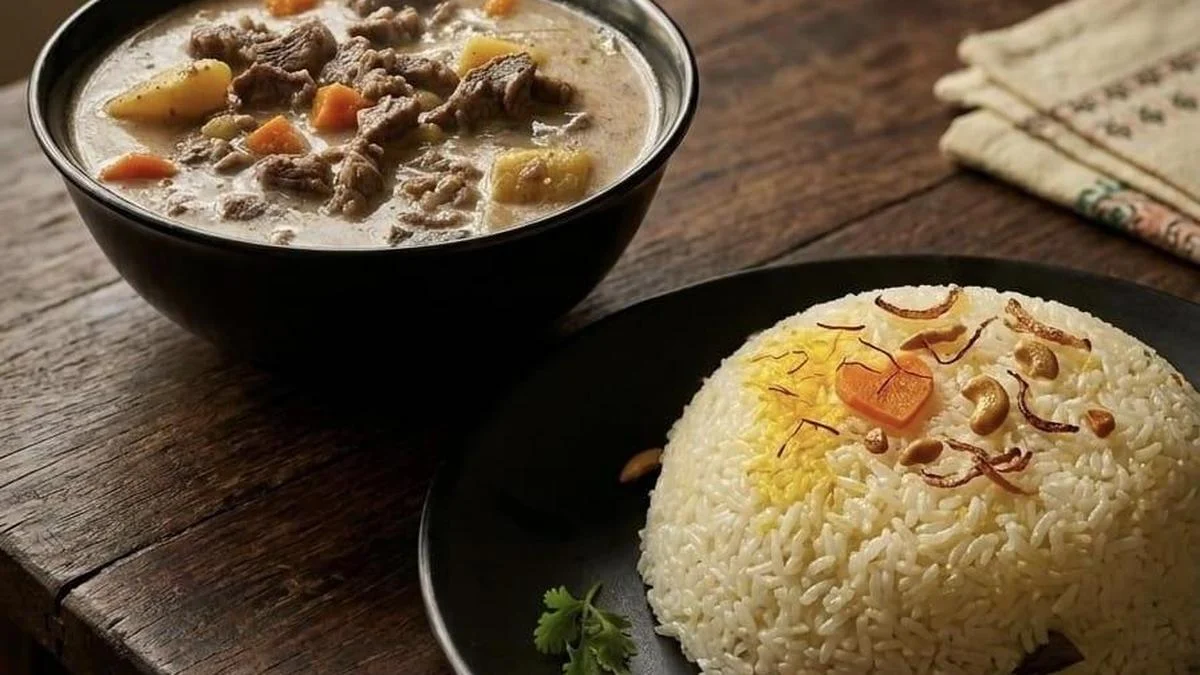
The culinary landscape of Kerala is often defined by its bold use of spices, the fiery heat of its bird’s eye chilies, and the pungent aroma of fermented rice. Yet, amidst this vibrant palette of flavors, there exists a dish that offers a contrasting sanctuary of subtlety: the Kerala Ishtew (Stew). Traditionally a cornerstone of festive breakfasts and intimate family gatherings, this mild, coconut-milk-based gravy is currently undergoing a significant transformation. Once relegated to the side of a breakfast plate, the Kerala stew has emerged as a standalone culinary phenomenon, fueling a new wave of dedicated restaurants, innovative cloud kitchens, and even specialized food trucks across the urban centers of Kochi and beyond.
Main Facts: The Rise of the Standalone Stew
The Kerala stew—a delicate concoction of meat or vegetables simmered in coconut milk with aromatic whole spices—is no longer just an accompaniment to appams (lacy rice pancakes) or puttu (steamed rice cakes). In recent years, Kochi has witnessed a surge in establishments where the stew is the undisputed protagonist.
From the bustling streets of Kakkanad to the upscale avenues of Panampilly Nagar, the "stew culture" is thriving. This resurgence is driven by a blend of culinary nostalgia and modern entrepreneurial spirit. Leading this charge are ventures like Reems Stew and Bread, a food truck that has turned a traditional home-cooked meal into a mobile gourmet experience, and Stewmuch, a cloud kitchen that reimagines the dish for the digital delivery era.
While the chicken stew remains a nostalgic favorite, beef stew has emerged as the commercial "crowd favorite," followed closely by mutton and vegetable variations. The trend signifies a shift in consumer behavior: the modern Malayali diner is increasingly seeking comfort food that balances health, tradition, and convenience. The stew, being light on the palate yet rich in flavor, fits this requirement perfectly.
Chronology: The Layered History of the Ishtew
The evolution of the Kerala stew is a testament to the state’s history as a global spice hub and a melting pot of cultures. Its journey can be traced through several distinct eras:
The Pre-Colonial Roots and West Asian Influence
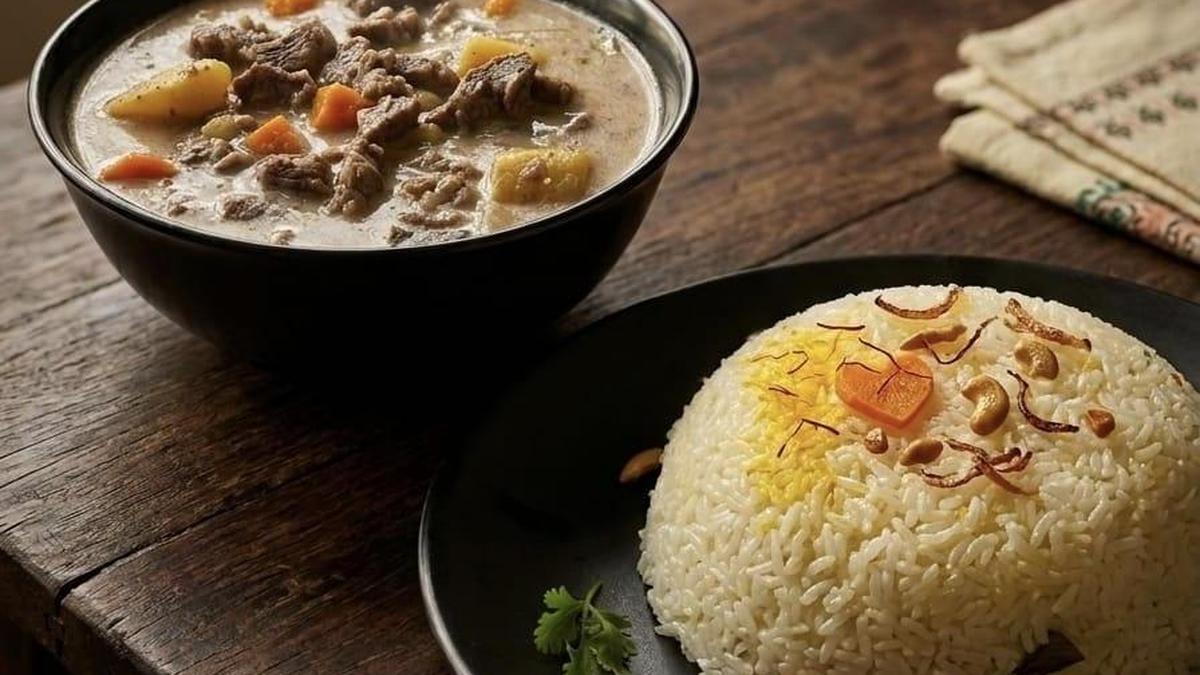
Long before the arrival of European powers, Kerala’s coastal regions were in constant contact with West Asian traders. Historians, including Tanya Abraham, author of Eating with History: Ancient Trade Influenced Cuisines of Kerala, suggest that the use of coconut milk as a base for mild curries may have roots in Jewish and West Asian culinary practices. Due to Kosher laws prohibiting the mixing of meat and dairy, coconut milk became a vital substitute, a technique later adopted and refined by local communities, particularly the Syrian Christians.
The Colonial Fusion (15th – 19th Century)
The modern "Ishtew" is a linguistic and culinary corruption of the English "stew." During the Portuguese and British eras, European slow-cooking techniques merged with local ingredients. The Portuguese introduced potatoes and carrots—now indispensable components of the dish—while the British influence brought the concept of a clear, meat-based broth. However, the Malayali touch replaced the Western use of cornstarch or flour thickeners with fresh coconut milk, and swapped European herbs for indigenous spices like black pepper, cinnamon, cardamom, and cloves.
The Twentieth Century: The Festive Staple
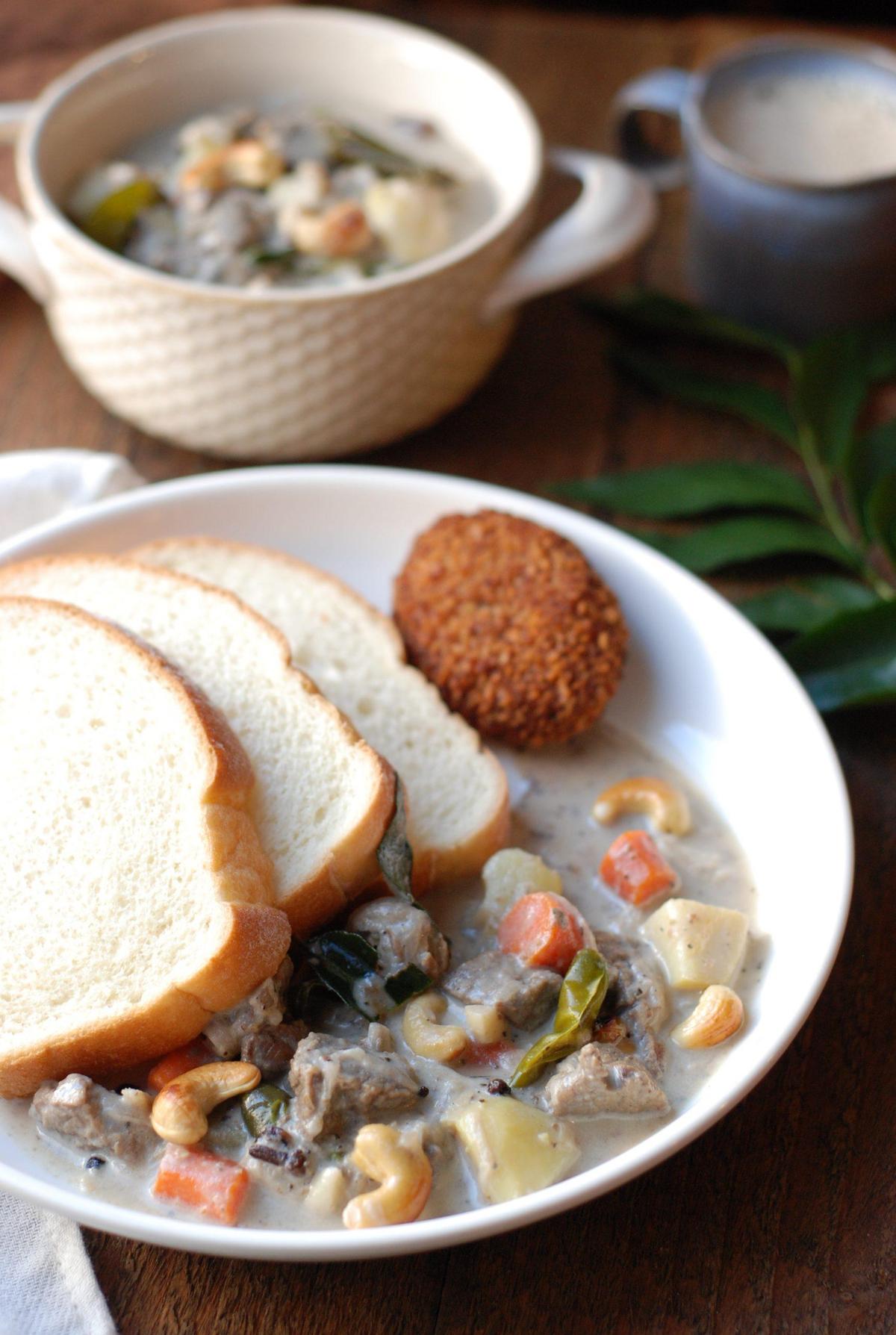
For decades, the stew was categorized as a "special occasion" dish. It became an integral part of the Syrian Christian and Anglo-Indian identity, served predominantly during Christmas, Easter, and wedding breakfasts. In Kochi’s Anglo-Indian community, mutton stew paired with crusty local bread became a symbol of communal celebration.
2020 – Present: The Modern Commercial Pivot
The post-pandemic era saw a renewed interest in "slow food" and heritage recipes. In January 2024, the launch of Reems Stew and Bread marked a turning point, proving that a dish traditionally prepared in home kitchens could sustain a dedicated commercial model. This was followed by a wave of social media-driven popularity, with outlets like Hamza’s Kitchen and Stewmuch bringing the dish to a younger, tech-savvy audience.
Supporting Data: Culinary Variations and Regional Nuances
The Kerala stew is not a monolithic recipe; it is a fluid concept that changes based on geography and family heritage.

The Regional Divide: Malabar vs. Kochi
According to Jishnu KP, founder of Stewmuch, there is a discernible difference between the stews of North and Central Kerala:
- Malabar Stew: Generally thicker in consistency with a more pronounced spice profile. It often carries a yellowish hue and a stronger kick of crushed black pepper. In regions like Kozhikode, it is uniquely paired with ghee rice.
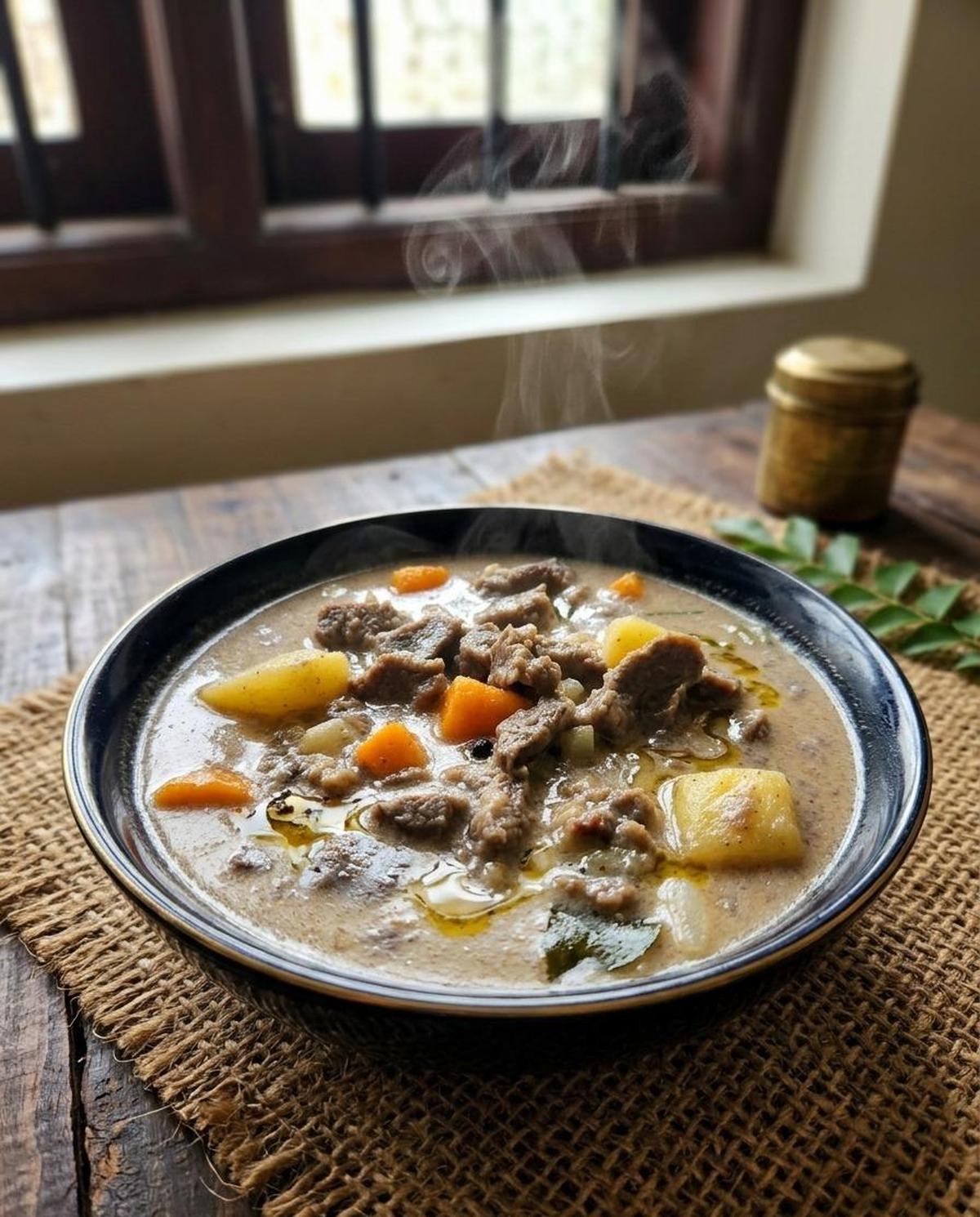
- Kochi Stew: Known for its pristine white color and milder, slightly sweeter profile. It focuses more on the creaminess of the coconut milk and the subtle aroma of whole spices rather than heat.
Technical Innovations in Thickening
While traditional English stews use flour, the Kerala version relies on the natural fats of coconut milk. However, modern vendors are introducing their own "hacks." Reems Stew and Bread, for instance, eschews both cornflour and excessive coconut cream in favor of a cashew paste—a technique passed down from the founder’s grandmother—to achieve a rich, velvety texture without compromising the dish’s lightness.
The Versatility Factor
Unlike many Indian gravies that are specific to lunch or dinner, the stew is remarkably versatile. Data from cloud kitchens suggests high demand across three distinct time slots:
- Breakfast: Paired with Appam or Puttu.
- Lunch: Paired with Ghee Rice or Steamed Bread.
- Dinner: Served as a light, comforting end-of-day meal.
Official Responses: Insights from the Architects of the Trend
The success of the "stew movement" is best explained by those behind the counters and the researchers documenting Kerala’s food history.
Ajoy ET, Co-founder of Reems Stew and Bread:
"The response has been sensational," says Ajoy, who operates the food truck alongside his wife, Reema. "For the Kochiite, the bread-stew combination is more than food; it is a part of our cultural celebrations like Christmas and Easter. It is pure nostalgia. We have people coming to us in droves, not just for the taste, but for the ‘home’ feeling it provides."
Jishnu KP, Founder of Stewmuch:
Jishnu emphasizes the balance of the dish. "I chose stew because its spices and warmth are perfectly balanced. It is not a heavy dish; it feels light on the palate. In our hospitality culture, guests are often welcomed with stew. I wanted to push the boundaries by pairing it with ghee rice, making it a complete, modern meal while respecting its traditional roots."
Tanya Abraham, Food Historian:
Abraham notes the complexity of the dish’s origin. "The stew or ishtew has a layered history. While the Portuguese brought the vegetables and the English brought the concept of the broth, the Syrian Christians (Surianis) perfected it using ginger and pepper. It is difficult to pin down the ‘first’ version, but its evolution reflects the very history of Kerala’s trade and cultural integration."
Implications: The Future of Heritage Foods in Urban Markets
The rise of dedicated stew outlets in Kochi carries several implications for the future of the Indian food industry and Kerala’s cultural preservation.
1. The "De-seasonalization" of Festive Foods
The primary implication is the shift of festive, "once-a-year" foods into the everyday commercial space. By making stew accessible via food trucks and cloud kitchens, entrepreneurs are ensuring that traditional recipes do not fade into obscurity. This "de-seasonalization" allows heritage flavors to compete with global fast-food chains.
2. Culinary Tourism and Branding
Kochi is increasingly positioning itself as a culinary destination that offers more than just seafood. The "stew truck" and specialized kitchens provide a unique selling point for food tourists looking for authentic, history-laden experiences. The branding of "Kochi Stew" vs. "Malabar Stew" also helps in creating a regional identity that can be marketed globally.
3. Health-Conscious Dining
As diners become more health-conscious, the Kerala stew stands out as a "clean" option. Unlike many restaurant curries that rely on heavy oils, artificial colors, and excessive cream, the stew’s reliance on coconut milk (rich in medium-chain triglycerides) and whole spices (anti-inflammatory) makes it an attractive choice for the wellness-oriented consumer.
4. Economic Opportunities for Small-Scale Ventures
The success of Reems and Stewmuch highlights a low-barrier entry point for culinary entrepreneurs. Because the dish relies on quality ingredients and technique rather than expensive kitchen infrastructure, it allows for the growth of "micro-brands" that can scale through word-of-mouth and social media.
Conclusion
The Kerala Ishtew is far more than a simple bowl of meat and vegetables. It is a liquid history of Kerala, a reflection of colonial encounters, and a symbol of domestic hospitality. Its current resurgence in the streets of Kochi proves that even in an era of globalized tastes, there is a profound and lasting appetite for the "warm hug" of a well-made, nostalgic meal. Whether enjoyed with a lacy appam or a simple slice of bread, the stew continues to be a nuanced masterpiece that bridges the gap between the past and the present.
