

Main Facts: The Resurgence of a Pioneer
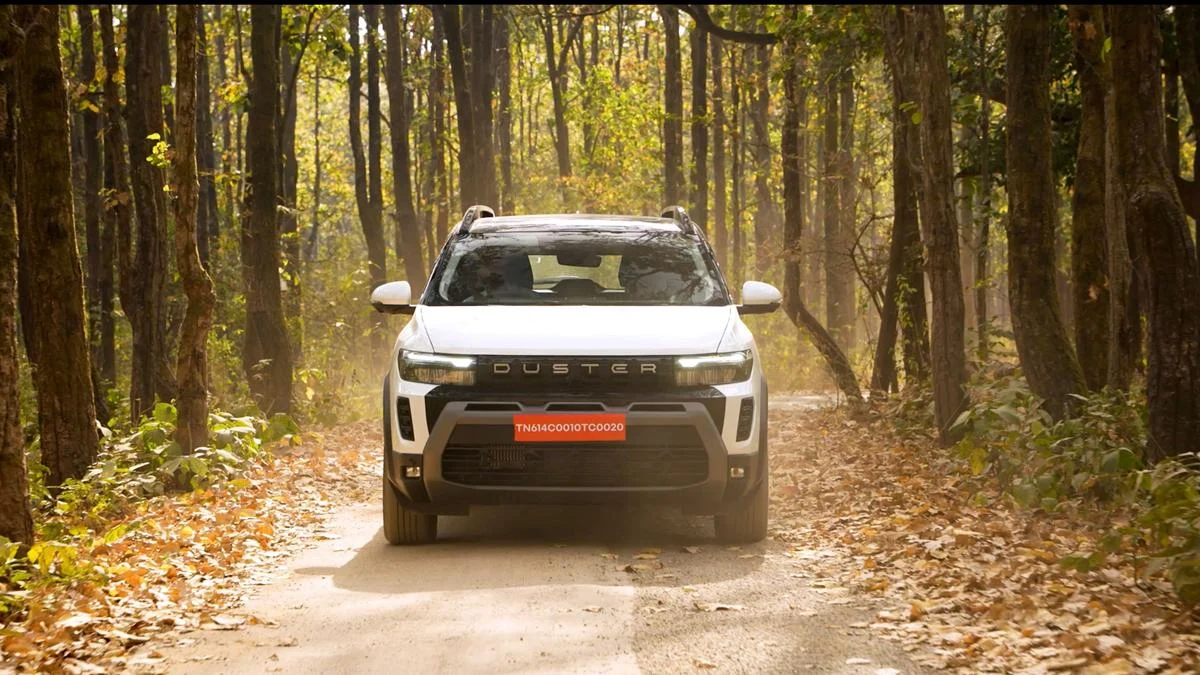
The Indian automotive landscape is witnessing the return of one of its most influential nameplates: the Renault Duster. Once the undisputed king of the compact SUV segment, the Duster didn’t just sell units; it defined a category. After a hiatus that saw the market explode with tech-heavy, feature-rich competitors, Renault has officially reintroduced the Duster with a renewed focus on rugged sophistication, modern powertrains, and a price bracket ranging from INR 10.29 lakh to 18.49 lakh.
The new iteration of the Duster arrives not as a budget-friendly utility vehicle, but as a premium, "built-to-last" contender. The flagship 1.3 Turbo ICONIC variant leads the charge, boasting a potent 163hp engine, a modernized cabin, and a suite of contemporary features designed to bridge the gap between its utilitarian roots and the expectations of the 2024 consumer. By offering a mix of 1.0-litre and 1.3-litre turbo-petrol engines, and an impending strong hybrid variant, Renault is positioning the Duster as a versatile alternative to the dominant Korean and Japanese rivals.
Chronology: From Trailblazer to Hiatus and Back
To understand the significance of this launch, one must look at the Duster’s decade-long journey in the Indian market:
- 2012 – The Arrival: Renault launched the first-generation Duster in India, effectively creating the monocoque compact SUV segment. At a time when SUVs were either ladder-frame behemoths or small hatchbacks on stilts, the Duster offered car-like handling with SUV-grade ruggedness.
- 2014-2016 – The Golden Era: The Duster became a household name. The introduction of the AWD (All-Wheel Drive) variant cemented its reputation among enthusiasts, while the facelift brought minor cosmetic updates.
- 2017-2021 – The Stagnation: While competitors like the Hyundai Creta and Kia Seltos introduced panoramic sunroofs, ventilated seats, and high-resolution screens, the Duster’s interior remained functional but dated. Despite a powerful 1.3L turbo-petrol engine launch in 2020, the aging platform struggled to keep pace.
- 2022 – The Departure: Renault India discontinued the first-generation Duster, leaving a void in their lineup and a loyal fan base waiting for a successor.
- 2024 – The Rebirth: Renault unveils the all-new Duster. Built on a more advanced platform and featuring a design language that pays homage to the original while embracing future-ready hybrid technology, the SUV returns to a market that is now five times more competitive than when it first debuted.
Supporting Data: Engineering, Design, and Performance
The new Renault Duster is a radical departure from its predecessor in terms of execution, yet it remains faithful to its core DNA.
Exterior Design: Rugged Maturity
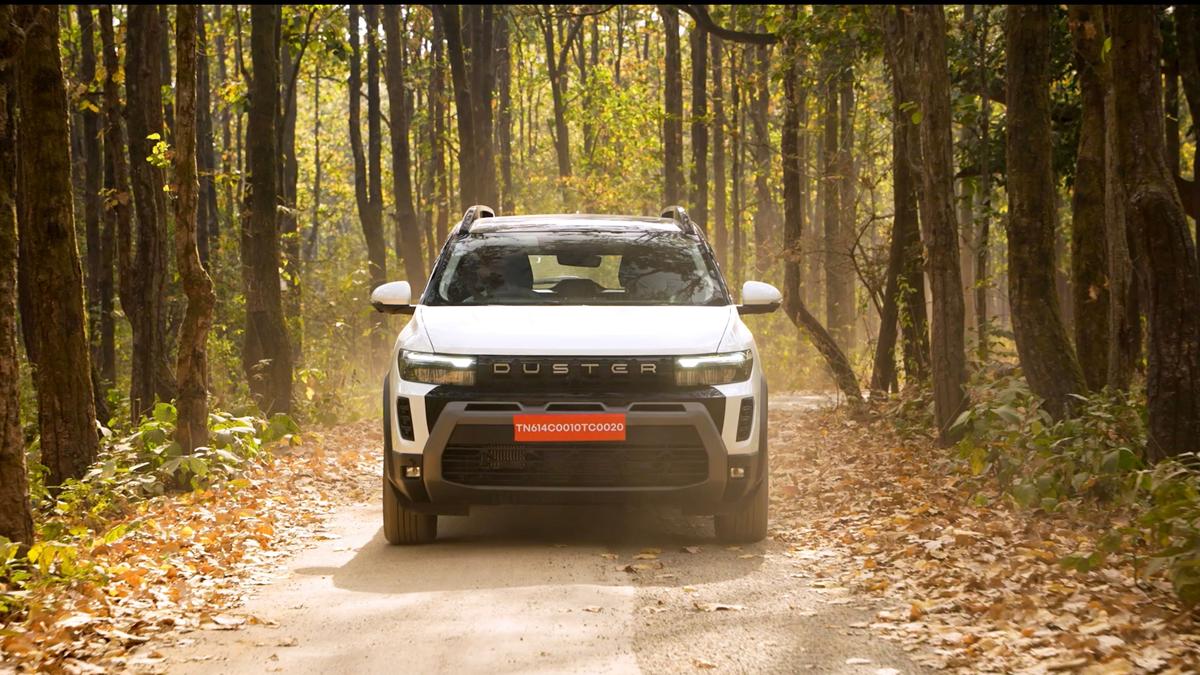
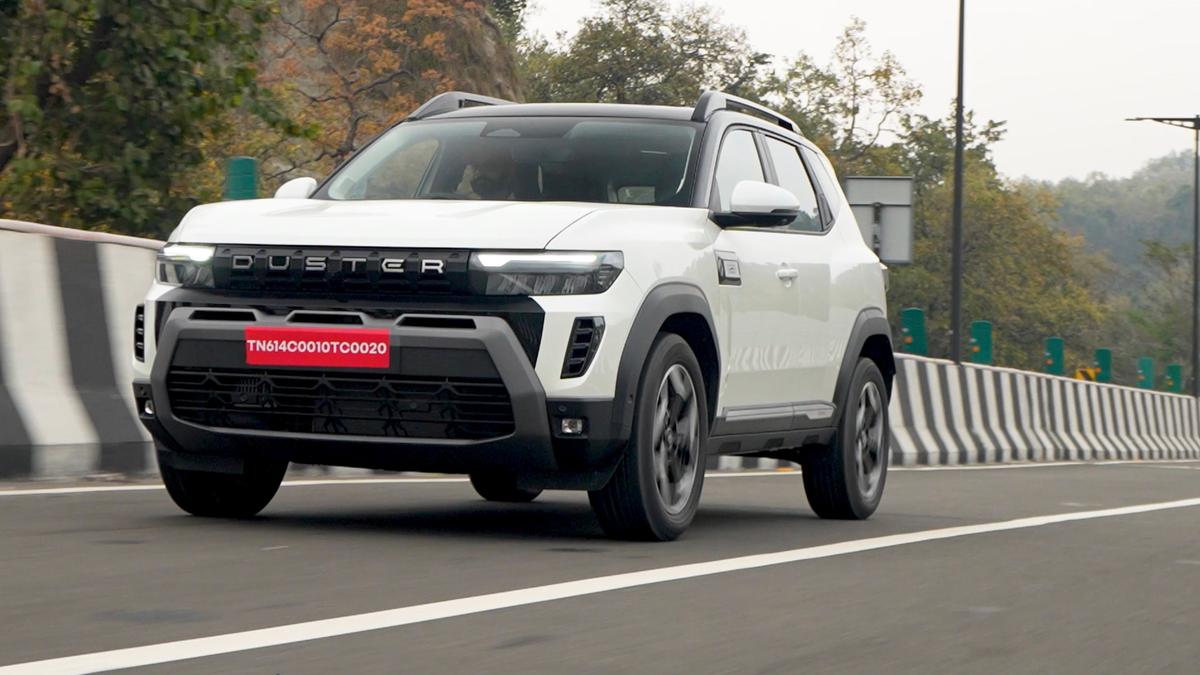
The design philosophy of the new Duster is described as "matured identity." It retains the upright, "go-anywhere" stance but replaces the rounded edges of the original with sharp, architectural lines.
- Lighting: The front fascia is dominated by a clean LED lighting signature and a grille that prominently features the Duster branding.
- Proportions: The SUV features a strong shoulder line, squared-off wheel arches, and 18-inch alloy wheels that provide a planted look.
- Utility Meets Style: Functional elements like silver skid plates and generous body cladding are integrated seamlessly, ensuring the car looks as comfortable on a mountain pass as it does in a corporate parking lot.
Interior and Technology: A Digital Leap
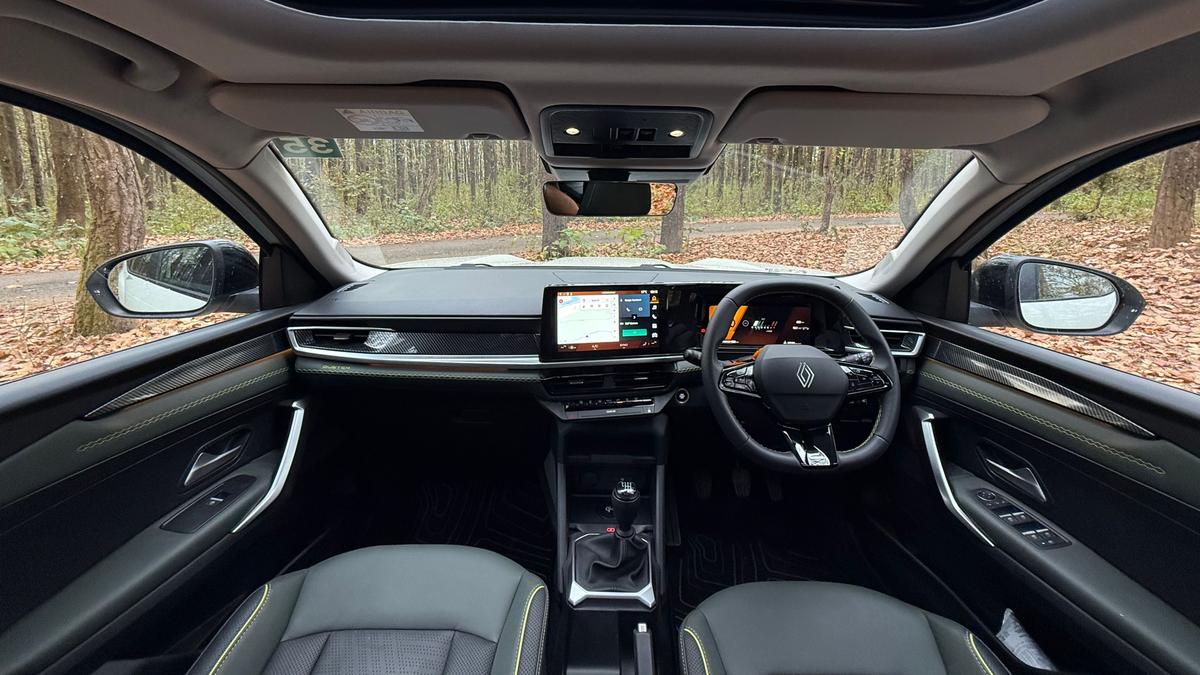
The interior of the 1.3 Turbo ICONIC variant represents the most significant upgrade. Renault has moved away from the hard plastics of the past toward a more tactile, premium environment.
- Display Suite: A 10.1-inch touchscreen infotainment system is paired with a 10.25-inch digital driver display. The system integrates Google-based services, ensuring real-time navigation and connectivity are seamless.
- Comfort Features: For the first time, the Duster includes powered and ventilated front seats, a panoramic sunroof, dual-zone climate control, and a 360-degree camera.
- Ergonomics: Despite the digital overhaul, Renault has retained physical buttons for climate control—a move praised by driving enthusiasts for better usability on rough terrain.
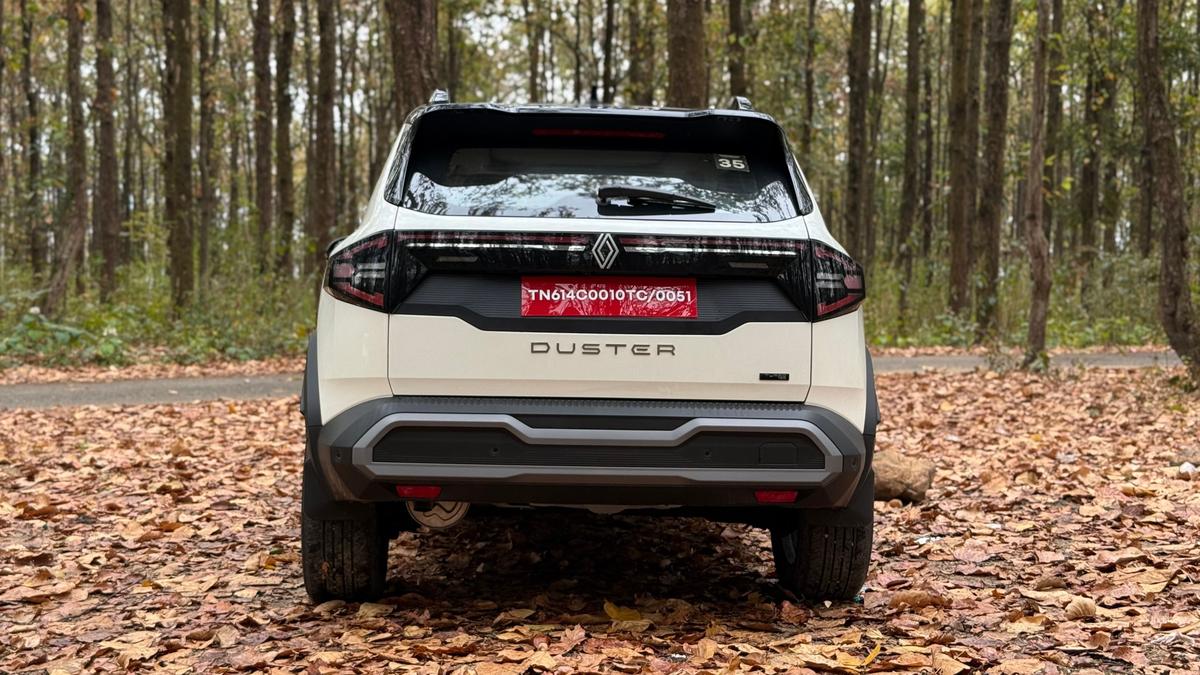
- Cargo Capacity: The boot space is a class-leading 518 litres, emphasizing the vehicle’s role as a long-distance tourer.
Powertrain and Dynamics
The heart of the new Duster is its engine lineup, designed to balance performance with the impending shift toward electrification.
- 1.3L Turbo-Petrol: Producing 163hp and 280Nm of torque, this engine is the powerhouse of the range. It is available with a 6-speed manual or a DCT automatic.
- 1.0L Turbo-Petrol: A more accessible 100hp/160Nm unit for urban-centric buyers.
- 1.8L Strong Hybrid (Upcoming): Expected around Diwali, this variant will produce 160hp, combining a petrol engine with an electric motor to offer high fuel efficiency and reduced emissions.
Performance Metrics:
- Real-world Efficiency: While ARAI figures suggest 18+ kmpl, initial testing in mixed conditions (hills and idling) showed a respectable 13 kmpl.
- Suspension: The Duster retains its legendary ride quality, utilizing a suspension setup that "flattens" broken roads, providing stability at high speeds and comfort over undulations.
Official Responses: Strategy and the AWD Question
Renault’s leadership has been transparent about the Duster’s positioning in a crowded market. The company acknowledges that while the SUV segment is dominated by "feature-first" vehicles, there is a significant "white space" for a "capability-first" vehicle.
Regarding the most frequent query from enthusiasts—the absence of an All-Wheel Drive (AWD) system—Renault officials have stated that the current platform is fully AWD-capable. However, the decision to launch a 4×4 variant will be "demand-driven." For the initial launch phase, the focus remains on front-wheel-drive configurations to maximize market share in the high-volume urban segments.
Renault’s strategy appears to be a "slow burn" approach: re-establish the brand with the 1.3 Turbo, capture the eco-conscious market with the Strong Hybrid in late 2024, and potentially introduce an AWD "Adventure" variant if the market shows sufficient appetite.
Implications: Changing the SUV Narrative
The return of the Duster has several implications for the Indian automotive industry:
1. The "Features vs. Robustness" Debate
For years, the Korean duo (Creta/Seltos) has won the market by offering tech-heavy cabins. The Duster’s return tests a new hypothesis: Will Indian buyers trade a few "gimmicky" features for superior ride quality and mechanical robustness? If the Duster succeeds, it may force other manufacturers to focus more on suspension tuning and chassis rigidity.
2. The Hybrid Pivot
By announcing a 1.8L Strong Hybrid for the festive season, Renault is skipping the "diesel transition" and moving straight to electrification. This positions them directly against the Maruti Suzuki Grand Vitara and Toyota Hyryder, potentially disrupting the fuel-efficiency-focused segment of the market.
3. Brand Resurgence for Renault
Renault India has relied heavily on the Kwid, Triber, and Kiger in recent years. The Duster acts as a "halo product" that elevates the brand’s premium perception. A successful Duster launch is critical for Renault’s long-term roadmap in India, which includes the possibility of a 7-seater "Bigster" based on the same platform.
4. Resale and Loyalty
The Duster still enjoys one of the strongest "cult followings" in India. The implication for the used car market and brand loyalty is significant; many existing Duster owners have been holding onto their vehicles for lack of a spiritual successor. Renault’s ability to convert these loyalists into new buyers will determine the SUV’s initial momentum.
Conclusion: A Measured Comeback
The new Renault Duster is not trying to be a smartphone on wheels. It is a calculated, well-engineered response to a market that has become increasingly homogenized. With a starting price of INR 10.29 lakh, it undercuts several rivals while offering a more powerful turbo engine at the top end.
While the lack of an immediate AWD option may sting for some, the overall package—the 518-litre boot, the 163hp turbo engine, and the legendary ride quality—suggests that Renault has listened to what truly made the original Duster a success. It has returned not just to compete, but to remind the market that sometimes, the best way forward is to remember what made you matter in the first place.
Quick Specifications at a Glance:
- Engines: 1.0L Turbo (100hp), 1.3L Turbo (163hp), 1.8L Hybrid (160hp – Upcoming)
- Transmission: 6-Speed MT / DCT / Hybrid e-CVT
- Key Features: 10.1" Touchscreen, Ventilated Seats, Panoramic Sunroof, 360 Camera
- Price Range: INR 10.29 – 18.49 Lakh (Ex-showroom)
- Primary Rivals: Hyundai Creta, Kia Seltos, Maruti Suzuki Grand Vitara, Volkswagen Taigun
Information provided in association with Motorscribes and The Hindu.
