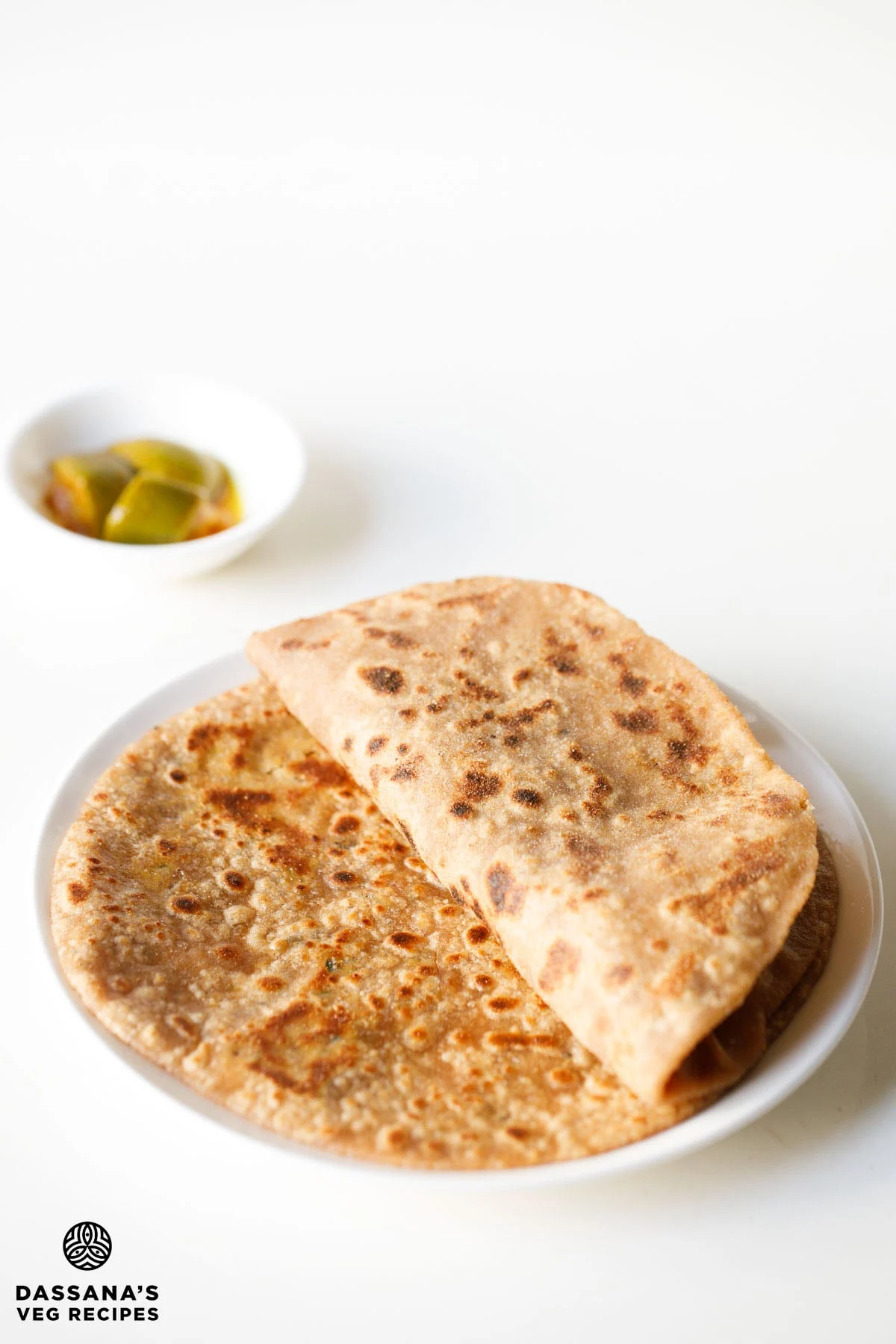
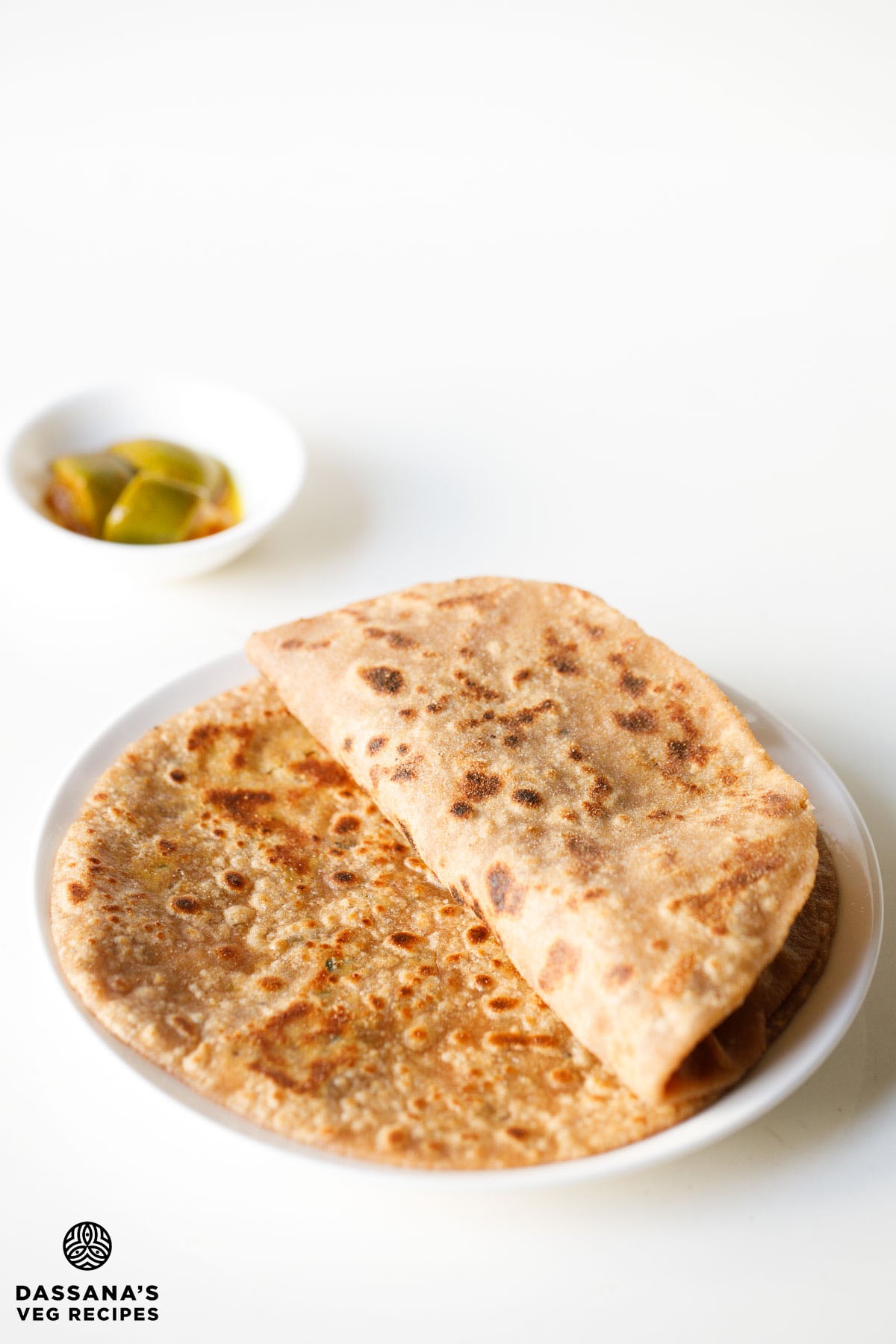
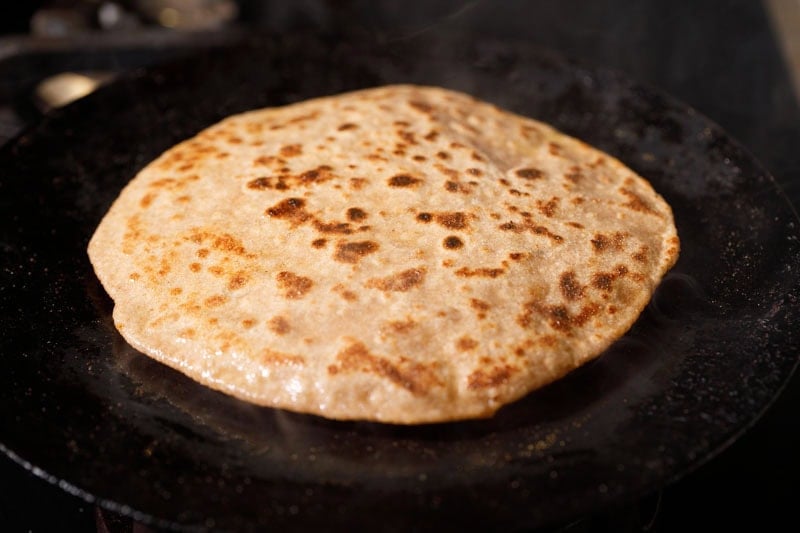
PATNA, BIHAR — In the heart of Eastern India, a culinary revolution is unfolding, driven not by modern molecular gastronomy, but by a centuries-old staple: Sattu. Once regarded as the "poor man’s protein," the Sattu Paratha—a flavorful, stuffed flatbread—has transitioned from the rural kitchens of Bihar and Jharkhand to the gourmet menus of metropolitan bistros and health-conscious households worldwide. This traditional delicacy, characterized by its roasted gram flour filling and pungent mustard oil aromatics, is being hailed by nutritionists and chefs alike as a sustainable, high-protein answer to modern dietary demands.
Main Facts: Defining the Sattu Paratha
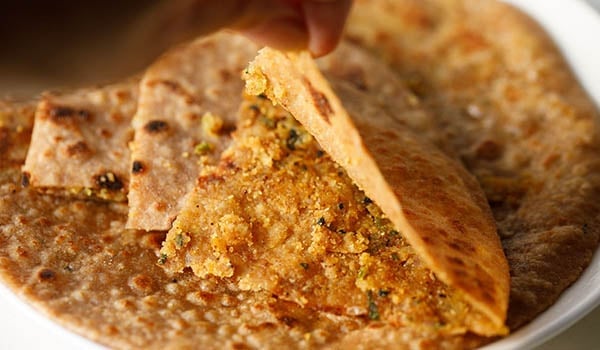
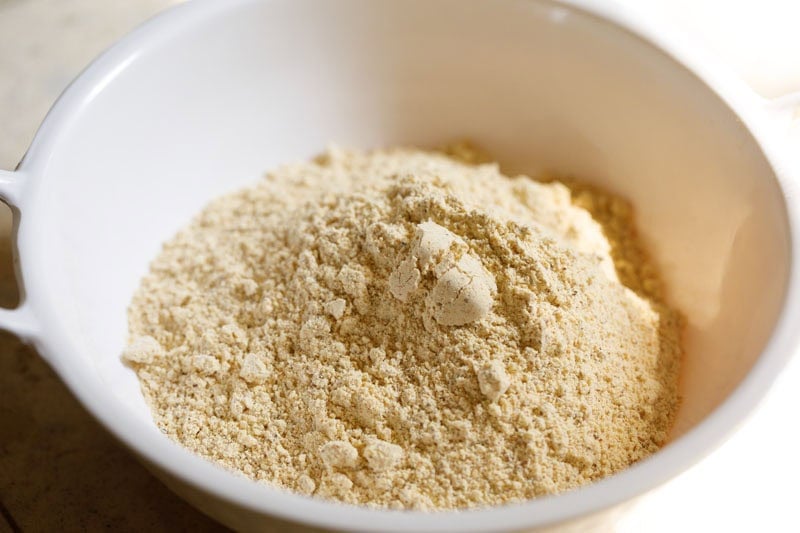
The Sattu Paratha is a traditional Indian flatbread made from whole wheat dough, filled with a savory mixture of sattu (roasted black chickpea flour), assorted herbs, and spices. Unlike other popular stuffed breads such as Aloo Paratha (potato) or Gobi Paratha (cauliflower), the Sattu Paratha is unique because its filling requires no prior cooking. The "flour" itself is already roasted during the processing of the chickpeas, providing a distinctively nutty flavor profile and a sandy, crumbly texture that melts upon the first bite.
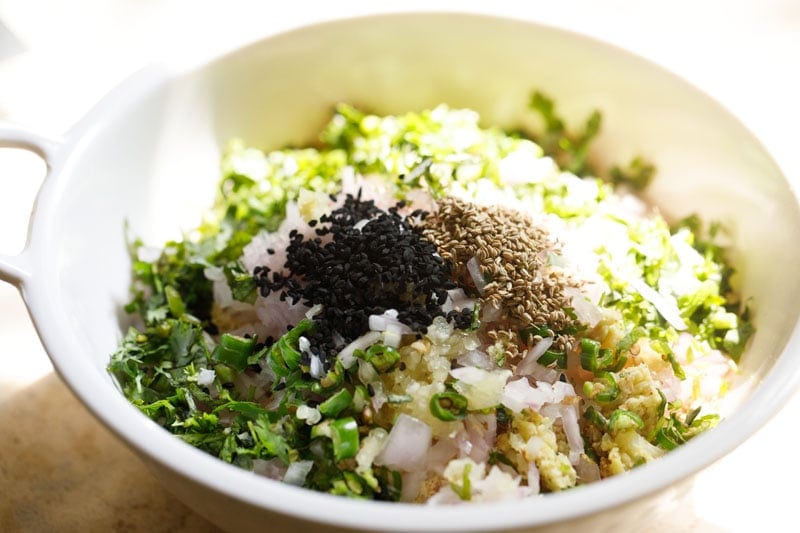
The core of the dish lies in its seasoning. A traditional Sattu Paratha is incomplete without four essential components: nigella seeds (kalonji), carom seeds (ajwain), raw mustard oil, and North Indian mango pickle masala (achari masala). These ingredients provide a complex layers of pungency, acidity, and earthiness that define the Bihari palate.
Nutritional Profile at a Glance
According to recent culinary data, a single serving of Sattu Paratha (approximately 8 servings per recipe batch) contains:
Calories: 119 kcal
Fat: 12g (largely from heart-healthy monounsaturated sources like mustard oil and ghee)
Sodium: 350mg
Micronutrients: Rich in Iron, Calcium, Magnesium, and Vitamin C.
The high insoluble fiber content of sattu makes it a low-glycemic index food, which aids in digestion and provides sustained energy—a primary reason for its historical popularity among laborers and farmers.
Chronology: From Ancient Staple to Modern Superfood
The history of sattu is inextricably linked to the geography of the Indo-Gangetic plain.
The Agrarian Roots
For centuries, farmers in Bihar, Uttar Pradesh, and West Bengal utilized roasted gram flour as a portable, non-perishable source of nutrition. Because sattu does not spoil easily, it became the "traveler’s food." In the 19th and early 20th centuries, laborers migrating across the Indian subcontinent carried bags of sattu, which could be mixed with water and salt for a quick drink (Sattu Sharbat) or stuffed into dough to make parathas that stayed fresh for days.
The Regional Expansion
By the mid-20th century, Sattu Paratha became a cornerstone of the Bihari breakfast, often paired with Chokha (a smoky mash of roasted eggplant, tomatoes, and potatoes). It was during this period that the recipe became standardized in towns like Gaya and Patna, incorporating the now-signature "pickle masala" to add zest to the dry flour.
The 21st Century "Superfood" Rebranding
The last decade has seen a dramatic shift in perception. As global food trends moved toward plant-based proteins and gluten-free alternatives, the Indian urban middle class "rediscovered" sattu. In 2018, several Indian state governments began promoting sattu-based products in school mid-day meal programs to combat malnutrition. Today, sattu is marketed as a "native superfood," standing alongside global giants like quinoa and chia seeds.
Supporting Data: The Science of the Stuffing
The preparation of Sattu Paratha is a study in culinary efficiency and nutritional science. The process is divided into two distinct phases: the preparation of the pliable wheat exterior and the creation of the robust interior.
The Binding Process
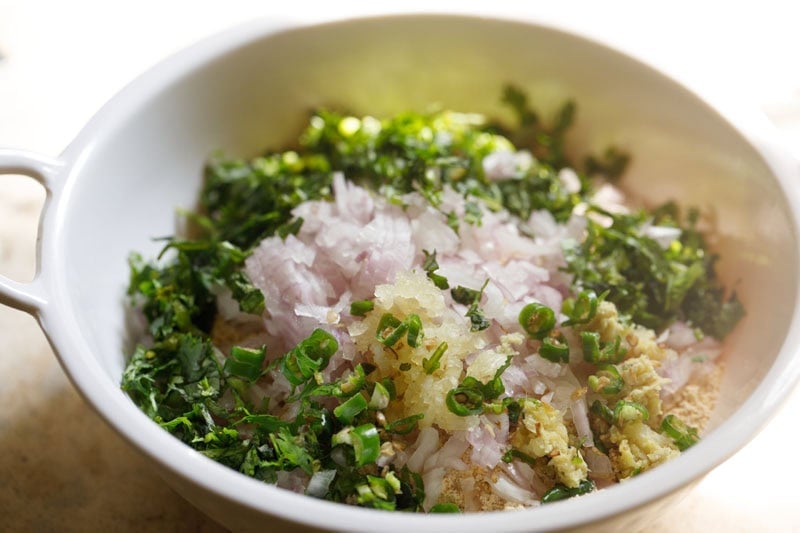
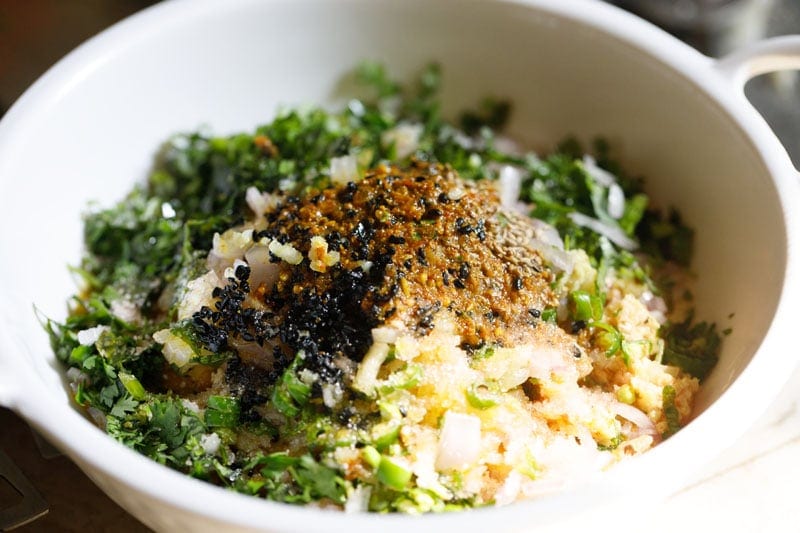
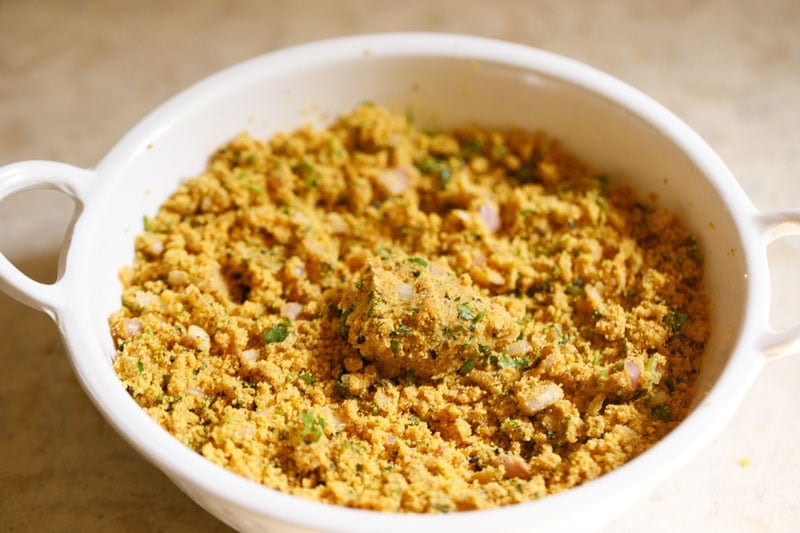
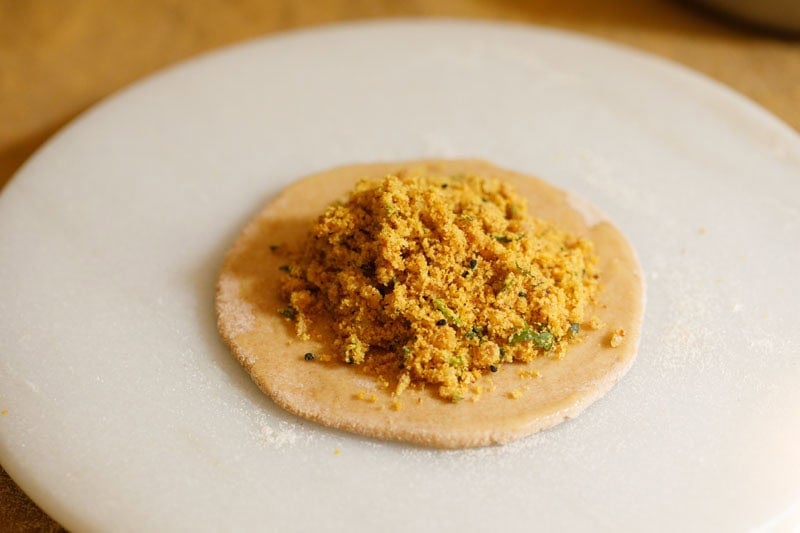
The filling is a dry-mix of 130 grams of sattu, finely chopped onions, ginger, garlic, and green chilies. The inclusion of fresh coriander leaves provides a burst of freshness. However, the technical challenge of Sattu Paratha is the "crumbly-yet-cohesive" texture.
Experts suggest adding 1 to 2 tablespoons of water incrementally. The goal is a mixture that is "slightly moist and crumbly," capable of holding its shape when pressed but not becoming a sticky paste. This ensures that when the paratha is rolled, the filling distributes evenly without tearing the dough.
Cooking Dynamics
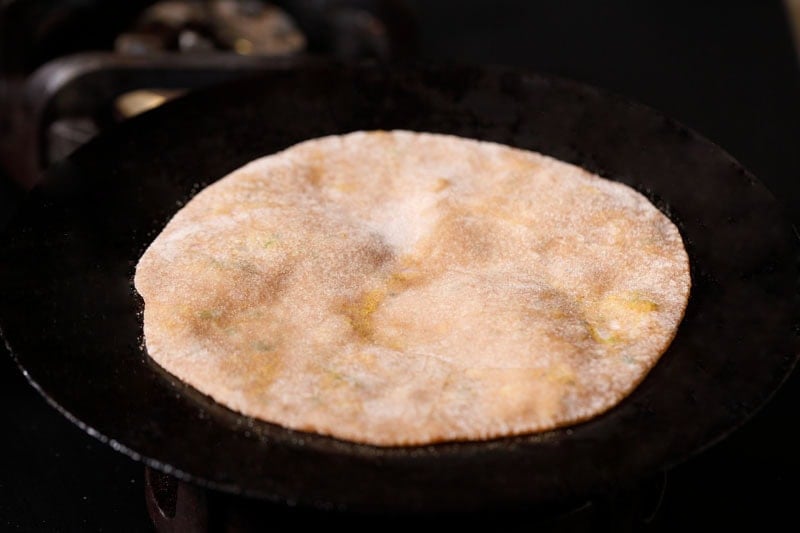
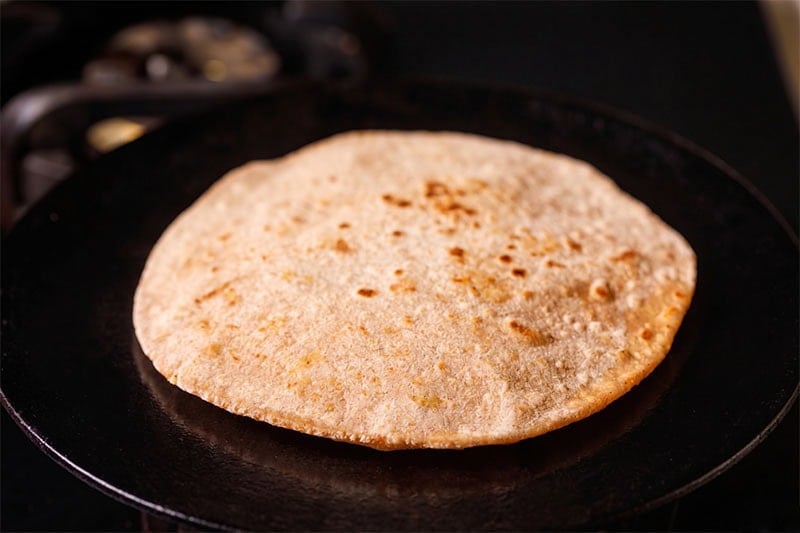
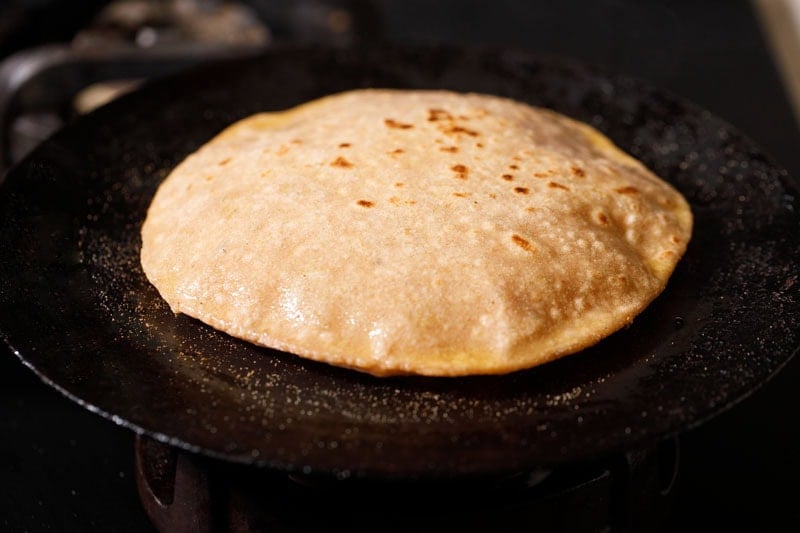
The use of a tawa (cast-iron skillet) on medium-high heat is essential. The paratha undergoes a dual-cooking process: the wheat dough cooks through direct heat, while the sattu filling is "warmed through," allowing the raw mustard oil to release its volatile compounds, permeating the bread with its characteristic sharp aroma.
Official Responses: Expert Insights
Culinary historians and health officials have weighed in on the cultural and biological significance of this dish.
Dr. Ananya Sharma, Senior Nutritionist at the National Institute of Nutrition, states:
"Sattu is a powerhouse of insoluble fiber, which is excellent for gut health. Unlike processed protein powders, sattu provides a holistic amino acid profile when combined with whole wheat. The Sattu Paratha is perhaps the most efficient way to consume this, as the carom seeds (ajwain) included in the recipe act as a natural digestive aid, preventing the bloating often associated with high-protein legumes."
Chef Ranveer Brar, renowned culinary expert and food historian, comments:
"The Sattu Paratha is a masterclass in ‘resourceful cooking.’ It represents a culture that didn’t have the luxury of time or elaborate pantries. By using the masala from a mango pickle to flavor the filling, the people of Bihar created a zero-waste flavor bomb. It’s not just a recipe; it’s an ancestral survival kit that happens to taste incredible."
Implications: The Global Future of Sattu
The rising popularity of Sattu Paratha has several long-term implications for the food industry and agricultural sectors.
Economic Impact on Chickpea Farming
The increased demand for high-quality Kala Chana (black chickpea) for sattu production has provided a boost to farmers in the rain-fed areas of Bihar and Jharkhand. As sattu becomes a mainstream export, there is a push for better processing facilities and Geographical Indication (GI) tagging for Bihari Sattu to protect its traditional identity.
Travel and Convenience Food Trends
In a world dominated by "grab-and-go" meals, the Sattu Paratha is uniquely positioned. Because the filling is pre-roasted and the bread is sturdy, it remains edible at room temperature for up to 24 hours (if onions are omitted). This makes it a prime candidate for the airline industry, trekking expeditions, and office lunchboxes, challenging the dominance of sandwich-based convenience foods.
Cultural Diplomacy
The Sattu Paratha is becoming a tool for cultural diplomacy. As the Indian diaspora grows, regional dishes are replacing the generic "Curry and Naan" stereotype. Bihari cuisine, long overshadowed by Punjabi or South Indian food, is finally gaining its due. The Sattu Paratha serves as an entry point for foodies to explore other regional gems like Litti Chokha and Thekua.
Conclusion
The Sattu Paratha is more than a traditional breakfast; it is a resilient piece of culinary heritage that has survived the test of time and socio-economic shifts. As we move toward a future that prizes sustainability and nutritional density, this humble flatbread from the plains of Bihar stands as a testament to the wisdom of traditional Indian kitchens. Whether enjoyed with a dollop of fresh curd, a tangy mango pickle, or a bowl of smoky Aloo Chokha, the Sattu Paratha is a flavorful reminder that sometimes, the best "new" superfood is one that has been in our pantry for generations.
Recipe Summary for the Modern Kitchen
For those looking to recreate this journalistic subject at home, the process involves:
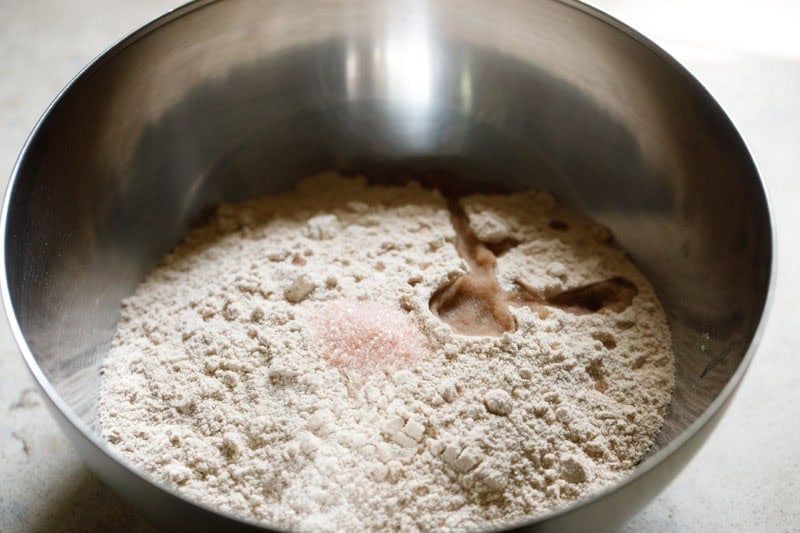
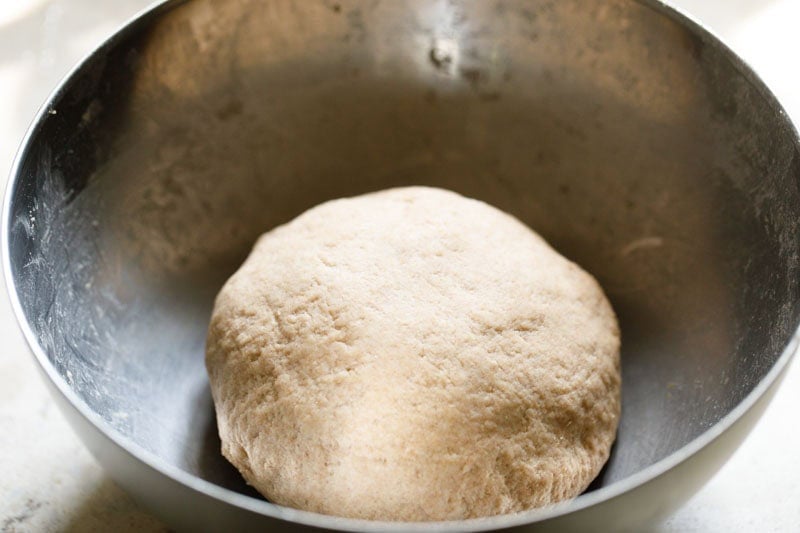
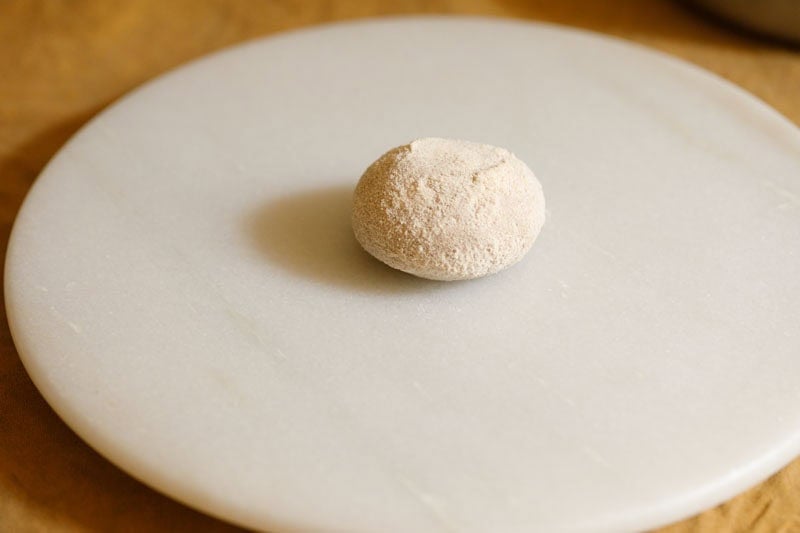
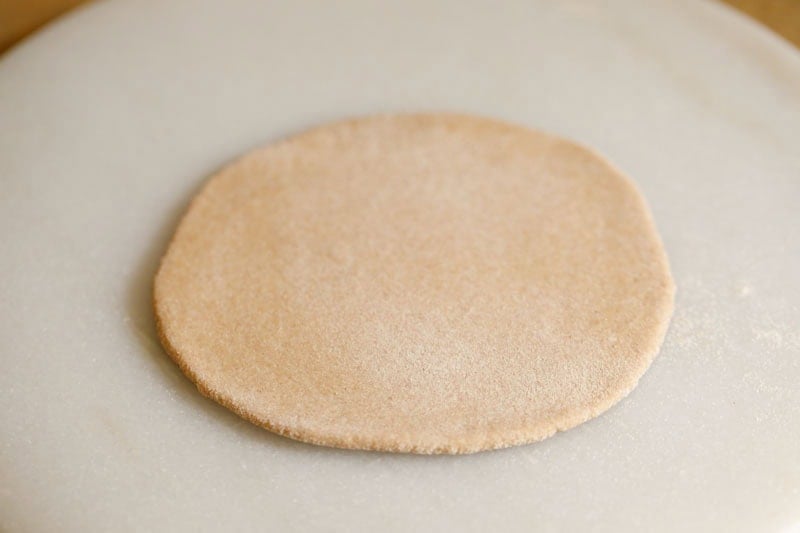
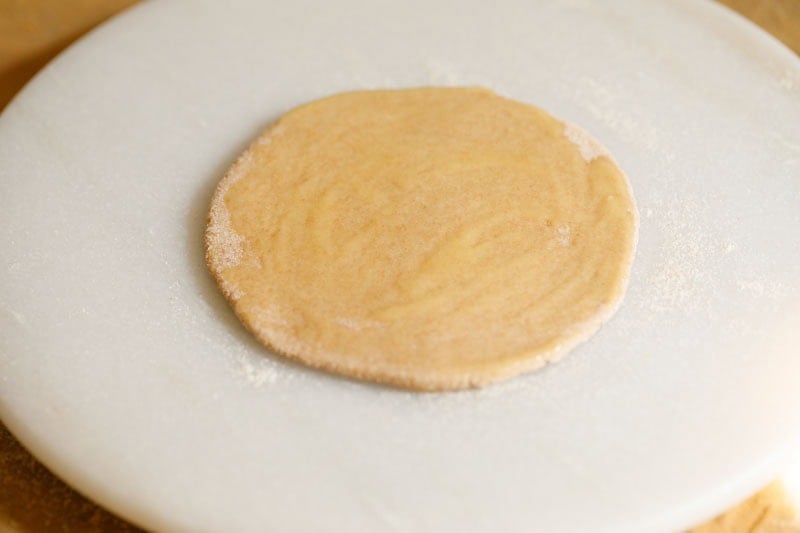
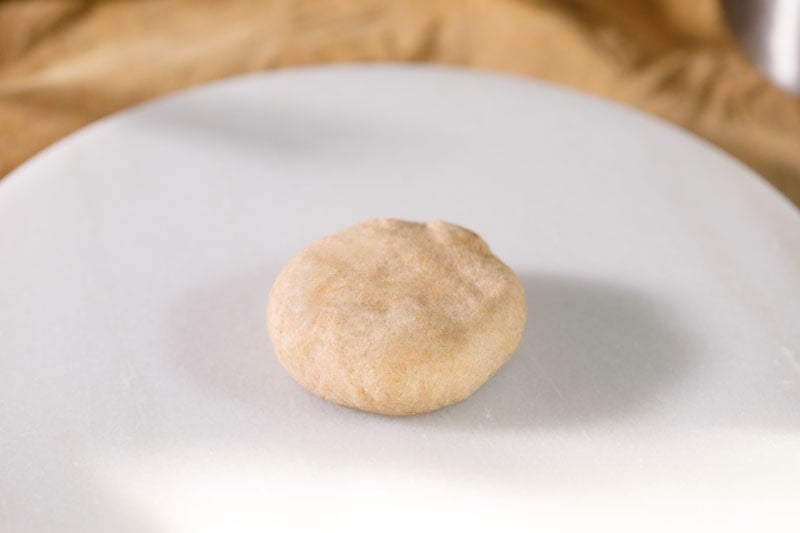
Dough Creation: A simple mix of whole wheat flour, salt, and oil, kneaded to a soft, pliable consistency and rested for 30 minutes.
The Filling: Combining sattu with chopped aromatics (onions, ginger, garlic, chilies), spices (ajwain, kalonji), mustard oil, and the critical mango pickle masala.
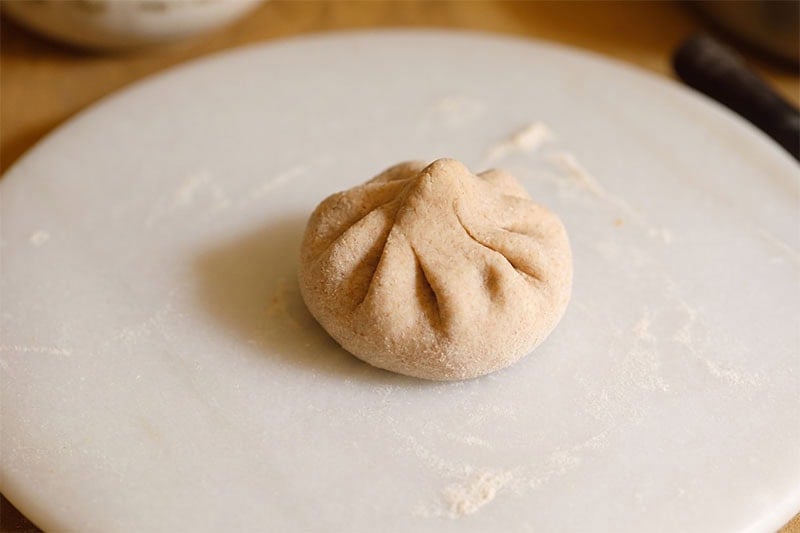
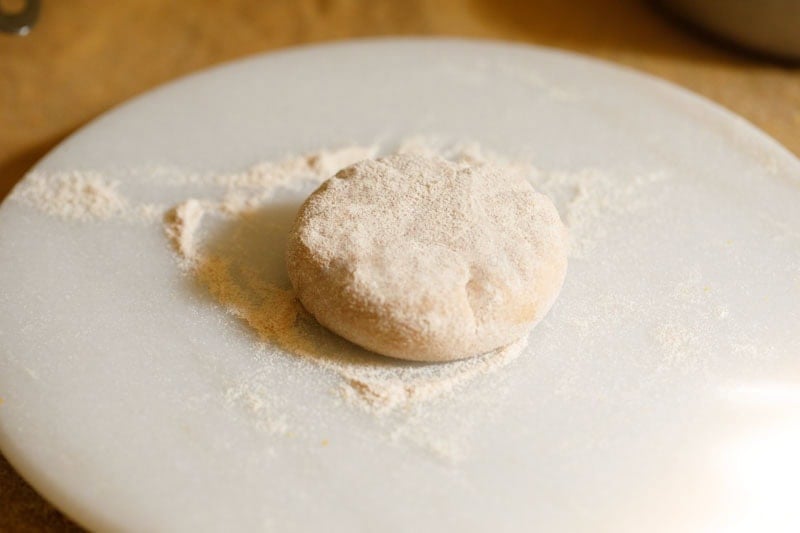
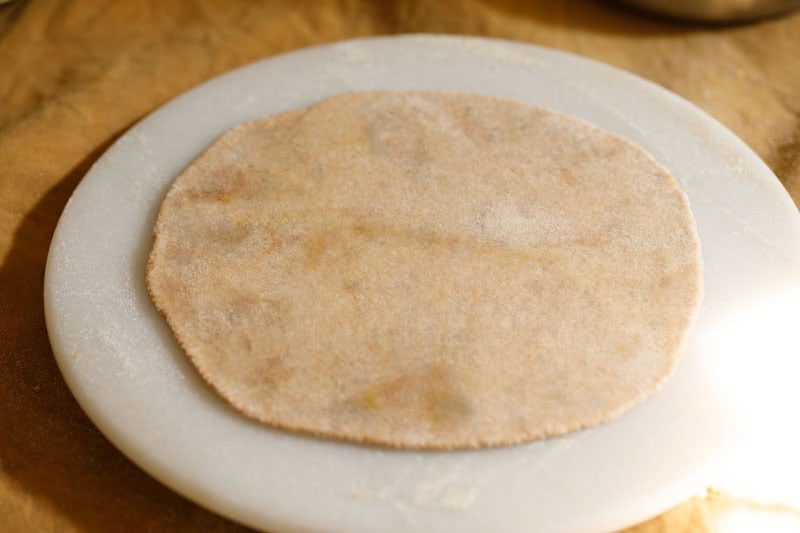
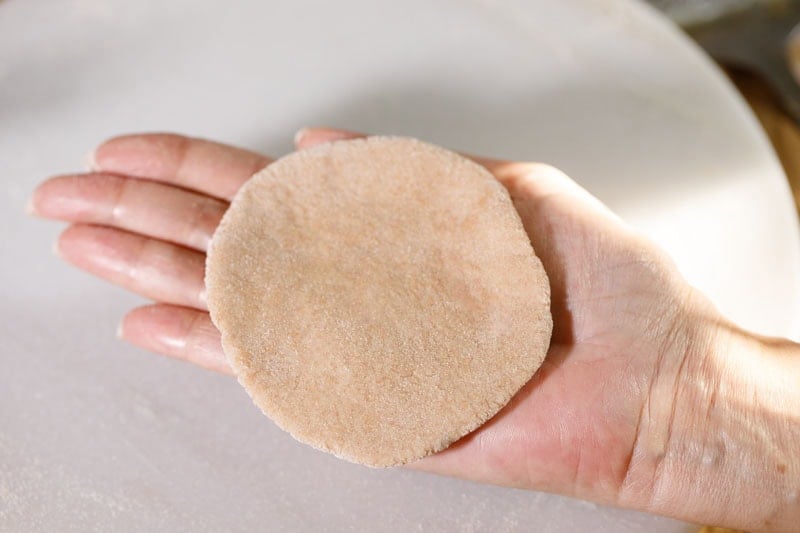
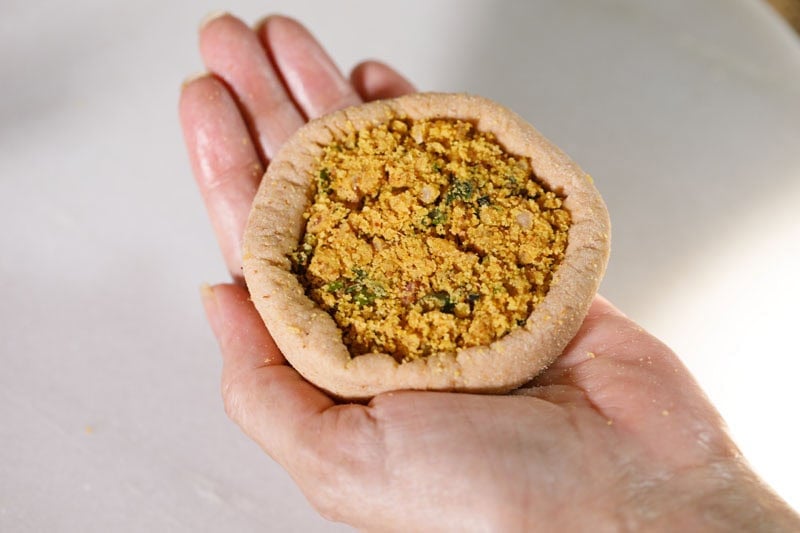
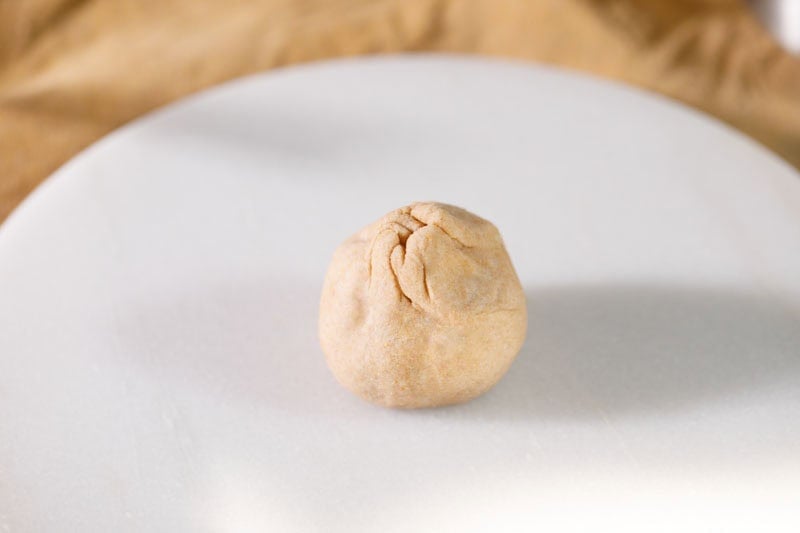
The Assembly: Using either the "Cup Method" (shaping dough into a bowl) or the "Easy Rolling Method" to enclose 2-3 tablespoons of filling.
The Roast: Cooking on a hot tawa with ghee or oil until golden-brown spots appear, ensuring the edges are pressed for even heat distribution.
Storage Tip: For travelers, omit the onions to extend the shelf life, as the moisture in onions can lead to faster spoilage in humid conditions.