

By [Your Name/Journalist Name]
As the Indian urban landscape navigates the mid-point of the decade, a seismic shift has occurred in the residential real estate sector. By 2026, the traditional preference for standalone apartment blocks has been eclipsed by a surging demand for integrated townships. No longer viewed as a luxury for the elite, these "cities within cities" have become the most searched and sought-after real estate category in the country.
The modern Indian buyer is no longer satisfied with a mere four-wall structure; they are investing in a curated lifestyle, a sense of community, and a resilient long-term asset. This shift reflects a deeper change in the national psyche—a move toward self-sufficiency and holistic living in the face of increasing urban congestion.
Main Facts: The Township Revolution
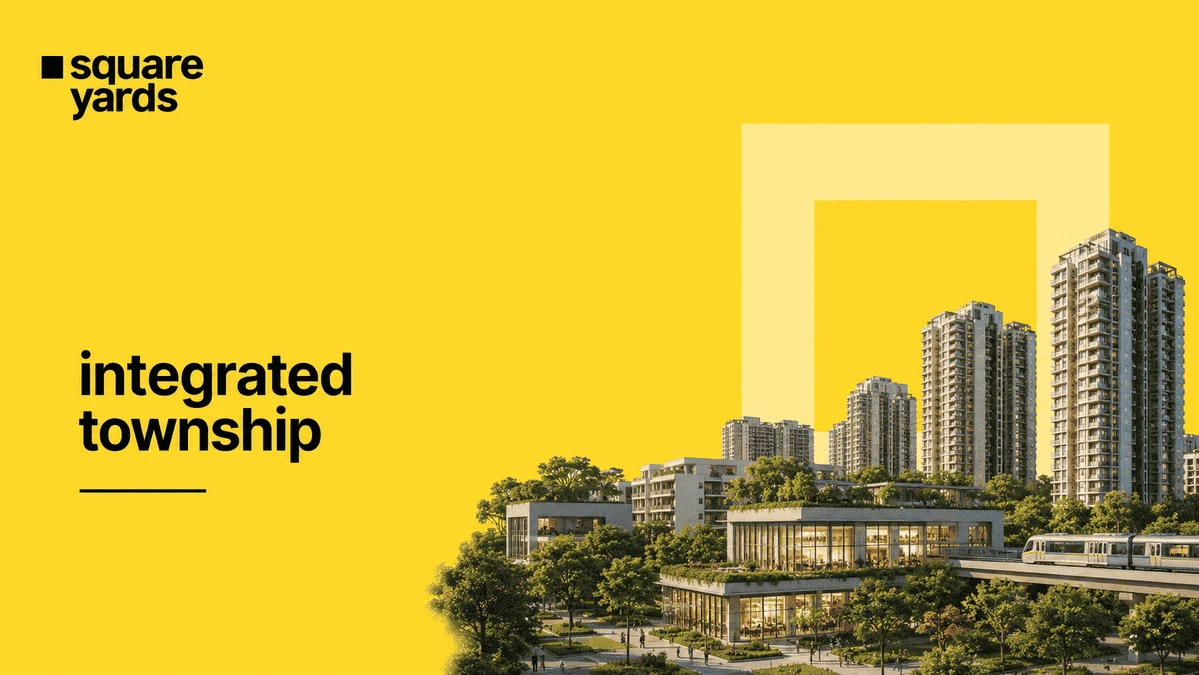
Integrated townships are massive, master-planned developments that combine residential units with commercial spaces, educational institutions, healthcare facilities, and recreational zones. The primary appeal lies in the "15-minute city" concept, where every essential service is accessible within a short walk or cycle from one’s doorstep.
The Catalyst for Change
For decades, Indian homebuyers like Sanjay Kulkarni, a 54-year-old company director from Mumbai, navigated a fragmented market. "Buying my first home was supposed to be a milestone," Kulkarni recalls. "Instead, it was a logistical nightmare. I had a flat, but the school was an hour away, the hospital was across the city, and the local park was non-existent. Nobody could tell me how the neighborhood would look in five years."
By 2026, the market has responded to these frustrations. Integrated townships offer a proactive solution to the chaos of unplanned urban growth. They provide a "plug-and-play" lifestyle where the infrastructure—roads, water management, and power—is managed by a single entity, often resulting in higher efficiency and better maintenance than municipal-run neighborhoods.
Key Features of the 2026 Township Model:
- Self-Sustaining Ecosystems: On-site water treatment plants, solar grids, and waste management systems.
- Walk-to-Work Culture: Integration of Grade-A office spaces within the township periphery.
- Educational & Healthcare Anchors: Partnerships with reputed school chains and multi-specialty hospitals.
- Enhanced Security: Multi-tier surveillance and controlled access points.
Chronology: The Evolution of the Indian Home
To understand the dominance of integrated townships in 2026, one must look at the evolution of Indian housing over the last three decades:
- The Era of Standalone Buildings (Pre-2000s): Residential growth was largely organic and unorganized. Buyers bought plots or flats in independent buildings with zero amenities.
- The Gated Community Boom (2000–2015): As the middle class expanded, developers began offering "societies" with a clubhouse and a small garden. However, residents still relied on external infrastructure for schools and hospitals.
- The Post-Pandemic Pivot (2020–2023): The COVID-19 pandemic highlighted the risks of fragmented living. The need for open spaces, home offices, and nearby medical facilities became non-negotiable.
- The Rise of the Integrated Township (2024–Present): Bolstered by RERA (Real Estate Regulatory Authority) and the government’s focus on "Smart Cities," large-scale townships became the gold standard for stability and quality of life.
Supporting Data: Market Performance and Regional Trends
Data from the 2025–26 fiscal year indicates that integrated townships are outperforming standalone projects in both capital appreciation and rental stability.
Appreciation and Yield Analysis (2025-26)
| City | Appreciation Trend | Mid-Segment Rental Yield | Market Drivers |
|---|---|---|---|
| Mumbai (MMR) | Above National Average | 3.0–3.8% | Infrastructure links like the MTHL and Coastal Road. |
| Pune | Steady Upward | 3.2–4.0% | IT/Tech expansion in Hinjewadi and Wagholi belts. |
| Gurgaon (NCR) | Accelerating | 2.8–3.5% | Connectivity via Dwarka Expressway. |
| Hyderabad | Fastest Repricing | 3.5–4.2% | Growth in the ORR (Outer Ring Road) corridor. |
| Bengaluru | Consistent Long-term | 3.3–4.0% | High demand in North and East tech corridors. |
Note: Mid-segment properties within these townships show more stable occupancy rates (90%+) compared to luxury standalone units, which often face higher vacancy periods.
The Investor’s Edge
The data reveals a critical distinction: while premium standalone apartments might offer higher "headline" yields during market peaks, integrated townships provide a "defensive" investment. During market corrections, the comprehensive amenities and community demand keep property values buoyant.
Official Responses and Expert Insights
Industry experts suggest that the "township" model is the only viable way to manage India’s projected urban population explosion.
Urban Planning Perspectives:
"The traditional model of municipal-led development is struggling to keep pace with the 8% GDP growth," says a leading urban consultant. "Integrated townships allow private capital to build the infrastructure that the state cannot provide fast enough. This is not just real estate; it is private-sector urban governance."
The RERA Factor:
The Real Estate Regulatory Authority (RERA) has played a pivotal role in the success of these mega-projects. In 2025-26, the transparency required for township master plans—where developers must disclose phase-wise delivery and escrow fund usage—has significantly boosted buyer confidence.
Expert Advice for Buyers:
Real estate advisors emphasize that the gap between a "marketing brochure" and "reality" is where most buyers lose money. "The most successful buyers are those who build an understanding of self-sustaining communities before they visit a sales office," notes an analyst at Square Yards. "You must evaluate the master plan’s viability—is there enough commercial space to support the residential population? Is the water source sustainable for 10,000 residents?"
Common Pitfalls: Navigating the Complexities
Despite the benefits, the scale of integrated townships can lead to significant errors if not approached methodically.
1. The "Asking Price" Trap
Many buyers anchor their decisions on the developer’s asking price without looking at actual transaction data. In 2026, emotional anchoring remains a major hurdle.
- Solution: Use independent valuation tools and cross-check recent registry data to ensure you aren’t paying a "hype premium."
2. Ignoring Carrying Costs
The "headline" price is just the beginning. Integrated townships often have higher maintenance fees due to the extensive amenities (landscaping, 24/7 security, clubhouses).
- Solution: Factor in property taxes, loan EMIs, and a "sinking fund" for future maintenance into your net return calculations.
3. Liquidity Over-Optimism
While these properties appreciate well, they are not as liquid as gold or stocks. Selling a 3BHK in a 5,000-unit township requires timing.
- Solution: Model a realistic exit scenario. If you need to sell in 3 years, look for townships with a high ratio of end-users versus investors.
A Practical Framework for Decision-Making
For those looking to enter this market in 2026, a structured approach is essential. The goal is consistency over sophistication.
Step 1: Establish Your Baseline
Define your "Non-Negotiables." This includes proximity to specific schools, builder reputation (check their 10-year track record), and the "Possession vs. Move-in" timeline. Without a baseline, every flashy brochure will look like a good deal.
Step 2: Map the Micro-Market
National trends are irrelevant to your daily life. What matters is the specific corridor. For instance, a township in North Bengaluru may have different growth drivers than one in East Bengaluru. Analyze the infrastructure pipeline (upcoming Metros, highways) specifically for that micro-market.
Step 3: Profile-Based Prioritization
Different buyers should prioritize different variables:
- The 3-Year Investor: Focus on capital appreciation potential and the infrastructure pipeline.
- The 10-Year End-User: Focus on school zones, community quality, and the "walkability" of the township.
- The NRI Buyer: Prioritize RERA compliance and the availability of professional rental management services.
Implications: The Future of Modern Living
The rise of integrated townships in 2026 has profound implications for the future of India.
1. Environmental Impact:
Townships are becoming the testing ground for "Green Building" at scale. By centralizing resources, these developments reduce the per-capita carbon footprint compared to sprawling, unplanned suburbs.
2. The New Social Fabric:
These developments are creating "curated communities." While this offers safety and convenience, sociologists note a trend toward "gated mentalities," where residents rarely interact with the broader city. However, for families, the trade-off is often worth it for the safety and quality of life provided to children and the elderly.
3. Economic Decentralization:
As townships integrate commercial hubs, they are pulling the economic center of gravity away from old CBDs (Central Business Districts). This reduces the burden on city-wide public transport and creates new local economies.
How Platforms Like Square Yards Support the Journey
Navigating a 200-acre township project requires more than just a site visit. Modern buyers are increasingly turning to tech-enabled platforms for support. For example, Rohan Agarwal, a 49-year-old entrepreneur from Gurgaon, utilized Square Yards to navigate the complexities of a mega-township on the Dwarka Expressway.
"I needed more than a salesperson; I needed data," Agarwal says. By accessing verified market data, structured timelines, and mortgage assistance under one roof, buyers can move from "guesswork" to "confidence." In 2026, the difference between a sound investment and a costly mistake often lies in the quality of the advisory support.
Conclusion: Taking the Next Step
As we move through 2026, the integrated township has solidified its place as the cornerstone of the Indian real estate market. For the buyer, the message is clear: the "flat" is a commodity, but the "ecosystem" is the asset.
Whether you are an NRI looking for a managed investment or a first-time homebuyer seeking a safe haven for your family, the integrated township offers a compelling blueprint for the future. However, success in this market requires due diligence, a clear understanding of micro-market data, and a proactive approach to evaluation. The "Micro-City" is here to stay—make sure your investment is built on a foundation as solid as the master plan itself.
