

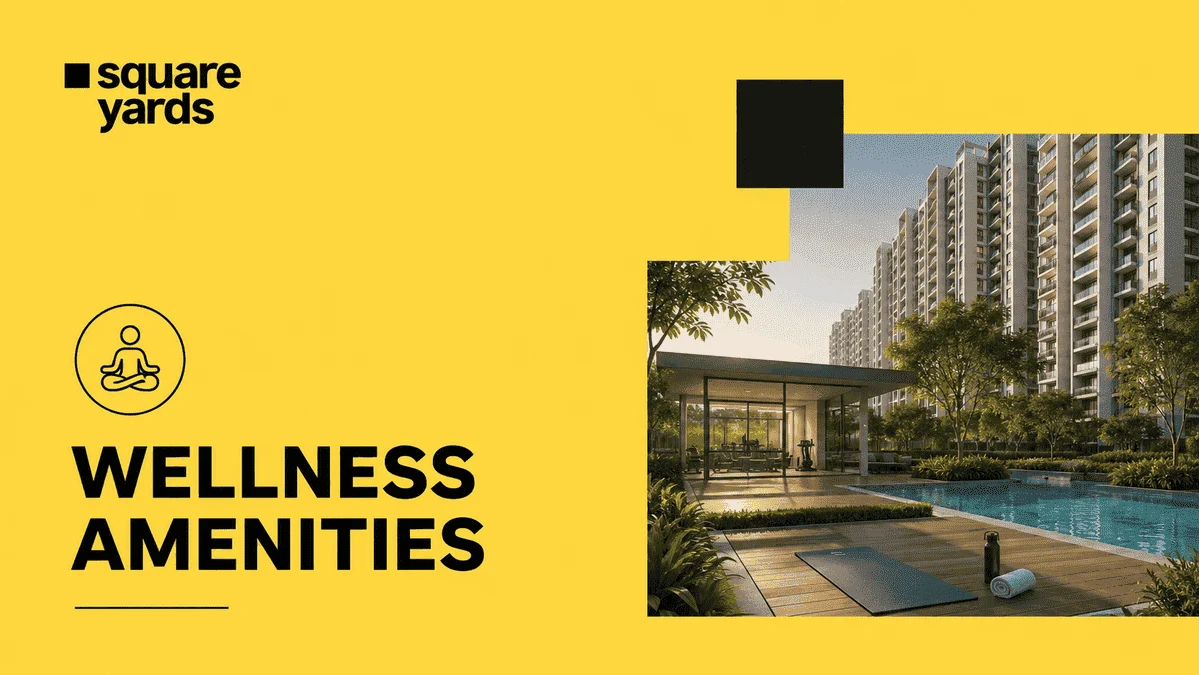
NOIDA – For Nikhil Tripathi, a 41-year-old logistics manager, the search for a new home in Noida’s burgeoning Sector 150 was supposed to be a milestone of achievement. Instead, it became a masterclass in marketing skepticism. As he walked through high-ceilinged experience centers and donned VR headsets showcasing "holistic living," Tripathi realized that evaluating health and wellness amenities was far from straightforward.
"Everyone was selling a dream of longevity and peace," Tripathi recalls. "But when I asked about the specific MERV rating of the air filtration or the long-term maintenance budget for the ‘Olympic-sized’ pool, the answers turned vague. I realized I wasn’t just buying a flat; I was being asked to invest in a wellness ecosystem that may or may not exist five years from now."
Tripathi’s experience is emblematic of a massive shift in the Indian real estate landscape. In 2026, wellness amenities have transitioned from luxury "add-ons" to core purchase criteria, fundamentally altering how properties are valued, sold, and maintained.
Main Facts: The $650 Billion Wellness Frontier
The integration of health-conscious design into residential real estate is no longer a niche trend; it is a global economic powerhouse. According to the Global Wellness Institute, the global wellness real estate market—valued at a significant $275 billion in 2020—is projected to exceed $650 billion by the end of 2026.
In India, this movement has found fertile ground in Tier-1 cities like Gurugram, Noida, Bangalore, and Mumbai. Urban buyers, scarred by periods of high pollution and the sedentary traps of remote work, are now prioritizing "active design" over mere square footage.
Wellness amenities today encompass a broad spectrum:
- Physical Infrastructure: High-tech fitness centers, swimming pools, and dedicated cycling tracks.
- Environmental Health: Centralized air and water purification systems (HEPA and UV filtration).
- Mental Well-being: Yoga and meditation studios, "quiet zones," and biophilic gardens.
- Advanced Technology: Circadian lighting systems and smart-home health monitoring.
However, as the demand for these features grows, so does the "Wellness Gap"—the discrepancy between what is promised in a glossy brochure and the functional reality of the facilities post-possession.
Chronology: From "Clubhouse" to "Longevity Center"
The evolution of these amenities follows a clear timeline of shifting consumer psychology:
- Pre-2020 (The Luxury Era): Wellness features like spas or gyms were viewed as status symbols. They were often underutilized, serving primarily as decorative elements to justify premium pricing.
- 2020–2022 (The Pandemic Pivot): The COVID-19 pandemic forced a radical reassessment. Home became a sanctuary, a gym, and an office. Buyers began demanding open spaces, better ventilation, and private balconies.
- 2023–2025 (The Integration Phase): Developers began incorporating wellness into the "bones" of the building, moving beyond the clubhouse to include non-toxic building materials and advanced water treatment.
- 2026 (The Longevity Era): Today’s market is defined by "Longevity Programming." Residents look for amenities that offer measurable health outcomes, such as AQI-monitored indoor environments and community-led wellness workshops.
Supporting Data: The True Cost of Healthy Living
The financial implications of wellness-rich developments are profound, affecting both the initial purchase price and the long-term cost of ownership. Data from 2025–26 market reports indicates that properties with certified wellness features command a 10% to 15% premium over standard projects in the same micro-market.
However, the real "sticker shock" often comes after the keys are handed over. Maintenance charges vary wildly based on the complexity of the amenities:
| Amenity Tier | Segment | Typical Features | Maintenance Range (per sq ft/month) |
|---|---|---|---|
| Basic | Affordable | Common gym, open park, basic pool | ₹3 – ₹5 |
| Mid-Segment | Mid-Premium | Equipped gym, jogging track, multipurpose court | ₹5 – ₹8 |
| Premium | Ultra-Luxury | Spa, AQI monitoring, circadian lighting, wellness lounge | ₹10 – ₹22 |
For a 2,000-sq-ft luxury apartment, a maintenance fee of ₹22 per sq ft translates to ₹44,000 per month—a significant recurring cost that many buyers fail to factor into their long-term financial planning.
Expert Perspectives and Official Responses
Industry experts argue that the value of these amenities is only as good as their governance. "A project with eight well-maintained amenities is infinitely more valuable than one with fifteen deteriorating ones," says an advisor from Square Yards, a leading real estate consultancy.
When evaluating these projects, advisors suggest a "triangulation" method: comparing developer promises against RERA filings and the developer’s track record in previous projects.
The "Brochure vs. Reality" Checklist:
To combat the marketing "fluff," buyers are encouraged to demand specific data points:
- Gyms: Beyond "fully equipped," ask for the brand of equipment and the square footage per resident.
- Air Quality: For projects promising air purification, ask for the HEPA filter replacement schedule and real-time AQI monitoring transparency.
- Biophilic Design: Distinguish between "decorative planting" and actual dedicated green space (land allocation percentages).
- Pools: Confirm water treatment technology (chlorine vs. salt water) and the availability of certified lifeguards.
Official Red Flags: What to Watch For
Market veterans warn of several "red flags" that indicate a wellness proposition may be unsustainable:
- The "Multipurpose" Trap: A yoga studio that doubles as a banquet hall often serves neither purpose well.
- Hidden Fees: Some premium amenities (like spas or specialized classes) may require membership fees above the standard maintenance charge.
- The Maintenance Vacuum: If a developer has no clear plan for the transition of facility management to the Resident Welfare Association (RWA), the amenities are likely to degrade within 36 months.
Implications: ROI and the Future of Living
The implications of making the right choice extend far beyond personal health. From an investment perspective, wellness-integrated homes are showing higher resilience in secondary markets.
1. Appreciation Potential: Data shows that "wellness-certified" homes appreciate 5-7% faster than standard homes in high-density urban corridors.
2. Rental Yield: In cities like Bangalore and Gurugram, corporate tenants—particularly expats and high-earning professionals—are willing to pay a 12-18% rental premium for buildings with superior air filtration and fitness facilities.
3. The "Downside" Scenario: Buyers must run a "downside" financial model. If property appreciation remains flat for three years, can the owner still comfortably afford the high maintenance costs associated with premium wellness features?
Buyer Profile Suitability: A Tailored Approach
Not all wellness amenities are equally valuable to every buyer. The 2026 market has identified distinct profiles:
- End-Users: Should prioritize daily usability and "invisible" wellness (air/water quality).
- Short-term Investors (3-5 years): Should focus on "photogenic" amenities that drive resale demand and premium positioning.
- Retirees: Should prioritize low-impact fitness options, accessibility, and proximity to healthcare services rather than high-intensity gyms.
- NRI Buyers: Must focus on brand credibility and the ease of remote management, ensuring the promised facilities are actually delivered.
Conclusion: The Next Step in the Decision Journey
The "wellness" tag in residential real estate is no longer just a marketing buzzword; it is a complex financial and lifestyle asset. As Nikhil Tripathi eventually discovered, the key is to move from a reactive buyer to a proactive evaluator.
"I stopped looking at the pictures of people doing yoga in the sunset," Tripathi says. "I started looking at the RERA-committed delivery dates and the RWA governance structures. That’s when I found a home that actually supported my health, rather than just my ego."
For those navigating this complex market, the message is clear: the quality of your property decision depends entirely on the quality of your information. In the high-stakes world of 2026 real estate, a 48-hour "research gap"—verifying data, checking maintenance history, and consulting with verified advisors—is the difference between a life-enhancing investment and a costly mistake.
Frequently Asked Questions
1. What exactly constitutes "wellness real estate" in 2026?
It refers to homes proactively designed and built to support the holistic health of their residents, including physical, mental, and environmental wellness factors.
2. How can I verify if a developer’s wellness claims are legally binding?
Always refer to the RERA (Real Estate Regulatory Authority) registration. Any amenity not listed as a "committed deliverable" in the RERA filing is not legally guaranteed, regardless of what is in the marketing brochure.
3. Are the high maintenance fees for wellness projects worth it?
This depends on your lifestyle. If you actively use the gym, pool, and spa, the "all-in" cost is often lower than external memberships. However, for those who don’t use these facilities, the high monthly charges can significantly erode the property’s ROI.
4. What is "Biophilic Design"?
It is a construction concept that increases occupant connectivity to the natural environment through the use of direct nature, indirect nature, and space and place conditions. In 2026, this is a major trend in reducing resident stress levels.
