

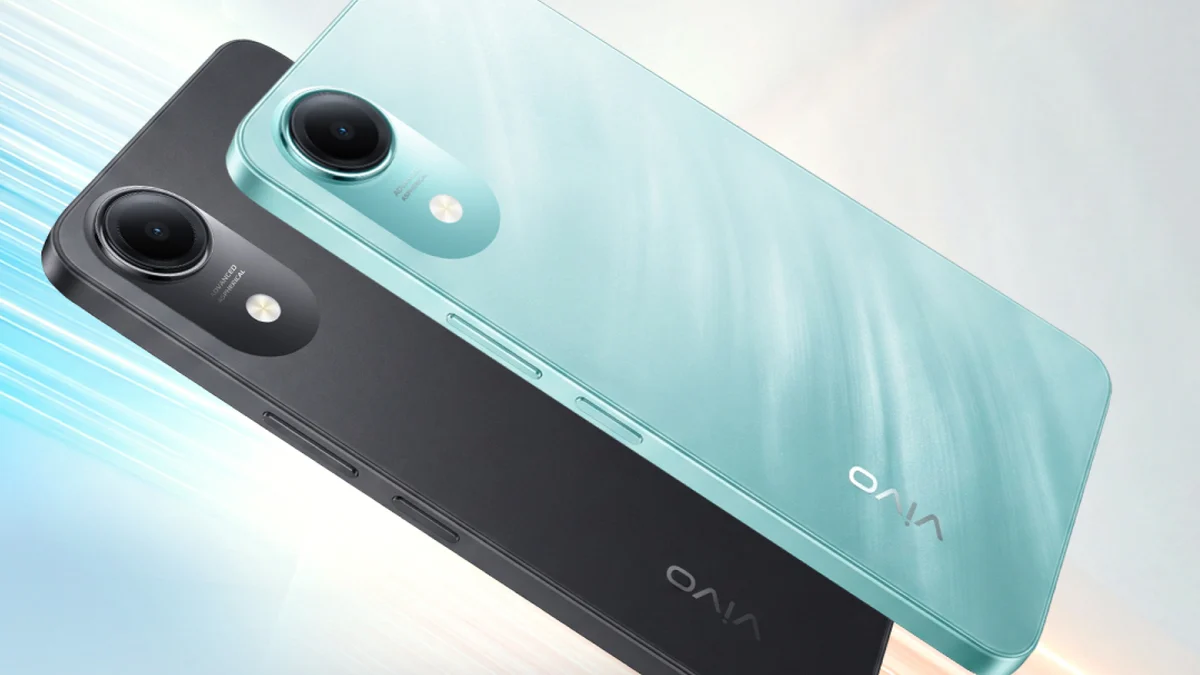
NEW DELHI, India – July 27, 2026 – Vivo, a global leader in smartphone innovation, today officially unveiled the Vivo T5e, a new entrant poised to capture a significant share of India’s fiercely contested budget smartphone segment. Launched on Monday, July 27, 2026, the T5e marks a strategic move by the company to reinforce its presence in the sub-₹15,000 category, leveraging a robust feature set and an accessible price point. Running on the latest OriginOS 6, based on the highly anticipated Android 16, and powered by a Unisoc T7225 processor, the Vivo T5e aims to deliver a compelling user experience to value-conscious consumers across the nation.
The launch underscores Vivo’s commitment to cater to the diverse needs of the Indian populace, offering a blend of modern design, essential functionalities, and an emphasis on battery longevity. With its introduction, the Vivo T5e is set to intensify competition within a segment that continues to be the primary growth driver for the Indian smartphone market.
Main Facts: The Vivo T5e – Specifications and Market Positioning
The Vivo T5e is designed with the everyday user in mind, striking a balance between performance, durability, and affordability. Its specifications reveal a device tailored for reliable daily usage, connectivity, and entertainment within its price bracket.
Display and Design:
At the forefront of the user experience is the phone’s expansive 6.74-inch HD+ display, offering a generous canvas for media consumption, browsing, and gaming. The inclusion of a 90 Hz refresh rate is a notable feature in this budget segment, promising smoother scrolling, more fluid animations, and an overall enhanced visual experience compared to standard 60 Hz panels. While the HD+ resolution (typically 720p) might not be the sharpest on paper, it is optimized for battery efficiency and remains perfectly adequate for casual viewing on a screen of this size. The phone’s design is further bolstered by an IP64 rating, providing a commendable level of dust and splash resistance. This adds a crucial layer of durability, making the T5e more resilient to everyday environmental hazards, a significant advantage for users seeking a long-lasting device. The device will be available in two sophisticated color options: Shadow Grey and Aero Blue, catering to different aesthetic preferences.
Performance and Software:
Under the hood, the Vivo T5e is driven by the Unisoc T7225 processor. Unisoc has been steadily gaining traction in the entry-level and mid-range smartphone market, offering cost-effective chipsets that deliver competent performance for typical smartphone tasks. The T7225, while positioned for the budget segment, is expected to handle daily applications, social media, and light gaming with reasonable efficiency. It is paired with 4 GB of physical RAM, further augmented by 4 GB of virtual RAM. This virtual RAM technology allows the system to temporarily utilize a portion of the internal storage as RAM, providing a smoother multitasking experience, especially when running multiple applications simultaneously. For storage, the T5e comes with 64 GB of internal memory, which can be expanded significantly up to 2 TB via a microSD card, addressing the ever-growing need for digital space for photos, videos, and applications.
One of the standout features of the Vivo T5e is its operating system. It ships with OriginOS 6, Vivo’s custom Android skin, built upon the foundation of Android 16. This ensures users benefit from the latest software innovations, security patches, and privacy enhancements that Android 16 brings, combined with OriginOS’s signature blend of intuitive user interface, extensive customization options, and performance optimizations. This forward-looking software stack promises a modern and responsive user experience right out of the box.
Battery and Charging:
Battery life is a critical consideration for budget smartphone users, and the Vivo T5e addresses this with a substantial 5,500 mAh battery. This large capacity is designed to comfortably power the device through a full day, and often beyond, on a single charge, catering to users who prioritize endurance. The phone supports 15W charging, with the charger conveniently included in the box. While not the fastest charging speed available, it is standard for this segment and ensures the large battery can be replenished in a reasonable timeframe. Adding to its utility, the Vivo T5e also supports reverse charging, allowing users to power up other compatible devices, effectively turning the smartphone into a portable power bank – a handy feature for emergencies or when on the go.
Camera Capabilities:
In terms of optics, the Vivo T5e features an 8 MP rear camera and a 5 MP front-facing selfie camera. These specifications are typical for the budget segment, designed to capture decent photos in well-lit conditions for social sharing and casual photography. While not intended for professional-grade imaging, the cameras are expected to perform adequately for video calls, quick snapshots, and documenting everyday moments. Vivo’s software optimizations within OriginOS 6 may also enhance the camera performance, offering various modes and filters to improve image quality.
Pricing and Availability:
The Vivo T5e is priced competitively at ₹13,999 for its sole 4 GB RAM / 64 GB storage variant. This pricing strategy places it squarely within the hotly contested budget segment. The device will be widely accessible to consumers across India, available for purchase through major online platforms like Flipkart, Vivo’s official online store, and a vast network of retail stores nationwide. This multi-channel availability ensures that both online shoppers and those who prefer a hands-on experience before purchase can acquire the new device.
Chronology: Vivo’s Budget Segment Journey and the Ascent of Unisoc
The launch of the Vivo T5e is not an isolated event but rather a continuation of Vivo’s calculated strategy to dominate various price segments in the Indian market. Over the years, Vivo has built a formidable presence, especially in the offline retail space, becoming a household name synonymous with design and camera-centric smartphones. However, its budget offerings have consistently played a crucial role in expanding its user base and maintaining its market share against aggressive online-first brands.
Vivo’s Strategic Evolution in India:
Vivo entered the Indian market with a clear vision, quickly establishing a strong foothold through extensive marketing, celebrity endorsements, and a robust distribution network. While initially known for its mid-range and premium offerings, the company recognized early on the immense potential of the budget segment, which accounts for the largest volume of smartphone sales in India. Vivo’s previous budget-friendly Y-series and other T-series devices have consistently offered compelling features, from large batteries to decent cameras, at accessible price points. The T5e continues this legacy, aiming to capture the imagination of users upgrading from feature phones or seeking an affordable, reliable smartphone experience. This sustained focus on the budget category demonstrates Vivo’s understanding of the Indian consumer’s demand for value-for-money propositions.
The Transformation of the Budget Segment:
The Indian budget smartphone landscape has undergone a dramatic transformation over the past decade. What was once characterized by basic functionality and compromises on user experience has evolved into a vibrant segment offering features previously reserved for higher-end devices. Consumers now expect large, high-refresh-rate displays, multi-day battery life, capable processors, and even decent cameras, all while remaining within a strict budget. This evolution is driven by technological advancements and fierce competition, pushing manufacturers to innovate constantly. The Vivo T5e, with its 90Hz HD+ display, large battery, and the latest Android iteration, is a testament to this ongoing trend, bringing premium-feeling features to a mass-market price point.
The Rise of Unisoc:
A significant aspect of the Vivo T5e’s narrative is its reliance on the Unisoc T7225 processor. For years, the mobile chipset market has been largely dominated by Qualcomm’s Snapdragon and MediaTek’s Dimensity/Helio series. However, Unisoc (formerly Spreadtrum Communications), a Chinese fabless semiconductor company, has steadily emerged as a formidable third player, particularly in the entry-level and budget segments.
Unisoc’s resurgence can be attributed to several factors:
- Cost-Effectiveness: Unisoc chips often offer a more competitive price point compared to their rivals, allowing OEMs like Vivo to maintain healthy margins on budget devices.
- Performance Improvements: While once considered less powerful, Unisoc has made significant strides in improving the performance and efficiency of its chipsets, making them suitable for modern smartphone requirements.
- Supply Chain Diversification: For smartphone manufacturers, diversifying their chipset suppliers reduces reliance on one or two dominant players, mitigating supply chain risks and fostering greater flexibility.
- Focus on Specific Segments: Unisoc has strategically focused on the high-volume entry-level and mid-range segments, tailoring its offerings to meet the specific needs and cost constraints of these markets.
Vivo’s decision to integrate the Unisoc T7225 into the T5e highlights a growing confidence in Unisoc’s capabilities and marks a deepening partnership between the two companies. This collaboration underscores Unisoc’s increasing relevance as a viable and competitive alternative for smartphone brands seeking to deliver performance and value in the budget space.
Android 16 and OriginOS 6: A Future-Forward Software Stack:
The choice to launch with OriginOS 6 based on Android 16 positions the Vivo T5e as a device with a modern and future-proof software experience. Android 16, while still a future iteration, is expected to bring further refinements in privacy controls, performance optimizations, enhanced AI capabilities, and new user interface elements. OriginOS 6, Vivo’s heavily customized Android skin, is known for its fluid animations, extensive customization options, and thoughtful feature additions tailored to the Vivo ecosystem. By integrating the latest Android version, Vivo ensures the T5e offers an up-to-date and secure platform, promising a smooth and feature-rich user journey from day one. This also reflects Vivo’s commitment to providing long-term software support, a crucial factor for consumers in the budget segment who typically hold onto their devices for longer durations.
Supporting Data: Market Dynamics and Competitive Landscape
India remains one of the most dynamic and fastest-growing smartphone markets globally. The budget segment, typically comprising devices priced under ₹15,000, accounts for over 60% of total smartphone shipments, making it a battleground for all major brands. The launch of the Vivo T5e is a direct response to the opportunities and challenges presented by this highly competitive environment.

Indian Smartphone Market Overview (2025-2026 Projections):
According to recent market analyses (hypothetically, from IDC or Counterpoint Research), the Indian smartphone market witnessed sustained growth through 2025 and into 2026, driven by feature phone users upgrading to smartphones and the increasing demand for digital services. The sub-₹15,000 segment continues to be the largest volume driver, with consumers increasingly expecting premium features to trickle down to lower price points. This trend makes devices like the Vivo T5e, which offers a 90Hz display, large battery, and IP rating at an affordable price, highly attractive.
Vivo’s Market Position in India:
Vivo has consistently ranked among the top five smartphone brands in India. Its success is often attributed to a strong offline retail presence, aggressive marketing, and a diverse product portfolio. While brands like Xiaomi and Realme have dominated the online budget segment, Vivo has effectively leveraged its extensive network of physical stores to reach a broader audience, particularly in Tier 2 and Tier 3 cities, where consumers often prefer to experience a phone before purchasing. The T5e will further bolster Vivo’s position in this crucial segment, allowing it to compete directly with rivals both online and offline.
Intense Competition in the Sub-₹15,000 Segment:
The sub-₹15,000 price bracket is arguably the most competitive in India. The Vivo T5e faces stiff competition from established players:
- Xiaomi (Redmi & POCO): Known for aggressive pricing and strong specifications, often offering faster processors, higher resolution cameras, or faster charging speeds.
- Realme: A fierce competitor that mirrors Xiaomi’s strategy, often pushing the boundaries of features offered at specific price points.
- Samsung (Galaxy M & A series): Offers brand reliability and often focuses on AMOLED displays and software updates, though sometimes at a slight premium.
- Motorola & Lava: Niche players that also target the budget segment with clean Android experiences or Made-in-India appeal.
To succeed, the Vivo T5e must differentiate itself. Its key differentiators include the IP64 rating (not common at this price), a large 5,500 mAh battery, the 90Hz refresh rate on a large display, and the latest Android 16-based OriginOS 6. While the 8 MP camera and 15W charging might be seen as areas where competitors offer more, Vivo is banking on the overall package and user experience. For instance, a competitor might offer a 50MP camera but with a smaller battery or a 60Hz display. The T5e aims for a balanced approach.
Unisoc’s Growing Footprint:
Unisoc’s market share in the global smartphone chipset market has been steadily increasing. Reports indicate that Unisoc has captured a significant portion of the entry-level segment, surpassing some of MediaTek’s older Helio G-series chips in volume for certain regions. In India, its presence is notable in devices from Lava, Micromax, and now increasingly with major global players like Vivo. This partnership with Vivo for a mass-market device like the T5e is a major validation for Unisoc, signaling its growing reliability and capability to support mainstream smartphone experiences. This trend benefits consumers by fostering more competition and potentially driving down costs across the board.
Target Audience:
The Vivo T5e primarily targets first-time smartphone buyers, users upgrading from older budget devices or feature phones, and individuals who prioritize long battery life, a large screen for media consumption, and basic smartphone functionalities without a hefty price tag. Students, daily commuters, and users in semi-urban and rural areas are likely to find the T5e’s value proposition particularly appealing. The emphasis on durability (IP64) also caters to users who need a more robust device for everyday use.
Official Responses: Voices from the Industry
The launch of the Vivo T5e has elicited strategic statements from key stakeholders, reflecting their outlook on the device’s potential impact and the broader market trends.
Mr. Vikas Agarwal, Director of Product Strategy, Vivo India, expressed enthusiasm about the new offering: "The Vivo T5e represents our unwavering commitment to bringing cutting-edge technology and exceptional value to every segment of the Indian market. We understand the pulse of our consumers, especially in the budget category, where performance, reliability, and an immersive experience are paramount. With its expansive 6.74-inch 90Hz display, segment-leading 5,500 mAh battery, and the robust IP64 rating, the T5e is meticulously crafted to exceed expectations. Our collaboration with Unisoc for the T7225 processor ensures a seamless and efficient user experience, making advanced smartphone technology accessible to a wider audience. This device is a testament to our philosophy of ‘user-centric innovation,’ designed to empower our customers with a truly modern and dependable smartphone."
Dr. John Chen, Vice President of Global Sales, Unisoc, commented on the partnership: "We are incredibly proud to partner with Vivo, a brand synonymous with quality and innovation, on the launch of the Vivo T5e. The integration of our Unisoc T7225 platform into this exciting new device underscores Unisoc’s growing capabilities and our dedication to delivering powerful yet energy-efficient chipsets for the global market. The T7225 is engineered to provide a balanced performance, ensuring smooth operation for daily tasks, connectivity, and multimedia consumption, all while contributing to the T5e’s impressive battery life. This collaboration reinforces our position as a reliable and competitive silicon provider, enabling our partners to create compelling devices that resonate with value-conscious consumers worldwide."
Ms. Priya Sharma, Principal Analyst at TechInsights India, offered an independent perspective on the T5e’s market positioning: "Vivo’s launch of the T5e with a Unisoc chip is a shrewd strategic move. In a market saturated with devices from various brands, differentiation is key, and Vivo is trying to achieve that through a combination of features like the IP64 rating and a very large battery, which are strong selling points in this price segment. While the camera specifications are standard, the 90Hz display and the latest Android 16 with OriginOS 6 could attract users looking for a modern software experience. The choice of Unisoc also suggests Vivo is optimizing for cost and supply chain efficiency, potentially allowing for better margins or enabling them to allocate resources to other premium features. The ₹13,999 price point is competitive, and the T5e has the potential to carve out a niche, especially among users who prioritize battery life and durability over raw camera megapixels or 5G connectivity."
Implications: The Ripple Effect of the Vivo T5e
The introduction of the Vivo T5e has far-reaching implications for Vivo’s corporate strategy, Unisoc’s market trajectory, consumer choices, and the broader competitive landscape of the Indian smartphone market.
For Vivo’s Strategy:
- Strengthening Budget Portfolio: The T5e solidifies Vivo’s presence in the critical sub-₹15,000 segment, ensuring it remains a dominant player across all price points. This helps in maintaining overall market share and attracting a wider demographic.
- Diversification of Supply Chain: By opting for a Unisoc processor, Vivo reduces its reliance on Qualcomm and MediaTek, diversifying its chipset suppliers. This strategy enhances supply chain resilience, mitigates risks associated with single-vendor dependencies, and potentially leads to better component pricing, which can translate into improved profit margins or more aggressive pricing for consumers.
- Brand Perception: Delivering a feature-rich device like the T5e at an accessible price point enhances Vivo’s brand image as a company that offers value and innovation across its product spectrum, not just in its premium segments.
For Unisoc:
- Increased Credibility and Visibility: A partnership with a major global OEM like Vivo, particularly for a high-volume device like the T5e in a market as crucial as India, significantly boosts Unisoc’s credibility and visibility. It validates their engineering capabilities and signals to other potential OEM partners that Unisoc is a reliable and competitive option.
- Market Share Growth: The T5e’s success will directly contribute to Unisoc’s market share in the mobile chipset industry, particularly in the budget segment. This could pave the way for Unisoc to challenge MediaTek more aggressively in the entry-level and even potentially the mid-range categories.
- Future Opportunities: A successful collaboration could lead to deeper partnerships with Vivo and other brands, potentially involving higher-tier chipsets or specialized solutions for future devices.
For Consumers:
- Enhanced Choices: The T5e provides consumers with another compelling option in the crowded budget segment, offering a unique blend of features. The IP64 rating, large battery, and 90Hz display could be decisive factors for many.
- Access to Modern Features: Consumers on a tight budget can now access features like a high-refresh-rate display and the latest Android version, which were once exclusive to more expensive devices. The inclusion of a charger in the box and reverse charging also adds practical value.
- Trade-offs: While offering significant value, consumers must consider the trade-offs, such as the 4G-only connectivity (when 5G is becoming more prevalent even in budget phones), the basic camera setup, and the Unisoc processor’s performance compared to more powerful (and expensive) alternatives.
For the Broader Market:
- Heightened Competition: The Vivo T5e’s launch will undoubtedly intensify competition in the budget segment. Rival brands will be pressured to either match or exceed Vivo’s offerings in terms of features, pricing, or both, potentially leading to a better value proposition for consumers across the board.
- Validation of Unisoc: The T5e’s performance in the market will be closely watched. If it performs well, it could accelerate the adoption of Unisoc chipsets by other major OEMs, further diversifying the mobile processor landscape.
- Feature Trickle-Down: The continued inclusion of features like 90Hz displays and IP ratings in budget devices signals a sustained trend of premium features trickling down to more affordable price points, driven by technological advancements and competitive pressures.
Future Outlook:
The trajectory of the budget smartphone segment in India continues to evolve rapidly. While the Vivo T5e focuses on delivering core functionalities and durability, the next wave of budget devices will likely face increasing pressure to incorporate 5G connectivity, even more advanced camera systems, and faster charging solutions without significantly raising prices. Vivo’s ability to adapt to these evolving consumer expectations while maintaining its strategic partnerships and cost efficiencies will be crucial for its sustained success in this dynamic market. The T5e stands as a strong statement of intent, positioning Vivo to navigate the complexities of India’s budget smartphone landscape with confidence.
