

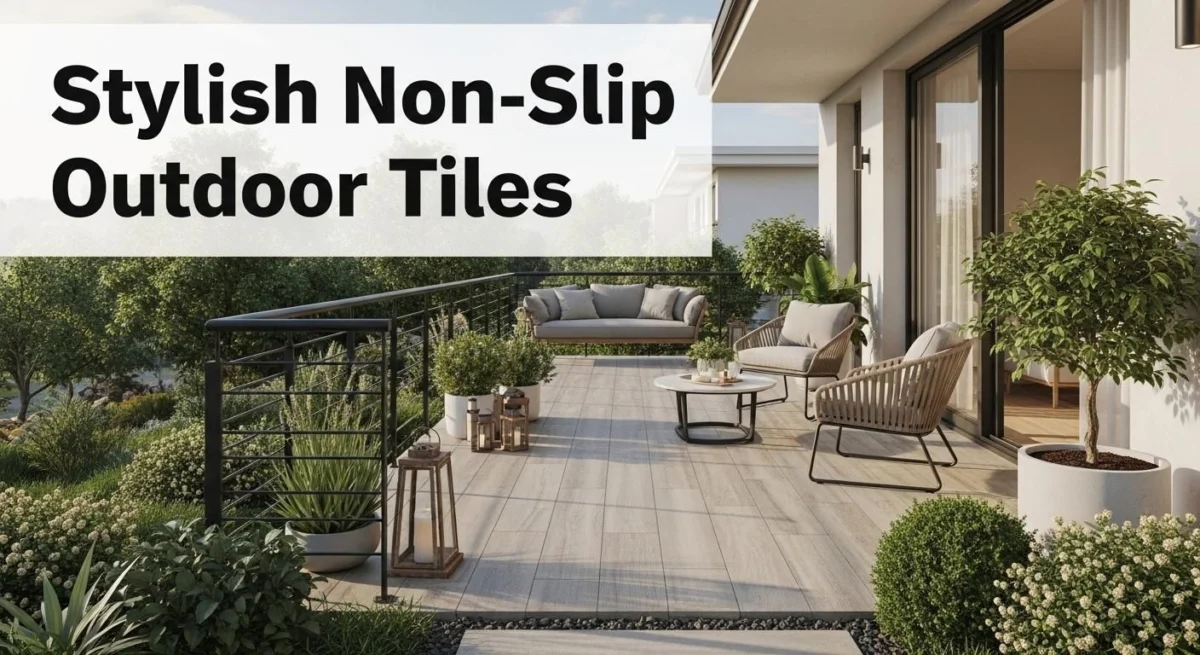
Main Facts: The Intersection of Aesthetics and Liability in Modern Landscaping
As homeowners increasingly transition toward "indoor-outdoor living," the patio has evolved from a simple concrete slab into a sophisticated extension of the primary residence. However, this architectural shift brings a critical, often overlooked challenge: safety. According to recent architectural trend reports, the demand for specialized outdoor flooring has surged by 40% over the last five years, driven largely by a growing awareness of slip-and-fall liabilities and the desire for durable, weather-resistant surfaces.
The primary factor in selecting outdoor flooring is no longer just visual appeal; it is the "grip" or coefficient of friction. In areas prone to moisture—such as poolside decks, open balconies, and garden walkways—the choice of material can mean the difference between a functional retreat and a high-risk zone. Non-slip outdoor tiles are engineered specifically to provide traction under wet conditions, utilizing advanced texturing and material density to prevent accidents. From high-fired porcelain to naturally abrasive sandstone, the market now offers a variety of solutions that balance high-end design with rigorous safety standards.
Chronology: The Evolution of Outdoor Flooring Materials
The history of outdoor flooring is a journey from raw utility to high-tech engineering. Understanding this timeline explains why modern non-slip tiles are superior to the materials of the past.
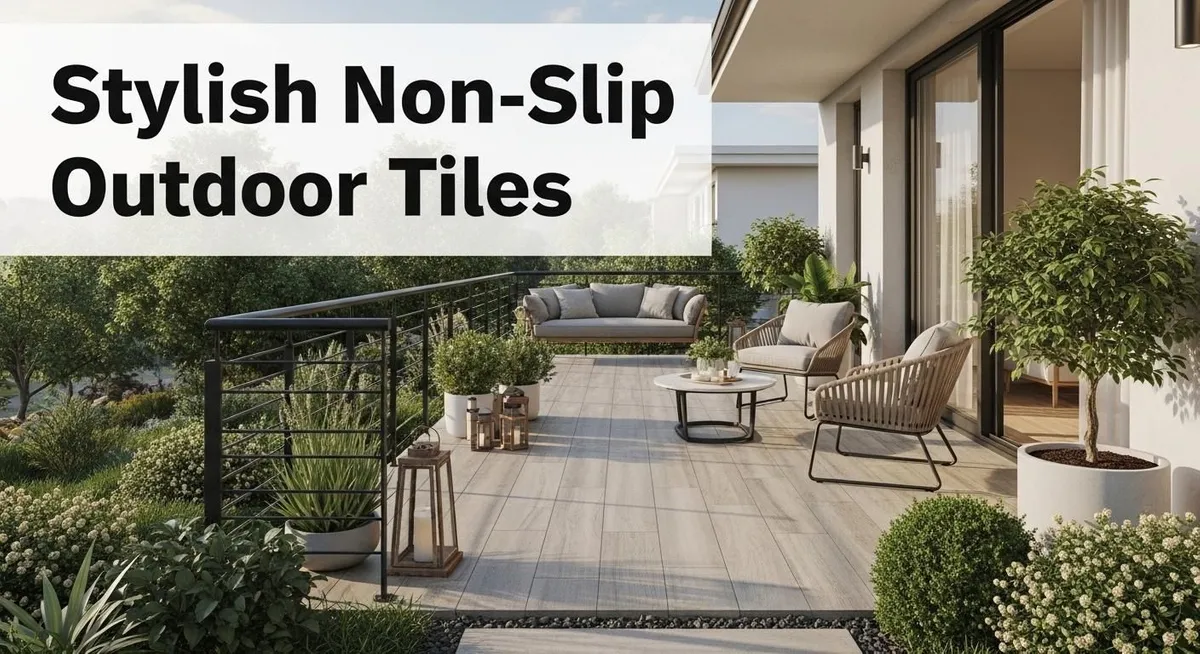
The Era of Raw Stone and Concrete (Pre-1950s)
For centuries, outdoor paths were primarily composed of local stone, gravel, or poured concrete. While natural stone provided some grip due to its uneven surface, it was difficult to maintain and prone to erosion. Poured concrete, while durable, often became dangerously slick when worn smooth or wet.
The Rise of Traditional Ceramics (1960s–1980s)
As suburban landscaping became more decorative, homeowners began using glazed ceramic tiles outdoors. While aesthetically pleasing, these tiles were often repurposed indoor materials. They lacked the frost resistance and surface friction required for outdoor use, leading to frequent cracking and high slip risks during rain.
The Technological Breakthrough: Porcelain and Vitrification (1990s–2010s)
The introduction of vitrified and porcelain tiles marked a turning point. By firing clay at extremely high temperatures (over 1200°C), manufacturers created a material that was nearly waterproof (less than 0.5% absorption). In the early 2000s, manufacturers began applying digital printing and mechanical texturing to these tiles, allowing them to mimic natural wood or stone while maintaining a high "R-rating" for slip resistance.
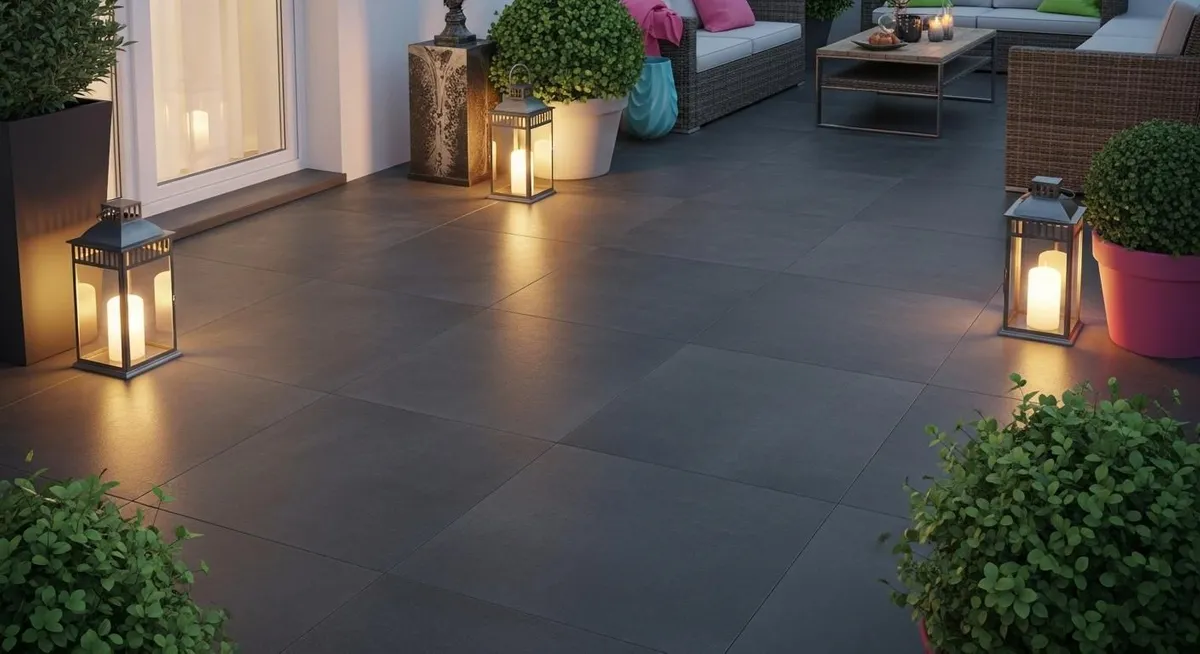
The Modern Era: Specialized Anti-Skid Engineering (2020–Present)
Today, the industry focuses on "micro-texturing." Modern non-slip tiles are no longer just "rough" to the touch; they are engineered with microscopic ridges that provide grip for bare feet and rubber soles alike, without being abrasive or difficult to clean.
Supporting Data: A Deep Dive into the Top 7 Non-Slip Materials
To make an informed decision, one must look at the technical specifications of the leading materials. Here is a breakdown of the seven most effective non-slip outdoor tiles available in the current market.
1. Textured Porcelain: The Industrial Gold Standard
Porcelain is widely considered the premier choice for modern patios. Because it is denser and less porous than standard ceramic, it resists the "freeze-thaw" cycle that causes other tiles to crack. The "textured" variety features a matte, grainy finish that achieves high slip-resistance ratings (often R11 or higher). It is also resistant to chemicals, making it ideal for areas near saltwater or chlorinated pools.
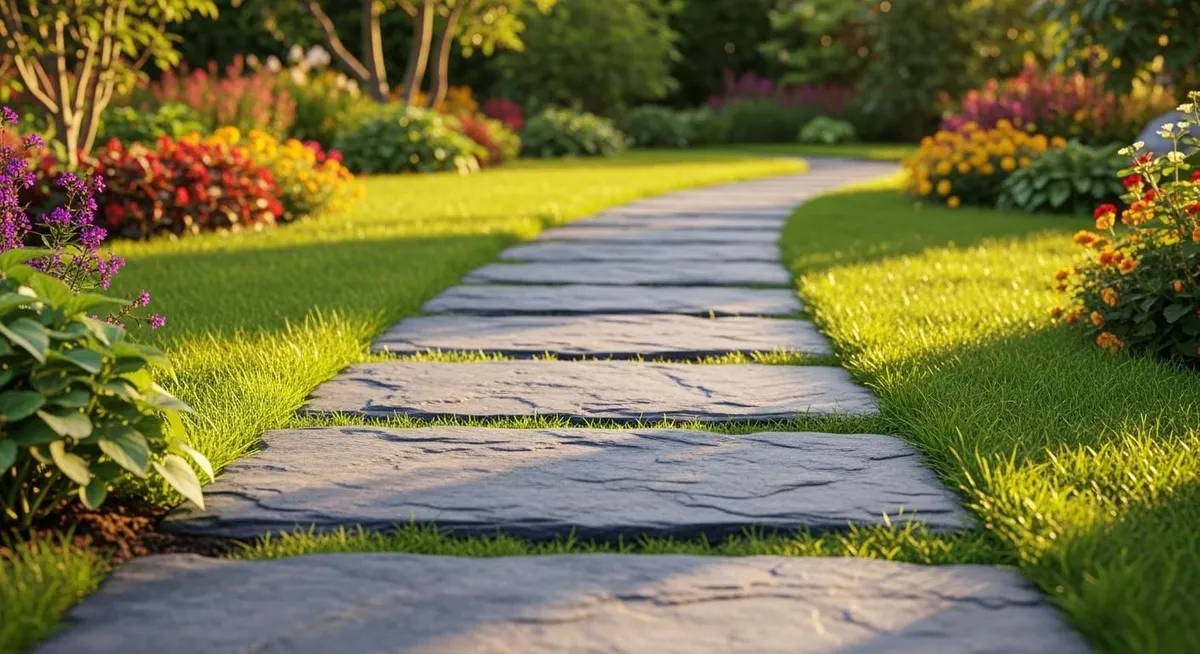
2. Natural Slate: The Built-In Grip of Geology
Slate is a metamorphic rock that naturally splits into layers, creating a "cleft" surface. This bumpy, uneven texture is a natural anti-slip feature. Slate is highly durable and offers a sophisticated, rustic aesthetic. Data shows that slate remains one of the most popular choices for garden paths due to its ability to blend seamlessly into organic environments while providing excellent foot-hold.
3. Sandstone Pavers: High Traction for Wet Zones
Sandstone is composed of sand-sized grains of mineral, rock, or organic material. Its physical makeup is essentially that of fine-grit sandpaper. Even when completely submerged in water, sandstone retains its traction. It is a favorite for balconies and beach-themed poolside areas, though it requires sealing to prevent water absorption and staining.
4. Granite Slabs: Heavy-Duty Resilience
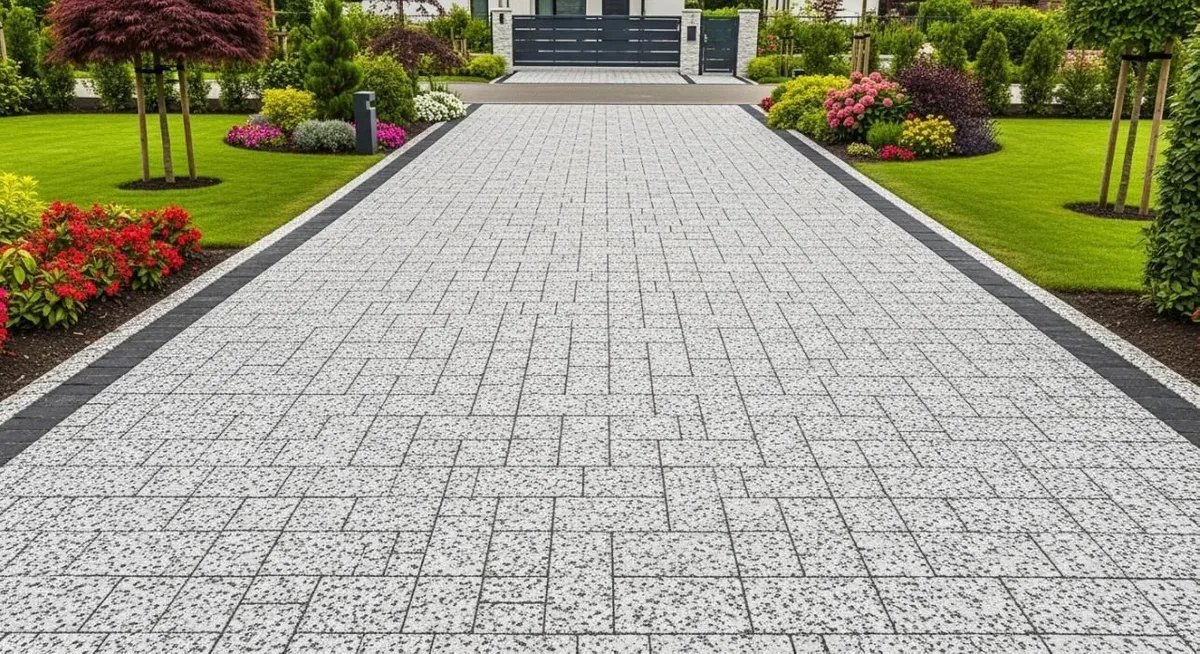
For high-traffic driveways and public walkways, granite is the material of choice. To make it non-slip, manufacturers use "flaming" or "bush-hammering" techniques. Flaming involves exposing the stone to high-intensity flames, causing the surface grains to burst and create a rough, grippy texture. Granite is virtually indestructible and can withstand the weight of heavy vehicles without cracking.
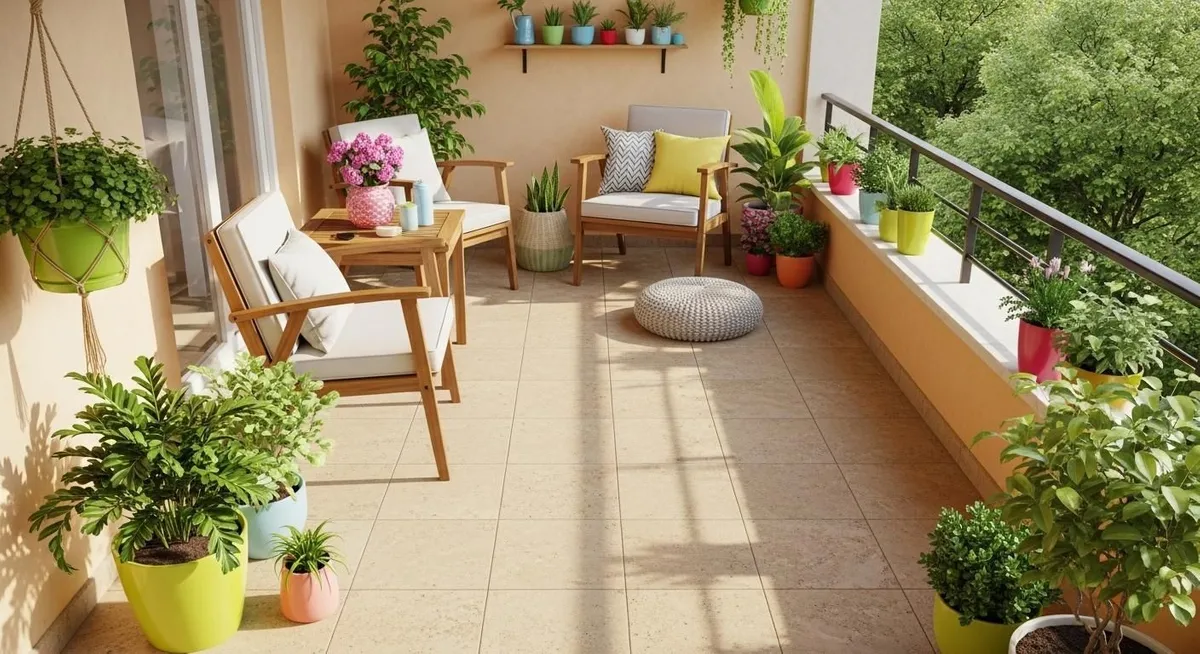
5. Anti-Skid Terracotta: Classic Charm with Modern Safety
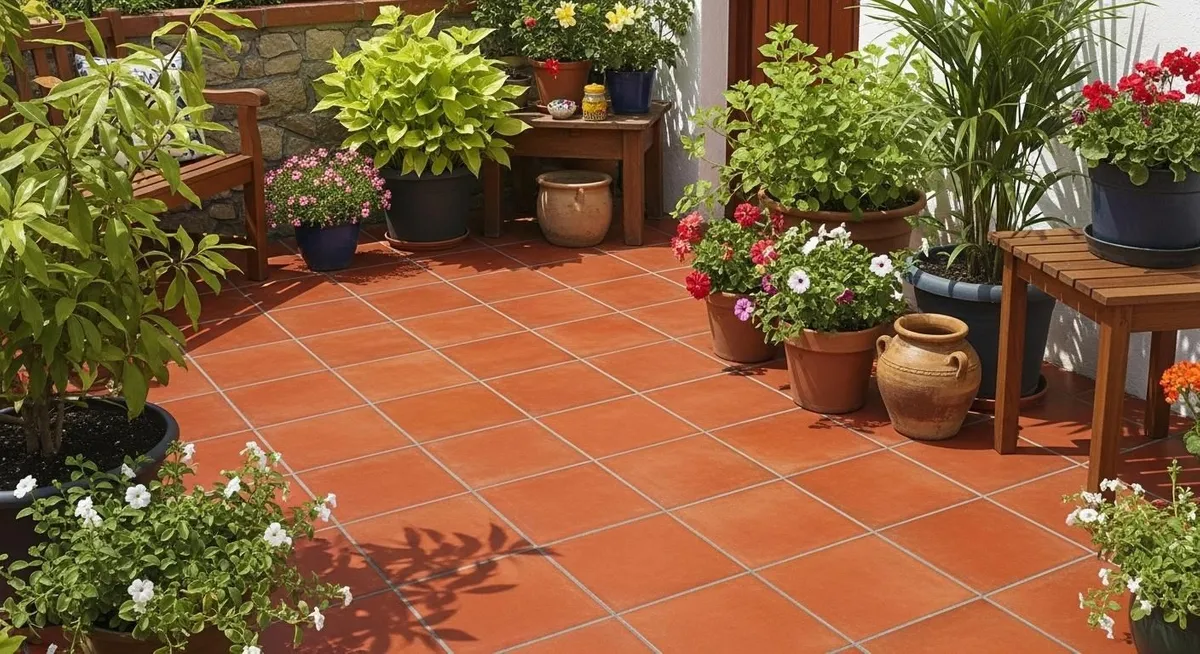
Traditional terracotta is known for its warmth and red-earth tones but was historically avoided in wet areas due to its slipperiness. Modern anti-skid versions have changed this. These tiles are now treated with specialized sealants and textured during the molding process, making them safe for Mediterranean-style courtyards and open-air patios.
6. Wood-Look Vitrified Tiles: Aesthetic Without the Hazard
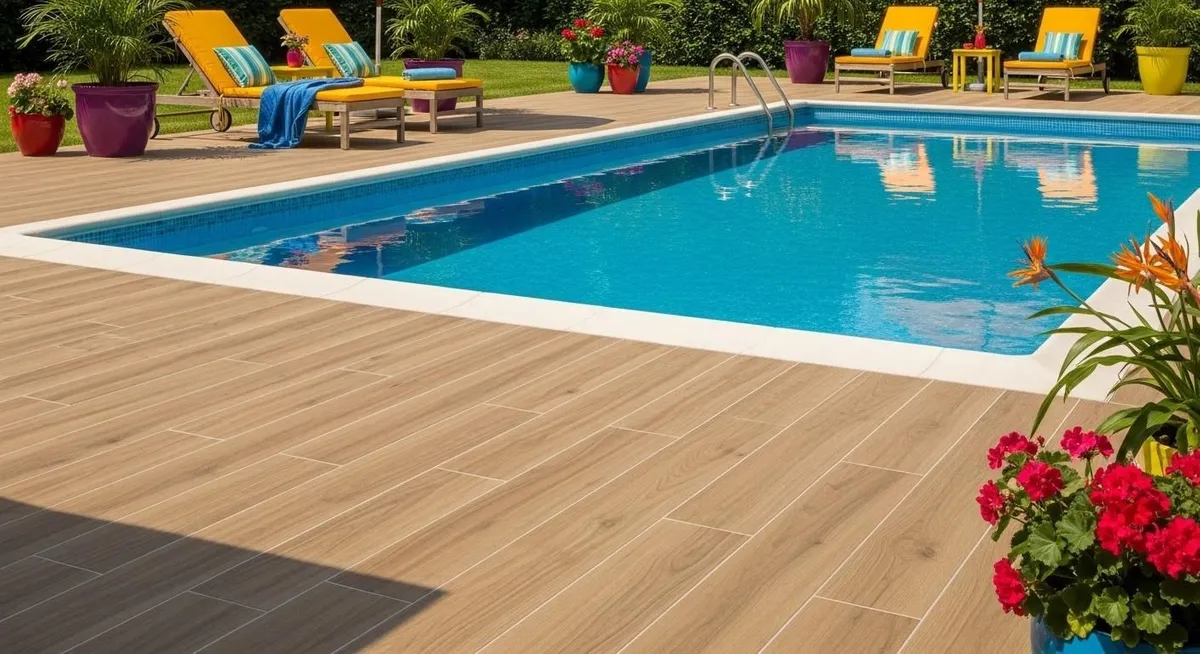
Real wood decking is notorious for becoming slick when algae grows on its damp surface. Wood-look vitrified tiles solve this by using high-definition digital printing to mimic grain patterns, combined with a textured "grain" feel. They provide the warmth of timber with the safety and low maintenance of a high-friction tile.
7. Quartzite: The Shimmering Safety Solution
Quartzite is a hard, non-foliated metamorphic rock which was originally pure quartz sandstone. It is harder than granite and naturally slip-resistant due to its granular, crystalline structure. It often features a slight shimmer, making it a popular choice for outdoor stairs where visibility and safety are paramount.
Official Responses: Industry Standards and Expert Perspectives
Architects and safety inspectors emphasize that not all "outdoor" tiles are created equal. When selecting materials, industry experts point to the R-Rating system and the Pendulum Test Value (PTV).
- Architectural Perspective: "We advise clients to look for a minimum of an R11 rating for general outdoor use," says Michael Chen, a lead landscape architect. "For pool ramps or steep driveways, R12 or R13 is the professional standard. Anything lower than R10 is effectively an indoor tile and poses a significant risk when wet."
- Safety Standards: The International Organization for Standardization (ISO) provides guidelines on the "Coefficient of Friction" (CoF). A CoF of 0.60 or higher is generally considered "slip-resistant" for outdoor walkways.
- The Magicbricks Disclaimer: As noted by industry leaders like Magicbricks, while data provides a foundation, homeowners should always verify current ratings with manufacturers, as formulations and safety standards can update annually. They recommend "feeling" the tile in person—a tactile test often reveals more than a spec sheet.
Implications: The Long-Term Value of Safety-First Design
Investing in high-quality non-slip tiles carries implications far beyond simple aesthetics.
1. Risk Mitigation and Liability
For homeowners, the primary implication is safety. Slip-and-fall accidents are a leading cause of domestic injuries. By installing certified non-slip surfaces, homeowners reduce the risk of injury to family members and potential legal liability for guests.
2. Property Value and Marketability
In the real estate market, a professionally tiled, safe outdoor space is a significant "value-add." Prospective buyers are increasingly savvy about maintenance; a yard featuring durable, moss-resistant, and non-slip tiles is seen as a premium feature that requires less future investment than wood or basic concrete.
3. Maintenance and Longevity
The technical design of non-slip tiles—specifically their density and treated surfaces—means they are inherently more resistant to the elements.
- Algae Resistance: Many modern tiles are treated to inhibit the growth of moss and algae, which are the primary culprits behind floors turning green and slippery over time.
- Weatherproofing: These materials are designed to withstand UV rays without fading and extreme temperature shifts without cracking.
Maintenance Tips for Sustained Safety:
To ensure non-slip tiles maintain their friction levels, the following maintenance protocols are recommended by industry professionals:
- Regular Cleaning: Dirt and debris can fill the "micro-pores" of a textured tile, smoothing out the surface and reducing grip. Frequent sweeping and hosing are essential.
- Sealing Natural Stone: Porous stones like sandstone and slate should be sealed every 1-2 years to prevent water from penetrating the surface and causing internal erosion.
- Repairing Cracks: Even the best tile can fail if the subfloor shifts. Minor cracks should be filled immediately to prevent water from seeping underneath, which can lead to "heaving" during frosts.
Conclusion: A Foundation for the Future
The selection of outdoor flooring is a permanent decision that shapes the usability of a home’s exterior. While the visual allure of a sleek, polished surface is tempting, the practical demands of the outdoor environment require a texture-first approach. By choosing from the "Big Seven"—textured porcelain, slate, sandstone, granite, terracotta, vitrified wood-look, or quartzite—homeowners can create a space that is as safe as it is beautiful. In the modern landscape, safety is no longer a compromise; it is the foundation of good design.
