

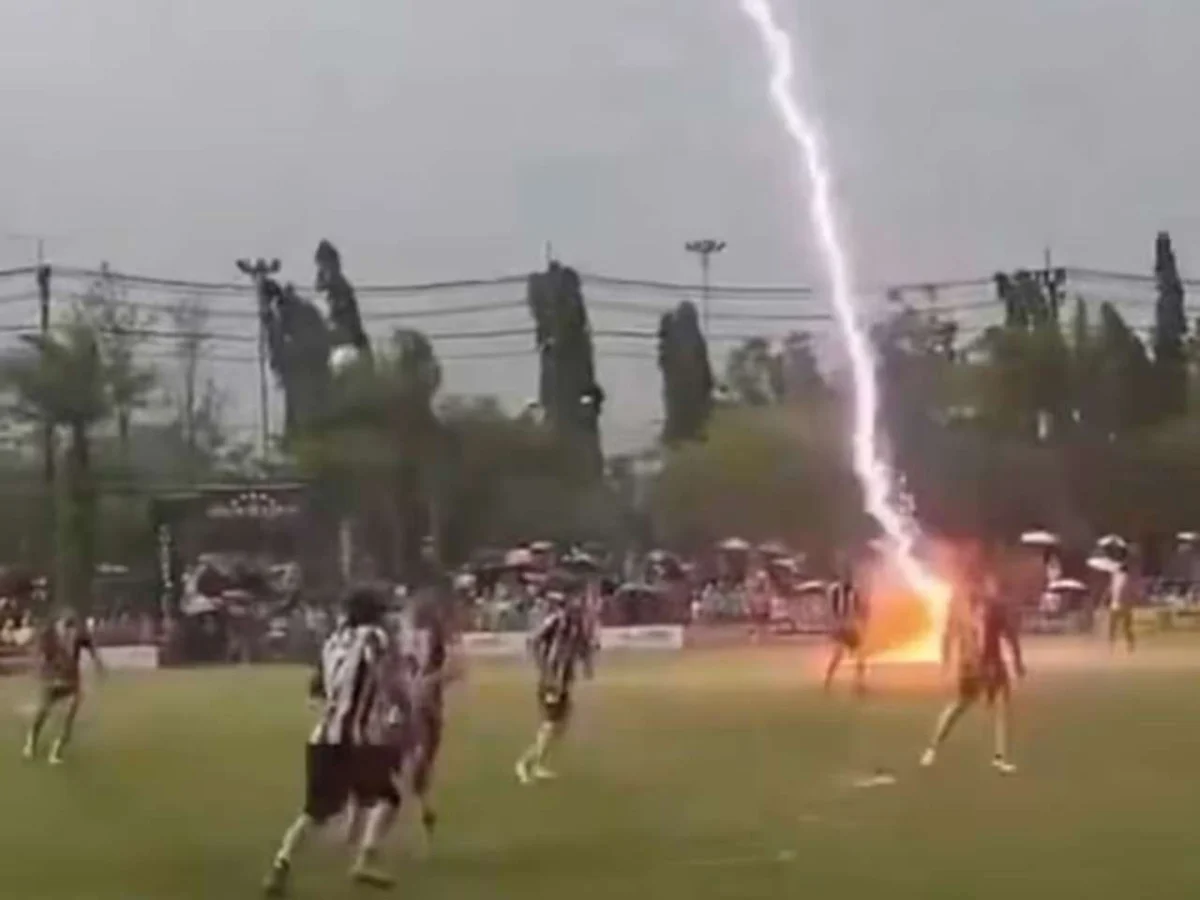
HAT YAI, THAILAND – A local football match in southern Thailand descended into unimaginable tragedy recently when a 24-year-old player, Sofwan Awae, was fatally struck by lightning on the field. The harrowing incident, which also left a dozen other players injured, was captured on video and quickly spread across social media, sparking a renewed and urgent debate over player safety protocols during severe weather conditions, particularly in amateur sports.
The heartbreaking event unfolded during a Golok FA Cup match, a tournament designed for local and Thai-Malaysian amateur teams, highlighting the vulnerability of athletes in less regulated environments. The football community, both locally and internationally, is now grappling with the profound loss and the pressing question of how such a devastating accident could have been prevented.
A Sudden, Devastating End: The Chronology of Tragedy
The fateful day, a recent Tuesday, began like any other match day for the SAMCOLTS football team, who were set to face off against Abu x Nong Sirin in the Golok FA Cup. The venue, an open-air pitch in southern Thailand, was prepared for a competitive amateur encounter.
As the game progressed, the weather began to deteriorate. Rain, initially light, intensified, creating challenging conditions for the players. Despite the escalating downpour, the match continued, a decision that would later come under intense scrutiny from the public and football safety advocates. The air grew heavy with humidity, and dark clouds gathered overhead, precursors to the impending natural disaster that was about to strike.
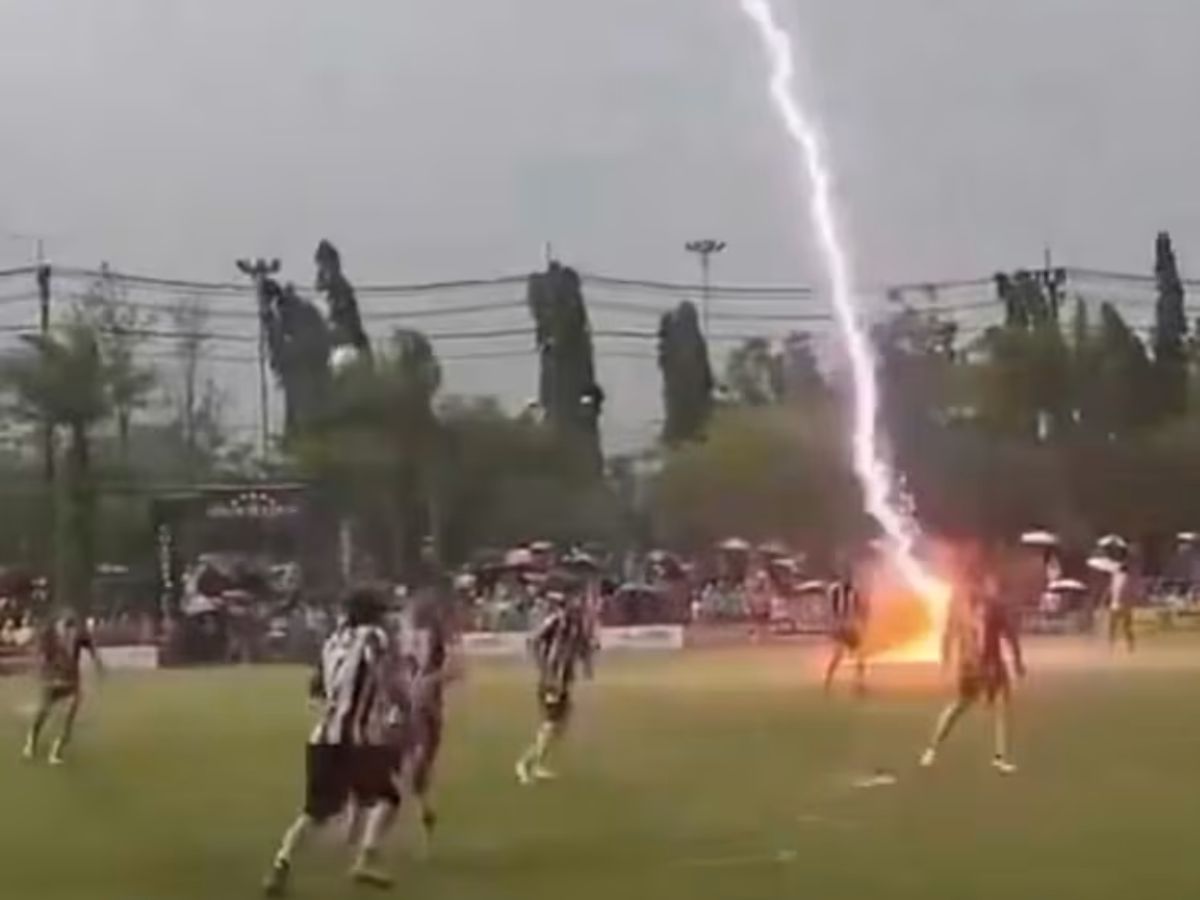)
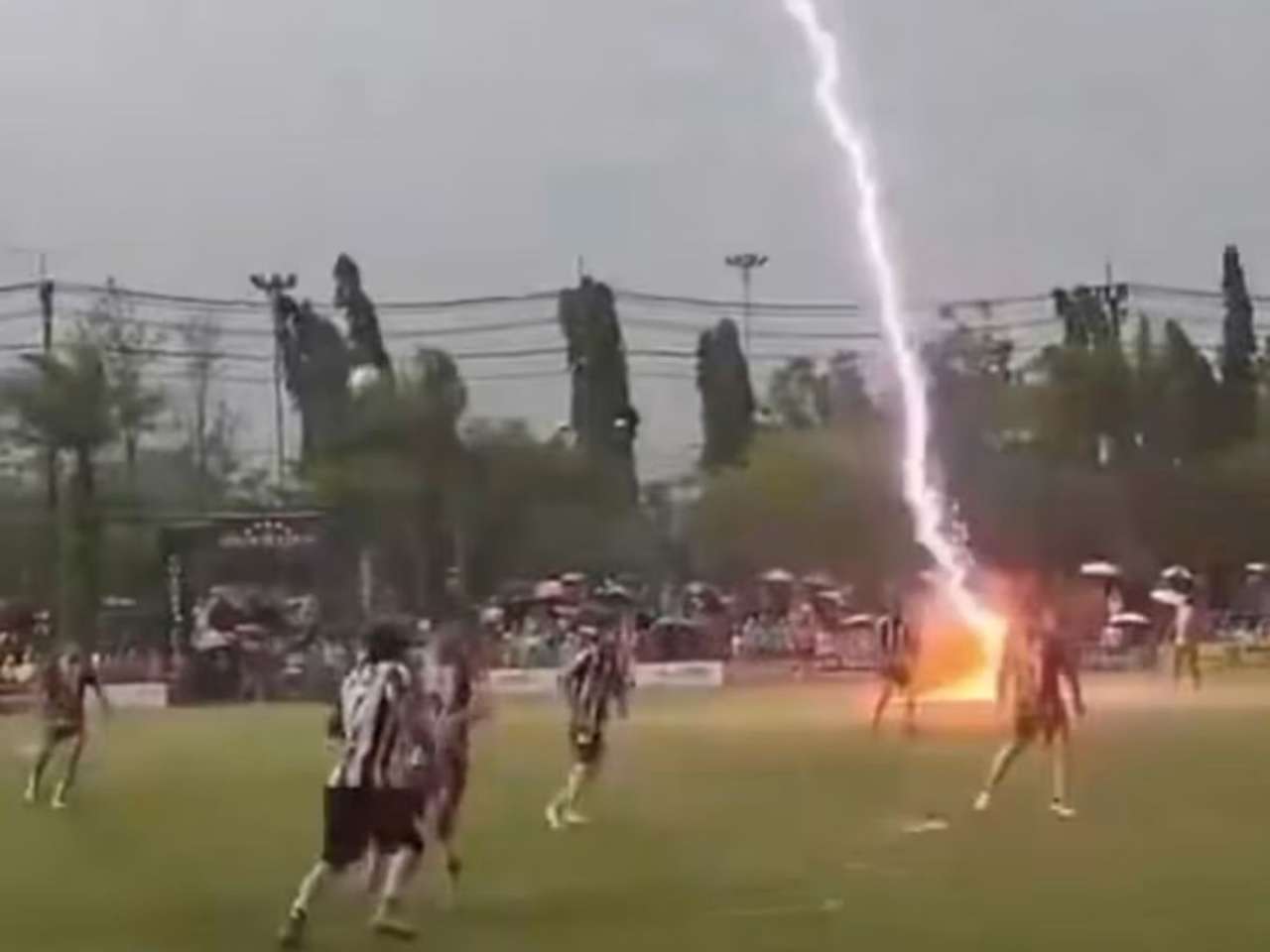
Eyewitnesses described a growing tension in the atmosphere, a common characteristic of tropical thunderstorms. Suddenly, without warning, the sky was rent by a blinding flash of light and an immediate, deafening crack of thunder. The lightning bolt, immense in its power, struck the open football pitch directly.
The horrifying moment was captured on camera, footage that has since circulated widely online, serving as a stark reminder of nature’s raw power. In the now-viral video, players can be seen moving across the rain-slicked field when the immense electrical discharge blasts the ground. The immediate aftermath was chaos. Sofwan Awae, a promising winger for SAMCOLTS, collapsed instantly, motionless on the turf.

The sheer force of the strike sent shockwaves through the field, affecting not just Awae but also twelve other players who were in close proximity. Many were knocked off their feet, experiencing varying degrees of shock, burns, and other injuries. A wave of panic swept through the spectators and players alike as the magnitude of the incident became clear.
Teammates and rival players, despite the shock and fear, rushed to Awae’s side. The scene was one of desperate urgency as individuals tried to render aid. Paramedics, who were reportedly on standby or quickly arrived at the scene, immediately began administering emergency care to Awae and the other injured players. Every effort was made to revive the young footballer, but the injuries he sustained were too severe. Despite the valiant efforts of the medical team, Sofwan Awae did not survive. He was pronounced dead shortly after the incident, succumbing to the devastating impact of the lightning strike.
)
The twelve other injured players, though fortunate to have survived, required medical attention for burns, trauma, and neurological effects. Their recovery, both physical and psychological, is expected to be a prolonged process, scarred by the memory of the tragic event. The match was, of course, immediately abandoned, the joyous atmosphere replaced by one of profound grief and shock.
A Persistent Peril: Supporting Data on Lightning Strikes in Thailand and Beyond
The tragic death of Sofwan Awae is a stark and painful reminder of the very real dangers posed by lightning, particularly in regions prone to severe thunderstorms. Thailand, with its tropical climate, experiences frequent and often intense electrical storms, making lightning strikes a recurring hazard.
)
Thailand’s Vulnerability to Lightning:
According to data cited by The Independent, sourced from Thailand’s Department of Disease Control, the nation recorded at least 283 lightning strikes between 2020 and 2024. A significant number of these incidents proved fatal, with many victims dying at the scene. This statistic underscores the pervasive and deadly threat that lightning poses to the Thai population, especially those working or participating in outdoor activities. Open spaces, like football pitches, agricultural fields, and rural areas, are particularly susceptible, as they offer little in the way of natural or artificial protection against direct strikes. The flat, expansive nature of a football field, often without tall structures nearby to divert strikes, makes it an exceptionally dangerous location during an electrical storm.
Global Context and Sports:
While Awae’s case is tragically specific, lightning strikes in sports are not an isolated phenomenon globally. Numerous incidents have been reported across various sports and continents:
)
- Football (Soccer): Similar incidents, though thankfully often non-fatal, have occurred in amateur leagues worldwide, where sophisticated weather monitoring and robust safety protocols might be lacking. Professional matches also face risks, leading to strict guidelines for suspension.
- Golf: Golf courses, being vast open areas with isolated trees, are notorious for lightning danger. There have been numerous fatalities and injuries among golfers caught on the course during storms.
- Cricket: Matches played on large, open grounds are also susceptible, with play often suspended at the first sign of thunder.
- Athletics and Outdoor Events: Track and field events, marathons, and other outdoor gatherings are frequently interrupted or cancelled due to lightning threats.
These incidents highlight a universal challenge: balancing the desire to continue sporting events with the imperative to ensure participant safety.
The Science of Lightning and Safety:
Lightning is a massive electrostatic discharge that occurs during thunderstorms. It can travel at speeds of up to 220,000 miles per hour and carry currents exceeding 100 million volts. When a person is struck, the electrical current can cause:
)
- Cardiac Arrest: The most common cause of immediate death, as the electrical current can disrupt the heart’s natural rhythm.
- Respiratory Arrest: Paralysis of the respiratory system.
- Severe Burns: Electrical current can cause deep and extensive burns.
- Neurological Damage: Long-term effects can include memory loss, seizures, and nerve damage.
- Other Injuries: Blast injuries, trauma from being thrown, and internal organ damage.
There are several ways a person can be struck by lightning, not just a direct hit:
- Direct Strike: The person becomes part of the main lightning channel.
- Side Flash: Lightning jumps from a taller object to a nearby person.
- Ground Current: The lightning strikes the ground and spreads outwards, electrifying the ground. This is often responsible for multiple injuries over a wider area, as the current can travel through the wet ground and into players’ bodies. Given the twelve other injured players, a significant ground current strike is highly probable in Awae’s case.
- Conduction: Lightning travels through wires or metal surfaces.
- Streamers: The upward channels that meet the downward lightning stroke.
For open fields like a football pitch, the ground current is a significant threat, as the electricity can travel through the wet soil and affect anyone with feet on the ground, even if they are not directly hit. This explains why multiple players were injured simultaneously.
)
Disparity in Safety Protocols:
While professional sports leagues like FIFA, UEFA, and major American leagues (NFL, MLB, NBA) have stringent weather protocols, including sophisticated lightning detection systems and clear guidelines for suspending play, these resources are often unavailable or underutilized at the amateur and local levels. Many local tournaments, especially in developing regions, operate with limited budgets, relying on basic weather observations rather than advanced technology. This disparity creates a critical safety gap, leaving amateur athletes more vulnerable.
Voices of Grief, Responsibility, and Change: Official Responses and Public Outcry
The tragic incident immediately triggered a wave of responses, from official condolences to a widespread public outcry for accountability and improved safety measures.
)
Official Statements:
Police Chief Thun Sirikhunt, who addressed reporters following the incident, acknowledged the emergency team’s efforts to save Sofwan Awae. He confirmed that all possible medical interventions were attempted, but the severity of Awae’s injuries proved insurmountable. His statement underscored the immediacy and devastating impact of the strike, leaving little chance for survival. An investigation into the circumstances surrounding the continuation of the match despite the deteriorating weather is likely to follow, aiming to ascertain if negligence played a role.
The Football Association of Thailand (FAT) swiftly released a statement on Tuesday, expressing its profound sorrow. "The association mourns this loss and offers its condolences to the family, all those affected, and the football club during this time of sorrow," the statement read. While a necessary gesture of sympathy, the statement also implicitly highlighted the FAT’s broader responsibility to ensure the safety of all footballers under its purview, whether professional or amateur. This tragedy will undoubtedly put pressure on the FAT to review and potentially revise its safety guidelines for all levels of play, particularly concerning severe weather.
)
Representatives from SAMCOLTS, Awae’s team, and Abu x Nong Sirin, the opposing team, have expressed their deep shock and grief. The incident has left an indelible mark on both teams, whose players witnessed the horrifying event firsthand. The trauma experienced by the surviving players, especially those who were injured, will require significant support and time to heal.
Public Reaction and Calls for Accountability:
As clips of the incident spread rapidly across social media platforms like X (formerly Twitter), messages of condolence poured in from around the globe. However, alongside the grief, a powerful current of anger and frustration emerged, primarily directed at the decision to allow the match to continue despite the clearly dangerous weather conditions.
)
One widely shared comment on social media encapsulated the sentiment: "That’s devastating. Stopping a match in storm conditions should be standard practice." This highlighted a perceived lapse in judgment by the match officials or tournament organizers. The public’s immediate reaction questioned the protocols in place, or lack thereof, for such circumstances.
Another comment articulated the profound emotional impact: "This is disastrous and so sad to see. Imagine watching your child play football and this happened. God rest his soul." This raw expression of heartbreak resonated with many, particularly parents of young athletes, underscoring the universal fear of such an unthinkable tragedy.
)
Perhaps the most direct call for action came from a user who posted, "The league is responsible—they need to take more precautions. RIP to the player who got hit." This comment placed the onus squarely on the tournament organizers, the Golok FA Cup, and by extension, the governing football bodies, to implement and enforce stricter safety measures. The sentiment was clear: this was not merely an act of nature, but a preventable tragedy that exposed systemic failures in player protection.
The social media discourse served as an impromptu public inquiry, with citizens demanding answers and proactive steps to prevent future occurrences. The viral nature of the video ensured that the debate extended far beyond local borders, bringing international attention to the critical issue of amateur sports safety.
)
Implications and the Path Forward: Ensuring Safer Pitches
The death of Sofwan Awae is more than just a tragic accident; it is a critical inflection point that demands comprehensive introspection and immediate action from all stakeholders in the world of sports. The implications of this event ripple through various aspects of sports governance, player welfare, and community responsibility.
Reigniting the Player Safety Debate:
The incident has unequivocally reignited discussions over player safety during severe weather. While professional leagues often have sophisticated protocols, amateur and grassroots football frequently lack the resources, training, or stringent enforcement mechanisms necessary to adequately protect players. This tragedy shines a harsh light on this disparity and the urgent need to bridge the gap. The question is no longer if safety protocols are needed, but how they can be universally implemented and enforced, particularly in tournaments with limited budgets and voluntary staff.
)
Defining Responsibility and Accountability:
A central implication revolves around the question of responsibility. Who ultimately makes the call to suspend or cancel a match due to dangerous weather?
- Referees: Often empowered to make on-field decisions, but might lack specialized weather training or real-time data.
- Match Organizers/League Officials: Responsible for setting tournament rules and ensuring safe playing conditions. They should have clear guidelines and training.
- Coaches and Team Managers: Have a duty of care to their players and should be empowered to refuse to play if conditions are unsafe.
- Players Themselves: While they are eager to play, they should be educated on weather risks and their right to prioritize safety.
This incident calls for clearer delineation of roles and responsibilities, accompanied by mandatory training on severe weather assessment and decision-making for all involved parties.
)
Mandatory Safety Protocols and Guidelines:
There is an urgent need for standardized, mandatory safety protocols specifically tailored for amateur sports leagues in regions prone to lightning. These protocols should include:
- Clear "Stop Play" Triggers: Defining specific criteria for suspending or abandoning a match (e.g., first sight of lightning, sound of thunder within a certain radius, official weather warnings). The "flash-to-bang" method (counting seconds between lightning flash and thunder sound to estimate distance) should be widely taught.
- Designated Safe Shelters: Identifying and communicating designated lightning-safe shelters (fully enclosed buildings, not open-sided structures or isolated trees) at every venue.
- Weather Monitoring: Encouraging the use of readily available weather apps or, where possible, investing in affordable lightning detection systems.
- Emergency Action Plans: Comprehensive plans detailing what to do in case of a strike, including immediate first aid, evacuation procedures, and communication protocols.
- Education and Awareness: Regular training for players, coaches, referees, and organizers on lightning safety and the dangers of playing in thunderstorms.
Accessibility of Technology:
Modern weather forecasting and lightning detection systems have become increasingly sophisticated and accessible. While high-end systems might be beyond the reach of amateur leagues, many affordable applications and devices can provide real-time lightning alerts. The challenge lies in ensuring these technologies are adopted and utilized consistently across all levels of the sport.
)
Support for Victims and Families:
The tragedy also brings to light the question of insurance and support mechanisms for amateur athletes. Unlike professional players who often have comprehensive insurance policies, amateur players and their families might face significant financial burdens due to medical costs, funeral expenses, and loss of income. Governing bodies and tournament organizers should explore options for mandatory insurance coverage for all registered players, ensuring that families are not left financially devastated in the event of such a tragedy.
A Legacy of Change:
Sofwan Awae’s untimely death must not be in vain. His memory should serve as a powerful catalyst for systemic change, pushing football associations, local governments, and sports organizations to prioritize safety above all else. This includes investing in better infrastructure, disseminating crucial information, and enforcing rigorous safety standards.
)
The ripple effect of this tragedy extends beyond the football pitch, impacting the local community, fellow players, and fans who witnessed or learned of the incident. It is a stark reminder of the unpredictable forces of nature and the human responsibility to mitigate risks wherever possible. By learning from this devastating event, the football world can collectively work towards creating safer environments for all athletes, ensuring that the beautiful game does not come at such a terrible cost again. The hope is that through robust protocols, enhanced awareness, and a collective commitment to safety, future tragedies like that which befell Sofwan Awae can be prevented, allowing athletes to pursue their passion without fear of such a devastating outcome.
