

TVS Motor Company, one of India’s leading two-wheeler manufacturers, has signaled a definitive shift in the domestic market landscape with its stellar performance in May 2026. The company reported a substantial surge in domestic sales, driven by a balanced portfolio of reliable commuters, high-performance motorcycles, and a rapidly expanding electric vehicle (EV) footprint. As the Indian automotive sector navigates a period of technological transition and shifting consumer preferences, TVS has emerged as a frontrunner, capitalizing on both legacy strengths and new-age innovation.
Executive Summary: Main Sales Facts and Figures
In May 2026, TVS Motor Company’s domestic two-wheeler sales reached a total of 3,84,565 units. This figure represents a robust 24.34% year-on-year (YoY) growth compared to the 3,09,287 units sold in May 2025. This translates to an absolute volume increase of 75,278 units, underscoring the brand’s increasing resonance with Indian buyers.
The momentum was not merely annual; the company also demonstrated strong short-term gains. Compared to April 2026, where sales stood at 3,48,545 units, TVS recorded a 10.33% month-on-month (MoM) improvement. These figures suggest a steady climb in market demand as the company moves further into the 2026-27 fiscal year.
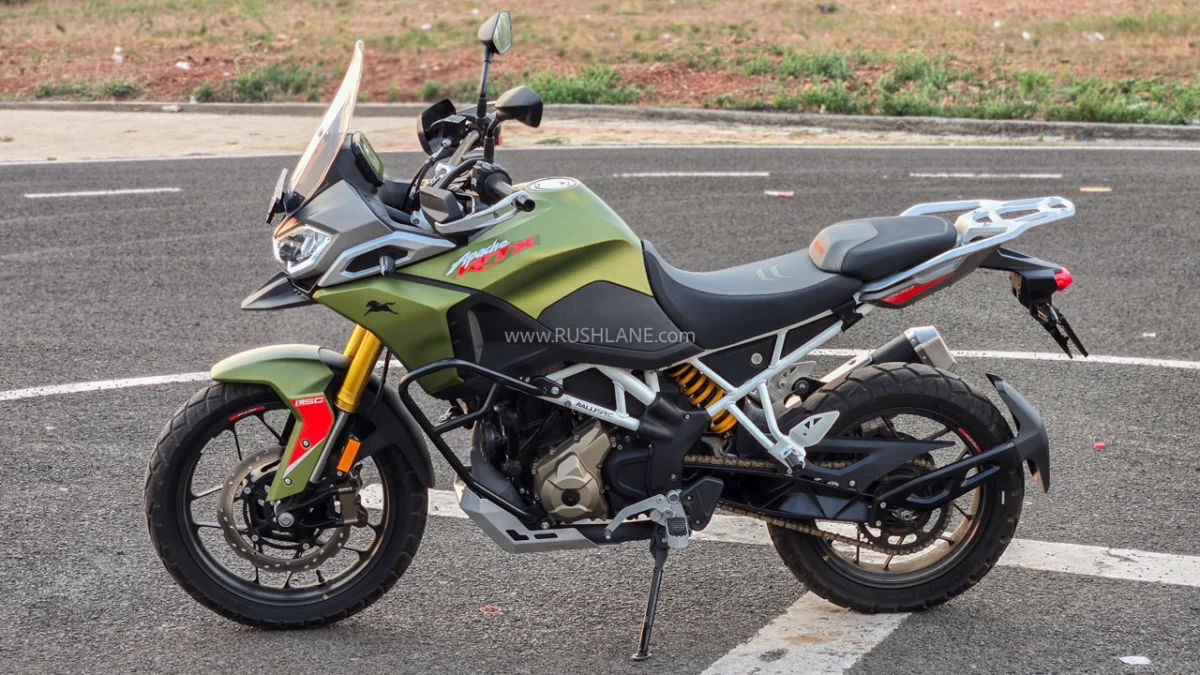
Key highlights of the month include the continued dominance of the TVS Jupiter in the scooter segment, the explosive growth of the newly introduced Apache RTX 300 in the premium category, and the sustained high-double-digit growth of the iQube electric scooter.
Chronology of Performance: Tracking the May 2026 Surge
The sales trajectory for May 2026 followed a period of strategic product refreshes and aggressive marketing campaigns initiated in the first quarter of the year.
- Early May Momentum: The month began with strong rural and semi-urban demand, largely channeled through the TVS XL and the Radeon. This "bottom-up" demand provided a stable foundation for the company’s monthly numbers.
- Mid-Month Premium Push: By the second week of May, the impact of the Apache RTX 300 launch became evident. Dispatch numbers to dealerships surged to meet the high booking rates for the new 300cc platform.
- End-of-Month EV Rally: The final ten days of May saw a significant uptick in iQube dispatches. This was attributed to increased production capacity at TVS’s dedicated EV manufacturing lines and a push to fulfill pending orders from the previous month.
By the close of May 31, 2026, TVS had successfully cleared its inventory targets, posting one of its strongest May performances in the company’s history.
Supporting Data: A Segment-Wise Breakdown
To understand the mechanics of TVS’s success, one must look at the individual performance of its diverse product stable.
The Scooter Segment: Jupiter and Ntorq Lead the Way
The TVS Jupiter remains the undisputed crown jewel of the portfolio. With 1,24,767 units sold in May 2026, it accounted for 32.44% of the company’s total domestic sales. Its 27.83% YoY growth indicates that even as a mature product, the Jupiter continues to attract first-time buyers and those upgrading from 110cc commuters.
Meanwhile, the Ntorq, positioned as the "sporty" alternative, saw sales of 34,127 units, marking a 35.40% YoY growth. This highlights a growing trend among younger urban consumers who prioritize performance and connectivity features in scooters.

The Motorcycle Portfolio: From Commuters to Premium Performance
The Apache series (encompassing the 160cc, 180cc, and 200cc variants) maintained its status as the best-selling motorcycle lineup for the brand, with 53,900 units sold.
However, the headline-maker was the Apache RTX 300 / 310 series. Following the introduction of the RTX 300, sales in this premium bracket skyrocketed from a meager 208 units in May 2025 to 1,979 units in May 2026—a staggering 851.44% growth. While this percentage is amplified by a low base, the absolute volume represents a significant win for TVS in the entry-level premium segment.
The TVS Ronin, a "modern-retro" motorcycle, also saw its fortunes double. Sales rose to 9,481 units, a 98.76% YoY increase, suggesting that the brand’s efforts to create a new "lifestyle" segment are finally bearing fruit.
The EV Frontier: iQube’s Exponential Growth
The TVS iQube recorded domestic sales of 42,192 units, up from 27,642 units in the previous year. With a 52.64% YoY growth, the iQube now represents nearly 11% of TVS’s total domestic sales. This transition from a niche product to a mainstream volume driver is a testament to TVS’s successful EV strategy and the growing acceptance of electric mobility in India.
| Model | May 2026 Sales | May 2025 Sales | YoY Growth (%) |
|---|---|---|---|
| TVS Jupiter | 1,24,767 | 97,606 | 27.83% |
| Apache Series | 53,900 | 49,099 | 9.78% |
| TVS XL | 48,569 | 37,262 | 30.34% |
| TVS iQube | 42,192 | 27,642 | 52.64% |
| TVS Raider | 34,852 | 35,401 | -1.55% |
| TVS Ntorq | 34,127 | 25,205 | 35.40% |
| TVS Radeon | 13,700 | 10,315 | 32.82% |
| TVS Ronin | 9,481 | 4,770 | 98.76% |
| TVS Zest | 9,364 | 8,069 | 16.05% |
| Apache 310/RTX | 1,979 | 208 | 851.44% |
Official Responses and Strategic Vision
While official statements from the TVS board emphasized "cautious optimism," the underlying strategy for May 2026 was clear: Diversification and Premiumization.
Internal reports suggest that the company’s focus on the "RTX" sub-brand is part of a broader mission to challenge established players in the 300cc-500cc segment. By leveraging their partnership with BMW Motorrad and refining the 310cc platform into the RTX 300, TVS has managed to offer a product that appeals to both track enthusiasts and street riders.
Furthermore, a TVS spokesperson noted that the "unprecedented growth in the electric segment is a result of expanded charging infrastructure and a robust supply chain for lithium-ion cells." The company has reportedly invested heavily in localizing components for the iQube, which has allowed them to maintain competitive pricing despite the gradual tapering of government subsidies (such as FAME).
Regarding the discontinuation of the Star City, which saw zero dispatches in May 2026, the company indicated a strategic shift toward the Raider and Radeon. The Raider, despite a marginal 1.55% YoY dip, remains the company’s primary weapon in the premium commuter space, while the Radeon caters to the functional, rugged needs of the rural economy.
Implications for the Indian Two-Wheeler Market
The May 2026 sales data from TVS Motor Company carries several profound implications for the industry at large.

1. The "Premiumization" Trend is Accelerating
The nearly 100% growth of the Ronin and the massive surge of the RTX 300 indicate that Indian consumers are willing to spend more on "lifestyle" motorcycles. This shift away from pure utility to "aspiration" is a lucrative trend for manufacturers, as premium models generally offer higher profit margins.
2. EV Integration is No Longer Optional
With the iQube accounting for 11% of total sales, TVS has proven that a traditional ICE (Internal Combustion Engine) manufacturer can successfully pivot to electric without cannibalizing its entire brand value. This puts pressure on competitors like Hero MotoCorp and Bajaj Auto to accelerate their own EV roadmaps.
3. Rural Resilience
The 30.34% growth of the TVS XL (the company’s heavy-duty moped) is a strong indicator of a healthy rural economy. The XL remains a lifeline for small businesses and farmers, and its growth suggests that purchasing power in non-urban areas is recovering strongly.
4. Competitive Dynamics
TVS’s 24% YoY growth is likely to result in a market share gain, particularly in the scooter and premium motorcycle segments. By maintaining a diverse portfolio—ranging from the entry-level XL to the high-end RTX 300—TVS is effectively insulating itself against volatility in any single market segment.
Future Outlook: Heading into the Monsoon Season
As TVS looks toward the remainder of the year, the primary challenge will be maintaining this momentum during the monsoon months, which traditionally see a slight cooling in two-wheeler sales. However, with a refreshed product lineup and a strong "halo effect" from the Apache RTX 300, the company is well-positioned to navigate seasonal fluctuations.
The disappearance of the Star City suggests a further consolidation of the portfolio, focusing on high-performing brands rather than over-extending into overlapping segments. Industry analysts expect TVS to continue its aggressive EV expansion, with rumors of a more affordable "iQube Lite" or a high-performance electric motorcycle possibly on the horizon for late 2026.
In conclusion, May 2026 stands as a landmark month for TVS Motor Company. By blending the reliability of the Jupiter with the performance of the Apache and the future-readiness of the iQube, TVS has crafted a blueprint for success in the modern Indian automotive era. The 3.84 lakh units sold this month are not just a number; they represent a brand that is successfully evolving with its customers.
