

Chennai, India – May 10, 2026 – The Indian Premier League (IPL), a spectacle renowned for its pulsating cricketing action and electrifying atmosphere, often finds itself under an intense microscope, not just for the athletic prowess displayed on the field, but also for the meticulous adherence to its stringent integrity protocols. A recent incident during an IPL 2026 clash between the Lucknow Super Giants (LSG) and the Chennai Super Kings (CSK) at the iconic MA Chidambaram Stadium brought these protocols sharply into focus, triggering a brief but fervent online debate that underscored the league’s unwavering commitment to fair play.
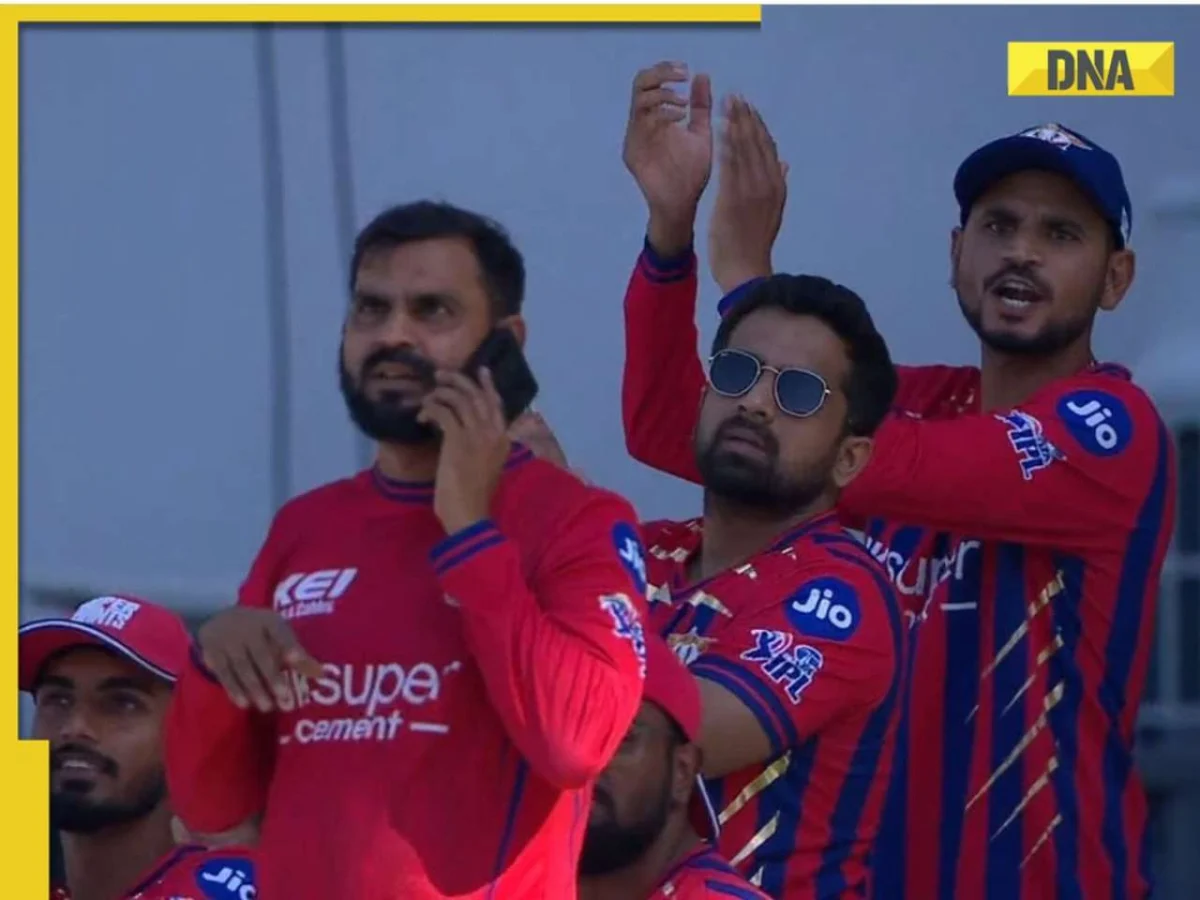
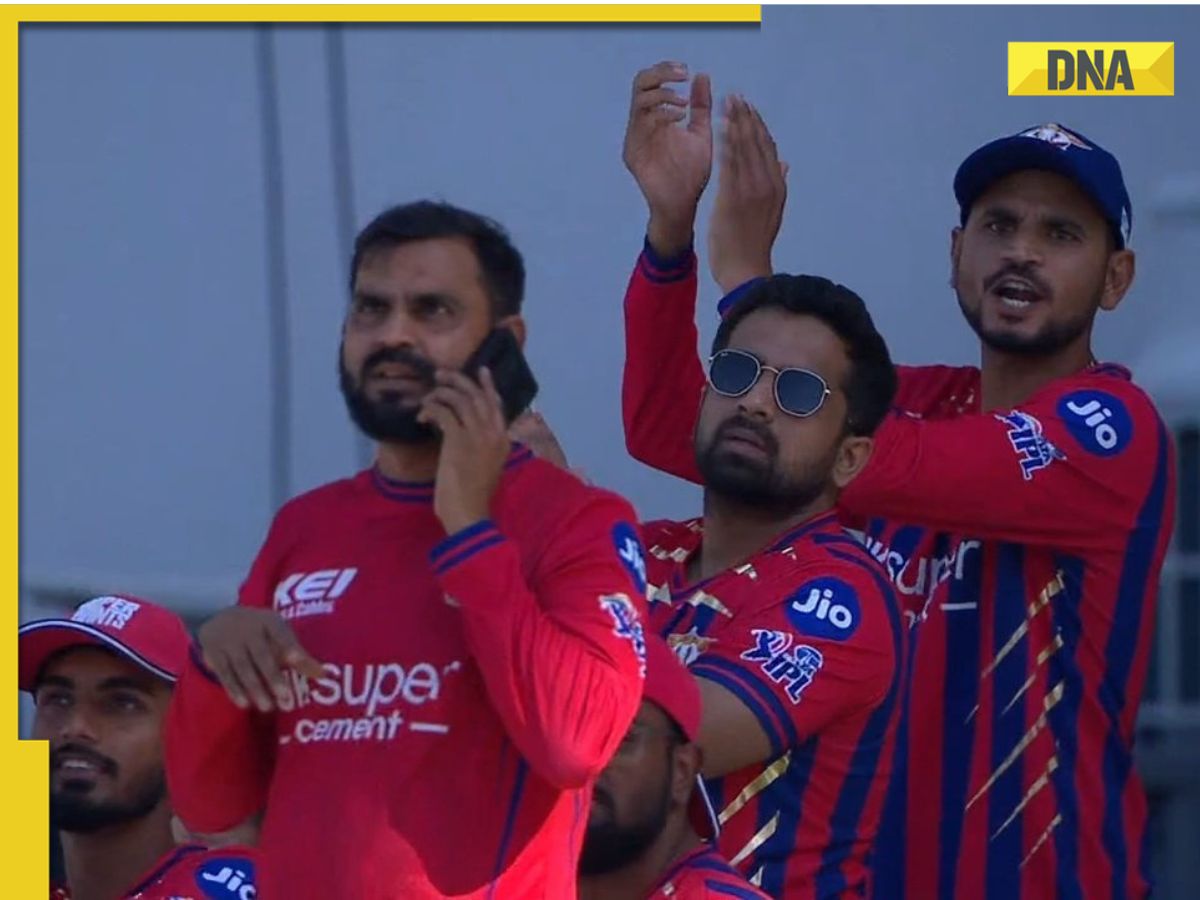
A viral clip, broadcast during the live match, showed an individual in close proximity to the Lucknow Super Giants’ dugout apparently using a mobile phone. In an instant, the digital landscape erupted with speculation, with many fans and commentators questioning a potential breach of the Board of Control for Cricket in India (BCCI)’s anti-corruption guidelines. However, what initially appeared to be a significant controversy soon dissipated as subsequent reports and investigations clarified that the individual in question was not, in fact, an official within the designated Player and Match Officials Area (PMOA), thereby not violating any established protocols. This resolution, while defusing the immediate crisis, served as a potent reminder of the vigilance required to uphold the sanctity of the sport and the swift, sometimes misinformed, judgment that can arise in the age of instantaneous information sharing.
Main Facts: A Storm in a Teacup
The incident unfolded on a Sunday evening, amidst the high-octane drama of an IPL 2026 encounter. The Lucknow Super Giants were locking horns with the Chennai Super Kings, a fixture always guaranteed to draw immense viewership and passion. It was during the very first over of the match, moments after Josh Inglis had struck a boundary off Akeal Hossein’s fifth delivery, that the broadcast cameras inadvertently captured a scene that would momentarily overshadow the on-field action.
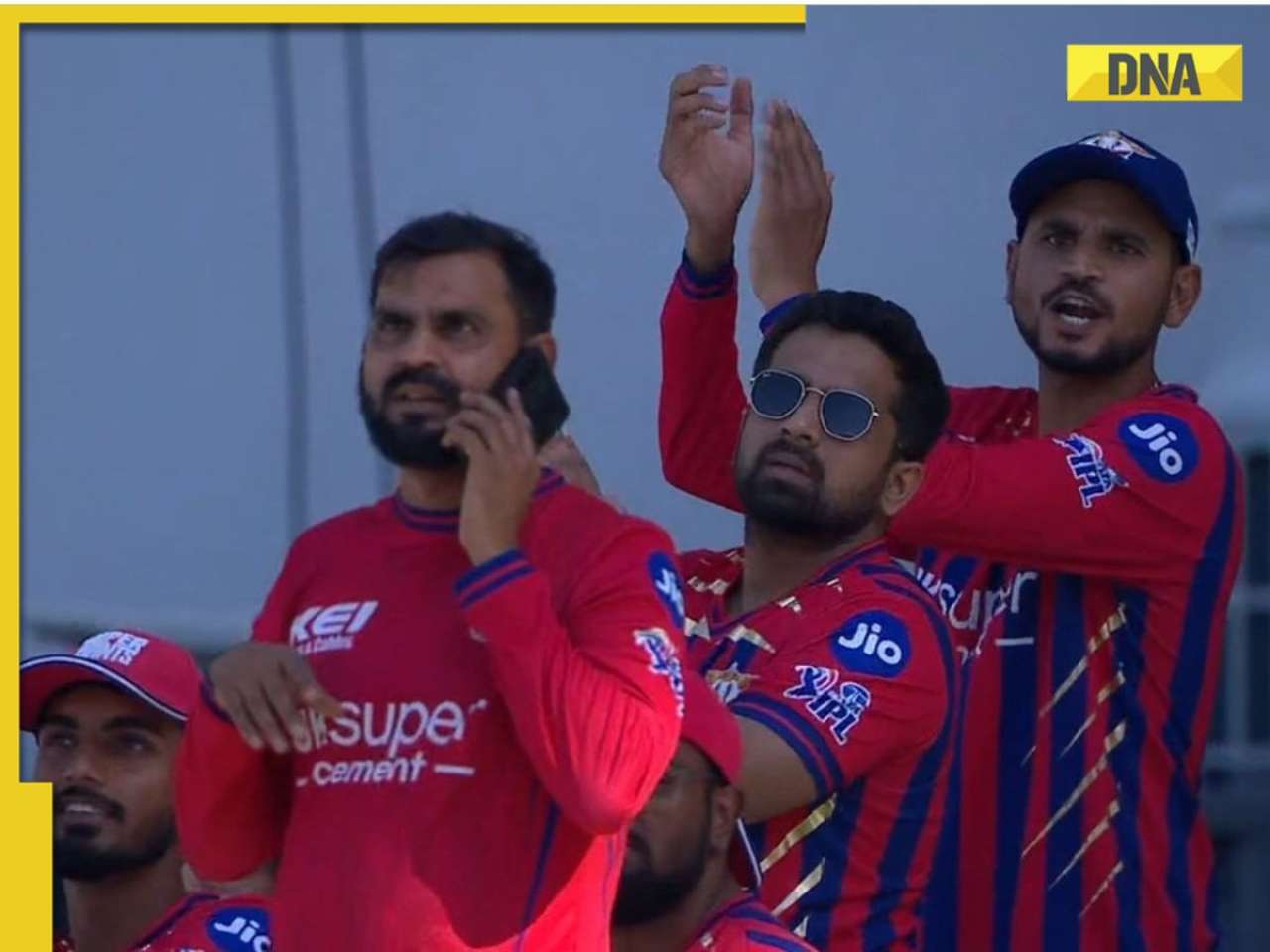
The quick pan of the camera caught a glimpse of an individual in what appeared to be the LSG dugout area, engaged with a mobile phone. In the high-stakes environment of the IPL, where anti-corruption measures are paramount, the use of electronic devices in restricted areas is a serious transgression. The visual quickly went viral, amplified by screenshots and short video clips shared across social media platforms like X (formerly Twitter) and Instagram. Fans, acutely aware of the IPL’s strict rules regarding electronic communication in designated zones, immediately began speculating about a potential breach of the Player and Match Officials Area (PMOA) protocol.
The PMOA protocol, a cornerstone of the BCCI’s anti-corruption framework, explicitly prohibits the use of mobile phones and other electronic communication devices in areas such as dressing rooms, match-viewing spaces, umpire rooms, the referee’s room, dining spaces, and crucially, the dugouts. The only exception is typically for the official team analyst, who is permitted to use specific electronic equipment solely at a designated analyst table for legitimate tactical purposes. Given this backdrop, the sight of someone, seemingly an LSG official, handling a phone in the dugout naturally triggered alarm bells.
However, the initial storm of controversy began to subside as factual clarifications emerged. Reports from reliable sources indicated that while the individual was indeed captured by cameras, they were not officially part of the LSG dugout or within the strictly defined PMOA. This crucial distinction meant that no BCCI protocol or anti-corruption guideline had been violated. While the exact location of the individual remained somewhat unclear to the broader public, the core issue of a team official breaching communication protocols was effectively debunked. The incident, therefore, resolved into a significant scare rather than an actual transgression, highlighting the razor-thin margin between perception and reality in high-profile sporting events.
)
Chronology: From Glitch to Clarification
The sequence of events surrounding the viral clip demonstrates the rapid cycle of information dissemination and verification in modern sports journalism and fan engagement.
The Match Opening and the Unintended Capture
The IPL 2026 fixture between Lucknow Super Giants and Chennai Super Kings commenced with the usual fanfare. As the first over progressed, and CSK’s Josh Inglis connected for a boundary, the live broadcast camera, in its routine coverage of the match environment, momentarily panned towards the LSG dugout area. It was during this brief, almost incidental, shot that the individual with the mobile phone was captured. The visual was fleeting, perhaps only a second or two, but enough to register in the minds of observant viewers.
Social Media Ignites: The Speculation Phase
Almost immediately after the clip aired, eagle-eyed viewers and dedicated cricket fans took to social media. Screenshots were rapidly captured and shared, often accompanied by strong opinions and pointed questions. Hashtags related to the incident began trending, with users expressing concern over potential rule violations. The discussion quickly escalated from mere observation to active speculation about penalties, the integrity of the game, and the potential implications for the Lucknow Super Giants. The sheer speed at which this initial narrative gained traction underscored the power of social media as both a watchdog and a potential amplifier of misinformation. Comments ranged from outright accusations of cheating to calls for official investigations by the BCCI’s Anti-Corruption Unit (ACU).

The Scramble for Facts: Media and Internal Inquiry
As the online debate intensified, traditional media outlets and sports journalists began their own investigations. The primary question was whether the individual seen with the phone was indeed a part of the LSG support staff or an official within the restricted PMOA. This required cross-referencing broadcast footage with official team rosters and understanding the precise demarcation of the PMOA at the MA Chidambaram Stadium. Simultaneously, it is plausible that internal inquiries, either informal or formal, would have been initiated by the BCCI or the franchises themselves to ascertain the facts.
The Crucial Clarification
Within hours, reports began to surface that provided the much-needed clarity. It was confirmed that the person captured on camera was not an official member of the LSG dugout contingent and was positioned outside the designated Player and Match Officials Area. This critical detail effectively debunked the narrative of a protocol breach. While the exact identity and role of the individual, as well as their precise seating location, were not universally confirmed, the fundamental assertion that a BCCI protocol had been violated by an official was retracted. The online fervor gradually subsided as the facts came to light, transitioning from outrage to understanding that it was a case of mistaken identity or misinterpretation of location.
This chronological unfolding highlights the dynamic interplay between live broadcasting, instant social media reactions, and the subsequent, often slower, process of factual verification, all within the demanding environment of professional sports.
)
Supporting Data and Context: Upholding Integrity
The brief controversy surrounding the LSG dugout incident, despite its swift resolution, serves as a powerful reminder of the meticulous anti-corruption framework that underpins the Indian Premier League. These rules are not arbitrary; they are the result of years of experience, learning from past transgressions, and a proactive commitment to safeguarding the sport’s credibility.
The Sanctity of the Player and Match Officials Area (PMOA)
At the heart of the IPL’s integrity measures lies the Player and Match Officials Area (PMOA) protocol. This comprehensive guideline, established by the BCCI, clearly delineates zones within and around the stadium where access and electronic device usage are strictly controlled. The PMOA encompasses a wide array of spaces crucial to the conduct of a match, including:
- Dressing Rooms: Where players prepare and strategize.
- Match-Viewing Spaces: Specific areas designated for team management and support staff.
- Umpire Rooms: The private domain of match officials.
- Referee’s Room: For the match referee’s operations.
- Dining Spaces: Where players and officials eat.
- Dugouts: The immediate areas where players and coaching staff sit during the match.
Within these defined zones, the use of mobile phones, smartwatches, laptops (unless specifically authorized for analysts), and other electronic communication devices is unequivocally prohibited. The rationale is multi-faceted:
)
- Preventing Unauthorized Communication: The primary concern is to eliminate any possibility of individuals communicating with external parties during a live match. Such communication could potentially be used for illegal betting, spot-fixing, or sharing sensitive match-related information that could unfairly influence betting markets.
- Maintaining Competitive Integrity: By restricting communication, the protocol ensures that tactical decisions and on-field strategies are made based solely on the live match situation and pre-game planning, free from external influence.
- Protecting Player and Official Privacy: While secondary to anti-corruption, these rules also help maintain a professional and focused environment, free from distractions.
- Upholding the Spirit of the Game: The rules reinforce the idea that cricket is a game of skill and fair competition, untainted by external manipulation.
The only significant exception to this blanket ban is for the official team analyst. These individuals are permitted to use specific electronic equipment, such as laptops, but only at a designated analyst table. Their role is to provide real-time statistical and tactical insights to the coaching staff, a legitimate and authorized use of technology for performance enhancement. Any other unauthorized use of electronic devices by team officials, players, or support staff within the PMOA constitutes a serious breach.
The Shadow of Match-Fixing and Betting: Why Strict Rules Exist
Cricket, unfortunately, has a history marred by match-fixing and betting scandals that have severely damaged its reputation. High-profile cases, such as the Hansie Cronje scandal in 2000 or the 2010 Pakistan spot-fixing scandal, serve as stark reminders of how vulnerable the sport can be to external corrupt influences. These incidents led to the establishment of robust anti-corruption units (ACUs) by governing bodies like the International Cricket Council (ICC) and national boards like the BCCI.
The BCCI’s Anti-Corruption Unit (ACU) plays a crucial, proactive role in safeguarding the IPL. Its mandate includes:
)
- Education: Regularly briefing players, officials, and support staff on the anti-corruption code and the consequences of breaches.
- Monitoring: Vigilantly observing matches, dugouts, and player interactions for any suspicious activity.
- Investigation: Promptly investigating any reported or suspected breaches.
- Enforcement: Recommending sanctions for those found guilty of violating the code.
The PMOA protocol is a direct outcome of this historical context and the ACU’s ongoing efforts. Even a perceived breach, as seen in the LSG incident, can generate significant concern because it touches upon the fundamental fear of external manipulation. The rules are designed to create an impenetrable bubble around the playing arena, ensuring that decisions are made on merit and skill, not through illicit means.
Previous Precedents: The Romi Bhinder Case
The IPL 2026 season itself had witnessed a genuine breach of the PMOA protocol, providing a clear precedent for the seriousness with which the BCCI treats such matters. Earlier in the tournament, during a match between Rajasthan Royals and Royal Challengers Bengaluru in Guwahati, Rajasthan Royals team manager Romi Bhinder was photographed using his mobile phone within a restricted area.
The images of Bhinder with his phone quickly circulated online, leading to an immediate inquiry by the BCCI’s Anti-Corruption Unit. Unlike the LSG incident, where the individual was found to be outside the PMOA, Bhinder was confirmed to be within a prohibited zone. Consequently, he was slapped with a hefty fine of INR 1 lakh (approximately USD 1,200).
)
Bhinder, a long-serving member of the Royals organization since 2008, admitted his mistake, categorizing it as unintentional, and promptly issued an apology. He also provided a personal explanation to the BCCI, revealing that he suffers from Type 2 lung failure, implying a potential medical necessity to remain accessible for communication. While the BCCI reportedly took his medical condition into account and accepted his explanation for the reason behind his phone usage, the fact remained that a protocol had been breached. The fine was imposed as a clear message that while intent might be considered, the rules governing electronic device usage in restricted areas are non-negotiable for the integrity of the game.
The contrast between the Romi Bhinder case and the LSG incident is crucial. Bhinder’s situation represented an actual, confirmed violation, leading to an official sanction. The LSG incident, on the other hand, was a false alarm, where initial appearances were misleading. Both, however, underscore the constant vigilance required and the immediate scrutiny such events attract.
Technology’s Dual Edge in Modern Cricket
Modern cricket is increasingly intertwined with technology. From advanced analytics for player performance and strategy to sophisticated broadcasting techniques, technology enhances almost every aspect of the game. However, this advancement also presents a dual edge. While official analysts leverage technology for legitimate purposes, the ubiquity of personal electronic devices like smartphones also creates new avenues for potential breaches.
)
The challenge for governing bodies like the BCCI is to strike a delicate balance: embracing technology that genuinely improves the sport (e.g., DRS, Hawk-Eye, performance analytics) while rigorously enforcing rules that prevent its misuse for corrupt purposes. The PMOA protocol is a manifestation of this ongoing struggle, attempting to draw clear lines in an increasingly connected world.
Official Responses and Regulatory Stance
The aftermath of the LSG dugout incident, particularly the lack of official punitive action, speaks volumes about the BCCI’s established regulatory stance and the effectiveness of its investigative processes.
Absence of Formal Action for the LSG Incident
Crucially, for the Lucknow Super Giants and the individual involved, there was no official statement from the BCCI or its Anti-Corruption Unit announcing an investigation or sanction. This conspicuous absence of formal action directly corroborated the reports clarifying that no protocol breach had occurred. Had the individual been identified as an official within the PMOA, and had they been found in violation, the BCCI’s ACU would have almost certainly initiated a formal inquiry, potentially leading to fines or other disciplinary measures, as seen in the Romi Bhinder case. The non-event of a formal response for LSG underscores that the initial alarm was indeed a false one, stemming from a misinterpretation of the broadcast visuals.
)
BCCI’s Proactive Vigilance and Unwavering Commitment
Despite the LSG incident being a non-violation, it reinforces the BCCI’s overarching stance on maintaining the integrity of the IPL. The league’s administration, along with the ACU, operates on a principle of proactive vigilance. This means not just reacting to incidents but actively working to prevent them through education, surveillance, and clear guidelines.
The BCCI regularly conducts anti-corruption workshops and seminars for all participating teams, including players, coaching staff, support staff, and franchise owners. These sessions meticulously explain the anti-corruption code, the PMOA protocols, and the severe consequences of any breaches. The message is consistently clear: the integrity of the game is paramount, and any attempt to compromise it will be met with the harshest penalties.
The ACU’s Mandate and Operation
The Anti-Corruption Unit’s mandate extends beyond just investigating reported incidents. ACU officials are present at every IPL match, both visibly and discreetly, monitoring activities in and around the playing arena. They maintain communication with players and officials, serving as a point of contact for reporting suspicious approaches or activities. The quick clarification regarding the LSG incident likely involved rapid internal verification by ACU personnel present at the venue, who would have been able to ascertain the individual’s identity and location relative to the PMOA without needing a full-blown public investigation.
)
Communication Channels and Individual Responsibility
The IPL’s ecosystem demands a high degree of responsibility from all participants. Franchise management is tasked with ensuring their entire contingent is fully aware of and adheres to all BCCI and IPL regulations. Players and officials are expected to be meticulously compliant, understanding that their actions are under constant scrutiny, not just from regulatory bodies but also from millions of passionate fans. The clarity provided post-LSG incident, while reassuring, also subtly reinforces this individual and collective responsibility. It’s a reminder that even innocent actions, when misinterpreted in a high-stakes environment, can trigger significant scrutiny.
In essence, the BCCI’s "official response" to the LSG incident was its non-response in terms of punitive action, signifying that no rules were broken. This silence, in this specific context, was a testament to the fact-finding process working as intended, distinguishing between perceived and actual threats to the game’s integrity.
Implications and Future Outlook: Beyond the Immediate Stir
The viral clip and its subsequent clarification, though resolved without penalty, carry broader implications for the IPL, its stakeholders, and the future of sports governance in an increasingly digital world.
)
Maintaining Public Trust and Perception
One of the most significant implications revolves around public trust. In an era where sports integrity is constantly under scrutiny, even a perceived breach can erode fan confidence. While the LSG incident was ultimately clarified, the initial online uproar demonstrates how quickly suspicion can spread. For a league like the IPL, which thrives on its massive fanbase and commercial appeal, maintaining an impeccable image of fairness and transparency is crucial. Every incident, real or perceived, puts this image to the test. The swift clarification, therefore, was vital in preventing prolonged damage to the league’s reputation, reinforcing that its integrity mechanisms are robust enough to address concerns, even if they prove unfounded.
The Omnipresent Eye of Social Media
The incident vividly illustrated the double-edged sword of social media. On one hand, social media platforms act as powerful watchdogs, enabling fans to quickly identify and highlight potential issues that might otherwise go unnoticed. This democratizes scrutiny and can put pressure on authorities to act. On the other hand, social media’s instantaneous and often unfiltered nature can lead to the rapid dissemination of misinformation, fueling speculation and outrage before facts are fully established. The LSG incident started as a social media firestorm based on partial information and was subsequently tempered by clarifications emerging through more traditional journalistic channels. This dynamic highlights the ongoing challenge for sports organizations to manage narratives effectively in the digital age.
Learning Curve for Franchises and Enhanced Vigilance
While no fault was found with LSG, the incident undoubtedly served as a potent reminder for all franchises about the critical importance of internal protocols and clear communication. It underscores the need for teams to meticulously educate every single member of their contingent—from players to support staff, even peripheral personnel—about the PMOA rules and the severe implications of non-compliance. Franchises might consider stricter internal guidelines, clearer demarcation of restricted areas, and more frequent briefings to prevent similar misunderstandings. The goal is to avoid even the appearance of impropriety.
)
Evolving Protocols in a Tech-Driven World
As technology continues to advance, so too must the anti-corruption protocols. Wearable tech, sophisticated communication devices, and the blurring lines between personal and professional gadgets constantly present new challenges. The BCCI and ICC are likely engaged in ongoing reviews of their codes to ensure they remain relevant and effective against emerging threats. This might involve updating definitions of "electronic devices," refining the boundaries of restricted areas, or implementing new surveillance technologies to monitor compliance more effectively. The debate around smartwatches, for instance, has already led to their restriction in certain areas.
Reinforcing the Spirit of Cricket
Ultimately, these strict protocols are designed to uphold the fundamental "Spirit of Cricket" – a commitment to fair play, respect for opponents, and integrity in competition. The LSG incident, despite its innocent resolution, served as a global reaffirmation of this commitment. It highlighted that the IPL, and indeed the broader cricketing world, is acutely sensitive to anything that might compromise the honesty and fairness of the game. Every instance where the rules are questioned, and subsequently clarified or enforced, strengthens the message that the integrity of cricket is non-negotiable.
The Continuous Battle for Integrity
The IPL is a multi-billion dollar enterprise, attracting global attention. With such high stakes, the battle against corruption is continuous. The incident, therefore, is not just a fleeting news item but a microcosm of the larger, ongoing effort by regulatory bodies to protect the sport from external influences. It’s a testament to the league’s robust framework that even potential issues are swiftly addressed, ensuring that the focus remains on the thrilling cricket played on the field, untainted by suspicion. The future will undoubtedly bring new challenges, but the unwavering commitment to integrity will remain the cornerstone of the IPL’s enduring success.
