

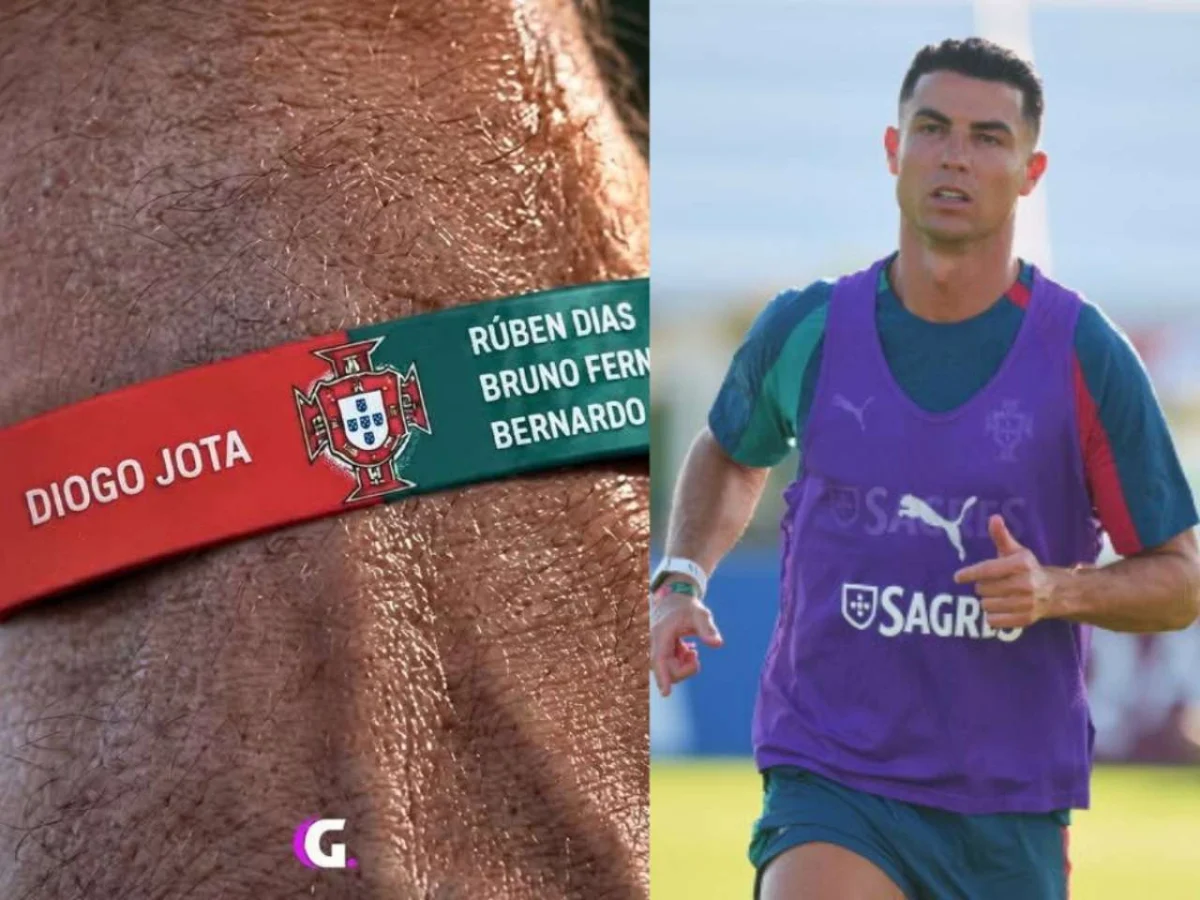
Houston, Texas – June 15, 2026 – In a profound display of unity and enduring remembrance, the Portugal national football team, led by the iconic Cristiano Ronaldo, has officially committed to wearing special commemorative wristbands throughout their FIFA World Cup 2026 campaign. This poignant gesture is a heartfelt tribute to their late teammate, Diogo Jota, whose life was tragically cut short in a car accident last year. The emotional announcement, made by defender Vitinha, underscores the squad’s deep respect and collective bond as they prepare to embark on their quest for global football glory, carrying the spirit of their fallen comrade onto the world stage.
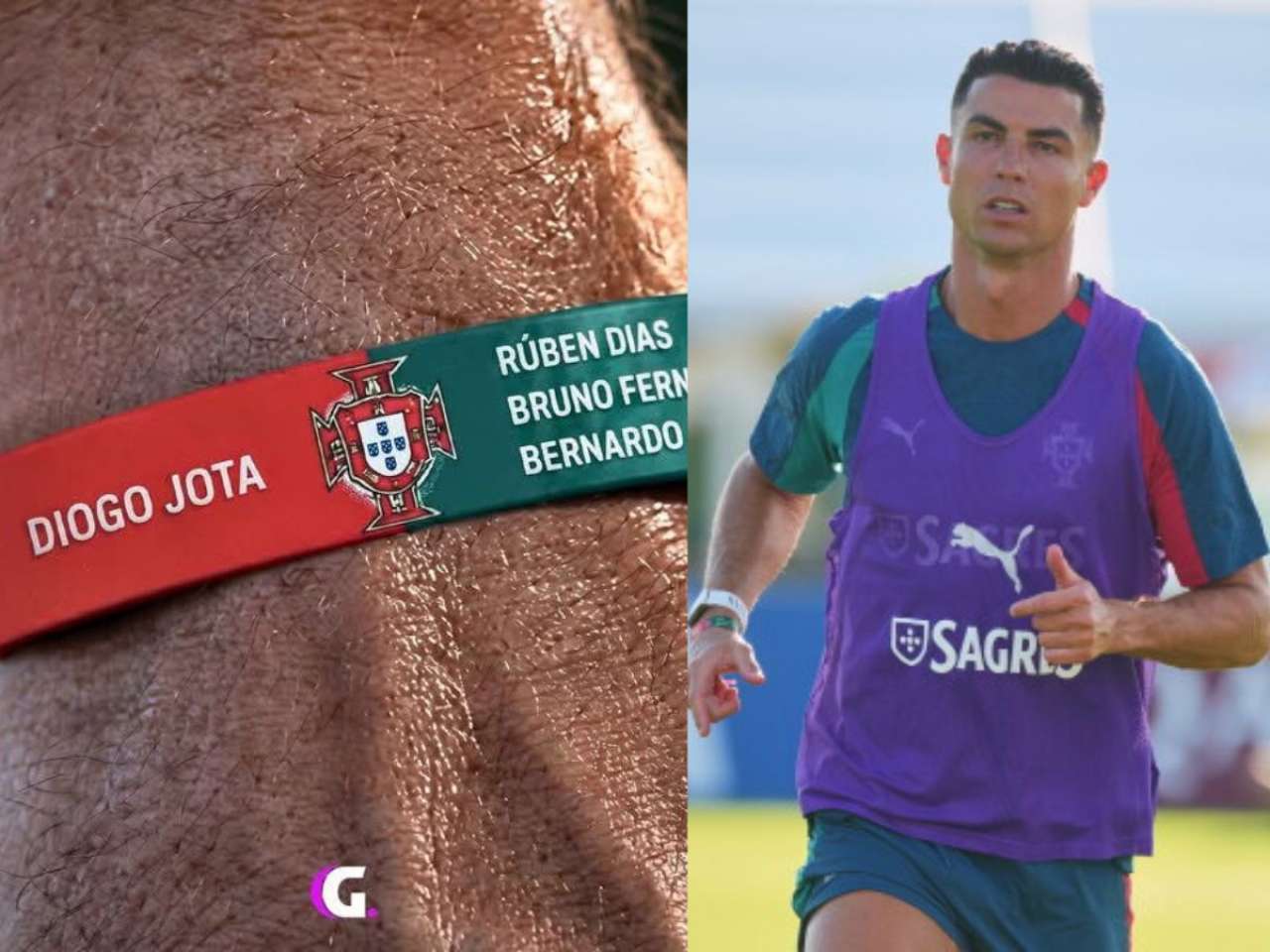
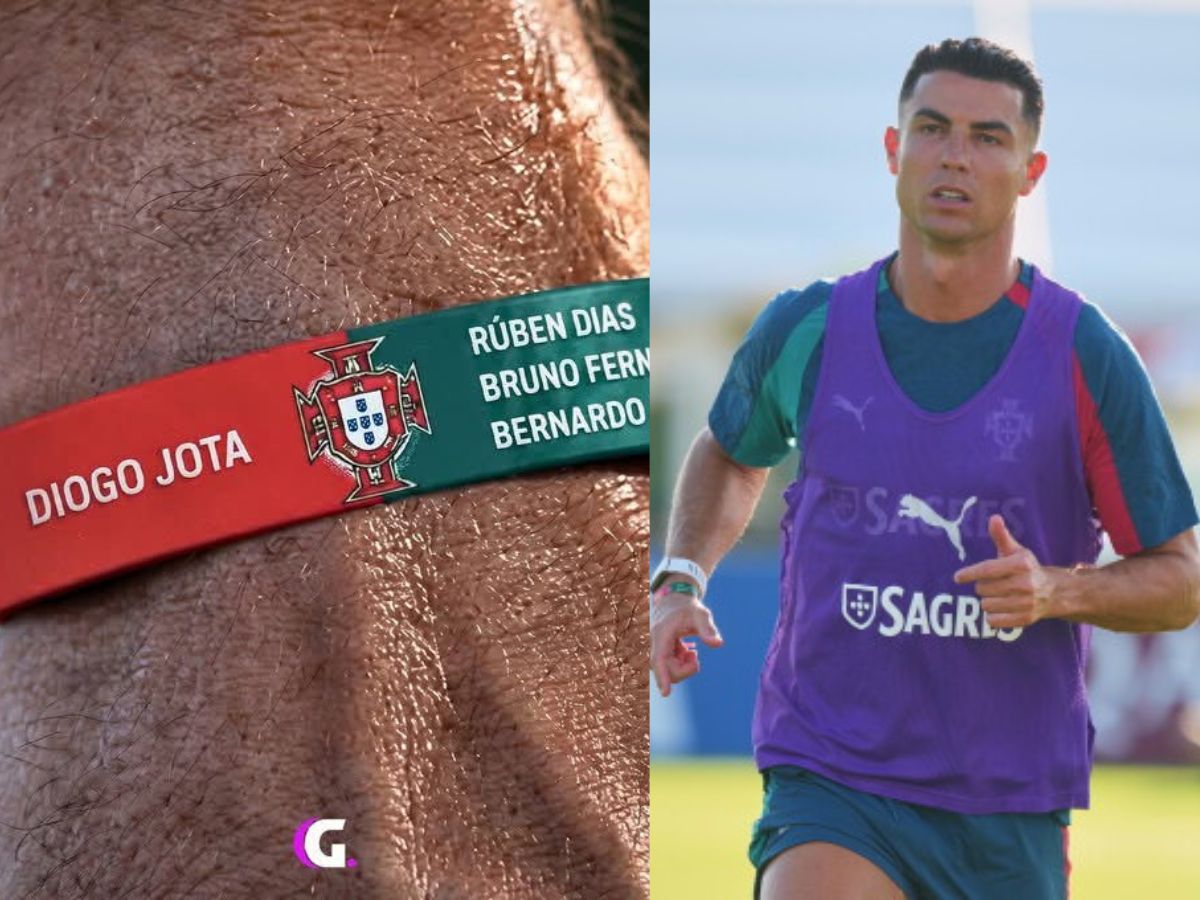
The wristbands, emblazoned with the names of all 26 players selected by head coach Roberto Martínez for the tournament, alongside a special, prominent mention of Diogo Jota, serve as a constant reminder of his indelible presence within the national team family. This initiative, officially presented to the squad by Portuguese Prime Minister Luís Montenegro, transcends mere symbolism, encapsulating the profound impact Jota had on his teammates and the nation. As Portugal prepares to kick off their World Cup journey against DR Congo on June 17 at the Houston Stadium in Texas, the sight of these wristbands will undoubtedly add an emotional layer to their performances, fueling their determination to honor a life tragically lost too soon.
Chronology of Events: From Promising Talent to Enduring Legacy
The narrative of Diogo Jota is one of immense talent, relentless dedication, and an untimely, heartbreaking end. His journey through the ranks of professional football, his significant contributions to both club and country, and the tragic circumstances of his passing are crucial to understanding the depth of this tribute.
The Ascent of a Footballer: Diogo Jota’s Illustrious Career
Diogo José Teixeira da Silva, widely known as Diogo Jota, emerged as one of Portugal’s most dynamic and versatile attacking talents. Born on December 4, 1996, in Massarelos, Porto, Jota’s footballing odyssey began in the academies of Gondomar and Paços de Ferreira. His senior career quickly took flight, showcasing a blend of blistering pace, intelligent movement, and a keen eye for goal. After impressing at Paços de Ferreira, where he made his professional debut in 2014, his potential was recognized by Atlético Madrid, who signed him in 2016. However, his time at the Spanish giants was spent on loan, first back in Portugal with FC Porto, and then a pivotal move to England with Wolverhampton Wanderers.
)
It was at Wolves that Jota truly announced himself on the Premier League stage. Initially joining on loan in 2017, his performances were so compelling that the move was made permanent. Over three seasons, he became an integral part of Nuno Espírito Santo’s exciting side, contributing significantly to their promotion to the Premier League and subsequent successful campaigns, including a memorable run to the Europa League quarter-finals. His ability to play across the front line, combined with his work rate and clinical finishing, caught the attention of top clubs.
In September 2020, Jota secured a dream move to Liverpool FC, a transfer that cemented his status as an elite-level player. Under Jürgen Klopp, he quickly integrated into one of the world’s most formidable attacking trios, often deputizing for or playing alongside Mohamed Salah, Roberto Firmino, and Sadio Mané. Despite facing stiff competition, Jota consistently delivered, scoring crucial goals and contributing to Liverpool’s triumphs, including the FA Cup and League Cup in 2022. He was also a part of the squad that famously won the English Premier League in the 2019-2020 season, a testament to his burgeoning career.

Internationally, Jota was a vital component of the Portuguese national team. After representing his country at various youth levels, he made his senior debut in November 2019. He quickly established himself as a reliable goalscorer and an impactful player for Fernando Santos’s side. Jota played a significant role in Portugal’s UEFA Nations League triumph in 2019, even though he didn’t feature in the final stages, his contributions in the lead-up were noted. He went on to earn 49 caps for Portugal, netting an impressive 14 goals, a testament to his attacking prowess and consistent threat. At just 28 years old, Jota was widely considered to be entering the peak of his career, with his versatility and goal-scoring instincts making him a key asset for both club and country. His personal life was also flourishing; he had celebrated his wedding just a month prior to the tragic incident.
The Unspeakable Tragedy: July 3, 2025
The football world was plunged into mourning on July 3, 2025, when news broke of the devastating car accident that claimed the life of Diogo Jota and his brother, Andre Silva. The incident occurred in the early hours of the morning on the A-52 highway, near the small town of Cernadilla in Zamora, Spain, approximately 15 kilometers from the Portuguese border.
)
According to detailed reports, Jota was traveling with his brother in a high-performance Lamborghini Urus SUV. The vehicle was reportedly attempting to overtake another car when it experienced a catastrophic tyre blowout. The sudden failure at speed led to an immediate loss of control, causing the SUV to overturn violently. The impact and subsequent damage ignited a fierce fire, engulfing the vehicle completely. By the time emergency services, including firefighters, arrived at the scene, the car was a burning wreck. The intensity of the blaze made immediate identification impossible. However, through diligent work, Jota and his brother were tragically identified using their personal identification documents recovered from the scene. The news sent shockwaves across the globe, leaving fans, teammates, and the entire football community reeling from the sudden and senseless loss of such a vibrant talent.
Post-Tragedy: Grieving, Remembering, and the Genesis of a Tribute
In the immediate aftermath of the tragedy, tributes poured in from every corner of the football world. Liverpool FC, the Portuguese Football Federation, Wolverhampton Wanderers, and countless other clubs and players expressed their profound sorrow and offered condolences to Jota’s family. Social media was flooded with messages of grief, remembrance, and admiration for the player and the person he was. The outpouring of emotion highlighted the deep connection Jota had forged with fans and colleagues alike.
)
The Portuguese national team, still grappling with the shock, faced the daunting task of navigating international fixtures without one of their key players. The period that followed was undoubtedly one of immense mourning, but also one that fostered a deeper sense of camaraderie and collective resilience within the squad. Discussions about how best to honor Jota’s memory began to circulate. It was clear that a simple moment of silence would not suffice for a player who had contributed so much and was so loved. The idea of a lasting, visible tribute that would accompany the team to the pinnacle of international football, the World Cup, began to take shape.
The genesis of the commemorative wristbands can be traced to a significant meeting between the national team and Prime Minister Luís Montenegro. During this meeting, held just before the squad’s departure for the United States for the FIFA World Cup 2026, the Prime Minister personally presented the team with the special wristbands. This gesture from the head of government underscored the national significance of Jota’s loss and the collective desire to honor him. As defender Vitinha later recounted, the wristbands were specifically designed to meet the technical requirements for wear on the pitch, ensuring that the tribute could be a constant presence during matches. The team was given the freedom to choose how and when to wear them, a decision that was unanimously and emotionally embraced by the squad, opting for continuous display to reflect the continuous presence of Jota in their hearts.
)
Supporting Data and Context: The Impact and Significance
The decision to wear commemorative wristbands for Diogo Jota is more than a sentimental gesture; it is a powerful statement about the human element in professional sports, the enduring bonds of a national team, and the psychological fortitude required to compete at the highest level.
The Enduring Void: Jota’s Impact on Portuguese Football
Diogo Jota’s untimely passing left a palpable void in Portuguese football, both on a sporting and emotional level. Athletically, Jota was a rare talent – a forward who combined the instincts of a poacher with the tireless work rate of a winger or an attacking midfielder. His versatility meant he could seamlessly adapt to various tactical formations, offering head coaches a dynamic option across the front three. His ability to score goals with both feet and his head, often from unexpected positions, made him a constant threat. For Portugal, he was not just a goalscorer but also a critical component in their high-pressing game, his defensive contributions from an attacking position often overlooked but highly valued by coaches. Replacing a player of his caliber, with his unique blend of attributes and his experience in major tournaments, is an immense challenge for any national team.
)
Beyond the tactical and statistical contributions, Jota was a beloved teammate. Accounts from players and staff consistently described him as a humble, hard-working, and positive presence within the squad. He was known for his dedication, his infectious enthusiasm, and his quiet leadership. His absence created an emotional vacuum, a reminder of the fragility of life and the deep personal connections formed within the intense environment of professional football. The team’s determination to honor him reflects not only their grief but also their commitment to carrying forward his spirit and legacy, ensuring that his memory continues to inspire them.
The Power of Unity: Galvanizing a World Cup Squad
In the high-stakes environment of the FIFA World Cup, team unity and psychological cohesion are often as crucial as individual talent. The tribute to Diogo Jota serves as a powerful unifying force for the Portuguese squad. Facing the immense pressure of a global tournament, such a shared emotional connection can galvanize players, fostering a deeper sense of purpose and collective identity. It transforms individual aspirations into a shared mission, driven by a desire to honor a fallen comrade.
)
This kind of collective remembrance can act as a psychological shield against external pressures and internal doubts. It reminds players that they are part of something larger than themselves, reinforcing bonds of brotherhood and mutual support. In moments of adversity during matches, the sight of the wristbands, or the thought of Jota, could provide an extra surge of motivation, a reminder of the fight they are undertaking not just for themselves or their nation, but also for a friend who can no longer be with them. History is replete with examples of sports teams drawing strength from overcoming tragedy or honoring lost loved ones, often performing beyond expectations fueled by emotional resolve. For Portugal, this tribute offers a profound emotional anchor in their pursuit of World Cup glory.
Portugal’s World Cup 2026 Aspirations: A New Era
Under the guidance of Spanish head coach Roberto Martínez, Portugal arrives at the FIFA World Cup 2026 with a formidable squad and high expectations. Martínez, known for his tactical flexibility and emphasis on attacking football, has inherited a team brimming with talent across all positions. Alongside the enduring brilliance of Cristiano Ronaldo, who continues to defy age, the squad boasts a wealth of established stars and emerging talents. Players like Bruno Fernandes, Bernardo Silva, Rúben Dias, Rafael Leão, and João Félix form the backbone of a team capable of competing with the very best.
)
Portugal’s opening fixture against DR Congo on June 17 at the Houston Stadium in Texas is perceived as a relatively "easier" opponent, offering Martínez’s side an opportunity to establish momentum early in the tournament. However, no World Cup match is truly easy, and a strong, focused performance will be crucial to set the tone for their campaign. The group stage, while seemingly manageable, requires absolute professionalism and precision. The commemorative wristbands will serve as a constant, poignant reminder of the higher stakes, the emotional drive, and the collective spirit that underpins their World Cup journey. Playing in the United States, a nation with a burgeoning football culture, also adds another layer of excitement and pressure for the Portuguese squad to deliver memorable performances.
Official Responses and Statements: Voices of Remembrance
The decision to wear the tribute wristbands has been met with universal approval and has been eloquently articulated by key figures involved, providing insight into the emotional depth of the gesture.
)
Vitinha’s Emotional Account: "Received with a Lot of Affection"
Paris Saint-Germain star and Portuguese midfielder Vitinha emerged as a key voice in explaining the team’s decision, offering a heartfelt account during a press conference. His words captured the sincerity and collective resolve behind the tribute. "Basically, the story of the wristband is, when we went to meet with the Prime Minister, he offered us this wristband," Vitinha explained to reporters. His description highlighted the official nature of the gesture, originating from the highest office of the Portuguese state.
Crucially, Vitinha emphasized the practicality and thoughtfulness behind the design: "They made sure that it was a wristband that we could wear on the pitch. It has all the specifics for us to be able to enter the pitch with it, with the names of all the players plus the special name of Diogo Jota." This detail underscores that the tribute was not merely ceremonial but intended to be an active, visible part of their World Cup presence. The midfielder further elaborated on the team’s agency in the decision: "He let us choose if we wanted to use it or not, how (we use it), during the day or during the match. We received it with a lot of affection, and we chose to use it.” Vitinha’s choice of words, "a lot of affection," powerfully conveys the emotional resonance of the gesture within the squad, signifying a unanimous and heartfelt commitment to honor their late teammate throughout the tournament.
)
Prime Minister Luís Montenegro’s Symbolic Gesture
Prime Minister Luís Montenegro’s personal involvement in presenting the wristbands adds a significant layer of national recognition to the tribute. While specific quotes from the Prime Minister regarding the presentation were not widely released, his action speaks volumes. By personally offering the commemorative items, Montenegro affirmed the nation’s collective grief and its unwavering support for the team, both in their sporting endeavors and in their remembrance of Jota. This gesture transforms the tribute from a mere team initiative into a national act of homage, symbolizing that the entire country stands united with its players in honoring a beloved son of Portugal. It reinforces the idea that Diogo Jota’s legacy transcends the football pitch, impacting the nation as a whole.
Roberto Martínez’s Leadership and Team Morale
While specific quotes from head coach Roberto Martínez on the wristbands are yet to be widely publicized, it is clear that such a significant team decision would have his full endorsement and support. Martínez, known for his emphasis on team spirit and psychological preparation, would undoubtedly view this tribute as a powerful tool for fostering unity and motivation within his squad. Managing the emotional state of elite athletes, particularly in the wake of such a tragedy, is a crucial aspect of coaching. By embracing and facilitating this tribute, Martínez demonstrates strong leadership, acknowledging the human element within his team and allowing them to process their grief in a collective, meaningful way. The tribute aligns perfectly with building a cohesive, resilient unit, ready to face the challenges of the World Cup with an added layer of purpose and emotional depth.
)
Echoes from the Football Community: Liverpool and Beyond
The sentiment of remembrance extends far beyond the Portuguese national team. Liverpool FC, where Jota spent his final prolific years, has consistently paid tribute to him since his passing. Club statements, fan memorials, and moments of silence at Anfield have all served to keep his memory alive. The news of Portugal’s World Cup tribute will undoubtedly resonate deeply with Liverpool fans and the wider football community, who admired Jota’s skill, dedication, and humble demeanor. This collective acknowledgment reinforces the idea that Jota’s impact was global, touching the hearts of supporters and professionals across continents. The shared grief and shared commitment to remembrance underscore the universal camaraderie that can exist within the footballing world.
Implications and Legacy: An Enduring Spirit
The decision by the Portuguese national team to wear commemorative wristbands for Diogo Jota carries profound implications, not only for their World Cup campaign but also for the enduring legacy of a talented footballer whose life was cut tragically short.
)
The Enduring Memory of Diogo Jota: More Than a Player
This tribute solidifies Diogo Jota’s place in the annals of Portuguese football history, ensuring that his memory is not merely a footnote but a vibrant, active presence. He will be remembered not just for his 49 caps and 14 goals, nor for his Premier League and Nations League titles, but as a symbol of resilience, talent, and the profound bonds that tie a team together. The wristbands transform him from a past player into an honorary member of the current squad, his spirit accompanying them on every step of their World Cup journey. For fans, it’s a touching reminder of the human stories behind the statistics, a connection to a player who touched many hearts with his performances and character. His legacy will be one of a bright star extinguished too soon, but whose light continues to inspire.
A Source of Motivation: Fueling Portugal’s World Cup Dream
The emotional weight of Jota’s memory, visually represented by the wristbands, could serve as an unparalleled source of motivation for the Portuguese squad. Competing in a World Cup is the pinnacle of a footballer’s career, demanding immense mental and physical fortitude. The knowledge that they are playing not just for their nation, but also to honor a fallen friend, can provide an extra psychological edge. In moments of doubt, fatigue, or intense pressure, the sight of the wristband could be a powerful reminder of their shared purpose and the emotional drive to succeed for Diogo. It fosters a ‘play for him’ mentality, potentially elevating their performances and uniting them against any adversity they may face on the pitch. This collective grief transformed into shared purpose could be a defining characteristic of Portugal’s 2026 World Cup campaign.
)
Broader Message of Solidarity: Football as a Family
Beyond the immediate impact on the Portuguese team, this tribute sends a powerful message of solidarity throughout the global football community. It reinforces the idea that football is more than just a game; it is a family, a community bound by shared passions, triumphs, and, sometimes, tragedies. In an era often dominated by commercialism and individual rivalries, gestures like this remind us of the sport’s inherent human element – the camaraderie, the empathy, and the collective support that exists between players and nations. It serves as an inspiration, highlighting how sports can unite people in remembrance and shared purpose, transcending borders and cultural differences.
A Precedent for Remembrance: The Future of Tributes
The prominence and official nature of Portugal’s tribute to Diogo Jota could potentially set a precedent for how national teams and sporting organizations honor fallen athletes in the future. It moves beyond fleeting moments of silence to a sustained, visible commitment to remembrance throughout a major tournament. This long-term approach ensures that the legacy of individuals like Jota is not forgotten but woven into the fabric of ongoing sporting narratives. As the FIFA World Cup 2026 unfolds, the world will watch Portugal, not just for their footballing prowess, but also for the profound human story they carry with them, keeping the spirit of Diogo Jota alive on the grandest stage of all. His memory will undoubtedly be a guiding light for Portugal, inspiring them to play with passion, unity, and a profound sense of purpose in their quest for the ultimate footballing prize.
