

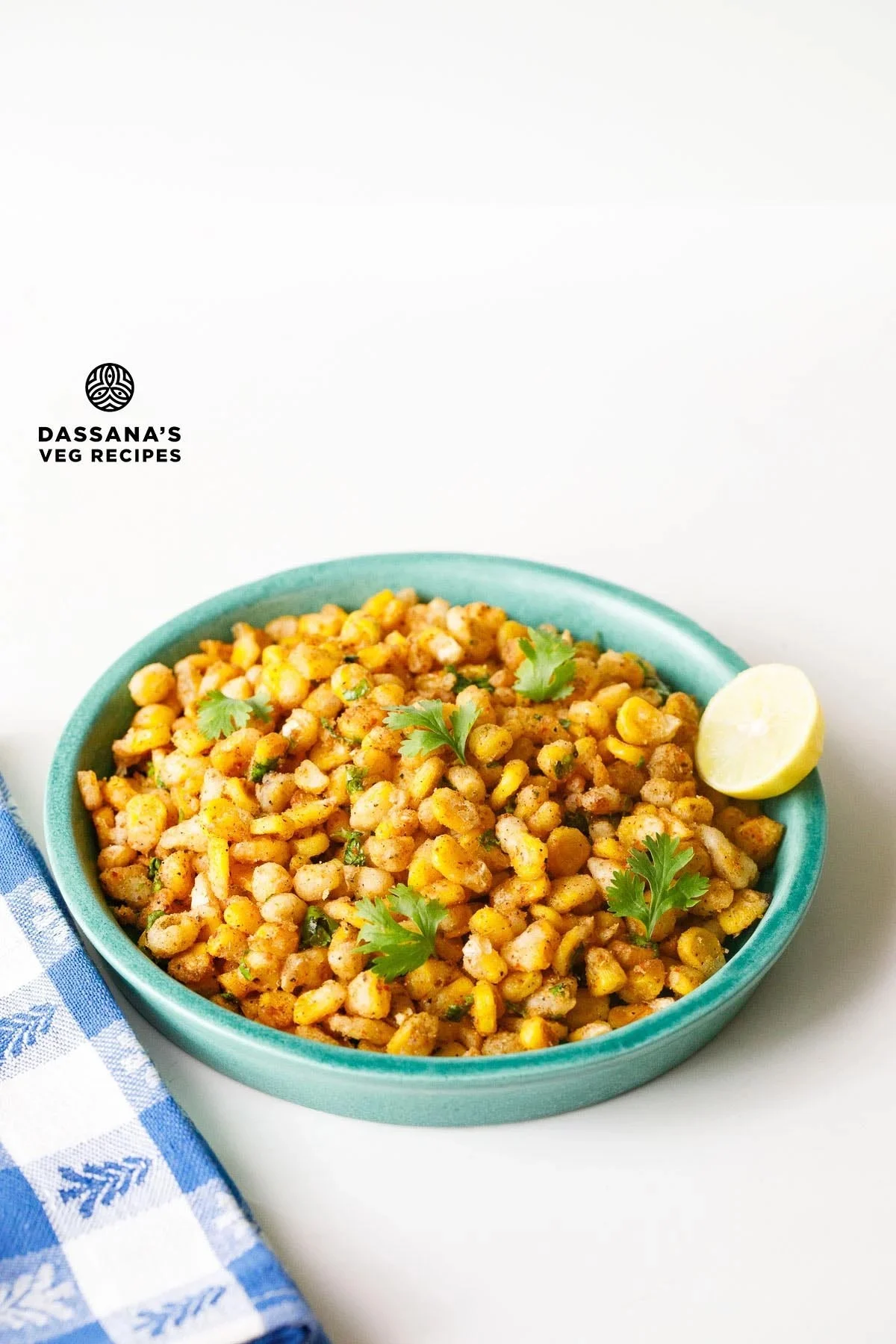
In the diverse and ever-evolving landscape of Indian culinary arts, few snacks have achieved the rapid, ubiquitous success of Crispy Corn. Once a niche offering in high-end fusion restaurants, this dish—characterized by its addictive textural dichotomy of a shattering outer crunch and a succulent, sweet interior—has become a staple of urban Indian dining. From the sprawling buffets of national chains like Barbeque Nation to the home kitchens of culinary enthusiasts, Crispy Corn represents a masterclass in the application of simple ingredients to achieve complex gastronomic results.

This report examines the technical precision required to master the dish, the nutritional profile of the snack, and its broader implications within the context of global "fusion" food trends.

I. Main Facts: Defining the Modern Classic
Crispy Corn is an Indian restaurant-style snack primarily made from boiled sweet corn kernels. The process involves a double-coating technique using cornflour (cornstarch) and rice flour, followed by deep-frying until the kernels achieve a golden, aerated crispness. The final product is tossed in a dry spice blend—typically featuring chaat masala, red chili powder, and roasted cumin—and finished with fresh aromatics like coriander and lemon juice.

The Appeal of Contrast
The popularity of the dish lies in its sensory profile. Unlike traditional Indian pakoras (fritters), which often feature a thick gram-flour batter, Crispy Corn utilizes a thin, starch-based "dusting" that preserves the individual identity of each kernel. This results in a snack that is simultaneously salty, spicy, tangy, and sweet.

Commercial Ubiquity
While corn has been a part of the Indian diet for centuries (primarily as bhutta or roasted corn on the cob), the "Crispy Corn" variant rose to prominence in the early 2010s. It became the signature "starter" in the burgeoning "over-the-table grill" restaurant segment. Its ability to remain palatable while being shared among large groups made it the ideal party appetizer.

II. Chronology: The Lifecycle of the Kernel
The transformation of a raw ear of corn into a gourmet snack follows a rigorous chronological sequence. Precision at each stage is vital to avoid the common pitfalls of oiliness or toughness.

Phase 1: Selection and Extraction
The process begins with the selection of the corn. While frozen kernels are a convenient modern alternative, culinary experts emphasize the superiority of fresh corn cobs. Fresh kernels possess a higher moisture content and a firmer cellular structure, which prevents them from collapsing during the frying process.

- Preparation: Husks and silk are removed. Kernels are sliced downward from the cob with a sharp blade.
- The "Integrity" Rule: Kernels that are crushed or cut open during extraction are discarded. Exposed moisture in a crushed kernel acts as a catalyst for "spluttering" in hot oil, creating a safety hazard for the cook.
Phase 2: The Blanching Process
Unlike many fried snacks, Crispy Corn requires a preliminary boil.

- Boiling: Kernels are submerged in salted boiling water for 4 to 5 minutes.
- The Texture Goal: The objective is to soften the starch within the corn without making the skin mushy. Overcooking at this stage leads to a "pasty" coating later.
- Drying: Once boiled, the corn is drained and spread on a tray. This is a critical chronological juncture: the kernels must be dry enough that water does not drip, yet "lightly moist" enough to act as a natural adhesive for the flours.
Phase 3: The Stratified Coating
The coating is applied in stages rather than all at once.

- Initial Dusting: A mix of cornflour and rice flour is tossed with the kernels.
- The Secondary Layer: A second round of flour ensures that every crevice of the kernel is sealed.
- Sieving: The final step involves shaking the coated corn in a sieve to remove excess loose flour. This prevents the oil from becoming cloudy and scorched.
Phase 4: Thermal Transformation
The frying stage is the most volatile. The oil is brought to a precise temperature of 175°C to 180°C (347°F to 356°F).

- The Popping Phenomenon: Because corn kernels contain internal moisture, they can occasionally "pop" or explode when the internal steam pressure exceeds the strength of the fried crust.
- Safety Protocol: Professional recipes mandate the use of a splatter screen or a partially open lid during the first 60 seconds of frying.
III. Supporting Data: The Science and Nutrition of Crunch
To understand why Crispy Corn works, one must look at the chemical interaction of the ingredients and the resulting nutritional data.

The Starch Synergy
The use of two different flours is not incidental:

- Cornflour (Cornstarch): Provides the "snap" and a smooth finish. It creates a barrier that prevents the oil from penetrating the kernel.
- Rice Flour: Adds a granular, long-lasting crunch. Rice flour does not soften as quickly as cornflour when exposed to the steam emanating from the hot corn.
Nutritional Breakdown (Per Serving)
Based on standardized recipe metrics, a single serving of Crispy Corn (approximately 1/3 of a standard batch) contains:

- Calories: 269 kcal
- Carbohydrates: 30g (Primarily from the corn and flour coating)
- Fat: 17g (Mainly monounsaturated and polyunsaturated fats from frying oil)
- Sodium: 1217mg (High, due to the use of chaat masala and black salt)
- Vitamins: Significant traces of Vitamin A (161 IU) and Folate (41 µg).
While high in sodium and calories, the dish provides a moderate amount of fiber (3g) and essential minerals like magnesium and phosphorus, making it a more nutrient-dense option than processed potato chips or refined flour crackers.

IV. Official Responses: Expert Perspectives on Technique
Culinary authorities and professional chefs often weigh in on the "perfect" Crispy Corn, distinguishing between the commercial "Barbeque Nation style" and the "Dry Home style."

The "Dassana" Method
Expert practitioner Dassana, a prominent voice in Indian vegetarian cuisine, advocates for a "dry version" of the dish. Unlike some commercial variants that toss the fried corn in heavy sauces (like Manchurian sauce or chili paste), the dry version focuses on the "purity of the crunch."

- Expert Insight: "The trick is to drain the boiled kernels thoroughly while keeping them lightly moist so that the cornstarch and rice flour stick evenly. The coating should be thin and dry, not thick or pasty."
The "Splutter" Warning
Professional kitchens emphasize that the biggest failure in Crispy Corn production is oil spluttering. Official safety guidelines suggest that if the coating remains too dry and fails to adhere, the cook should sprinkle water in increments of only one teaspoon at a time. This "micro-hydration" ensures the flour binds without creating a wet batter that would boil rather than fry.

The Seasoning Window
Chefs agree on a non-negotiable rule: seasoning must occur immediately after frying. The residual surface oil acts as the bonding agent for the spice mix. Once the corn cools, the spices will simply fall to the bottom of the bowl.

V. Implications: Culinary Trends and Social Impact
The rise of Crispy Corn carries several implications for the future of the food industry and home cooking.

1. The Democratization of "Restaurant Food"
Crispy Corn represents a shift where complex restaurant appetizers are being successfully "de-coded" for the home cook. The transition of this dish from a buffet luxury to a household evening snack highlights the growing sophistication of the home culinary landscape in India.

2. The "Indo-Chinese" Fusion Evolution
The dish is a hallmark of the Indo-Chinese culinary movement. While corn is native to the Americas and spices like chaat masala are quintessentially Indian, the frying technique and the use of cornstarch/rice flour are rooted in East Asian tempura and stir-fry traditions. This fusion reflects a globalized palate that prioritizes texture as much as flavor.

3. Health and Substitution Trends
As consumers become more health-conscious, the "implications" of deep-frying are being challenged. There is a growing movement toward air-fried Crispy Corn. While air-frying reduces the fat content (from 17g down to approximately 5g), culinary purists argue that the "shattering" texture can only be achieved through traditional immersion in hot oil.

4. Storage and Sustainability
The dish has low "shelf-life" sustainability. It must be consumed within minutes of preparation. This makes it an "anti-fast food"—it cannot be easily mass-produced, packaged, and sold in a supermarket. It requires the presence of a cook and a consumer in close proximity, reinforcing the "slow food" value of eating freshly prepared meals.

Conclusion
Crispy Corn is more than a simple snack; it is a technical achievement that balances moisture, heat, and aeration. Its journey from the cob to the spiced bowl is a testament to the ingenuity of modern Indian cuisine—a dish that respects its raw ingredients while utilizing the science of starch to create a world-class appetizer. Whether enjoyed as a spicy starter or a rainy-day comfort food, Crispy Corn has secured its place in the pantheon of great global snacks.
