


New Delhi – As summer temperatures soar across the Indian subcontinent, reaching record-breaking highs, millions of people seek refuge in the artificial chill of air-conditioned environments and the immediate relief of ice-cold beverages. However, this seasonal shift in lifestyle often brings with it a recurring health complaint: the persistent summer sore throat. Long dismissed by some as a "myth" and feared by others as an inevitable consequence of modern cooling, the relationship between cold exposure and respiratory discomfort is more complex than a simple cause-and-effect narrative.
Medical experts are now shedding light on why the transition from the scorching outdoors to a climate-controlled room, combined with the consumption of chilled drinks, creates a "perfect storm" for throat irritation. While air conditioners and iced lattes are not the direct biological causes of viral or bacterial infections, they act as significant environmental catalysts that weaken the body’s natural defenses.
Main Facts: Distinguishing Irritation from Infection
The fundamental misunderstanding regarding summer throat issues lies in the distinction between "irritation" and "infection." According to Dr. Honey Savla, Consultant of Internal Medicine at Wockhardt Hospitals, Mumbai, it is essential to clarify that cold air and chilled liquids do not contain the pathogens required to cause a clinical infection.
"Viruses and bacteria are the primary agents behind throat infections," Dr. Savla explains. "An air conditioner cannot ‘give’ you a cold unless it is harboring specific pathogens in its filtration system. Similarly, a cold drink is not a carrier of the flu virus."
However, the medical community agrees that environmental factors significantly influence how susceptible an individual is to these pathogens. The "Main Facts" of the summer sore throat phenomenon include:
- Desiccation (Drying Out): Air conditioners function by removing moisture from the air. Prolonged exposure to low-humidity environments dries the mucous membranes in the throat and nasal passages.
- Thermal Shock: Rapidly moving between extreme temperatures (e.g., 42°C outdoors to 20°C indoors) stresses the body’s thermoregulatory system.
- Weakened Mucosal Barrier: The throat is lined with a thin layer of mucus that traps dust and microbes. When this layer dries out, its protective capacity is compromised.
- Aggravation of Pre-existing Conditions: Individuals with acid reflux, allergies, or chronic sinusitis are more likely to experience flare-ups when exposed to cold stimuli.
Chronology: The Path from Heatwave to Hospital
The onset of a summer sore throat typically follows a predictable chronological pattern, often beginning with the first major heatwave of the season.
Phase 1: The Exposure
The cycle begins with prolonged exposure to high outdoor temperatures. During this time, the body’s blood vessels are dilated to facilitate cooling through sweat. The respiratory tract is often already stressed by dust and urban pollutants common in dry summer months.
Phase 2: The Rapid Transition
Upon entering a heavily air-conditioned office or home, the body experiences a sudden drop in ambient temperature. This "thermal shock" causes peripheral blood vessels to constrict rapidly. For many, this is the moment they reach for an iced beverage to "cool down from the inside," further shocking the local tissues of the oropharynx.
Phase 3: The Drying Period
Over the next four to eight hours—typically a standard workday—the occupant breathes in air that has been stripped of its humidity. In a standard AC-controlled room, humidity can drop below 30%, far below the 40-60% range recommended for respiratory health.
Phase 4: Symptom Manifestation
By the evening or the following morning, the individual notices a "scratchy" sensation. This is often not an infection yet, but rather "sicca syndrome" (dryness) of the throat. However, if a virus is present in the environment, the dried-out throat provides a much easier entry point, leading to full-blown pharyngitis or tonsillitis within 24 to 48 hours.
Supporting Data: The Science of Humidity and Host Defense
To understand why the throat suffers in summer, one must look at the physiological data regarding the "mucociliary escalator." This is the body’s internal filtration system, consisting of tiny hair-like structures (cilia) and a layer of mucus.
Scientific studies indicate that when humidity levels drop, the mucus becomes more viscous (thicker) and the cilia move more slowly. This stagnation allows trapped bacteria and viruses to stay in contact with the throat lining for longer periods, increasing the statistical likelihood of an infection taking hold.
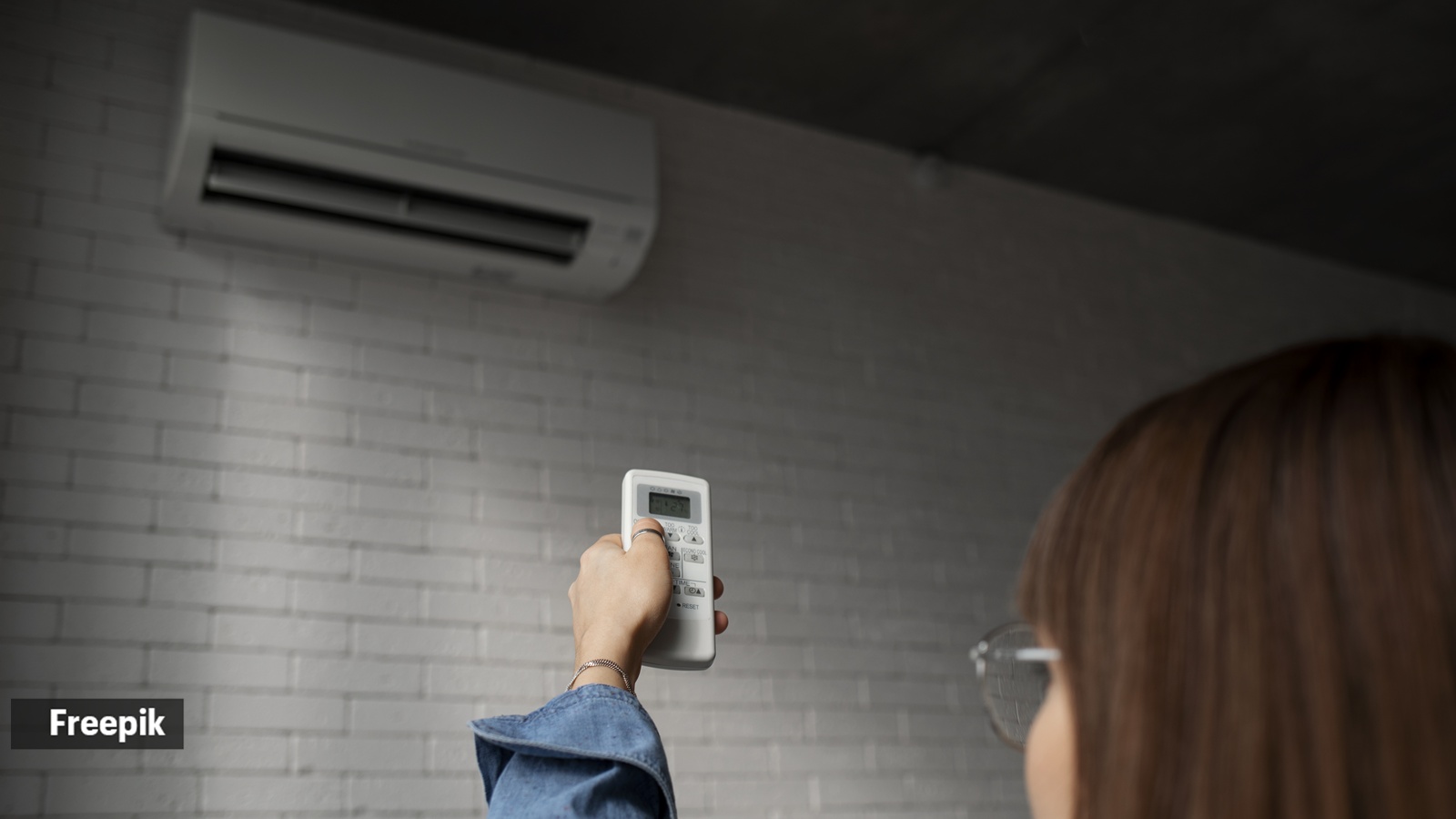
Furthermore, the impact of "Poorly Maintained AC Systems" cannot be overstated. Data from environmental health studies suggest that neglected air conditioning units can become breeding grounds for:
- Mold and Fungi: These thrive in the condensation trays of AC units.
- Dust Mites: Circulated through old filters, these trigger allergic rhinitis, which presents as a sore throat due to post-nasal drip.
- Endotoxins: Fragmented bacterial cell walls that can cause inflammatory responses in the airway.
Dr. Manjusha Agarwal, a consultant of internal medicine at Gleneagles Hospital, Mumbai, emphasizes that the air conditioner itself is a circulatory machine. "If the filters are clogged, the machine is simply recycling allergens. For a patient with sensitive airways, this constant bombardment of particulate matter is what causes the inflammation, not the cold temperature alone."
Official Responses: Expert Clinical Recommendations
Medical professionals have issued a set of guidelines to help the public navigate the summer months without compromising their respiratory health. The consensus from internal medicine experts like Dr. Savla and Dr. Agarwal focuses on three pillars: Maintenance, Moderation, and Moisture.
On Air Conditioning Management
Dr. Agarwal advises that the "shock" to the system can be mitigated by setting the AC to a moderate temperature. "Keeping a comfortable temperature—around 24°C to 26°C—rather than a very cold setting like 18°C, reduces the strain on the throat and keeps the humidity at a more tolerable level." Additionally, she stresses the mandatory cleaning of filters every month during peak summer to prevent the circulation of bio-aerosols.
On Hydration and Cold Beverages
The medical advice regarding cold drinks is nuanced. While an iced drink won’t cause a cold in a healthy individual, it can cause "vasoconstriction"—a narrowing of blood vessels—in the throat. For those with underlying conditions like Acid Reflux (GERD), cold liquids can trigger a spasm in the esophagus or worsen the "silent reflux" that irritates the larynx.
Dr. Savla points out a common irony: "Many people spend hours in air-conditioned offices but don’t drink enough water because they don’t feel ‘thirsty’ in the cold. This leads to systemic dehydration, which further dries out the throat." The official recommendation is to consume water at room temperature or only slightly chilled, ensuring a steady intake of at least 2.5 to 3 liters a day.
When to Seek Medical Attention
The experts are clear on the "Red Flags." While a scratchy throat from an AC might be managed with hydration and rest, certain symptoms require immediate clinical intervention:
- Symptoms persisting for more than three to five days.
- The presence of high-grade fever (above 101°F).
- Visible white patches or pus on the tonsils.
- Difficulty swallowing (dysphagia) or breathing.
- Swollen and tender lymph nodes in the neck.
Implications: Productivity, Health, and Lifestyle
The implications of the "summer sore throat" extend beyond individual discomfort. In a corporate context, "Sick Building Syndrome"—often linked to poor AC maintenance and air quality—is a leading cause of absenteeism. When offices are kept too cold and air is not properly filtered, it leads to a collective decline in employee health, characterized by headaches, fatigue, and respiratory irritation.
Furthermore, there is a long-term health implication for those who ignore these environmental triggers. Chronic irritation of the throat can lead to persistent laryngitis or worsen the condition of those with asthma.
Practical Tips for the Public:
- The "Buffer" Rule: When entering a building from the heat, wait 5–10 minutes in a non-AC zone (like a lobby) if possible, or turn the AC on gradually rather than at full blast immediately.
- Hydration Strategy: Carry a bottle of room-temperature water. If you must have a cold drink, sip it slowly to allow the liquid to warm slightly before it hits the back of the throat.
- Humidity Control: In dry climates, placing a small bowl of water in an AC room or using a humidifier can help maintain the 40-60% moisture levels necessary for mucosal health.
- Saltwater Gargles: A traditional but medically backed remedy; gargling with warm salt water can help rehydrate the throat tissues and draw out excess fluid from inflamed membranes.
In conclusion, while the air conditioner is an indispensable tool for surviving the modern summer, it requires a disciplined approach to usage. By understanding that the throat’s primary enemy is dryness and sudden temperature flux—rather than the cold itself—individuals can enjoy the comforts of the season without the lingering pain of a summer infection. As Dr. Savla concludes, "It is about balance. Your body is highly adaptable, but it needs time and moisture to maintain its defenses."
DISCLAIMER: This article is based on information from the public domain and expert medical opinions. It is intended for informational purposes only and does not constitute medical advice. Always consult your health practitioner before starting any new health routine or if you are experiencing persistent symptoms.
