

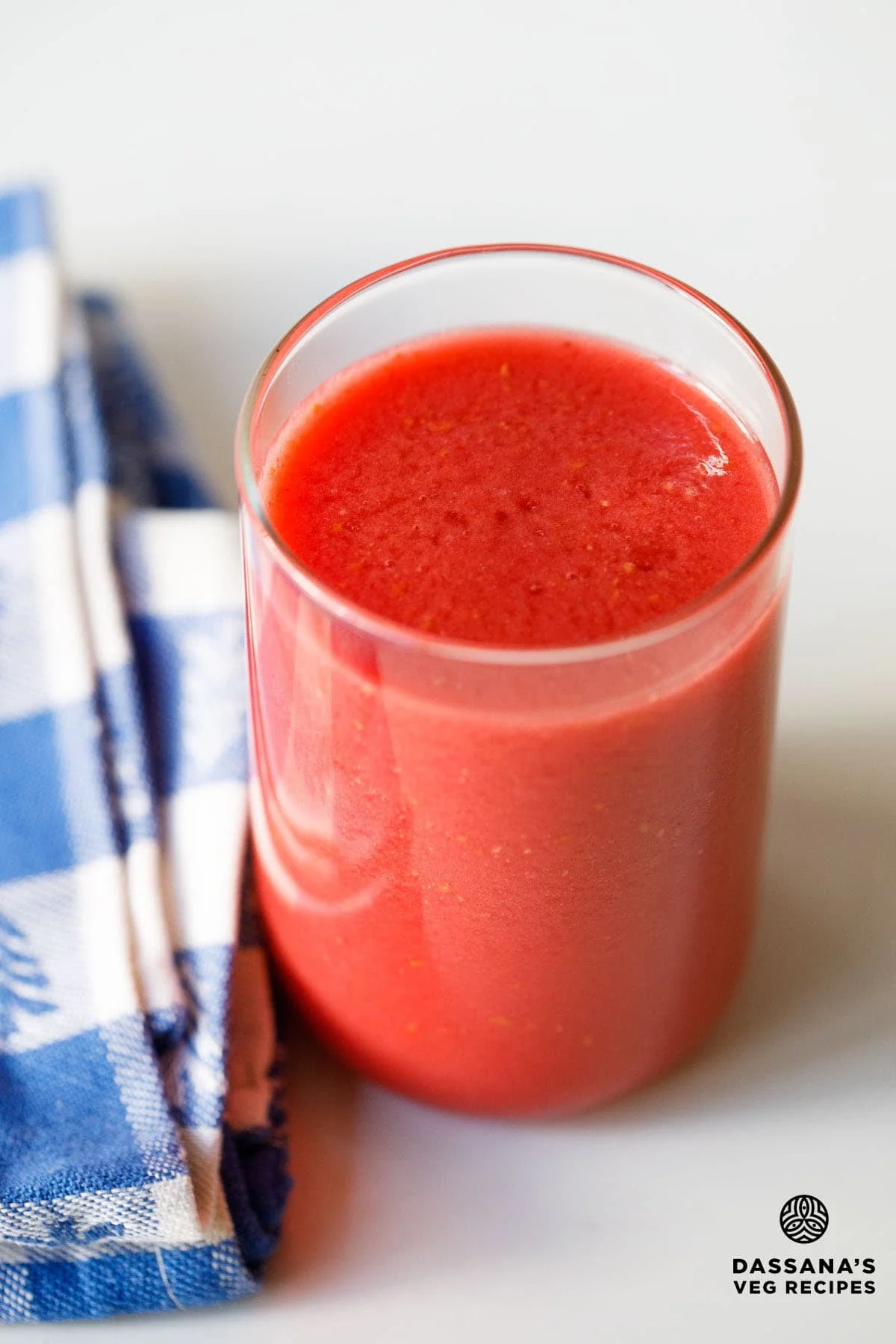
In an era increasingly defined by a pivot toward "clean label" consumption and the DIY culinary movement, the humble fruit juice is undergoing a sophisticated transformation. No longer relegated to the realm of store-bought, preservative-laden concentrates, beverages like fresh Raspberry Juice are emerging as a centerpiece of the modern health-conscious kitchen.
A recent culinary report by acclaimed vegetarian chef and Le Cordon Bleu-trained pastry expert Dassana Amit highlights the rising popularity of this vibrant, three-ingredient beverage. Characterized by its striking crimson hue and a complex sweet-tart profile, homemade raspberry juice represents more than just a refreshing drink; it is a testament to the efficacy of minimalist gastronomy.
Main Facts: The Anatomy of a Pure Fruit Beverage
The essence of the raspberry juice recipe lies in its structural simplicity. Unlike commercial variants that often rely on high-fructose corn syrup, artificial colorants, and stabilizers, this artisanal approach utilizes only three primary components: fresh or frozen raspberries, filtered water, and a controlled amount of sweetener.
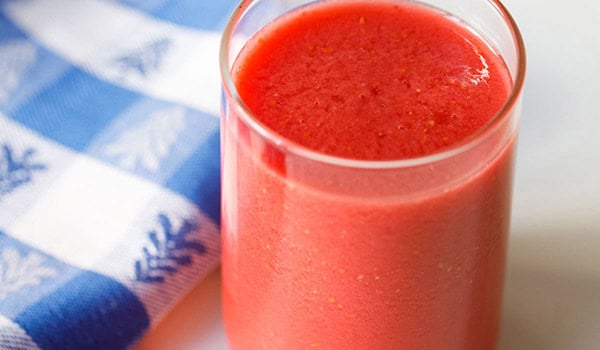
The flavor profile of the drink is intrinsically linked to the quality of the fruit. In regions like India, where raspberries often possess a more pronounced acidity and tartness, the addition of a sweetener—typically sugar, though honey or agave are common substitutes—is not merely for sweetness but for "flavor balancing." This chemical process allows the natural fruitiness of the berry to bypass the sharpness of the citric and malic acids present in the fruit.
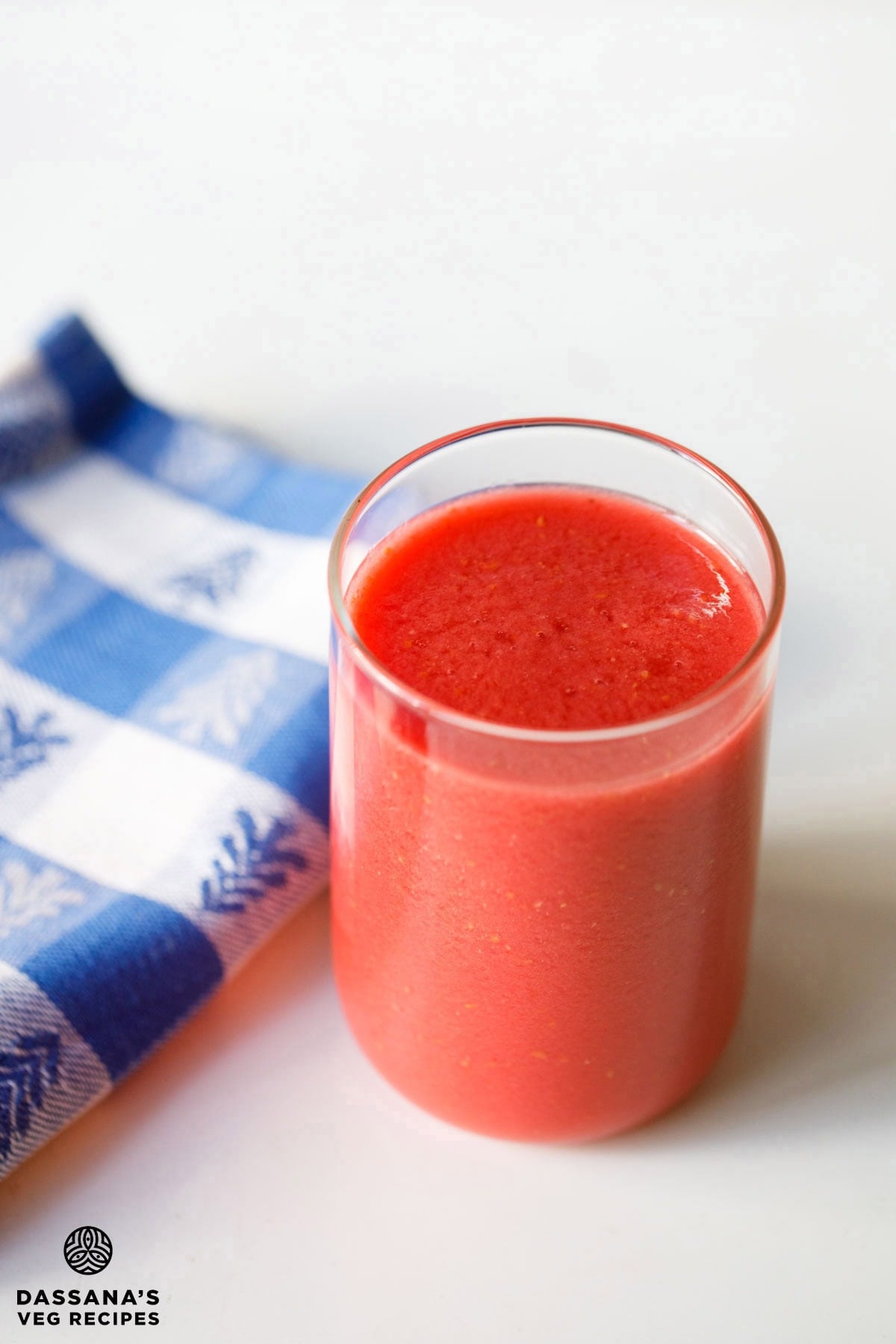
Furthermore, the drink’s versatility is a key selling point. It can be served "pulp-on" for a rustic, high-fiber texture or strained through a fine-mesh sieve to create a refined, crystal-clear nectar. This adaptability makes it suitable for a wide demographic, ranging from culinary enthusiasts seeking a sophisticated brunch accompaniment to parents looking for a nutritious alternative for young children.
Chronology: The Culinary Workflow of Raspberry Juice Production
The creation of a high-quality raspberry juice follows a precise methodological sequence. According to the standards set by Dassana Amit, the process is divided into several critical phases to ensure both safety and flavor optimization.
1. The Preparation and Sanitation Phase
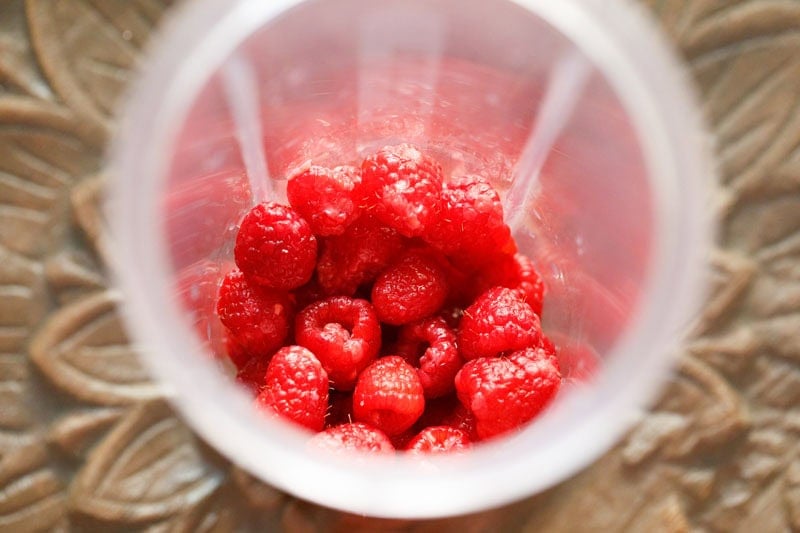
The process begins with the selection of 250 grams of raspberries. Given the delicate, porous nature of the berry’s skin, they are susceptible to trapping dust and environmental residues. The berries must be rinsed thoroughly in cold water and drained using a colander. This step is vital to ensure the final juice is free of impurities without waterlogging the fruit.
2. The Integration Phase
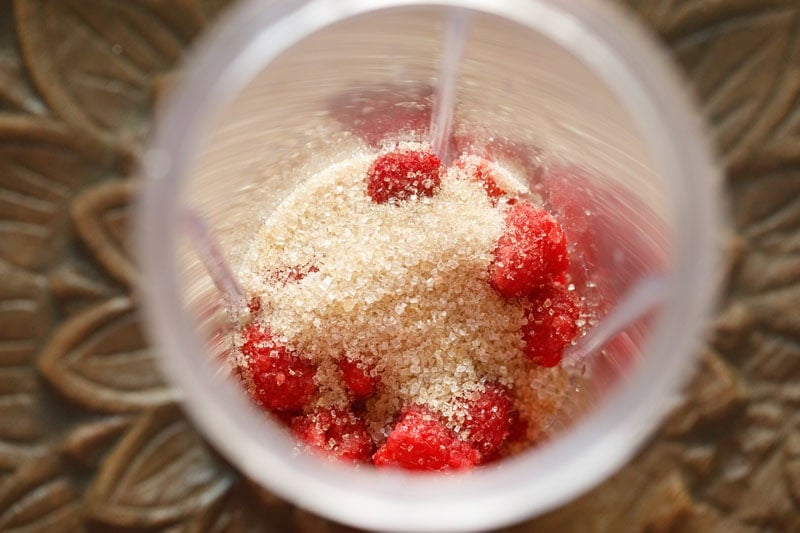
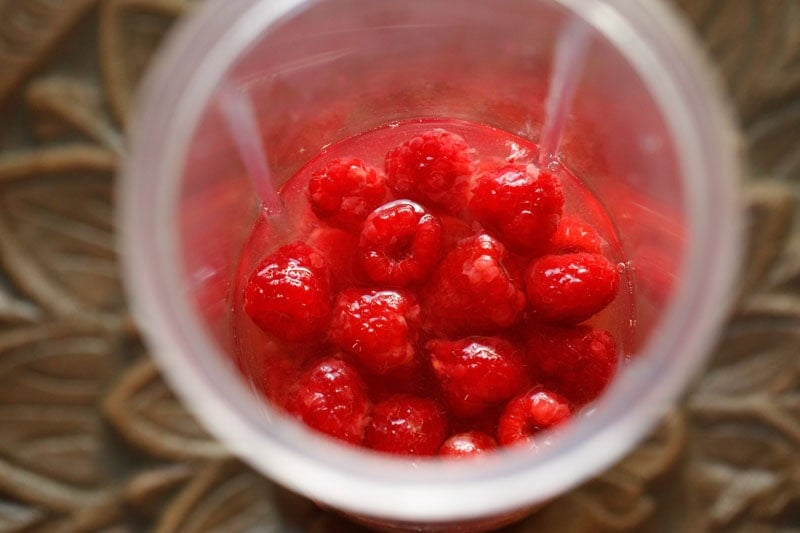
The cleaned berries are transferred to a high-speed blender. At this stage, 4 to 5 tablespoons of sugar are added. This ratio is specifically calibrated to balance the tartness of a standard 250-gram batch. Following the sweetener, 1.5 cups of water are introduced. The temperature of the water at this stage dictates the immediate serve-ability of the drink; using chilled water eliminates the need for a lengthy refrigeration period afterward.
3. The Emulsification and Blending Phase
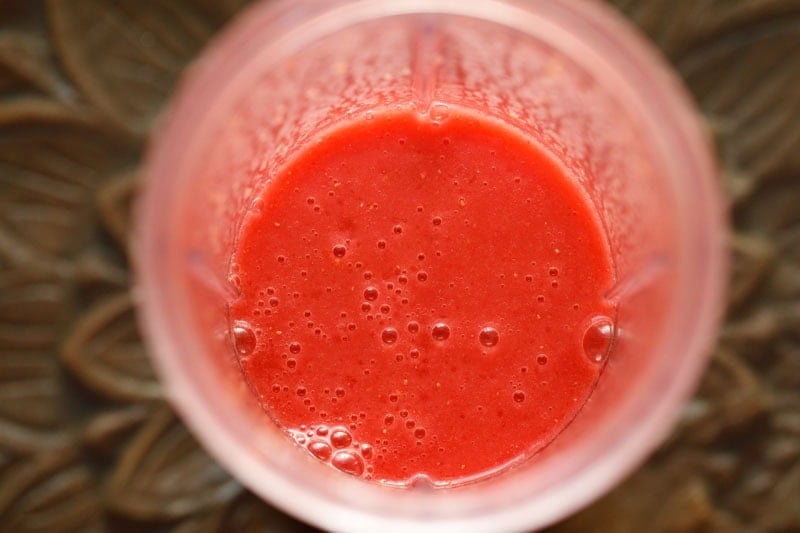
The mixture is blended until a homogenous consistency is achieved. For those using frozen berries, this phase results in a thicker, slightly slushy texture due to the ice crystals within the fruit. The blender must be monitored to ensure all seeds are sufficiently agitated, releasing the juices from the surrounding pulp.
4. The Refinement and Customization Phase
Once blended, the juice undergoes a "taste and adjust" check. If the berries lack a certain brightness, a half-teaspoon of lemon juice is recommended to elevate the acidity. If the juice is too viscous, an additional quarter-cup of water may be integrated.
5. The Final Filtration
For a "premium" texture, the juice is passed through a fine-mesh strainer. This removes the small, gritty seeds that can be off-putting to certain consumers, particularly the elderly or children. The result is a smooth, vibrant liquid ready for immediate consumption.
Supporting Data: Nutritional Efficacy and Chemical Composition
The appeal of raspberry juice extends beyond its aesthetic and flavor. A detailed nutritional analysis reveals a powerhouse of micro and macronutrients. A standard serving (based on a two-glass yield) contains approximately 157 calories, making it a relatively low-calorie beverage compared to sodas or milkshakes.
Nutritional Breakdown per Serving:
- Energy: 157 kcal
- Carbohydrates: 39g (of which 29g are sugars and 8g are dietary fiber)
- Protein: 2g
- Fat: 1g (predominantly polyunsaturated)
Vitamin and Mineral Density:
Raspberries are an exceptional source of Vitamin C, providing 33mg per serving, which is essential for immune function and skin health. The juice also contains:
- Vitamin A: 41 IU
- Vitamin K: 10 µg (vital for bone health and blood clotting)
- Folate (B9): 26 µg (crucial for DNA synthesis)
- Potassium: 189mg (assists in blood pressure regulation)
- Manganese: Essential for metabolic function and antioxidant defense.
The high fiber content (8g) is particularly noteworthy. Even when strained, some soluble fiber remains, contributing to a lower glycemic response compared to more processed fruit drinks.
Official Responses: Expert Insights and Professional Recommendations
Chef Dassana Amit, a certified pastry chef from Le Cordon Bleu and a veteran of vegetarian cooking for over 16 years, provides critical "expert notes" that elevate the preparation from a simple recipe to a professional standard.
"The key to a successful fruit juice is respecting the ingredient’s natural state," Amit notes. She emphasizes that the water-to-fruit ratio is the most common area where home cooks fail. Adding too much water dilutes the "berry soul" of the drink, while too little makes it a puree rather than a juice.
Amit also addresses the "frozen vs. fresh" debate. From a professional standpoint, frozen raspberries are often picked at peak ripeness and flash-frozen, meaning they can sometimes offer a more consistent flavor profile and a superior "slushy" texture than fresh berries that have traveled long distances.
Regarding storage, the official recommendation is clear: fresh is best. Due to the lack of preservatives and the natural oxidation process, the juice should be consumed immediately or refrigerated for no longer than 4 to 5 hours. Separation is a natural occurrence in pure juices; a quick stir restores the emulsion before serving.
Implications: Health Trends and Culinary Sustainability
The promotion of homemade raspberry juice carries broader implications for public health and the global food industry.
1. The "Clean Label" Shift
As consumers become more wary of "ultra-processed foods" (UPFs), the move toward three-ingredient, home-blended juices represents a significant shift in beverage consumption. This trend places the control of sugar intake back into the hands of the consumer, allowing for the use of alternative sweeteners like stevia or monk fruit for those with diabetic concerns.
2. Hydration and Micronutrient Delivery
In warmer climates, particularly in regions like India where the recipe originated, such drinks serve a dual purpose: hydration and rapid micronutrient delivery. The presence of electrolytes like potassium and magnesium makes raspberry juice an effective natural recovery drink.
3. The Role of Plant-Based Patisserie
As a graduate of Le Cordon Bleu’s plant-based patisserie program, Amit’s advocacy for such recipes highlights the growing intersection between traditional culinary techniques and modern veganism. Raspberry juice is not just a drink; it is a foundational component that can be used in vegan jellies, sorbets, and as a poaching liquid for fruits, showcasing the versatility of plant-based ingredients.
4. Sustainability and Food Waste
The recipe encourages the use of berries that might be slightly overripe—those that are too soft for a fruit platter but perfect for blending. This promotes a "zero-waste" philosophy in the kitchen, ensuring that the nutritional value of the fruit is captured even when its aesthetic appeal has diminished.
Conclusion
Raspberry juice, while simple in its execution, serves as a microcosm of the current state of gastronomy. It balances the precision of professional technique with the accessibility of home cooking. By focusing on high-quality ingredients, understanding the nutritional chemistry of the fruit, and following a disciplined preparation workflow, individuals can produce a beverage that rivals high-end restaurant offerings. As the culinary world continues to move toward transparency and health, the vibrant red of fresh raspberry juice stands as a symbol of honest, soulful, and scientifically sound nutrition.
