

By Real Estate Analysis Desk
The meteoric rise of Shark Tank India has done more than just popularize venture capital and entrepreneurship; it has turned its "Sharks"—the founders of some of India’s most successful modern enterprises—into cultural icons. While their investment acumen is debated on television screens, their personal lifestyles offer a tangible window into the aspirations of "New India." Nowhere is this more evident than in their choice of residence.
From the sprawling, golf-facing expanses of Gurugram to the prestigious, sea-kissed high-rises of South Mumbai, the homes of Aman Gupta, Azhar Iqubal, Anupam Mittal, and Namita Thapar are not merely shelters. They are strategic assets that reflect a broader paradigm shift in the Indian luxury housing market—a shift characterized by a move toward low-density living, wellness-centric design, and hyper-exclusivity.
The Statistical Surge: Decoding the 2025 Luxury Real Estate Boom
The luxury residential sector in India is currently experiencing a "golden era" of growth that defies global inflationary pressures. To understand the context of these celebrity homes, one must look at the macro-economic data driving the market.
According to the latest residential market report by CBRE, the high-end and luxury housing segments have undergone a radical transformation. In 2022, luxury homes (typically defined as properties priced above INR 4 crore) accounted for approximately 12% of total residential sales across major Indian metros. By the first half of 2025, this figure surged to nearly 27%.
This 125% increase in market share is attributed to several factors:
- The K-Shaped Recovery: While affordable housing has seen stagnation, the affluent class has seen significant wealth appreciation.
- Size as a Status Symbol: Post-pandemic buyer behavior has pivoted toward "extra-large" configurations (4BHK and above) to accommodate home offices, private gyms, and entertainment zones.
- The Rise of the ‘New Rich’: Startup exits and IPOs have created a fresh demographic of young, high-net-worth individuals (HNIs) who prioritize lifestyle-driven communities over traditional brick-and-mortar investments.
The Gurugram Power Play: Aman Gupta and the Allure of DLF Camellias
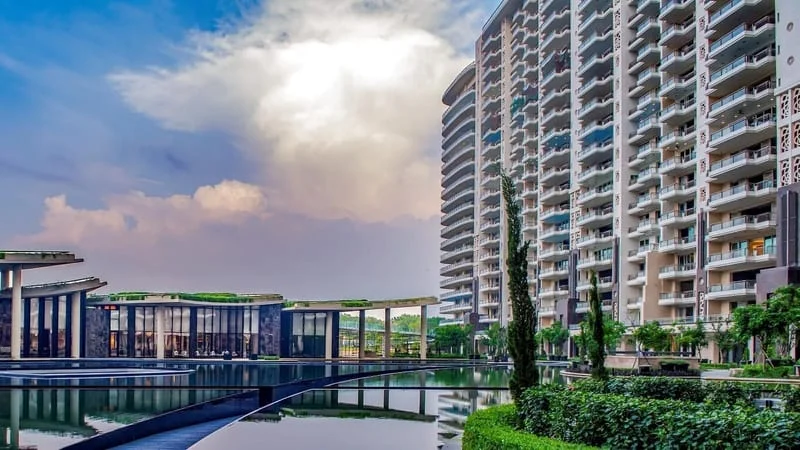
Aman Gupta, the co-founder of boAt, resides in what is arguably the most prestigious address in Northern India: DLF Camellias on Golf Course Road, Gurugram.
The Property Profile
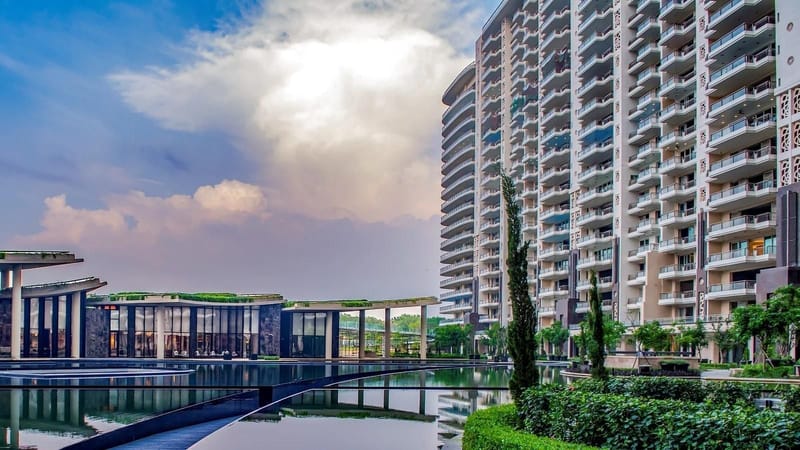
DLF Camellias is part of a trifecta of luxury projects (including DLF Aralias and Magnolias) that have earned the moniker "Billionaire’s Row." Gupta’s residence reportedly spans over 7,000 square feet, characterized by an open-plan layout that blurs the lines between indoor and outdoor spaces.
Architectural and Lifestyle Significance
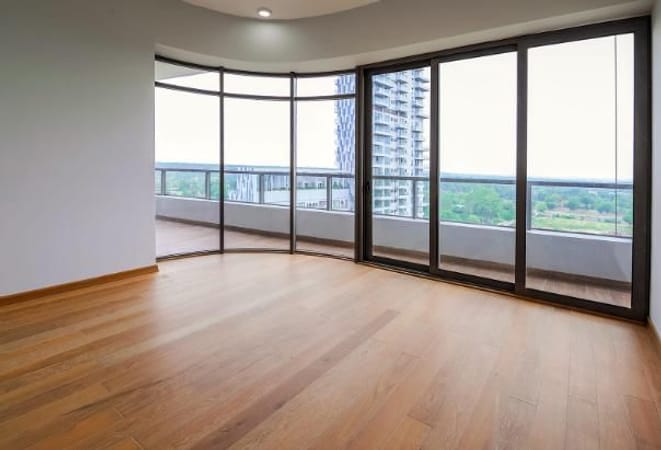
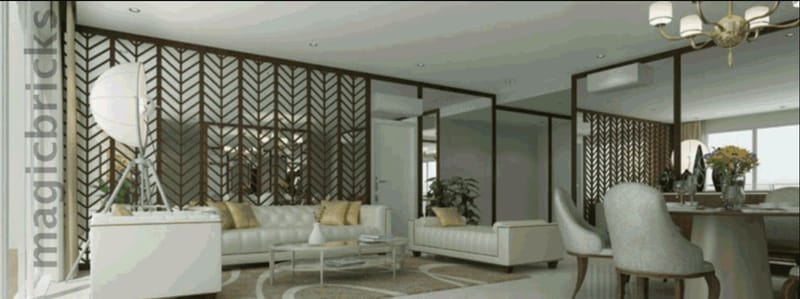
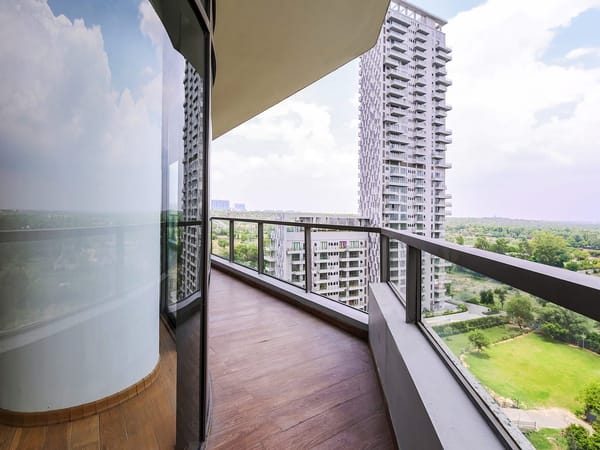
The residence is a masterclass in contemporary interior design, featuring art-led spaces and floor-to-ceiling glass walls that overlook a lush, designer golf course. However, the appeal for a founder like Gupta extends beyond the apartment walls. Camellias offers a "hospitality-led" ecosystem. With a clubhouse that rivals five-star resorts, private chef services, and highly curated social circles, the property serves as a networking hub for India’s corporate elite.
The choice of Gurugram reflects the city’s evolution from a satellite town to a global business hub. For tech and consumer-brand founders, the proximity to corporate headquarters and the Indira Gandhi International Airport makes DLF Camellias a strategic choice for high-velocity lifestyles.
The "Quiet Luxury" Trend: Azhar Iqubal at Paras Quartier
Azhar Iqubal, the co-founder of InShorts, represents the younger cohort of Sharks. His association with Paras Quartier in Gwal Pahari (on the Gurugram-Faridabad Road) highlights a growing preference for "Quiet Luxury"—homes that are removed from the urban din but remain hyper-connected.
Low-Density Living
Paras Quartier is distinguished by its low-density planning. Spread across 10 acres with a limited number of residences, the project is anchored by the "Iconic Tower," a structure that offers 270-degree views of the Aravalli Valley. Iqubal’s residence features 4 BHK layouts with a dedicated study, private elevator access, and panoramic balconies.
The Wellness Pivot
The shift to Gwal Pahari signifies a move toward wellness. Unlike the dense high-rises of central Gurugram, this area offers cleaner air and a more serene environment. For the modern entrepreneur, the home has become a sanctuary for mental health, featuring "Aravalli-facing" views that provide a psychological respite from the high-pressure world of venture capital.
Vertical Prestige: Anupam Mittal and the South Mumbai Heritage
While the North leans toward expansive golf estates, Mumbai’s luxury market remains defined by its verticality and historical prestige. Anupam Mittal, the founder of Shaadi.com and People Group, maintains his residence in the Mehr-Naz Apartments at Cuffe Parade.
The Geography of Exclusivity
Cuffe Parade is one of the world’s most expensive pieces of real estate. Unlike the newer "suburban" luxury of Gurugram, Mittal’s home is situated in the "Old Money" heart of South Mumbai. The residence is celebrated for its expansive sea-facing views, a rare commodity in India’s financial capital.
Urban Centrality
For Mittal, the luxury is defined by "Centrality." The ability to be minutes away from Nariman Point (the traditional business district) while enjoying the tranquility of the Arabian Sea represents the pinnacle of Mumbai living. The interiors of his home, often glimpsed on social media, showcase a blend of modern minimalism with the grand proportions typical of South Mumbai’s premium mid-century developments.
The Villa Renaissance: Namita Thapar and the Pune Suburban Model
Namita Thapar, Executive Director of Emcure Pharmaceuticals, offers a different perspective on luxury. Her residence in Baner, Pune, represents the "Suburban Villa" model that is gaining traction among senior professionals and business families who prioritize space over verticality.
The Appeal of Baner
Baner has emerged as Pune’s premier residential destination due to its proximity to the Hinjewadi IT park and its relatively high green cover. Thapar’s residence is a luxury villa that emphasizes independent living.
Privacy and Openness
Unlike the apartment-style living of Gupta or Mittal, Thapar’s home features large private gardens and independent layouts. This "villa-style" luxury is indicative of a trend in Tier-2 and emerging Tier-1 cities where land availability allows for a more traditional sense of a "manor" or "estate." For Thapar, the home is a family-oriented environment that integrates wellness—exemplified by her dedicated yoga spaces and lush green lawns.
Expert Analysis: Why These Choices Matter
Industry experts suggest that the residential choices of these founders are leading indicators for the rest of the market.
"The Shark Tank judges are not just buying homes; they are buying ‘time’ and ‘ecosystems’," says a senior consultant at a leading real estate firm. "Whether it is Aman Gupta’s access to the Camellias’ concierge or Namita Thapar’s private garden in Pune, the focus is on reducing friction in daily life and maximizing personal well-being."
Common Themes Across the "Shark" Residences:
- The "Study" as a Command Center: Every home features high-tech home offices or libraries, reflecting the permanent shift toward hybrid work for top-tier executives.
- Biophilic Design: Whether it’s the Aravallis in Gurugram or the Sea in Mumbai, a connection to nature is a non-negotiable luxury.
- Security and Privacy: Private elevators, gated entries, and high-level surveillance are standard, reflecting the need for privacy as these founders become public figures.
Official Responses and Market Implications
Developers are taking note of these preferences. DLF, Paras Buildtech, and other luxury developers have reported a surge in inquiries for "founder-style" homes.
Official Market Trends for 2025-2026:
- Inventory Shifts: Developers are moving away from 2BHK and 3BHK formats in premium pockets, focusing exclusively on "Palatial 4BHKs" and Penthouses.
- The "Clubhouse" Arms Race: Modern luxury projects are now expected to include co-working spaces, cigar lounges, and temperature-controlled pools as standard amenities.
- Sustainability: High-end buyers are increasingly asking for LEED-certified buildings, solar integration, and advanced water recycling systems.
The Broader Implications: A Changing Urban Fabric
The luxury homes of the Shark Tank judges are a microcosm of India’s evolving urban fabric. They represent a departure from the "conspicuous consumption" of the past—where luxury was merely about gold leaf and marble—toward a more "functional luxury" that prioritizes space, air quality, and community.

As India’s startup ecosystem continues to mature, the demand for these "Lifestyle Residences" is expected to outpace the general housing market. The concentration of wealth in the hands of tech-savvy, globally-traveled founders is creating a new architectural language in India—one that is contemporary, wellness-driven, and unapologetically ambitious.
In conclusion, while the "Sharks" may compete for the best deals on television, their real estate choices show a remarkable alignment in vision: a preference for homes that offer a sanctuary from the hustle, a statement of their success, and a platform for their next big venture.
Disclaimer: This report is based on industry data, public records, and architectural reviews. Real estate values and ownership details are subject to market fluctuations and private transactions. Readers are advised to conduct independent research before making investment decisions.
