

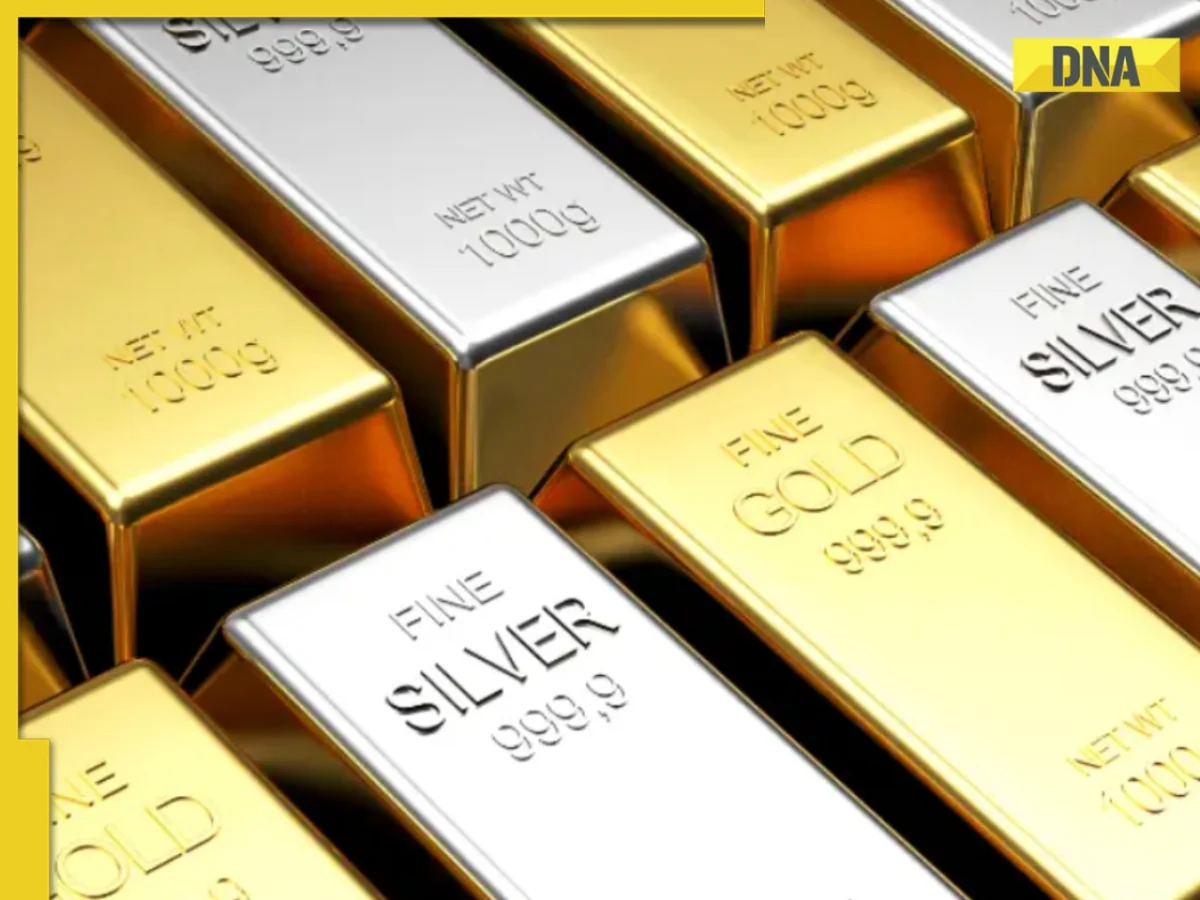
NEW DELHI – June 24, 2026 – India’s enduring fascination with gold and silver continues to intertwine with the intricate threads of global economic dynamics. As of June 24, 2026, the prices of these revered precious metals reflect a complex interplay of international market trends, robust local demand, and fluctuating currency exchange rates. The current landscape presents a nuanced picture for investors, consumers, and the vast jewellery industry alike, with gold experiencing a slight uptick driven by inflationary pressures and sustained global interest, while silver maintains its position as a versatile industrial and investment asset.
Current Market Snapshot: Main Facts
Today, the Indian bullion market observes notable figures for both gold and silver. Twenty-four karat gold (999 purity), often considered the benchmark for investment, is priced at Rs 14,459 per gram. For jewellery enthusiasts and traditional buyers, 22-karat gold, which contains 91.67% pure gold, stands at Rs 13,254 per gram. This slight increase in gold prices underscores the metal’s role as a reliable hedge against economic uncertainties and a favored store of value in a volatile global climate.
Silver, a metal with significant industrial utility alongside its ornamental appeal, is trading at approximately Rs 2,44,900 per kilogram for 999 purity. Sterling silver (925 purity), popular for jewellery and silverware, is marginally higher at Rs 2,45,900 per kilogram. The divergent trends and specific pricing for different purities highlight the diverse applications and market segments for these metals.
A Look Back: Chronology of Price Influencers
The journey of gold and silver prices to their current levels on June 24, 2026, has been shaped by a confluence of macroeconomic and geopolitical events over the preceding months and even years. Precious metals have historically served as barometers of economic health and investor sentiment, and recent trends underscore this role.
)
The Inflationary Undercurrent
Over the past year, global economies have grappled with persistent inflationary pressures, a primary driver for the recent uptick in gold prices. Central banks worldwide, including the Reserve Bank of India (RBI), have navigated a delicate balance between controlling inflation through monetary tightening and supporting economic growth. While some economies have shown signs of cooling, the lingering threat of inflation has prompted investors to seek safe-haven assets, with gold consistently emerging as a top choice. This sustained demand, particularly from institutional investors and central banks adding to their reserves, has provided a firm floor for gold prices.
Geopolitical Tensions and Global Uncertainty
The period leading up to mid-2026 has not been devoid of geopolitical flashpoints. Regional conflicts, trade disputes, and political instabilities in various parts of the world have intermittently fuelled risk aversion among investors. During such times, the appeal of gold, often perceived as the ultimate safe haven, intensifies. Each escalation or de-escalation of global tensions has sent ripples through the bullion markets, contributing to the metal’s dynamic pricing.

The Dollar’s Dominance and Currency Fluctuations
The strength or weakness of the US Dollar against major currencies, particularly the Indian Rupee, remains a critical determinant for gold prices in India. Gold is typically denominated in US Dollars in international markets. A stronger dollar makes gold more expensive for holders of other currencies, potentially dampening demand, while a weaker dollar has the opposite effect. The USD-INR exchange rate has seen its own fluctuations, influenced by India’s trade balance, foreign investment inflows, and the RBI’s currency management policies. These movements directly translate into local gold prices, adding another layer of complexity for Indian buyers.
Shifting Central Bank Policies
The monetary policies adopted by major central banks, particularly the US Federal Reserve, the European Central Bank, and the Bank of Japan, have had a profound impact. Decisions regarding interest rates, quantitative easing, or tightening measures significantly influence the opportunity cost of holding non-yielding assets like gold. When interest rates are low, gold becomes more attractive as it doesn’t face competition from high-yield bonds. Conversely, rising rates can make gold less appealing. The gradual shifts in these policies have created an environment where gold’s value is constantly re-evaluated by the market.
)
Silver’s Dual Role
Silver’s journey has been somewhat distinct due to its dual identity as both a precious metal and an industrial commodity. While it benefits from the same safe-haven appeal as gold during times of uncertainty, its price is also heavily influenced by industrial demand from sectors such as electronics, solar panels, and electric vehicles. The global push towards green energy and technological advancements has provided a structural tailwind for silver demand, balancing out the traditional investment demand. Recent supply chain disruptions and surges in manufacturing activity have often led to sharp movements in silver prices, sometimes outpacing gold’s gains.
Supporting Data: A Detailed Analysis
Understanding the current prices requires delving deeper into the specific factors at play, from global benchmarks to granular city-wise variations.
)
Global Gold Benchmarks and Their Impact
International gold prices are primarily set on exchanges like COMEX (New York) and through the London Bullion Market Association (LBMA). These global benchmarks, expressed in US Dollars, serve as the foundation upon which local prices are built. India, being one of the largest importers of gold, is highly susceptible to these international movements. When global prices fluctuate, Indian prices adjust almost instantaneously, factoring in the prevailing USD-INR exchange rate and import duties.
Domestic Demand: The Indian Phenomenon
India’s affinity for gold is deeply embedded in its cultural, religious, and economic fabric. Gold is not merely an ornament; it is an investment, a symbol of wealth, and an essential component of traditional rituals.
)
- Festive and Wedding Seasons: A significant portion of India’s gold demand is seasonal, peaking during auspicious festivals like Diwali, Akshaya Tritiya, and the extensive wedding season. These periods witness heightened purchasing activity, often leading to temporary spikes in local prices due to increased demand.
- Rural Demand: Rural India, where access to formal financial instruments may be limited, often views gold as a primary form of savings and a hedge against agricultural uncertainties. Monsoons and crop yields can therefore indirectly influence gold demand from these regions.
- Investment Demand: Beyond traditional jewellery, an increasing number of Indians are investing in gold through various forms, including physical bullion (coins, bars), gold exchange-traded funds (ETFs), and the government’s Sovereign Gold Bonds (SGBs). This diversified investment demand contributes to the overall market liquidity and price stability.
The Role of Import Duties and Government Policies
The Indian government’s policies, particularly import duties on gold and silver, play a crucial role in determining domestic prices. Any alteration in these duties directly impacts the landed cost of precious metals, which is then passed on to consumers. Furthermore, initiatives like mandatory hallmarking for gold jewellery aim to ensure purity and build consumer trust, indirectly influencing market dynamics by standardizing quality.
Gold Purity Explained: 24K vs. 22K
- 24K Gold (999 Purity): This is the purest form of gold, containing 99.9% pure gold. It is typically used for investment purposes in the form of coins and bars due to its malleability, which makes it less suitable for intricate jewellery that requires durability.
- 22K Gold (91.67% Purity): Commonly known as ‘hallmarked gold,’ this purity contains 91.67% gold and the remaining 8.33% consists of other metals like copper or silver. These alloys make the gold harder and more durable, ideal for crafting jewellery. The price difference between 24K and 22K gold reflects this purity variation.
Silver’s Industrial Backbone
While silver shares gold’s safe-haven characteristics, its price is significantly bolstered by industrial demand. Silver is a critical component in:
)
- Electronics: Used in switches, contacts, and conductors due to its excellent electrical conductivity.
- Solar Energy: A key material in photovoltaic cells for solar panels.
- Photography: Though less prominent now, it historically played a vital role in photographic film.
- Medical Applications: Used in various medical devices and antimicrobial agents.
- Jewellery and Silverware: Remains a popular choice for ornaments and household items, especially in regions where silver traditions are strong.
The global economic outlook and the health of manufacturing sectors, particularly in technologically advanced economies, are therefore paramount to silver’s price trajectory.
City-Wise Rates: Understanding the Variations
The provided city-wise rates illustrate minor but consistent differences across major Indian metropolitan areas. These variations are typically attributable to:
)
- Local Taxes: State-specific taxes (e.g., GST on making charges, local levies) can cause slight price discrepancies.
- Transportation Costs: The logistics of moving bullion from ports of entry to different cities add to the final cost.
- Regional Demand Patterns: Localized demand, often influenced by regional festivals, cultural practices, or economic prosperity, can create micro-market price differences.
Gold Prices on June 24, 2026 (Per Gram):
| City | 24K Gold (Rs) | 22K Gold (Rs) |
|---|---|---|
| Mumbai | 14,459 | 13,254 |
| Delhi | 14,474 | 13,269 |
| Kolkata | 15,459 | 13,254 |
| Chennai | 15,792 | 13,559 |
Note: The higher prices in Kolkata and Chennai compared to Mumbai and Delhi suggest stronger regional demand or potentially higher local levies for those specific locations on this date.
)
Silver Prices on June 24, 2026 (Per 10 Grams, 999 Purity):
| City | Silver 999 (Rs) |
|---|---|
| Mumbai | 2,449 |
| Delhi | 2,449 |
| Kolkata | 2,449 |
| Chennai | 2,499 |
Note: Similar to gold, Chennai shows a slightly higher silver price, indicating regional market dynamics at play.
)
Expert Perspectives and Official Responses
The current market sentiment around precious metals is often shaped by the analysis and outlook provided by leading economists, market strategists, and industry bodies.
Economists Weigh In
"The slight increase in gold prices today is a testament to its enduring appeal as an inflation hedge," commented Dr. Alok Sharma, a Senior Economist at a prominent Indian financial institution. "Despite global efforts to tame inflation, the underlying pressures from supply chain issues and robust consumer demand persist. Investors are clearly diversifying into gold to protect their portfolios against potential erosions in purchasing power. We anticipate gold to remain well-supported as long as inflation concerns linger and geopolitical stability remains elusive."
)
Another analyst, Ms. Priya Singh, Head of Commodities Research at a leading brokerage, highlighted silver’s unique position: "Silver’s performance is a fascinating blend of investment and industrial demand. While it benefits from the same safe-haven sentiment as gold, its significant role in emerging technologies like solar and electric vehicles provides a strong fundamental demand floor. Any slowdown in global manufacturing could exert downward pressure, but the long-term outlook for industrial silver remains robust given the global transition towards green energy."
Industry Voices
The All India Gem and Jewellery Domestic Council (GJC) expressed cautious optimism. "The current price levels, while slightly elevated, are not deterring genuine buyers, especially with the upcoming festive season planning already underway," stated Mr. Rajesh Mehta, a GJC spokesperson. "We’ve seen steady demand for 22K jewellery, reflecting consumer confidence in gold as both an asset and an adornment. The industry is adapting to price fluctuations by offering diverse product ranges and attractive schemes."
)
Regulatory Oversight
While the Reserve Bank of India (RBI) does not directly control gold and silver prices, its monetary policy decisions have indirect effects. The RBI’s stance on interest rates, its management of foreign exchange reserves, and its interventions in the currency market all influence the USD-INR exchange rate, which in turn affects local bullion prices. The government’s continued focus on formalizing the gold trade through initiatives like hallmarking and encouraging digital gold investments also contributes to a more transparent and stable market environment.
Implications and Future Outlook
The current price trends and underlying market dynamics carry significant implications for various stakeholders, from individual investors and consumers to the broader Indian economy.
)
For Investors: A Diversification Anchor
For investors, gold and silver continue to serve as crucial diversification tools. In an era marked by fluctuating equity markets and uncertain bond yields, precious metals offer a tangible asset that often moves inversely to traditional financial instruments. Gold, in particular, acts as a reliable store of value during periods of economic downturn or heightened inflation. Investors are advised to consider their risk appetite and investment horizon, with experts often recommending a modest allocation (5-15%) of one’s portfolio to precious metals for portfolio stability. The rise of digital gold and Sovereign Gold Bonds also provides avenues for investment without the challenges of physical storage.
For Consumers: Navigating the Cultural Significance
Indian consumers, deeply rooted in traditions involving gold and silver, face the challenge of balancing cultural imperatives with prevailing market prices. While higher prices may deter some discretionary purchases, the intrinsic value and auspiciousness associated with these metals ensure sustained demand, particularly during key life events like weddings and religious festivals. Consumers are increasingly becoming price-sensitive, often comparing rates across cities and exploring options like buying lighter jewellery or opting for silver as an alternative.
)
Economic Impact: The Import Bill
India’s substantial reliance on gold imports significantly impacts its current account deficit. High international gold prices coupled with robust domestic demand can inflate the import bill, putting pressure on the Rupee. The government closely monitors these trends, sometimes implementing measures like duty adjustments to manage the flow of precious metals into the country. A balanced approach is crucial to support the jewellery industry while maintaining macroeconomic stability.
Short-to-Medium Term Outlook
Looking ahead, several factors are poised to shape the trajectory of gold and silver prices:
)
- Global Economic Recovery vs. Recession Fears: A strong and sustained global economic recovery could temper gold’s safe-haven appeal, potentially leading to some price moderation. Conversely, any signs of a global recession or significant economic slowdown would likely bolster gold prices further.
- Inflationary Trajectory: The persistence or abatement of global inflation will be a primary driver. If inflation remains sticky, gold will likely continue its upward march. If central banks successfully bring inflation under control without triggering a severe downturn, some of gold’s lustre might fade.
- Interest Rate Environment: The future path of interest rates by major central banks will be critical. Sustained high-interest rates could increase the opportunity cost of holding gold, while rate cuts would make it more attractive.
- Geopolitical Stability: Continued geopolitical tensions will ensure a floor for gold prices, as investors seek refuge from uncertainty.
- Industrial Demand for Silver: The growth of renewable energy sectors (solar) and electric vehicles will be crucial for silver’s industrial demand. Government incentives and technological advancements in these areas will directly impact silver’s price.
In conclusion, as India navigates the complex interplay of global and domestic forces, gold and silver remain more than just commodities. They are integral to its culture, economy, and investment landscape. The current prices on June 24, 2026, serve as a snapshot of this intricate relationship, reflecting a market that is both resilient and highly responsive to the world around it. Investors and consumers alike must remain informed and agile to make judicious decisions in this ever-evolving precious metals market.
