

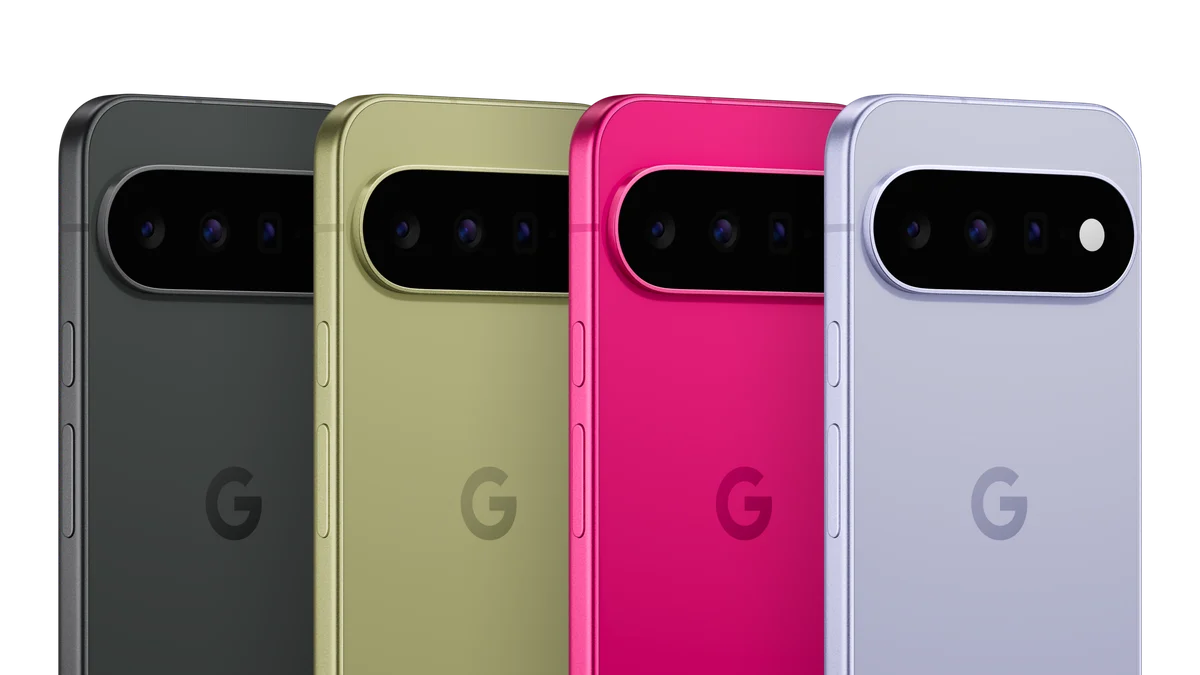
NEW DELHI, India – August 12, 2026 – In a highly anticipated global launch event, Google today officially pulled back the curtain on its latest flagship smartphone lineup, the Pixel 11, Pixel 11 Pro, and Pixel 11 Pro XL, alongside the next generation of its wearable technology, the Pixel Watch 5. The unveiling, keenly watched by tech enthusiasts and industry analysts alike, signals Google’s unwavering commitment to the premium hardware segment, cementing its vision for an AI-first future deeply integrated across its device ecosystem.
Launched simultaneously in key markets, including India, the new Pixel 11 series immediately distinguishes itself with groundbreaking commitments to software longevity, promising an unprecedented seven years of OS updates and security patches. This bold move, coupled with the introduction of Google’s self-developed 2nm Tensor G6 silicon, positions the Pixel 11 family as not just powerful smartphones, but long-term intelligent companions designed to evolve with their users. The Pixel Watch 5, boasting significant upgrades in display technology, battery life, and processing power, further solidifies Google’s push for a cohesive, AI-driven personal technology experience.
The standard Pixel 11 kicks off the series with a starting price of ₹89,999, while the Pixel 11 Pro will retail from ₹1,19,999. The top-tier Pixel 11 Pro XL commands a premium at ₹1,34,999. All devices are available for pre-order via the Google Store and select retail partners, with general availability commencing on August 20, 2026. This launch underscores Google’s strategic emphasis on delivering a premium, secure, and future-proof Android experience, challenging traditional market leaders with a compelling blend of cutting-edge hardware and unparalleled software support.
Chronology of Innovation: Tracing the Pixel’s Evolution to the 11th Generation
Google’s journey into hardware has been a fascinating and iterative process, marked by a steadfast belief in the synergy between software and silicon. The Pixel 11 series and Watch 5 are not merely new products; they are the culmination of years of strategic development, refining a vision that began with the Nexus program and truly took flight with the inaugural Pixel smartphone.
A Legacy of Software-First Devices
The roots of the Pixel line can be traced back to Google’s Nexus devices, which served as reference hardware for Android’s evolution. However, it was with the first Google Pixel in 2016 that the company truly began to assert its own hardware identity, focusing on a "software-first" approach. The early Pixels were lauded for their exceptional computational photography, delivering industry-leading camera performance through sophisticated algorithms rather than sheer sensor size alone. This philosophy laid the groundwork for Google’s unique selling proposition: an unadulterated Android experience, enriched by Google’s cutting-edge AI and machine learning capabilities.
A pivotal moment arrived with the Pixel 6 series in 2021, which introduced the first-generation Tensor chip. This marked a significant departure from relying solely on third-party silicon, allowing Google to custom-design a processor specifically optimized for its AI workloads. Each subsequent generation of Tensor – G2, G3, G4, and G5 – progressively enhanced on-device AI capabilities, from advanced speech recognition and real-time translation to more sophisticated image processing and personalized user experiences. The Tensor G6 in the Pixel 11 series is the latest iteration of this strategic commitment, now built on an advanced 2nm process, promising unparalleled efficiency and intelligence.
Concurrently, the Android operating system itself has undergone a dramatic transformation. From its humble beginnings, it has evolved into a sophisticated, feature-rich platform. The Pixel 11 series ships with Android 17, a testament to years of continuous refinement, focusing on privacy, security, user interface improvements, and deeper integration with Google’s AI services, particularly Gemini. This tight vertical integration between hardware and software has always been the Pixel’s core strength, enabling optimizations and features that are often impossible on devices running generic Android.
The Pixel Watch line, though a more recent addition, follows a similar trajectory. Launched a few years prior, the Pixel Watch aimed to provide a seamless Wear OS experience, integrating Google Assistant, Fitbit health tracking, and Google Pay into a stylish form factor. The Pixel Watch 5, therefore, represents a maturation of this wearable vision, addressing feedback from previous generations and pushing the boundaries of what a Google-branded smartwatch can achieve within its tightly integrated ecosystem.
The Road to August 12, 2026
The anticipation surrounding the Pixel 11 series and Pixel Watch 5 had been building for months. Industry insiders and leakers had hinted at significant upgrades, particularly concerning Google’s custom silicon and an extended software support policy. These rumors fueled excitement, especially among Android enthusiasts and those looking for a premium device with long-term viability. Speculation around the Tensor G6’s performance, the camera array’s enhancements, and the potential for new AI-driven features kept the tech world abuzz.
Google, known for its meticulously orchestrated product launches, built up to the August 12 event with subtle teasers and developer previews, showcasing snippets of Android 17’s capabilities and hinting at a "more intelligent Pixel than ever before." The launch event itself, a hybrid of virtual presentations and localized physical demonstrations in key markets like India, was designed to emphasize the global reach and strategic importance of these new devices. The immediate aftermath has seen analysts dissecting every specification and pricing detail, assessing Google’s competitive positioning and the potential ripple effects of its audacious 7-year update pledge.
Supporting Data: Deep Dive into the Pixel 11 Series and Watch 5 Specifications
The specifications of the Pixel 11 series and Pixel Watch 5 reveal Google’s meticulous attention to detail, balancing raw power with user-centric design and groundbreaking software integration. Each component has been chosen or custom-developed to deliver a superior, intelligent, and durable experience.
The Powerhouse Core: Tensor G6 and Longevity Commitment
At the heart of every Pixel 11 device lies the Tensor G6, Google’s latest custom-designed System-on-a-Chip (SoC). Built on a cutting-edge 2nm fabrication process, the Tensor G6 represents a significant leap in performance and power efficiency. This advanced node allows for a denser packing of transistors, leading to faster processing speeds, improved graphics rendering, and, crucially, more potent on-device AI capabilities with reduced energy consumption. The G6 is engineered specifically to accelerate Google’s machine learning models, powering features from real-time language processing and advanced computational photography to personalized user experiences and enhanced security. This vertical integration allows Google to extract maximum performance from its hardware, creating a seamless and responsive user interface that is deeply intertwined with its AI services.
Complementing the Tensor G6 is the Titan M3 security co-processor. This dedicated hardware chip acts as a fortified vault for sensitive data, protecting everything from biometric information and encryption keys to secure boot processes. The Titan M3 significantly enhances the device’s resilience against physical attacks and software vulnerabilities, providing a robust foundation for enterprise-grade security and ensuring user privacy.
Perhaps the most disruptive feature across the Pixel 11 series is Google’s unprecedented commitment to seven years of OS updates and seven years of security patches. This goes far beyond the industry standard, which typically offers 3-4 years of OS updates and 5 years of security patches. This commitment not only extends the usable lifespan of the devices significantly, offering exceptional value to consumers, but also addresses growing concerns about electronic waste and sustainability. It transforms the Pixel into a long-term investment, ensuring that users will continue to receive the latest Android features and critical security fixes for nearly a decade.
In terms of raw capacity, the Pixel 11 lineup offers up to 16 GB RAM and 512 GB of internal storage in India. This ample memory ensures fluid multitasking and allows for demanding applications to run without a hitch, while the generous storage caters to vast photo libraries, high-resolution videos, and a multitude of apps, eliminating the need for constant data management.
Pixel 11: The Foundation of Flagship Experience
The base model, the Pixel 11, sets a high standard for the series. It features a vibrant 6.3-inch Actua display with an adaptive refresh rate ranging between 60 to 120 Hz, ensuring smooth scrolling and responsive visuals while conserving battery life when static content is displayed. With a staggering 3,000 nits peak brightness, the screen offers exceptional outdoor visibility and delivers stunning HDR content.
Powering the Pixel 11 is a robust 4,985 mAh battery, supported by 30W fast wired charging and 25W wireless charging. This combination ensures respectable endurance for a full day’s use and quick top-ups when needed.
Photography on the Pixel 11 is handled by a versatile triple-camera system: a 48 MP main camera for crisp, detailed shots, a 13 MP ultrawide lens to capture expansive scenes, and a 10.8 MP telephoto lens for optical zoom capabilities. The front-facing camera, a 10.5 MP sensor, is optimized for high-quality selfies and video calls. Google’s renowned computational photography algorithms are expected to further enhance these hardware capabilities, delivering consistent, stunning results across various lighting conditions.
The device maintains Google’s commitment to durability with an IP68 rating for dust and water protection and is shielded by Corning Gorilla Glass Victus 2. It will be available in an appealing range of colors: Frost, Pistachio, Hibiscus, and Obsidian.
Pixel 11 Pro: Elevating the Premium Segment
Stepping up to the Pixel 11 Pro brings a host of enhancements, particularly in the display and camera departments. It boasts a 6.3-inch Super Actua LTPO OLED display, which takes adaptability to the next level with a refresh rate that can dynamically scale from an incredibly efficient 1 Hz all the way up to 120 Hz. This LTPO technology significantly improves power efficiency while providing a butter-smooth visual experience. The Pro model also pushes peak brightness to an astounding 3,600 nits, offering even greater clarity and vibrancy under direct sunlight.
The Pixel 11 Pro is equipped with a 4,850 mAh battery, supported by the same 30W wired and 25W wireless charging as the base model. While slightly smaller than the Pixel 11’s battery, the efficiency of the LTPO display and Tensor G6 is expected to maintain comparable endurance.
The camera system on the Pro model is significantly upgraded, featuring a powerful 50 MP main camera, a high-resolution 48 MP ultrawide lens, and a dedicated 48 MP telephoto lens with 5x optical zoom. This comprehensive setup allows for professional-grade photography across a wide range of focal lengths. For selfies, a high-fidelity 42 MP front camera ensures exceptional detail.
A unique and innovative feature exclusive to the Pro and Pro XL models is HiLight, an array of LED lights subtly built around the camera flash. This intelligent lighting system serves as a visual notifier for incoming calls and, more notably, provides subtle cues and interactions with Google’s AI assistant, Gemini, offering a new dimension of ambient interaction without needing to constantly look at the screen.
Durability is further enhanced on the Pro models with an anti-scratch coating applied over the Corning Gorilla Glass Victus 2, offering an extra layer of protection. The Pixel 11 Pro will be available in sophisticated matte finishes: Canyon, Olive, Fog, and Obsidian.

Pixel 11 Pro XL: The Ultimate Android Powerhouse
For users demanding the ultimate screen real estate and battery life, the Pixel 11 Pro XL delivers. It features a sprawling 6.8-inch Super Actua LTPO OLED display with a consistent 120 Hz refresh rate and the same impressive 3,600 nits peak brightness as the Pro model, offering an incredibly immersive viewing experience ideal for multimedia consumption and productivity.
The Pro XL houses a substantial 5,115 mAh battery, designed to easily last beyond a full day of heavy use. It also benefits from faster 45W wired charging and retains 25W wireless charging, minimizing downtime.
The camera system on the Pro XL mirrors that of the Pro model: a 50 MP main camera, a 48 MP ultrawide lens, and a 48 MP telephoto lens with 5x optical zoom, ensuring consistent, high-quality photography across the premium lineup. The 42 MP selfie camera also remains consistent. Like the Pro, the XL model includes the innovative HiLight LED array and benefits from the anti-scratch coating. It shares the same premium matte color options: Canyon, Olive, Fog, and Obsidian.
Pixel Watch 5: Google’s Smartwatch Evolution
Complementing the Pixel 11 series, the Pixel Watch 5 represents a significant step forward for Google’s wearable platform. Available in two dial sizes, 41mm and 45mm, it features an advanced Actua 360 display protected by robust Gorilla Glass 5. The display boasts an impressive 3,000 nits peak brightness, ensuring readability even in direct sunlight, and supports Always-On Display (AOD) with up to a 60 Hz refresh rate for smooth animations and information delivery.
Google claims a battery life of 30 hours for the 41mm model and 40 hours for the 45mm model, powered by a 465 mAh battery. This represents a notable improvement, addressing one of the common pain points of earlier smartwatches.
Under the hood, the Pixel Watch 5 runs on the Qualcomm Snapdragon W5 Gen 2 Accelerated processor, a chipset optimized for wearables that delivers enhanced performance and efficiency for WearOS. With 64 GB of internal storage, users have ample space for apps, music, and offline content. The watch operates on WearOS 7.0, Google’s latest wearable operating system, which brings further refinements in user interface, health tracking integration (including deeper Fitbit functionality), and smart assistant capabilities.
Durability is a key focus, with the Pixel Watch 5 carrying an IP68 rating for dust and water resistance and capable of withstanding up to 5 ATM pressure, making it suitable for swimming and other water-based activities. It comes in a stylish range of colors: Obsidian, Fog, Olive, and Canyon, allowing for personal expression.
Official Responses and Market Positioning
Google’s executives have been vocal about the strategic importance of the Pixel 11 series and Pixel Watch 5, framing them as a testament to the company’s long-term vision for ambient computing and personal AI.
Google’s Vision: AI, Security, and Longevity
Speaking at the launch, Sundar Pichai, CEO of Google and Alphabet, emphasized the foundational role of AI in the new devices. "With the Tensor G6 and Android 17, the Pixel 11 isn’t just a phone; it’s your most intelligent companion yet," Pichai stated. "It’s designed to understand, anticipate, and assist you seamlessly, making every interaction more intuitive and personal, powered by the incredible capabilities of Gemini directly on your device."
Rick Osterloh, Senior Vice President of Devices & Services, highlighted the groundbreaking commitment to software support. "Seven years of OS and security updates is a promise we’re incredibly proud to make," Osterloh commented. "It reflects our dedication to sustainability, to providing enduring value to our customers, and to ensuring that your Pixel remains secure and cutting-edge for longer than any other smartphone on the market. This isn’t just about extending the life of your device; it’s about extending its intelligence and relevance in a rapidly evolving digital world, all underpinned by the Titan M3 for unparalleled security." He also touched upon the Indian market’s significance, "India is a crucial market for Google, and we are thrilled to bring our latest innovations here, ensuring that our users have access to the best of Google’s hardware and AI."
The introduction of HiLight on the Pro models was presented as a subtle yet powerful innovation in human-computer interaction. "HiLight offers a new, ambient way to interact with your phone and Gemini," explained a Google product manager. "It’s about providing useful information and gentle notifications without demanding your full attention, integrating the digital world more seamlessly into your physical environment."
Competitive Landscape and Pricing Strategy
The Pixel 11 series enters a fiercely competitive premium smartphone market, dominated by Apple’s iPhone and Samsung’s Galaxy S and Foldable lines. Google’s pricing strategy, starting at ₹89,999 for the Pixel 11 and soaring to ₹1,34,999 for the Pro XL, firmly positions these devices at the high end, directly competing with the latest offerings from its rivals.
However, Google is banking on its unique selling propositions to carve out its niche. The 7-year update policy is a significant differentiator, offering a value proposition that no major competitor currently matches. This long-term commitment could sway consumers who prioritize longevity and sustained software support over frequent upgrades. The custom Tensor G6 chip, with its deep AI integration, also provides a distinct advantage in performance and intelligent features, differentiating the Pixel experience from other Android flagships that primarily rely on Qualcomm’s Snapdragon processors.
Analysts suggest that Google’s strategy is not necessarily to capture the largest market share, but rather to establish the Pixel as the definitive Android experience – a premium, secure, and intelligent device that showcases the full potential of Google’s AI and software ecosystem. The Pixel Watch 5, with its enhanced battery life and WearOS 7.0, further strengthens this ecosystem play, offering a cohesive experience for users invested in Google’s services. Pre-order incentives, likely including bundled offers with Pixel Buds or discounts on Google services, are expected to sweeten the deal for early adopters.
Implications: Shaping the Future of Mobile and Wearable Technology
The launch of the Pixel 11 series and Pixel Watch 5 carries significant implications, not just for Google’s hardware division, but for the broader mobile and wearable technology industry, influencing consumer expectations, industry standards, and even environmental considerations.
The Standard for Software Support
Google’s audacious commitment to seven years of OS and security updates is arguably the most impactful announcement. This move sets a new, incredibly high benchmark for software support in the smartphone industry. It places immense pressure on competitors like Apple and Samsung, who currently offer shorter support windows, to re-evaluate their own policies. If Google’s strategy proves successful in attracting and retaining customers, it could catalyze a paradigm shift across the industry, leading to longer device lifespans and a more sustainable tech cycle.
For consumers, this means an unprecedented level of value. Their investment in a Pixel 11 device will continue to pay dividends for nearly a decade, receiving the latest features, performance enhancements, and critical security patches. This could significantly extend typical upgrade cycles, reducing the perceived need for frequent device replacements and potentially easing financial burdens on users. From an environmental perspective, longer-lasting devices contribute to reducing electronic waste, aligning with growing global sustainability efforts.
AI at the Forefront: The Gemini Era
The Tensor G6, coupled with Android 17 and deep integration of Gemini, solidifies Google’s position as a leader in on-device AI. The ability to perform complex machine learning tasks directly on the device offers numerous advantages: enhanced privacy (as data processing often stays local), faster response times, and offline functionality for many AI features.
The HiLight LED array on the Pro models, designed for subtle notifications and Gemini interaction, hints at a future where AI assistants become even more ambient and integrated into our daily lives, moving beyond voice commands and screen interactions. Google’s advantage in integrating AI from the silicon level all the way up to the user interface positions the Pixel 11 as a true "intelligent phone," constantly learning and adapting to the user’s needs, enhancing everything from camera performance to battery optimization and personalized recommendations. This deep AI integration will likely push other manufacturers to accelerate their own on-device AI capabilities.
Ecosystem Integration and the Future of Wearables
The Pixel Watch 5 plays a crucial role in Google’s overarching strategy of building a seamless, interconnected ecosystem. With enhanced battery life, a powerful new processor, and the latest WearOS 7.0, the Watch 5 is poised to be a more compelling companion to the Pixel phones. Its tight integration with Google Assistant, Fitbit’s comprehensive health tracking features, and Google’s payment services creates a cohesive experience that rivals Apple’s walled garden.
This push towards a stronger wearable presence signals Google’s intent to capture a larger share of the health and fitness tech market, leveraging its AI expertise to provide insightful data and personalized recommendations. The synergy between the phone and watch—from notification handling to fitness tracking and smart home control—aims to make the Google ecosystem more indispensable for users.
Market Impact and Consumer Outlook
The Pixel 11 series, with its premium pricing, is clearly targeting the high-end segment. While Google might not aim for mass market dominance, its strategy is to attract discerning Android users who value cutting-edge AI, a pure Android experience, robust security, and, crucially, an unparalleled commitment to long-term software support. This could lead to a modest but significant shift in market share at the top tier, particularly among users considering an alternative to Samsung or even contemplating a switch from iOS due to the longevity promise.
The challenges remain formidable: intense competition, brand loyalty to established players, and the high price point in a globally saturated market. However, by doubling down on its strengths—AI, software integration, and now, unprecedented longevity—Google is making a bold statement. The Pixel 11 series and Pixel Watch 5 are not just product refreshes; they are a declaration of intent, positioning Google as a serious and innovative contender in the future of personal technology.
In conclusion, Google’s Pixel 11 series and Pixel Watch 5 represent a significant milestone in the company’s hardware journey. By marrying its custom Tensor G6 silicon with a commitment to seven years of software updates, Google has not only introduced a suite of highly capable devices but has also potentially redefined the expectations for smartphone longevity and value. These devices are more than just powerful gadgets; they are intelligent portals to Google’s AI-first future, promising a seamless, secure, and ever-evolving experience for years to come.
