

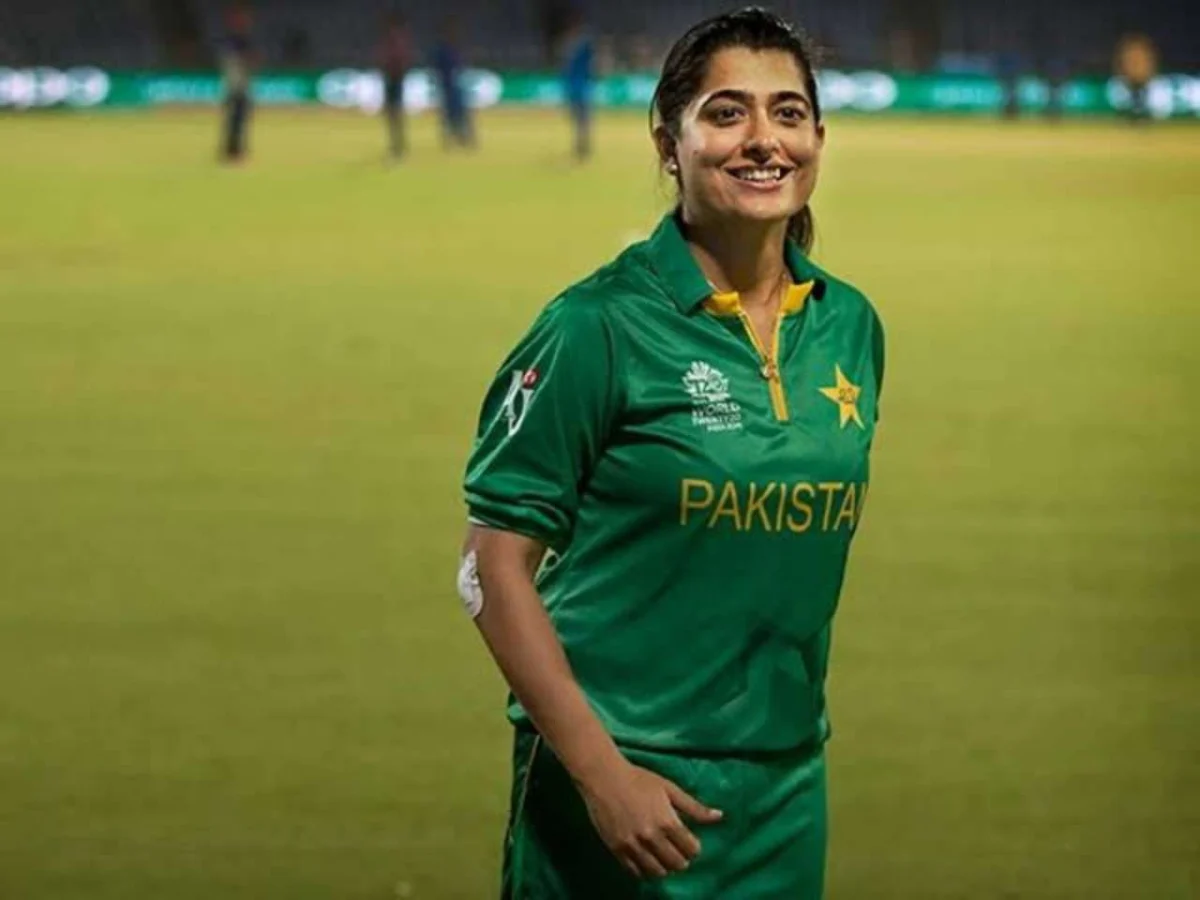
CRICKET — Karachi, Pakistan – In a powerful and impassioned address, former Pakistan women’s cricket captain Sana Mir has vehemently condemned the wave of sexist remarks and gender-based abuse directed at the national team following their disappointing campaign at the Women’s T20 World Cup 2026. Describing the intensity of the criticism as "unbearable" when it veers into personal attacks and gender stereotyping, Mir has issued a stark call for fans and the wider public to shift from vitriolic abuse to constructive support, emphasizing the profound societal implications of such a mindset.
The Pakistan women’s team, led by Fatima Sana, secured only one victory in their T20 World Cup journey, failing to advance beyond the group stage. While the performance itself has understandably drawn scrutiny from cricket enthusiasts, a disturbing undercurrent of gendered criticism has emerged, prompting Mir to speak out forcefully against what she perceives as a deeply ingrained double standard. Her intervention highlights a critical juncture for women’s sports in Pakistan, urging a re-evaluation of how female athletes are perceived and treated by a passionate, yet sometimes unforgiving, fan base.
Main Facts: A Call for Respect and Reflection
Sana Mir, a revered figure in Pakistani cricket, took to social media to voice her profound dismay at the nature of the backlash against the national women’s team. Her central message is a powerful indictment of the personal and gender-based attacks that have overshadowed legitimate cricketing analysis. She asserted that while performance-based criticism is an inherent part of professional sports, the current wave of abuse has crossed an unacceptable line, morphing into a wider societal issue rather than just a sporting one.
Mir explicitly challenged the prevalent double standards, questioning why women cricketers are disproportionately subjected to demeaning and sexist remarks that their male counterparts, despite similar performance slumps, rarely endure. She cited specific examples of derogatory comments, such as the infamous "make rotis, not play cricket" jibe, and condemned the spread of AI-generated malicious content and rumors targeting players and their families. For Mir, this pattern of abuse not only damages the confidence and mental well-being of the athletes but also reflects a deeper societal malaise that stifles women’s progress across all fields. Her plea is for a fundamental shift in mindset, advocating for empathy, support, and a focus on genuine cricketing discussion over gender-based prejudice.
)
Chronology of Events and Criticism
The narrative leading to Sana Mir’s intervention unfolds against the backdrop of Pakistan’s performance at the Women’s T20 World Cup 2026.
Pre-Tournament Expectations:
While not typically among the absolute favourites, the Pakistan women’s team often carries the hopes of a nation renowned for its passion for cricket. Fans and analysts would have anticipated a competitive showing, particularly with a blend of experienced players and emerging talent. The T20 format, known for its unpredictability, always offers a glimmer of hope for upsets and deep runs.

Tournament Performance:
Pakistan was placed in Group A, a challenging pool alongside cricketing powerhouses like India, Australia, and South Africa, all formidable contenders with deep rosters and extensive international experience. The team, captained by the promising Fatima Sana, struggled to find consistent form throughout the tournament. Despite their best efforts, they managed only a single victory, which came against the Netherlands, who finished at the bottom of the group. Key matches against the heavyweights resulted in losses, ultimately sealing their fate and preventing them from reaching the semi-finals. They concluded their campaign in fifth place within Group A.
Post-Tournament Reaction and Escalation of Criticism:
Immediately following their exit, the team faced an expected torrent of criticism regarding their performance. Fans expressed disappointment over the lack of competitive edge against stronger teams, the execution of strategies, and individual errors. This initial phase of criticism, though harsh, largely remained within the traditional boundaries of sporting commentary, focusing on technical aspects, fitness, and strategic decisions.
)
However, as days passed, a darker and more insidious form of criticism began to emerge, particularly on social media platforms. What started as legitimate critique swiftly devolved into personal attacks, misogynistic slurs, and gender-based abuse. Comments questioning the players’ presence in the sport, suggesting they belonged in domestic roles, or making derogatory remarks about their appearance or character became increasingly prevalent. The discourse moved away from the boundaries of the pitch and into deeply offensive territory, highlighting a disturbing trend of online harassment that disproportionately targets female athletes.
Sana Mir’s Intervention:
It was this escalation of gendered abuse that prompted Sana Mir to speak out. Recognizing the detrimental impact of such vitriol on the players and the broader image of women’s cricket, she released a powerful video on Instagram. Her intervention was timely, aiming to halt the spread of negativity and redirect the conversation towards respect and constructive engagement. Her use of a prominent platform like Instagram ensured that her message reached a wide audience, including a significant segment of the cricketing fan base. Her decision to address the issue head-on underscores the severity of the problem and her commitment to protecting the integrity and dignity of female athletes.
)
Supporting Data and Context
To fully grasp the weight of Sana Mir’s condemnation, it’s crucial to contextualize the team’s performance, the nature of the criticism, and the broader landscape of women’s cricket in Pakistan.
Performance Analysis: The Challenge of Group A
Pakistan’s campaign, while yielding only one win, must be viewed through the lens of their incredibly tough group. Group A featured India, Australia, and South Africa – three nations that consistently rank among the top teams in women’s cricket globally. Australia, in particular, has been a dominant force, often considered the benchmark. Competing against such high-caliber opposition, especially in the high-stakes environment of a World Cup, presents immense challenges for any team. While the team’s inability to register more wins or be more competitive against these giants is a point of concern, it also reflects the significant gap in resources, infrastructure, and perhaps even professional experience between Pakistan and these top-tier cricketing nations. The single win against the Netherlands, while not a grand achievement, showcased their ability to perform against teams of a similar standing. It’s important to analyze defeats not merely as failures but as learning experiences that highlight areas for improvement, without resorting to personal or gendered attacks.
)
The "Unbearable" Criticism: A Deeper Look at Misogyny
Sana Mir’s use of the term "unbearable" is a poignant descriptor for the nature of the criticism. It moves beyond mere disapproval of performance to outright misogyny. The "make rotis" comment she alluded to is a classic example of reducing women to stereotypical domestic roles, denying their agency and professional aspirations. Such remarks are not isolated incidents but often stem from deeply entrenched patriarchal views that question women’s place in public life, particularly in traditionally male-dominated arenas like professional sports.
Furthermore, Mir highlighted the sinister trend of AI-generated videos and the spread of rumors, often involving players’ families. This points to a malicious and technologically advanced form of harassment that aims to defame and intimidate. Such actions are not only ethically reprehensible but also constitute cyberbullying and, in some jurisdictions, criminal offenses. They are designed to inflict maximum personal damage, moving far beyond any legitimate critique of sporting performance. The focus shifts from the game to the person, specifically targeting their identity as a woman and often invading their privacy.
)
Historical Context of Women’s Cricket in Pakistan:
Women’s cricket in Pakistan has had a challenging but ultimately resilient journey. It officially gained recognition relatively late compared to some other cricketing nations, facing initial resistance and societal hurdles. Pioneers like Shaiza and Sharmeen Khan battled against cultural norms and lack of infrastructure to establish the game in the 1990s. The Pakistan Cricket Board (PCB) eventually took over its administration, leading to increased funding, better coaching, and more international exposure.
Despite these advancements, women’s cricket in Pakistan continues to operate with fewer resources and less public visibility than its male counterpart. Players often come from diverse socio-economic backgrounds, making significant personal sacrifices to pursue their passion. Achievements, such as qualifying for World Cups and occasional upsets against stronger teams, are often hard-won victories against considerable odds. Sana Mir herself was instrumental in elevating the team’s profile during her captaincy, leading them to historic victories and fostering a sense of professionalism. This history underscores the immense dedication of these athletes and makes the current wave of sexist abuse even more disheartening, as it threatens to undo years of hard-earned progress and discourage future generations.
)
Double Standards in Sports: A Global Phenomenon, Local Manifestation
Mir’s comparison between the criticism faced by men’s and women’s teams is not unique to Pakistan; it’s a global issue. Male teams, including Pakistan’s men’s team, have certainly experienced their share of World Cup defeats, poor performances, and intense public scrutiny. However, the nature of that criticism rarely devolves into gendered slurs or questions about their right to play the sport because of their sex. While male players might face comments about their fitness, technique, or even patriotism, they are rarely told to "go home and do chores." This stark difference highlights a fundamental societal bias. When women fail, it is often seen as a failure of their gender, reinforcing stereotypes that women are inherently less capable or don’t belong in competitive sports. When men fail, it’s typically attributed to individual performance or team strategy.
Sana Mir’s Credibility and Impact:
Sana Mir’s voice carries immense weight. As a former captain, she led Pakistan in 137 international matches, including two T20 World Cups. She is one of the most decorated female cricketers from Pakistan, having been ranked among the top bowlers globally. Beyond her on-field achievements, Mir has consistently been an advocate for women’s cricket and gender equality. Her articulate and thoughtful commentary, both during and after her playing career, has earned her widespread respect. Her decision to speak out is not merely that of a former player but of a respected leader and an influential voice in the discourse surrounding women’s rights and sports in Pakistan. Her credibility lends significant authority to her condemnation, making it harder for the critics to dismiss her concerns.
)
Social Media’s Double-Edged Sword:
The current climate of abuse is inextricably linked to the pervasive influence of social media. Platforms like Instagram, Twitter (now X), and Facebook provide an immediate and direct channel for fans to express their opinions. While this can foster engagement and allow for direct interaction between athletes and supporters, it also creates an environment where anonymity can embolden trolls and where hateful content can spread rapidly. The lack of robust moderation and accountability on some platforms further exacerbates the problem, turning these digital spaces into breeding grounds for misogyny and personal attacks. Mir’s video, ironically, uses social media to counter the very negativity that thrives there, highlighting its dual nature as both a tool for communication and a conduit for abuse.
Official Responses and Stakeholder Reactions
While the original article does not detail official responses, the gravity of Sana Mir’s statement necessitates a discussion of expected reactions from various stakeholders.
)
Pakistan Cricket Board (PCB):
Following such a high-profile condemnation from a national icon like Sana Mir, the Pakistan Cricket Board (PCB) would be under immense pressure to issue a statement. While a direct, immediate response might not always be publicly visible, it is expected that the PCB would condemn gender-based harassment and reiterate its commitment to supporting its female athletes. They might emphasize their efforts to provide a safe and inclusive environment for all players. Behind the scenes, the PCB would likely be exploring measures to protect players from online abuse, potentially including psychological support, media training, and even engaging with social media platforms to report and remove offensive content. A strong, unequivocal stance from the PCB is crucial to signal that such behavior will not be tolerated and to reassure current and aspiring female cricketers of their value and safety within the system.
Current Captain, Fatima Sana, and the Team:
The direct targets of the abuse, Captain Fatima Sana and her teammates, would undoubtedly be deeply affected. While athletes are trained to handle pressure and criticism, gendered abuse and personal attacks take a far greater toll on mental health and morale. It can lead to feelings of demoralization, anger, and a sense of betrayal by a fan base they represent. Publicly, players might choose to remain silent, focusing on their game, or they might subtly show solidarity with Mir’s message. Privately, conversations within the team about the emotional toll of such criticism would be inevitable, potentially impacting team dynamics and individual well-being. Their silence should not be mistaken for indifference; often, players are advised to avoid engaging with trolls to prevent further escalation.
)
Other Cricket Personalities and Analysts:
Sana Mir’s outspoken stance often galvanizes support from other prominent figures in the cricketing community, both male and female. It is common for former players, commentators, and even current male cricketers to lend their voices in solidarity against such unfair criticism. Analysts and journalists might use their platforms to dissect the issue, moving beyond mere match analysis to discuss the broader implications of misogyny in sports. Such collective support strengthens the message and helps to isolate the purveyors of hate, showing that the cricketing fraternity stands united against such regressive attitudes.
Fan Reactions:
The fan base itself is likely to be divided. On one side, a significant portion of fans, particularly those who admire Sana Mir and appreciate the struggles of women athletes, would rally in support of her message. They would condemn the abuse and advocate for a more respectful discourse. On the other hand, the "certain crowd" that Mir referred to – those who engage in sexist abuse – might either double down on their offensive remarks, dismiss Mir’s comments, or retreat temporarily from public view. The online space would likely see a heated debate between these two factions, reflecting the societal fault lines that Mir’s statement has exposed.
)
Implications and the Path Forward
Sana Mir’s powerful statement extends far beyond the immediate context of a cricket tournament; it unearths profound implications for individual athletes, the future of women’s sports, and the broader fabric of Pakistani society.
Impact on Players: Mental Health and Motivation:
The most immediate and tangible implication of gendered abuse is its devastating impact on the mental health and motivation of the players. Constant exposure to demeaning comments, personal attacks, and the questioning of their fundamental right to play can lead to anxiety, depression, loss of confidence, and even burnout. Such an environment can make it incredibly difficult for athletes to focus on their performance, let alone enjoy the sport they love. It can discourage existing players from continuing their careers and deter promising young talent from pursuing cricket professionally, thus weakening the national team’s future prospects. The emotional toll of being told to "make rotis" instead of representing your country is immense and deeply personal.
)
Impact on Women’s Sports in Pakistan: Stifling Growth:
If left unchecked, this culture of sexist abuse poses a severe threat to the growth and development of women’s sports in Pakistan. When female athletes are subjected to such vitriol, it sends a chilling message to aspiring young girls and their families: that pursuing sports might come at the cost of their dignity and peace. This can lead to a reduced talent pool, diminished parental support, and a general disinterest in investing in women’s sports, thus hindering the progress made over decades. The societal perception that women’s sports are secondary or less legitimate is reinforced, making it harder to secure sponsorships, media coverage, and public engagement – all vital for growth.
Societal Implications: A Mirror to Gender Inequality:
Mir eloquently connected the abuse faced by cricketers to a larger societal issue. Her observation that "if we don’t change that attitude, we’re not getting anywhere as a society" is particularly resonant. The sexist comments hurled at female athletes are not isolated incidents but symptoms of deeply ingrained gender inequality and patriarchal mindsets within society. The inability to accept women in public, competitive, and non-traditional roles reflects a broader resistance to women’s empowerment. When AI-generated videos and rumors are used to attack women, it speaks to a dangerous normalization of harassment and a disregard for their safety and privacy. Mir’s warning that "your daughters aren’t safe, your elders aren’t safe" highlights how such a mindset permeates all aspects of life, making women vulnerable across generations and spheres. This makes the issue a critical societal challenge, not merely a sporting one.
)
Role of Media and Public: Responsibility in Discourse:
The media, both traditional and social, plays a pivotal role in shaping public discourse. While the media has a responsibility to report on performance, it also bears the responsibility of fostering a respectful and constructive environment. Sensationalizing failures, or inadvertently amplifying negative narratives without condemning abuse, can contribute to the problem. The public, as consumers and creators of content, also has a moral obligation to engage respectfully. This includes thinking critically before sharing, reporting abusive content, and actively challenging misogynistic narratives online and offline.
Recommendations and Solutions:
Addressing this complex issue requires a multi-faceted approach:
)
- Education and Awareness: Campaigns should be launched by the PCB, sports ministries, and educational institutions to educate fans and the wider public about gender equality in sports and the harmful effects of online abuse. This includes promoting respect for female athletes and challenging traditional gender stereotypes.
- Stronger PCB Policies and Support: The PCB must implement clear policies against harassment and provide robust support systems for its players, including mental health counseling, digital literacy training, and legal assistance against cyberbullying. They should also actively monitor social media and collaborate with platforms to report and remove abusive content.
- Social Media Accountability: Social media companies must enhance their moderation efforts, improve reporting mechanisms, and enforce stricter penalties for users who engage in hate speech and harassment.
- Promoting Positive Role Models: Highlighting the achievements and resilience of female athletes, and amplifying supportive voices like Sana Mir’s, can help shift public perception and foster a more positive environment.
- Inclusive Fan Engagement: Creating platforms for constructive fan feedback and fostering a culture of positive encouragement can channel passion in productive ways.
- Media Literacy: Encouraging critical consumption of news and social media content can help individuals discern legitimate criticism from malicious attacks.
Call to Action:
Sana Mir’s impassioned plea is a call to action for every stakeholder – from the individual fan to the highest echelons of cricket administration. It demands a fundamental shift: from tearing down to building up, from prejudice to respect, and from silence to solidarity. For Pakistan to truly flourish as a sporting nation and as a society, it must champion its women, celebrating their talent and resilience, and unequivocally rejecting any form of abuse that seeks to diminish their invaluable contributions. The Women’s T20 World Cup 2026 may be over, but the battle for respect and equality in sports, as highlighted by Sana Mir, continues.
