

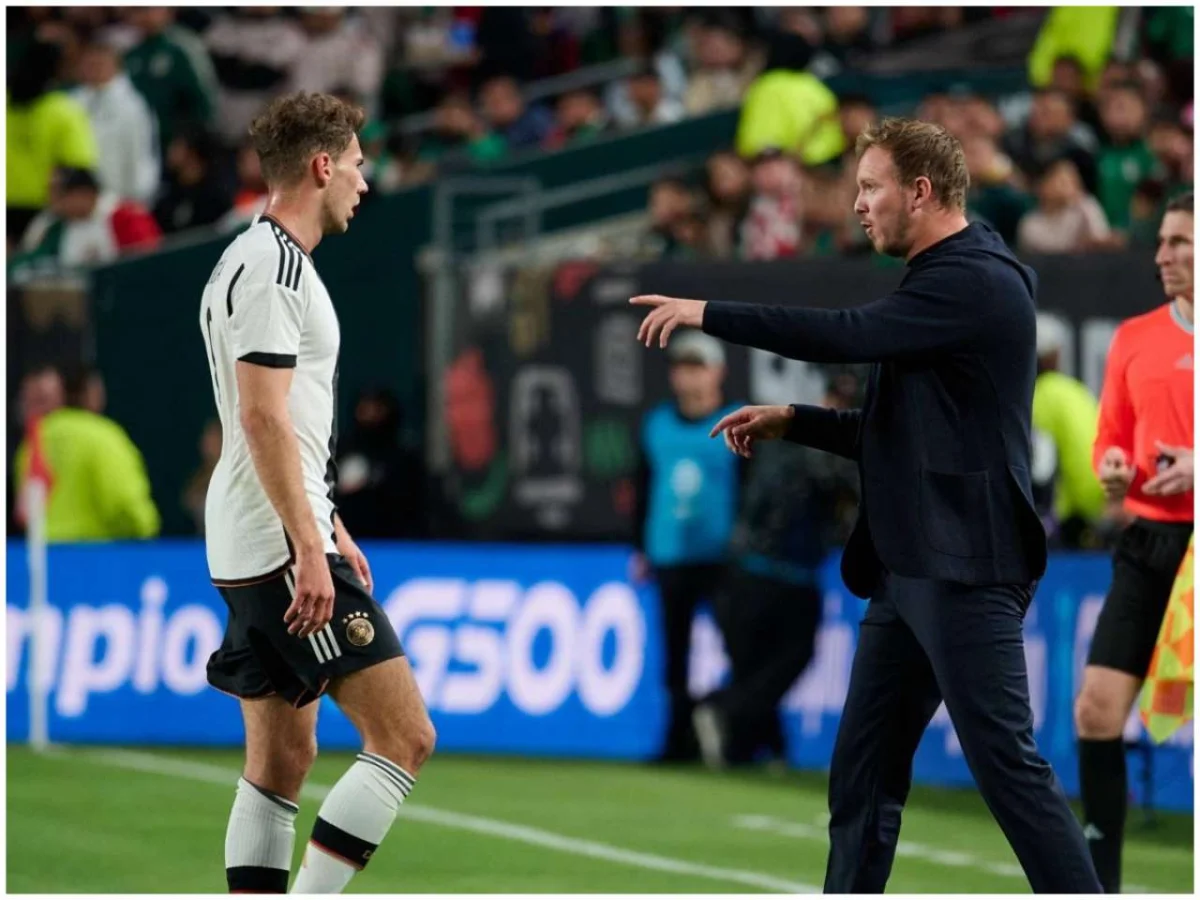
Houston, USA – In a seismic upset that has sent shockwaves through the global football community, four-time champions Germany have been sensationally knocked out of the FIFA World Cup 2026, falling to a resilient Paraguay in a dramatic penalty shootout in the Round of 32. The monumental defeat, which unfolded on Monday (local time) after a gripping 1-1 draw, marks a third consecutive early exit for the German national team from the sport’s most prestigious tournament, prompting immediate introspection and intense debate about the future of German football.
The South American underdogs, ranked 41st in the FIFA World Rankings, triumphed 4-3 from the spot against the 10th-ranked European giants, securing their unexpected passage to the Round of 16 and etching their name into World Cup folklore. For Germany, a nation accustomed to deep runs and silverware, the loss is nothing short of a national humiliation, amplifying calls for sweeping changes within the DFB (German Football Association) and placing head coach Julian Nagelsmann squarely in the spotlight.
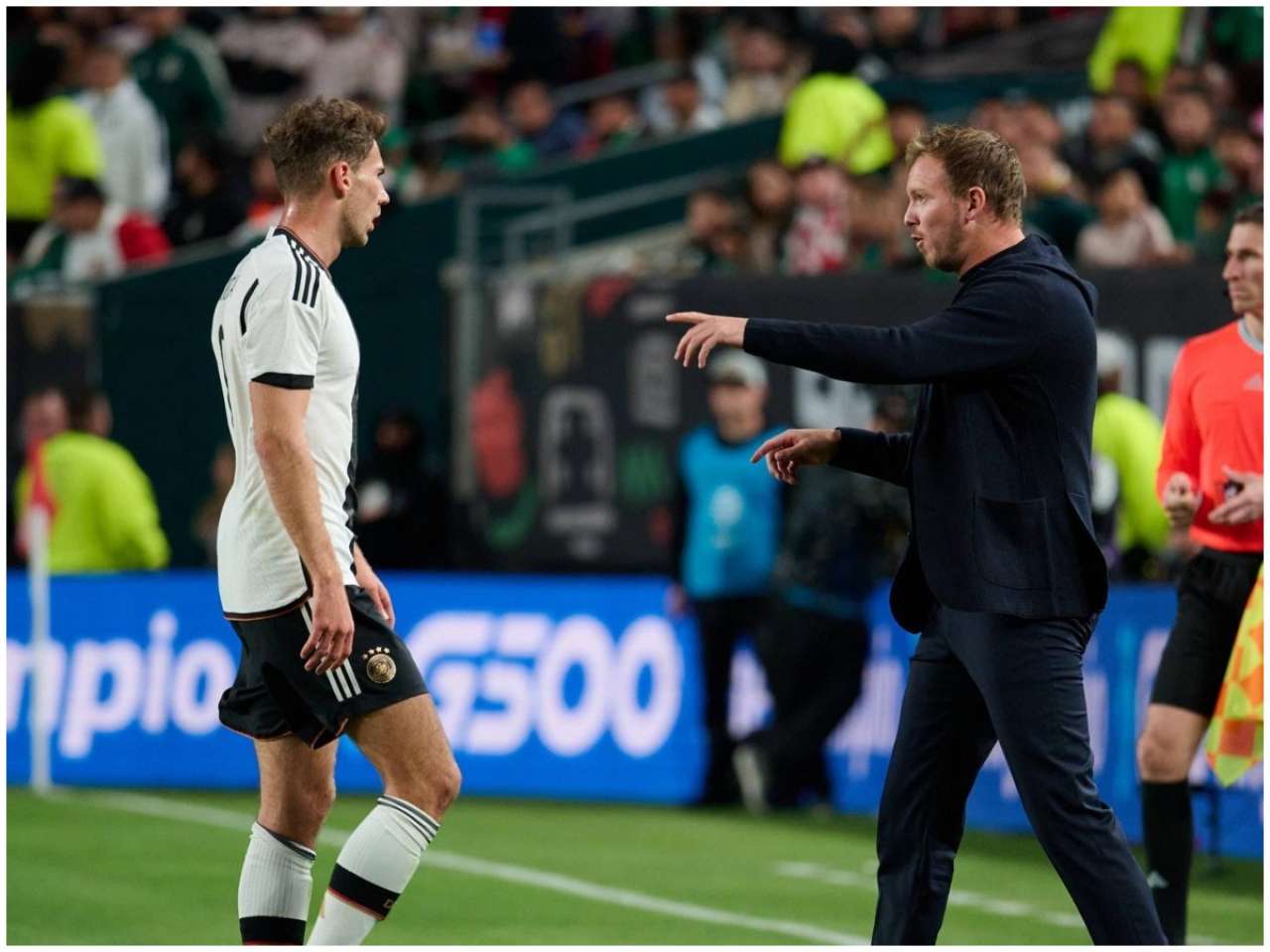
The Unthinkable Unfolds: Main Facts of a Historic Upset
The Round of 32 clash, held at a fervent NRG Stadium, saw a narrative unfold that few pundits had predicted. Germany, a tournament favourite despite some recent inconsistent form, entered the match with the weight of expectation. Their opponents, Paraguay, arrived as spirited underdogs, having navigated their group stage with a blend of tactical discipline and individual brilliance. The 1-1 scoreline after 120 minutes of intense football belied the rollercoaster of emotions experienced by players and fans alike, setting the stage for the dreaded penalty shootout.
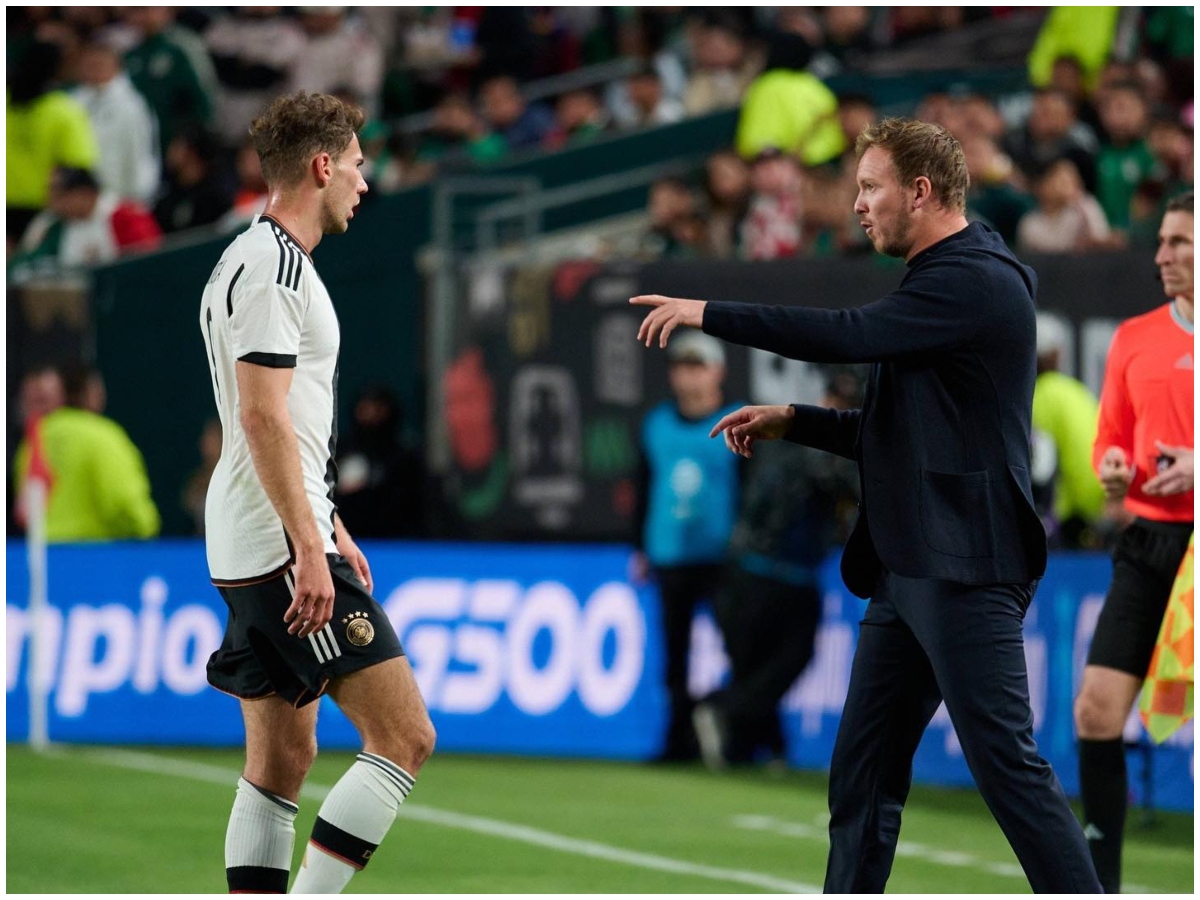
As the ball hit the back of the net for Paraguay’s decisive fifth penalty, a cacophony of cheers erupted from the Paraguayan contingent, while a stunned silence descended upon the German supporters. The dream of a fifth World Cup title for Germany was brutally extinguished, leading to immediate speculation regarding the tenure of Julian Nagelsmann. His post-match comments, a stark admission of the team’s decline, only fueled the fire, acknowledging that Germany could no longer consider itself among football’s elite. This upset is particularly poignant given Germany’s historical prowess in penalty shootouts, making this only their second defeat from the spot in a major international tournament, the first being the 1976 UEFA European Championship final against Czechoslovakia. The scale of the upset, juxtaposing Germany’s rich footballing heritage against Paraguay’s spirited rise, underscores the unpredictable nature of the beautiful game.
)
A Match for the Ages: A Chronological Account of the Round of 32 Clash
The atmosphere at NRG Stadium was electric, a mosaic of German black, red, and gold clashing with Paraguay’s vibrant red, white, and blue. Pre-match narratives centered on Germany’s need to assert dominance and shake off the ghosts of previous World Cup failures, while Paraguay aimed to leverage their collective spirit and counter-attacking prowess.
First Half: German Dominance, Paraguayan Resilience
From the opening whistle, Germany sought to impose their possession-based game, controlling the midfield and probing Paraguay’s deep-set defensive lines. Nagelsmann’s tactical setup, featuring high full-backs and intricate passing triangles, initially seemed to pay dividends. After several promising but ultimately fruitless attacks, Germany broke the deadlock in the 28th minute through a moment of individual brilliance. Midfielder Kai Havertz, receiving the ball just outside the box, weaved past two defenders before unleashing a precise, low shot into the bottom corner, sending the German faithful into raptures. The goal seemed to settle Germany, who continued to dictate play, but Paraguay, renowned for their grit, refused to capitulate. They absorbed the pressure, showing incredible defensive organization and discipline, occasionally launching quick counter-attacks that hinted at their potential threat. The half ended with Germany holding a narrow 1-0 lead, but with a sense that Paraguay was far from out of the contest.

Second Half: Paraguay’s Revival and German Frustration
The second half saw a rejuvenated Paraguay emerge from the tunnel, demonstrating increased intensity and a more adventurous attacking approach. Their persistence paid off spectacularly in the 65th minute. A swift break down the right flank saw winger Miguel Almirón deliver a pinpoint cross into the box. Veteran striker Antonio Sanabria, displaying impressive aerial ability, rose above the German defence to power a header past Manuel Neuer, leveling the score at 1-1. The equalizer ignited the stadium and visibly rattled the Germans, who struggled to regain their composure. Nagelsmann responded with tactical substitutions, introducing fresh legs in an attempt to break the deadlock, but Paraguay’s defence, buoyed by their goal, held firm. Both sides exchanged blows in a frantic final 20 minutes, with Germany pushing desperately for a winner and Paraguay looking dangerous on the counter. Clear-cut chances fell to both teams, but neither could find the decisive touch, sending the match into extra time.
Extra Time: Fatigue, Caution, and Missed Opportunities
The additional 30 minutes were a testament to the players’ endurance and tactical caution. Fatigue began to set in, leading to more open spaces but also a reluctance to commit too many players forward. Germany, despite their superior fitness on paper, looked increasingly devoid of ideas in the final third, their intricate passing often breaking down at crucial moments. Paraguay, meanwhile, embraced their underdog status, defending stoutly and hoping for a moment of magic on the break. Both goalkeepers were called into action, making crucial saves to keep their teams in the game. The tension was palpable, with both sides acutely aware that one mistake could prove fatal. As the final whistle blew, signalling the end of extra time, the inevitable and dreaded penalty shootout loomed large.
)
The Penalty Shootout Drama: A Nation’s Fate Decided
The shootout commenced with an agonizing sequence of events. Germany, historically dominant in penalty shootouts, stepped up first. Their initial kick was saved by the heroic Paraguayan goalkeeper, Antony Silva, immediately placing them under immense pressure. Paraguay converted their first two penalties with confidence, establishing an early lead. Germany then rallied, converting their next three kicks to bring the score to 3-3 after four rounds, with Silva making another save for Paraguay, maintaining the tension. However, the turning point came when Germany’s fifth penalty taker, under immense pressure, struck the ball wide of the post. The miss opened the door for Paraguay, and their fifth penalty taker, with the weight of a nation on his shoulders, coolly slotted the ball home. The net bulged, the crowd roared, and the dream became a reality for Paraguay.
Post-Match Emotions: A Study in Contrasts
The scenes that followed were a stark contrast. Paraguayan players, coaches, and staff erupted in joyous celebration, piling onto each other in a chaotic, emotional embrace. Their fans, a sea of red and white, danced and sang, savouring a moment of unparalleled national pride. On the other side of the pitch, German players collapsed to the turf, their faces etched with disbelief, despair, and tears. Nagelsmann stood stoically, his expression a mixture of profound disappointment and contemplation, as he watched his team’s World Cup hopes vanish into the night.
)
A Pattern of Decline: Supporting Data and Statistical Analysis
Germany’s latest World Cup exit is not an isolated incident but rather the culmination of a troubling pattern. The once-unshakeable footballing powerhouse has now suffered three consecutive early exits from the FIFA World Cup, a statistic that underscores a profound decline. In 2018, as defending champions, they crashed out in the group stage. The 2022 tournament saw a repeat of this ignominy. Now, in 2026, a Round of 32 departure, while technically a step further, still represents a catastrophic failure for a nation that prides itself on footballing excellence. This sustained underperformance has led many to question the fundamental structures of German football, from youth development to coaching philosophy at the highest level.
Historical Context of Penalty Shootouts: Germany’s reputation as a penalty shootout juggernaut has been a cornerstone of their footballing identity. Prior to this match, their record in major tournament shootouts was formidable, boasting a high success rate that often saw them emerge victorious from the most tense situations. This defeat to Paraguay marks only the second time in history that Germany has lost a penalty shootout in a major international competition, highlighting the extraordinary nature of Paraguay’s achievement and further amplifying the shock for German fans. The first was in 1976 against Czechoslovakia in the European Championship final, a defeat that has since been largely overshadowed by decades of shootout successes.
)
Paraguay’s Journey: For Paraguay, this victory is arguably their greatest World Cup achievement. While they have reached the quarter-finals twice (in 1986 and 2010), defeating a footballing colossus like Germany in a knockout stage represents a new pinnacle. Their journey through the group stages demonstrated their potential, but few would have predicted them to overcome such a formidable opponent. This triumph is a testament to the growth of football in Paraguay and the collective belief instilled by their coaching staff.
Match Statistics: A closer look at the match statistics reveals a nuanced picture. Germany dominated possession with approximately 65% of the ball, completing significantly more passes with a higher accuracy rate. They also registered more shots on target (8 to Paraguay’s 4) and corners. However, these statistics failed to translate into goals, indicating a lack of clinical finishing and creativity in the final third, a persistent issue for Germany in recent tournaments. Paraguay, on the other hand, was incredibly efficient, converting one of their few clear-cut chances and defending resolutely, making 35 clearances and 18 interceptions compared to Germany’s 15 and 9 respectively. The fouls count was relatively even, suggesting a hard-fought but fair contest.
)
FIFA Rankings Disparity: The 31-place difference in FIFA World Rankings (Germany #10, Paraguay #41) underscores the magnitude of this upset. While rankings are not always definitive, they generally reflect a nation’s historical performance and current form. For a team ranked outside the top 40 to defeat a perennial top-10 contender in a knockout stage is a rare occurrence and a powerful reminder that on any given day, in tournament football, anything is possible.
Economic Impact: Beyond the sporting ramifications, Germany’s early exit will have significant economic consequences. The DFB will miss out on substantial prize money from advancing further in the tournament. Sponsorship deals, merchandise sales, and broadcasting revenues will also be negatively impacted. For a nation where football is deeply intertwined with national identity, the financial ripple effect will be felt across various sectors.
)
Breaking the Silence: Official Responses and Expert Commentary
In the immediate aftermath of the defeat, all eyes turned to Julian Nagelsmann, the youngest coach in the tournament, tasked with revitalizing a German side in decline. His post-match press conference was a poignant mix of candour and defiance.
Julian Nagelsmann’s Candid Assessment:
"If you exit after the first stage, it’s not enough for German football," Nagelsmann stated, his voice heavy with disappointment. "This is now the third elimination in a row, so we are not part of the first-class teams any more. I am disappointed." His words were a stark admission of Germany’s fallen status, a painful truth for a nation that expects nothing less than contention for major honours.
)
Crucially, Nagelsmann addressed the mounting pressure for his resignation head-on. "If the DFB wants me, I am going to continue. I know a lot of people want me to leave, but I would love to continue if the DFB want me. I’ll give my arguments to my boss," ESPN reported, quoting the German coach. This declaration highlights his desire to remain at the helm and steer Germany through this turbulent period, even in the face of widespread public dissatisfaction. He acknowledged the inevitable backlash: "If there was a survey today in Germany, people aren’t going to talk about me positively, obviously. We have not done much during this tournament. I’m not someone who runs away." His insistence on staying, despite acknowledging his unpopularity, suggests a conviction in his long-term vision for the team and a commitment to seeing it through.
DFB’s Stance:
Sources within the DFB indicated a state of shock and an immediate review process. Bernd Neuendorf, President of the DFB, in a brief statement, expressed his "profound disappointment" but refrained from making any immediate decisions regarding Nagelsmann’s future. "We will conduct a thorough analysis of this tournament, as we always do. Julian has our trust, but every performance is subject to scrutiny. We will discuss the path forward in the coming days." This non-committal stance suggests that while Nagelsmann might have internal support, the pressure from media and fans will be immense, potentially forcing the DFB’s hand.
)
Paraguayan Camp’s Jubilation:
The mood in the Paraguayan camp was, understandably, euphoric. Head coach Guillermo Barros Schelotto, beaming with pride, lauded his team’s spirit. "This is a historic night for Paraguay. We believed, we fought, and we delivered. To beat a team of Germany’s calibre on this stage is a testament to the heart of these players. We dedicate this victory to every Paraguayan watching at home." Captain Gustavo Gómez echoed his coach’s sentiments, stating, "We made history tonight. We showed the world what Paraguay is capable of. We are not afraid of anyone, and we will carry this belief into the Round of 16."
Punditry and Former Legends:
The German media and former players reacted with a mixture of anger, despair, and calls for radical reform. Bastian Schweinsteiger, a World Cup winner in 2014, expressed his dismay on television: "This is a dark day for German football. We have lost our identity, our winning mentality. Nagelsmann is a good coach, but the system around him needs a complete overhaul. We need to look deep into our youth academies, our coaching education, everything." Legendary striker Miroslav Klose added, "The talent is there, but the structure is failing them. This is not about one coach or one player; it’s a systemic issue that has been festering for years." International pundits marvelled at Paraguay’s grit while lamenting Germany’s continued decline, with many suggesting that this latest failure might be the catalyst for truly fundamental changes within the DFB.
)
The Road Ahead: Implications for German and Paraguayan Football
The repercussions of this historic upset will resonate deeply for both nations, charting vastly different trajectories for their footballing futures.
Germany’s Existential Crisis:
The immediate future for German football is shrouded in uncertainty, dominated by the Nagelsmann Dilemma. While the coach has expressed his desire to continue, the DFB faces immense public and media pressure. Arguments for his departure center on the team’s poor tournament performance, lack of tactical cohesion, and the psychological impact of another early exit. Critics point to his inability to harness the significant talent pool and instill a winning mentality. Conversely, supporters argue that Nagelsmann has inherited a team in transition, burdened by systemic issues that predate his tenure. They advocate for giving him more time to implement his long-term vision, emphasizing his tactical acumen and potential if given full backing. A change of coach might offer a temporary psychological boost but could also lead to further instability. The DFB’s decision will be pivotal, signaling their commitment to either a radical shift or a period of stability for rebuilding.
)
Regardless of the coaching situation, a Squad Regeneration appears inevitable. Key veteran players, including Manuel Neuer and Thomas Müller, might face increased scrutiny, potentially leading to retirements from international football. Nagelsmann (or his successor) will need to integrate a new generation of talent, identifying players with both skill and the mental fortitude to perform under pressure. The team’s defensive solidity, midfield creativity, and clinical finishing will all require urgent attention.
The DFB’s Strategic Review will extend beyond just the national team. There will be intense pressure to re-evaluate youth development programs, talent identification pathways, and the overall coaching philosophy across all levels of German football. Questions will be raised about the Bundesliga’s role in nurturing national talent, the quality of coaching education, and the perceived complacency that may have crept into the system. This existential crisis demands a comprehensive and honest self-assessment, potentially leading to sweeping structural reforms. The Impact on National Morale is significant; public trust in the national team has been eroded, and regaining it will require not just wins, but a clear vision and demonstrable progress. The economic ramifications, as previously mentioned, will also play a role in shaping future investment and strategy. The ultimate goal remains Euro 2028 and Beyond, with Germany needing to rebuild a competitive squad capable of challenging for honours and restoring its proud footballing reputation.
)
Paraguay’s Ascent:
For Paraguay, this victory represents a moment of National Euphoria. It is a defining chapter in their football history, a testament to the power of collective belief and underdog spirit. This triumph will undoubtedly inspire a new generation of footballers and fans across the country, boosting interest and participation in the sport.
The Boost for Football in Paraguay will be immense. Increased investment in youth academies, coaching infrastructure, and grassroots programs is likely to follow, potentially unearthing future stars. The team’s performance has put Paraguayan football firmly on the global map, attracting international attention and perhaps even new sponsorship opportunities. Their focus now shifts to the Round of 16 Prospects. While they will undoubtedly face another formidable opponent, the confidence gained from defeating Germany will be invaluable. The challenge will be to maintain their discipline, tactical awareness, and fighting spirit, proving that this upset was not a fluke but a sign of their true potential. The Financial Windfall from prize money and increased commercial interest will also provide crucial resources for the continued development of football in the nation.
)
Wider Tournament Impact:
Germany’s exit has also had a significant Wider Tournament Impact. It solidifies the narrative of the FIFA World Cup 2026 as a tournament of surprises, wide open for any team with the grit and determination to challenge the established order. It sends a clear message to other favourites that no opponent should be underestimated, potentially altering tactical approaches and fostering a more competitive and unpredictable knockout stage.
Global Coverage and Where to Watch
The drama of Germany’s exit reverberated across the globe, with news outlets from every continent reporting on the seismic upset. Millions of fans worldwide tuned in to witness the unfolding events, whether through traditional broadcasts or digital streaming platforms. In India, the entire FIFA World Cup 2026 tournament, including this thrilling Round of 32 clash, was streamed across the ZEE5 app and website, allowing football enthusiasts to experience every moment of the drama live.
)
Find your daily dose of All Latest News including Sports News, Entertainment News, Lifestyle News, explainers & more. Stay updated, Stay informed- Follow DNA on WhatsApp.
