

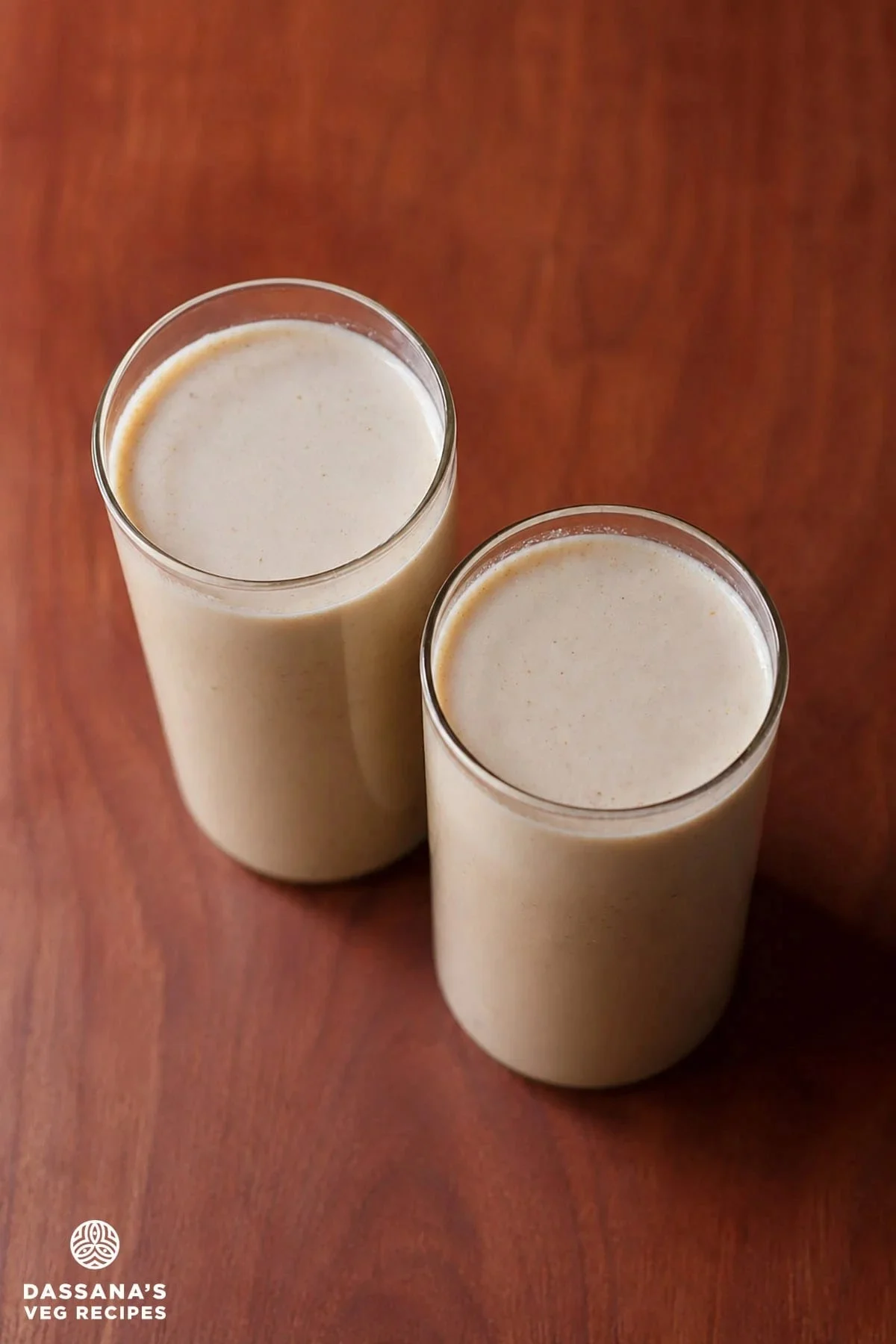
MUMBAI – In the rapidly evolving landscape of global health and wellness, a traditional staple of Indian juice centers and domestic kitchens is reclaiming its spotlight. The Kaju Anjeer Milkshake—a thick, nutrient-dense blend of cashews (kaju) and dried figs (anjeer)—has emerged as a quintessential example of "functional food." Long before the advent of modern protein shakes and synthetic meal replacements, this beverage provided a natural, high-energy solution for breakfast and recovery.
As consumers increasingly pivot toward whole-food ingredients and away from ultra-processed additives, the culinary science and nutritional profile of the Kaju Shake are being re-examined by nutritionists and culinary experts alike.
Main Facts: The Anatomy of a Powerhouse Beverage
The Kaju Anjeer Milkshake is more than a simple confection; it is a meticulously balanced beverage designed for satiety and nutrient density. At its core, the drink relies on three primary components: high-quality cashews, sun-dried figs, and dairy or plant-based milk.

The cashew nut, botanically known as Anacardium occidentale, serves as the textural foundation of the drink. Unlike many other nut-based beverages that require straining or the addition of stabilizers, cashews possess a unique composition of fats and starches that, when soaked and blended, emulsify into a rich, creamy consistency. This eliminates the need for ice cream or thickening agents, making it a "clean-label" alternative to commercial milkshakes.
The secondary hero, the dried fig (Ficus carica), acts as a natural sweetener and texturizer. Figs are one of the highest plant sources of calcium and fiber. In the context of a milkshake, they provide a complex sweetness profile that negates the need for refined sugar, while their tiny seeds offer a subtle, pleasant crunch that contrasts with the smoothness of the cashew cream.
The result is a beverage that is not only culturally significant in South Asia but is also gaining traction in the West as a "superfood" smoothie. According to culinary historians, the popularity of the Kaju Shake in Indian juice stalls—often found in bustling urban centers like Mumbai, Pune, and Bangalore—stems from its ability to serve as a portable, filling meal for commuters and students.

Chronology: From Ancient Orchards to the Modern Blender
To understand the modern Kaju Shake, one must look at the historical journey of its ingredients and the evolution of its preparation.
The Botanical Migration
The history of the cashew in India is a story of colonial exchange. Cashews were introduced to the Indian subcontinent by the Portuguese in the 16th century, primarily to prevent soil erosion in Goa. Over centuries, the nut became integrated into the local diet, evolving from a waste product of the cashew apple to a prized ingredient in royal Mughlai kitchens and everyday snacks.
Figs, conversely, have a much longer history in the region, mentioned in ancient Ayurvedic texts for their digestive and restorative properties. The marriage of these two ingredients—one a colonial import and the other an ancient staple—represents the syncretic nature of Indian gastronomy.

The Evolution of Preparation
The process of creating the perfect Kaju Shake has remained remarkably consistent, though the technology has shifted from manual grinding stones to high-speed blenders. The chronology of the recipe follows a specific, time-tested sequence:
- Hydration (30 to 45 minutes): The process begins with the rinsing and soaking of 12 to 15 whole cashews and 10 to 12 dried figs in hot water. This step is critical. It softens the tough skins of the figs and neutralizes phytic acid in the cashews, making the nutrients more bioavailable and ensuring a grit-free texture.
- The Concentrated Puree: Once softened, the fruits are drained and transferred to a blender with a minimal amount of chilled milk (approximately ½ cup). This creates a thick paste, allowing the blender blades to break down the fibers of the fig completely.
- Emulsification: The remaining two cups of milk are added gradually. If using a high-capacity blender, the mixture is aerated until frothy. In traditional settings where equipment may be limited, this stage is often finished with a wire whisk to ensure even distribution of the fruit oils.
- Sweetness Calibration: The final stage involves tasting. Because the natural sugar content of figs varies by batch and origin, additional sweeteners like raw sugar or jaggery are only added at the very end, if necessary.
Supporting Data: A Nutritional Breakdown
Modern nutritional analysis supports the long-held belief that the Kaju Anjeer Milkshake is a formidable source of energy. A standard serving (approximately two glasses) provides a robust profile of macro and micronutrients.
Macronutrient Profile
- Calories: 348 kcal
- Protein: 13g (A significant amount for a vegetarian beverage, comparable to two large eggs)
- Total Fat: 14g (Primarily monounsaturated and polyunsaturated fats, which are heart-healthy)
- Carbohydrates: 47g (Sourced from complex fibers and natural fruit sugars)
- Fiber: 4g (Essential for digestive health and blood sugar regulation)
Micronutrient Density
The shake is particularly high in minerals that are often lacking in modern diets:

- Calcium: 444 mg (Nearly 45% of the recommended daily intake for adults)
- Potassium: 790 mg (Crucial for blood pressure regulation and muscle function)
- Magnesium: 90 mg (Important for bone health and over 300 biochemical reactions in the body)
- Vitamin A: 498 IU (Supporting vision and immune function)
Furthermore, the presence of Vitamin B12 (2 µg) and Phosphorus (388 mg) makes this an excellent choice for individuals following a vegetarian diet who may struggle to find these nutrients in plant-based snacks.
Official Responses: Expert Culinary and Medical Insights
The Kaju Anjeer Milkshake has drawn praise from various sectors of the health and culinary industries.
Dr. Anita Deshmukh, a Clinical Nutritionist based in Delhi, notes: "The synergy between cashews and figs is remarkable. The healthy fats in the cashews help in the absorption of the fat-soluble vitamins found in the figs and milk. Unlike modern ‘energy drinks’ that cause a sugar spike followed by a crash, the combination of protein, fat, and fiber in this shake ensures a slow, sustained release of energy."

Chef Vikram Seth, a specialist in contemporary Indian cuisine, highlights the culinary versatility of the drink. "In the professional kitchen, we view the Kaju Shake as a template. While the traditional version is iconic, we are seeing variations that include saffron strands, cardamom, or even a dash of cinnamon to enhance the thermogenic properties of the drink. It’s a testament to the recipe’s robustness that it can be served as a rustic street food or a sophisticated dessert-style beverage in a five-star setting."
Health and Wellness Consultant Sarah Jenkins adds, "For the growing vegan demographic, the Kaju Shake is a revelation. By simply swapping dairy milk for almond or soy milk, you maintain the creaminess because the cashews act as a secondary milk base. It’s a naturally ‘thick’ shake that doesn’t rely on the gums or thickeners found in commercial dairy-free products."
Implications: The Future of Traditional Drinks in a Global Market
The rise of the Kaju Anjeer Milkshake carries broader implications for the food industry and cultural preservation.

The Shift from "Processed" to "Proven"
As the "Clean Label" movement gains momentum, consumers are looking for recipes with recognizable ingredients. The Kaju Shake, requiring only four or five items found in a standard pantry, fits this demand perfectly. Its resurgence suggests a shift away from synthetic protein powders toward "whole-food" supplementation.
Economic Impact on the Dry Fruit Industry
The increasing popularity of nut-based shakes has a direct impact on the global trade of cashews and figs. India, as one of the world’s largest consumers and processors of cashews, stands to benefit from the global branding of these traditional recipes. However, this also raises questions about sustainability and the rising cost of dry fruits, which may make these nutritious drinks less accessible to the lower-income populations who originally relied on them.
Culinary Globalization
The Kaju Shake is following in the footsteps of the "Golden Milk" (Turmeric Latte) trend. Just as haldi doodh became a staple in Western cafes, the Kaju Anjeer blend is appearing on brunch menus in London, New York, and Sydney, often marketed as a "Cashew-Fig Smoothie Bowl" or a "Recovery Shake."

Conclusion
The Kaju Anjeer Milkshake represents a rare intersection of indulgence and health. Through its simple yet effective preparation—soaking, blending, and balancing—it offers a blueprint for how traditional wisdom can address modern nutritional gaps. Whether served as a quick breakfast for a busy professional or a nourishing snack for a growing child, the Kaju Shake remains a steadfast pillar of Indian culinary heritage, now poised for a new chapter on the global stage.
As we continue to navigate a world of complex dietary requirements and fast-paced lifestyles, the return to such "hand-made" and "hand-picked" nutrition is not just a trend, but a necessary reclamation of culinary common sense.
