

VISAKHAPATNAM – In a significant move to bolster the regional economy and foster gender-inclusive growth, the city of Visakhapatnam recently hosted a high-profile conference titled "Celebrating Women Entrepreneurs: Urban Ecosystem and Grassroots Leadership." The event, which took place on Tuesday, served as a pivotal platform for women-led enterprises to converge, share insights, and address the systemic barriers that hinder their transition from subsistence-level operations to scalable, market-competitive businesses.
The conference was a collaborative effort spearheaded by the Global Alliance for Mass Entrepreneurship (GAME) and Aspire For Her (AFH), in strategic partnership with the Women’s Wing of the Visakhapatnam Chamber of Commerce and Industry (VCCI). By bringing together a diverse cohort of entrepreneurs, industry stalwarts, and policy influencers, the event highlighted the critical role of women in shaping India’s "mass entrepreneurship" landscape.
Main Facts: A Synergistic Approach to Empowerment
The primary objective of the conference was to dismantle the silos between urban business ecosystems and grassroots leadership. Visakhapatnam, often referred to as the "City of Destiny" and a burgeoning industrial hub in Andhra Pradesh, provided the ideal backdrop for this discourse.
Key highlights of the event included:
- Strategic Collaboration: The partnership between GAME, a national organization focused on creating a movement for mass entrepreneurship, and Aspire For Her, a community-driven platform for women’s career advancement, aimed to provide a 360-degree support system for female business owners.
- Diverse Representation: Participants ranged from tech-savvy urban startups to long-standing grassroots cooperatives, such as the Visakhapatnam Town Fisherwomen Dry Fish Cooperative Society.
- The Hamsafal Initiative: A central theme of the event was the implementation of the Hamsafal program, a joint venture between GAME and AFH designed to provide mentorship, market access, and financial literacy to women entrepreneurs.
- Governmental Backing: The presence of high-ranking officials, including Member of Parliament M. Sribharat and VMRDA Commissioner N. Tej Bharath, underscored the state’s commitment to creating an enabling environment for women-led businesses.
Chronology of the Event: From Vision to Action
The day began with an energetic inauguration ceremony that set the tone for the deliberations to follow. The morning sessions were dedicated to "The Vision of Mass Entrepreneurship," where leaders from GAME explained the necessity of moving beyond the "solopreneur" model toward enterprises that can generate local employment.
By mid-morning, the focus shifted to Panel Discussions, where women entrepreneurs from various sectors shared their "business journeys." These were not merely success stories but candid accounts of the hurdles faced—ranging from the difficulty of securing collateral-free loans to the complexities of navigating digital marketplaces.
The afternoon featured Spotlight Sessions, focusing on the "Urban-Grassroots Linkage." This segment explored how urban technology and marketing expertise could be leveraged to help rural and grassroots products reach global consumers.
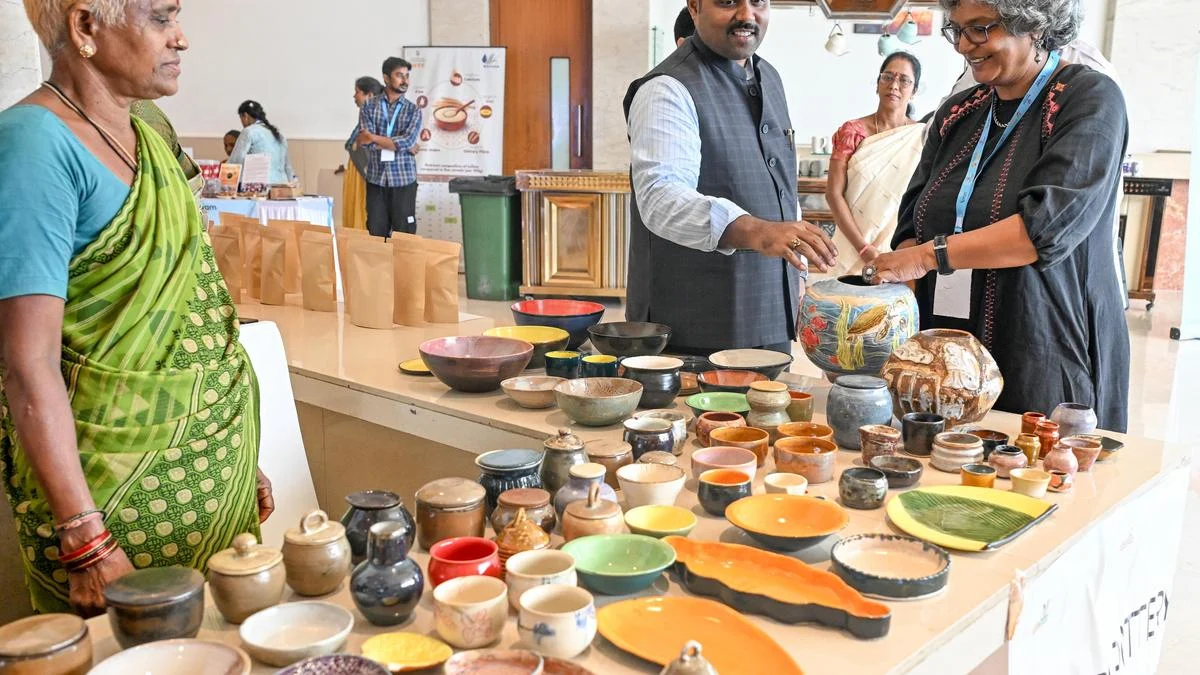
Parallel to the discussions, the Exhibition Zone remained a hive of activity throughout the day. VMRDA Commissioner N. Tej Bharath spent significant time touring the stalls, interacting with artisans and food processors. The exhibition was designed not just for display, but as a "Buyer-Seller Meet," allowing entrepreneurs to pitch directly to industry representatives and potential distributors.
The event concluded with a Networking and Networking Session, followed by a valedictory address that summarized the actionable points to be taken forward by the VCCI and the organizing partners.
Supporting Data: The Landscape of Women’s Entrepreneurship in India
The conference was held against a backdrop of evolving economic data that suggests women entrepreneurs are the untapped engine of India’s GDP. According to recent industry reports, women-led businesses in India currently provide direct employment to an estimated 22 to 27 million people. However, the majority of these are micro-enterprises operating in the informal sector.
In Andhra Pradesh, and specifically the Visakhapatnam region, there has been a steady rise in women entering the MSME (Micro, Small, and Medium Enterprises) sector. Data shared during the sessions indicated that:
- Market Access: Only about 18% of women-led small businesses in the region utilize e-commerce platforms effectively, highlighting a massive "Digital Opportunity" gap.
- Financial Inclusion: While micro-finance has reached the grassroots, the "missing middle"—enterprises requiring loans between ₹5 lakhs and ₹50 lakhs—remains underserved.
- Longevity and Resilience: The Visakhapatnam Town Fisherwomen Dry Fish Cooperative Society, registered in 1987, was cited as a prime example of institutional resilience. With 164 active members, it stands as one of the oldest and most successful Fishermen Farmer Producer Organisations (FFPOs) in the state.
Official Responses: A Call for Institutional Support
The event saw significant participation from political and administrative leadership, reflecting the importance of entrepreneurship in the regional development agenda.

M. Sribharat, Member of Parliament, emphasized the need for a "supportive ecosystem" that reduces the bureaucratic friction for women starting new ventures. He noted that the role of the government is to act as a facilitator, ensuring that infrastructure and policy frameworks are gender-sensitive.
N. Tej Bharath, VMRDA Commissioner, took a keen interest in the handcrafted ceramic ware by Arra Pottery and the traditional products of the Sankalpa Art Village. He remarked, "The creativity and quality we see here are world-class. The challenge lies in scaling these operations. The VMRDA is committed to creating spaces and platforms where such talent can transition from local stalls to international markets."
Subhash Kiran, Programme Director at GAME, provided the strategic context for the alliance’s work. Speaking to the press, he stated, "Entrepreneurship flourishes when local ecosystems work together. Through collaborations with community organisations, industry and market partners, we are working to help women entrepreneurs move beyond subsistence livelihoods and build enterprises that can scale and access larger markets."
Divya Sampath of Aspire For Her highlighted the power of the community. "Aspire For Her is a community of 1.2 million women. In collaboration with GAME, we are implementing the Hamsafal programme to strengthen entrepreneurial journeys and create access to opportunities," she said, noting that the program focuses on three pillars: Finance, Technology, and Mentorship.
Implications: Bridging the Gap Between Grassroots and Global
The "Celebrating Women Entrepreneurs" conference carries several long-term implications for the economic fabric of Visakhapatnam and the wider Andhra Pradesh region.
1. Scaling the "Missing Middle"
The transition from a "livelihood" business to a "scalable" enterprise is the most difficult jump for women entrepreneurs. By focusing on the "Urban Ecosystem," the conference aimed to provide these women with the tools—such as digital marketing, branding, and supply chain management—necessary to make that leap.
2. The Digital Transformation
One of the most significant takeaways was the urgent need for digital literacy. The conference identified that "digital opportunities" are not just about social media marketing, but about using fintech for better cash flow management and accessing B2B digital marketplaces.
3. Strengthening FFPOs and Cooperatives
The spotlight on the Fisherwomen Dry Fish Cooperative Society served as a reminder that the cooperative model remains a powerful tool for grassroots leadership. By modernizing these cooperatives into Farmer Producer Organisations (FPOs), they can command better prices and eliminate middlemen, directly impacting the household income of hundreds of families.
4. Economic Diversification
From Arra Pottery’s high-end ceramics to Sankalpa Art Village’s traditional crafts, the event showcased a diversification of the local economy. This shift reduces the region’s over-reliance on heavy industry and promotes a more creative, sustainable, and distributed economic model.
Conclusion: A Roadmap for the Future
The conference in Visakhapatnam was more than a celebratory event; it was a strategic diagnostic of the challenges and opportunities facing women entrepreneurs today. The synergy between the Global Alliance for Mass Entrepreneurship, Aspire For Her, and the VCCI Women’s Wing creates a formidable support structure that promises to yield results in the coming years.
As the Hamsafal program begins to take deeper root in the region, the focus will remain on ensuring that the momentum generated on Tuesday translates into tangible outcomes: higher credit flow to women-led startups, increased presence of local products on global e-commerce shelves, and a robust network of mentors who can guide the next generation of leaders.
In the words of the organizers, the goal is to ensure that the "urban ecosystem" doesn’t just exist alongside "grassroots leadership" but actively feeds into it, creating a seamless pathway for every woman with an idea to build a legacy. For Visakhapatnam, this conference may well be the catalyst that transforms its women-led micro-enterprises into the industrial leaders of tomorrow.
