

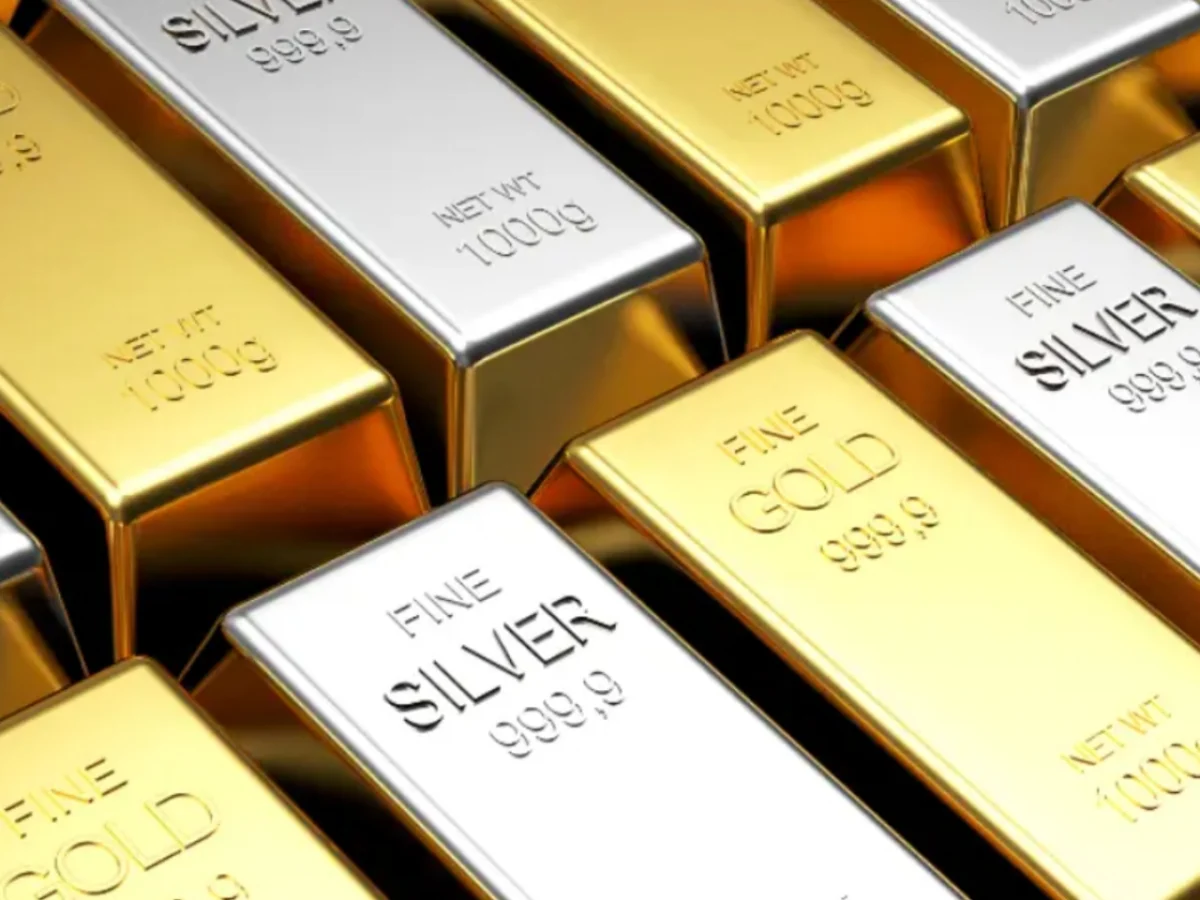
BUSINESS – As of July 1, 2026, India’s venerable precious metals market finds itself in a delicate balance, swayed by an intricate interplay of global economic currents, fluctuating currency rates, and robust domestic demand. Gold, traditionally a cornerstone of Indian culture and investment, has registered a slight uptick, primarily propelled by persistent global inflationary pressures and its enduring appeal as a safe-haven asset. Silver, while experiencing relative stability, continues to demonstrate its dual role as both an industrial commodity and a significant investment vehicle. This comprehensive analysis delves into the current pricing landscape, the underlying forces at play, expert perspectives, and the broader implications for consumers, industries, and the national economy.
Executive Summary: India’s Precious Metals Market on July 1, 2026
The Indian precious metals sector, a barometer of both global economic sentiment and deep-seated cultural traditions, presented a nuanced picture on the first day of July 2026. Gold prices across major Indian cities, reflecting a global trend, exhibited a marginal increase. The national average for 24K (999 pure) gold settled at ₹14,205 per gram, while 22K (91.67% pure) gold, the preferred choice for jewellery, was priced at ₹13,021 per gram. This upward movement is largely attributed to sustained international demand for gold amidst inflationary concerns and a cautious global economic outlook.
Silver, often considered gold’s more volatile counterpart, maintained a relatively stable trajectory. The national benchmark for 999 pure silver stood at approximately ₹2,34,900 per kilogram, with 925 sterling silver at ₹2,34,000 per kilogram. While less expensive, silver’s price dynamics are heavily influenced by industrial demand, which currently appears steady. Regional variations, driven by local taxes, logistical costs, and specific market demand, remain a notable feature of India’s fragmented yet vibrant precious metals trade. The market anticipates continued volatility, underscoring the necessity for both consumers and investors to remain informed about these multifaceted influences.
A Detailed Look at Gold Prices Across Major Indian Cities
The inherent value and cultural significance of gold in India mean that even minor price fluctuations are closely observed. On July 1, 2026, the yellow metal’s rates reflected a blend of global bullish sentiment and localised market dynamics.
National Benchmarks: 24K and 22K Gold
At the national level, the price of 24K gold (999 purity), often referred to as pure gold, was recorded at ₹14,205 per gram. This benchmark serves as the foundation for investment-grade gold products such as gold bars and coins, favoured by those seeking a pure asset play. The slight increase from previous days is a direct consequence of international market trends, where gold is increasingly sought after as a hedge against inflation and economic uncertainty.
For the vast majority of Indian consumers, 22K gold (91.67% purity), the standard for intricate jewellery designs, is of greater relevance. This alloy, containing 91.67% pure gold and 8.33% other metals like copper or silver to enhance durability, was priced at ₹13,021 per gram nationally. The premium on 24K gold over 22K gold reflects the purity difference, with the latter’s slightly lower price making it more accessible for everyday wear and ceremonial purchases.
)
City-Wise Gold Rates: Regional Nuances
India’s diverse geography and state-specific taxation structures lead to observable differences in gold prices across its major metropolitan centres. These variations, while often marginal, can impact purchasing decisions, particularly for large-volume transactions.
-
Gold Prices in Delhi: The capital city witnessed a slightly higher premium on gold, with 24K gold at ₹14,220 per gram and 22K gold at ₹13,036 per gram. This marginal increase compared to the national average can be attributed to factors such as higher local demand, potentially elevated operational costs for retailers, and specific state levies that contribute to the final consumer price. Delhi, as a major economic hub, often experiences robust demand for precious metals, especially ahead of significant festivals or wedding seasons.
-
Gold Prices in Mumbai: As India’s financial capital and a prominent centre for gold trading, Mumbai’s prices closely mirrored the national average. 24K gold was priced at ₹14,205 per gram, and 22K gold at ₹13,021 per gram. The efficiency of its supply chain and the high volume of trade often keep prices aligned with broader market trends, minimizing significant local premiums. Mumbai serves as a critical entry point for gold imports, influencing pricing across the country.

-
Gold Prices in Kolkata: Similar to Mumbai, Kolkata, with its rich cultural heritage and a strong affinity for gold, reported prices identical to the national average. 24K gold stood at ₹14,205 per gram, and 22K gold at ₹13,021 per gram. The city’s extensive network of traditional jewellers and its historical role in the gold trade ensure competitive pricing, reflecting the underlying national market sentiment.
-
Gold Prices in Chennai: The southern metropolis of Chennai consistently exhibits some of the highest gold prices in the country. On July 1, 24K gold was notably higher at ₹14,399 per gram, and 22K gold at ₹13,199 per gram. This consistent trend can be attributed to several factors: strong regional demand, particularly in South India where gold holds unparalleled cultural and social significance, higher state taxes, and potentially increased logistical costs associated with transporting gold to this region. The southern states are significant consumers of gold jewellery, often leading to a demand-driven premium.
Decoding Silver Prices: Investment and Industrial Demand
While gold often captures the headlines, silver plays an equally vital, albeit distinct, role in India’s precious metals market. Its utility extends beyond adornment and investment, deeply entrenched in industrial applications.
)
National Silver Benchmarks
On July 1, 2026, the price of 999 pure silver in India was approximately ₹2,34,900 per kilogram. For smaller denominations, this translates to ₹2,349 per 10 grams. Silver 999, known for its high purity, is the standard for investment-grade silver bars and coins.
Silver 925, commonly known as sterling silver, which contains 92.5% pure silver and 7.5% other metals (typically copper), was priced at ₹2,34,000 per kilogram. This alloy is widely used for jewellery, silverware, and decorative items due to its enhanced durability and workability compared to pure silver.
Regional Silver Rates
Similar to gold, silver prices also exhibit regional variations, albeit often less pronounced due to its lower value density and different demand drivers.
)
- Silver Price in Delhi Today: The capital city reported 999 pure silver at ₹2,349 per 10 grams.
- Silver Price in Mumbai Today: Mumbai, a major trading hub, also saw 999 pure silver at ₹2,349 per 10 grams.
- Silver Price in Kolkata Today: Kolkata’s rates mirrored the national trend, with 999 pure silver at ₹2,349 per 10 grams.
- Silver Price in Chennai Today: Chennai, known for its higher gold prices, also recorded a premium for silver, with 999 pure silver at ₹2,449 per 10 grams. This higher rate aligns with the general trend of elevated precious metal prices in the southern region.
The primary driver for silver prices, beyond investment demand, is its extensive use in industries such as electronics, solar panels, photography, and medical applications. A healthy global industrial output typically translates to robust demand for silver, influencing its price trajectory more significantly than gold, which is predominantly driven by monetary and safe-haven demand.
Chronology of Influences: Tracing the Market Trajectory
The current precious metals prices are not isolated figures but rather the culmination of a complex interplay of historical trends and immediate market forces. Understanding these influences is crucial for discerning future movements.
Global Economic Landscape and Precious Metals
The global economic climate plays an overarching role in determining the trajectory of precious metals. Over the past year, and leading up to July 2026, a series of macroeconomic factors have shaped the market:
)
- Inflationary Pressures: The article explicitly mentions "inflationary pressures" as a key driver for gold’s slight increase. This reflects a broader global trend where central banks have grappled with persistent inflation, often stemming from supply chain disruptions, geopolitical conflicts, and expansive fiscal policies. Gold, renowned as a traditional hedge against inflation, gains appeal when the purchasing power of fiat currencies erodes. Investors flock to gold to preserve wealth, pushing its price upwards.
- Geopolitical Instability: While not explicitly mentioned in the original snippet, any perceived global instability, be it political tensions, regional conflicts, or trade wars, typically enhances gold’s status as a safe-haven asset. In times of uncertainty, investors divest from riskier assets like equities and channel funds into gold, driving up demand and prices.
- Central Bank Policies: The monetary policies adopted by major central banks, particularly the US Federal Reserve, the European Central Bank, and the Bank of England, have a profound impact. Decisions regarding interest rates, quantitative easing (QE), or quantitative tightening (QT) directly influence bond yields, the strength of the US dollar, and investor appetite for non-yielding assets like gold. A dovish stance (lower interest rates, more QE) generally supports gold prices, while a hawkish stance (higher interest rates, QT) tends to exert downward pressure.
The US Dollar’s Dominance and Exchange Rate Dynamics
The strength of the US Dollar (USD) is another critical determinant for gold prices, especially in non-dollar denominated markets like India.
- Inverse Relationship: Gold is typically priced in US dollars on international markets. A stronger dollar makes gold more expensive for buyers holding other currencies, potentially dampening demand and putting downward pressure on prices. Conversely, a weaker dollar makes gold cheaper, often leading to increased demand and higher prices.
- Rupee-Dollar Exchange Rate: For Indian consumers and investors, the exchange rate between the Indian Rupee (INR) and the US Dollar is paramount. Even if international gold prices remain stable in USD terms, a depreciation of the Rupee against the Dollar makes imported gold more expensive in INR, leading to higher domestic prices. Conversely, an appreciation of the Rupee can temper the impact of rising international gold prices. The Indian economy’s balance of payments, trade deficits, and foreign investment inflows all contribute to the Rupee’s volatility against the Dollar, directly translating to price fluctuations for precious metals.
Domestic Factors: Demand, Festivals, and Government Policies
Beyond global and currency influences, India’s unique socio-economic fabric contributes significantly to precious metals pricing.
- Domestic Jewellery Demand: The original article highlights "domestic jewellery demand, especially ahead of the festive season." India’s cultural affinity for gold is unparalleled. Weddings, festivals like Diwali, Akshaya Tritiya, and Durga Puja, and religious ceremonies are inextricably linked with gold purchases. This cyclical demand creates predictable surges in buying, often leading to temporary price increases as retailers stock up.
- Investment Demand: Apart from jewellery, a significant portion of gold is purchased for investment purposes. Households view gold as a form of savings, a hedge against inflation, and an easily liquidable asset for emergencies. The availability and popularity of investment vehicles like Sovereign Gold Bonds (SGBs) and Gold Exchange Traded Funds (ETFs) also influence the overall demand for physical gold.
- Government Policies and Regulations: The Indian government’s policies related to gold imports, import duties, and Goods and Services Tax (GST) directly impact the final retail price. Any increase in import duties or GST can push prices higher. Measures like mandatory hallmarking for gold jewellery, aimed at ensuring purity and consumer trust, also have an indirect effect on market dynamics and consumer confidence. Policies to curb gold smuggling, while beneficial for the organized sector, can also influence price premiums in the grey market.
Expert Analysis and Official Responses
Understanding the current market requires insights from those who monitor it closely and those who regulate it.
)
Views from Market Analysts and Economists
Leading financial experts offer diverse perspectives on the precious metals market’s current state and future trajectory.
"The slight increase in gold prices on July 1, 2026, is a clear reflection of the market’s response to persistent global inflationary signals," states Dr. Anjali Sharma, Chief Economist at Zenith Capital. "While central banks worldwide are navigating a tightrope walk between taming inflation and avoiding recession, gold continues to be the default choice for investors seeking stability. The ongoing geopolitical uncertainties, though not always in the headlines, provide an underlying support for gold’s safe-haven appeal." Dr. Sharma also points out that central banks globally have been net buyers of gold, further solidifying its demand.
Mr. Rajesh Kumar, Senior Commodities Analyst at Apex Broking, elaborates on the domestic scene. "India’s unique demand profile, particularly the impending festive season, means that while global factors set the trend, local demand provides a significant floor for prices. We expect demand to pick up substantially in the latter half of the year, potentially sustaining these elevated levels. The Rupee’s stability against the dollar will be crucial; any significant depreciation could push domestic prices even higher, even if international prices remain flat." He also highlights the growing interest in digital gold and Sovereign Gold Bonds as alternatives, which, while not directly impacting physical gold prices in the short term, indicate a maturing investment landscape.
)
Regarding silver, Ms. Priya Singh, an independent metals analyst, notes, "Silver’s performance is intrinsically tied to industrial growth. While gold reacts to fear and inflation, silver thrives on innovation and manufacturing. The current stability suggests a steady but not booming industrial demand globally. If green energy initiatives, particularly solar panel manufacturing, accelerate significantly, we could see a sharper rally in silver prices, given its critical role in these technologies."
Government Stance and Regulatory Framework
The Indian government and regulatory bodies maintain a watchful eye on the precious metals market, given its economic significance.
Sources within the Ministry of Finance indicate that the government is closely monitoring gold imports, which have a direct bearing on the nation’s Current Account Deficit (CAD). "Our objective remains to balance consumer access to precious metals with macroeconomic stability," a senior official, who wished to remain anonymous, commented. "Policies related to import duties are constantly reviewed to ensure fair trade practices and to curb illicit gold flows. The emphasis on hallmarking remains a priority to protect consumers and ensure transparency in the jewellery sector."
)
The Reserve Bank of India (RBI) also plays a role through its foreign exchange management policies, which influence the Rupee’s stability. While the RBI does not directly intervene in gold pricing, its actions to manage inflation and maintain currency stability indirectly affect the landed cost of gold. The promotion of Sovereign Gold Bonds (SGBs) by the government is a strategic move to channel domestic investment away from physical gold, thereby reducing import dependence and its associated impact on the CAD. These bonds offer an alternative for investors to gain exposure to gold price movements without the need for physical storage or purity concerns, while also earning interest.
Broader Implications: What These Prices Mean for India
The daily fluctuations in gold and silver prices reverberate across various segments of the Indian economy and society.
Impact on Consumers and Households
For the average Indian household, precious metal prices have profound implications:
)
- Affordability of Jewellery: Higher gold prices directly impact the affordability of jewellery, a staple for weddings, festivals, and gifting. Families often save for years to purchase gold, and rising prices can strain budgets, potentially leading to smaller purchases or a shift towards lower caratage gold or silver.
- Investment Sentiment: Gold has historically been a primary investment for many Indian families, acting as a financial safety net. Rising prices, particularly if sustained, can reinforce the belief in gold as a sound investment, encouraging more purchases. Conversely, sharp declines can erode confidence. The availability of digital gold, Gold ETFs, and SGBs also provides modern avenues for investment, appealing to a younger, tech-savvy demographic.
- Savings Patterns: Gold’s role as a store of value influences household savings. In times of economic uncertainty or high inflation, households often prefer to convert savings into physical gold, impacting bank deposits and other financial instruments.
Ramifications for the Jewellery Industry
India’s jewellery industry is a significant employer and a major contributor to the economy. Price volatility poses both challenges and opportunities:
- Manufacturing and Retail: Higher raw material costs (gold and silver) can squeeze profit margins for jewellers. They must carefully manage inventory, hedge against price fluctuations, and potentially pass on costs to consumers. Smaller jewellers, in particular, may struggle with working capital requirements.
- Employment: The industry, from artisans and craftsmen to sales staff, provides livelihoods to millions. Sustained high prices or extreme volatility can affect demand, potentially leading to job insecurity or shifts in manufacturing practices.
- Adaptation and Innovation: To counter rising prices, the industry is increasingly innovating. This includes promoting lightweight jewellery designs, offering customization options, and focusing on quality assurance through hallmarking. The rise of online jewellery platforms also presents new retail channels.
Macroeconomic Considerations
The precious metals market has significant macroeconomic ramifications for India:
- Current Account Deficit (CAD): India is one of the world’s largest importers of gold. High international gold prices coupled with strong domestic demand can lead to a surge in import bills, widening the CAD. A higher CAD can put pressure on the Indian Rupee and impact the country’s foreign exchange reserves.
- Inflationary Pressures: While gold acts as a hedge against inflation for individuals, large-scale gold imports and its rising domestic price can also contribute to overall inflationary pressures within the economy, albeit indirectly.
- Impact on Indian Rupee: A widening CAD due to gold imports can weaken the Rupee against the US Dollar. A weaker Rupee, in turn, makes imports more expensive, creating a cyclical effect.
- Financial Market Stability: Excessive speculation or volatility in the precious metals market can, in extreme cases, have ripple effects on broader financial markets, though this is less common in the highly regulated Indian context.
Future Outlook and Investment Strategies
Looking ahead, the precious metals market in India is expected to remain dynamic, influenced by a combination of global and domestic factors.
)
Projections for the Remainder of 2026
Market analysts project that gold prices are likely to remain firm, with a potential for further appreciation in the latter half of 2026. This outlook is predicated on several assumptions:
- Continued Inflationary Concerns: If global inflation proves more sticky than anticipated, gold’s appeal as an inflation hedge will strengthen.
- Monetary Policy Stance: Any signals from major central banks of a pivot towards more accommodative monetary policies (e.g., interest rate cuts) could provide a significant boost to gold prices.
- Geopolitical Stability: A deterioration of global geopolitical stability would likely drive investors towards safe-haven assets, including gold.
- Domestic Demand: The upcoming festive and wedding seasons in India are expected to provide robust demand support, preventing any drastic downturns in domestic prices.
Silver’s trajectory, on the other hand, will be more closely tied to the global industrial outlook. If economic growth accelerates and manufacturing activities pick up pace, silver could see substantial gains. However, a slowdown in industrial output could temper its rise.
Advice for Investors
For individuals looking to invest in precious metals, market experts offer several recommendations:
)
-
Diversification: Precious metals should be part of a diversified investment portfolio, not the sole asset class. A balanced approach across equities, debt, and commodities is generally advisable.
-
Long-Term Perspective: Gold and silver are often considered long-term investments. Short-term price fluctuations can be significant, but historically, precious metals have preserved wealth over extended periods.
-
Consider Different Avenues: Beyond physical gold and silver, investors can explore:
)
- Gold Exchange Traded Funds (ETFs): These offer a convenient way to invest in gold without the hassle of physical storage, purity concerns, or making charges.
- Sovereign Gold Bonds (SGBs): Issued by the RBI on behalf of the government, SGBs offer exposure to gold prices, provide an annual interest payment, and are exempt from Capital Gains Tax on maturity. They are a compelling alternative to physical gold for long-term investors.
- Digital Gold: Several platforms offer digital gold, allowing investors to buy and sell small quantities of gold online, with the underlying physical gold stored in vaults.
-
Stay Informed: Given the multitude of factors influencing prices, staying updated on global economic news, central bank policies, currency movements, and domestic demand trends is crucial for making informed investment decisions.
Conclusion: Navigating India’s Dynamic Precious Metals Market
The prices of gold and silver on July 1, 2026, underscore the complex and interconnected nature of India’s precious metals market. From the global macroeconomic landscape and the strength of the US dollar to the deep-rooted cultural significance and domestic demand surges, myriad forces converge to determine the daily rates. While gold’s current slight ascent reflects its enduring appeal as a hedge against inflation and uncertainty, silver’s stability highlights the steady pulse of industrial demand.
For consumers, these prices dictate the affordability of cherished jewellery. For the industry, they shape operational strategies and innovation. And for the nation, they have significant macroeconomic implications, particularly concerning trade balances and currency stability. As India moves further into 2026, all stakeholders will continue to navigate this dynamic market, striving for informed decisions amidst its glistening allure and intricate dance of supply and demand.
