

NASHVILLE, USA – In a monumental upset that has sent shockwaves across the footballing world, tiny Cape Verde, making their historic debut at the FIFA World Cup 2026, has dragged defending champions Argentina and their legendary captain Lionel Messi into extra time. The Round of 32 clash, held at a capacity-filled Nissan Stadium, saw both sides deadlocked at 1-1 after a pulsating 90 minutes, defying all pre-match predictions and igniting the tournament with an unexpected twist.
The match, touted as a quintessential "David vs. Goliath" encounter, lived up to its billing, showcasing the unpredictable magic of the World Cup. While Lionel Messi netted his record-breaking 20th World Cup goal and seventh of this tournament in the 29th minute to give Argentina a seemingly comfortable lead, the island nation refused to be intimidated. Deroy Duarte’s stunning equalizer in the 59th minute sent the Cape Verdean faithful into raptures and stunned the Argentine contingent, setting the stage for a nail-biting period of extra time and potentially a penalty shootout.
Main Facts: A Stunner in the Round of 32
The narrative leading into this fixture was clear: Argentina, the reigning champions, boasting one of the greatest players of all time, against Cape Verde, the smallest nation ever to qualify for a FIFA World Cup. What transpired, however, was a testament to courage, tactical discipline, and the sheer unpredictability of football.
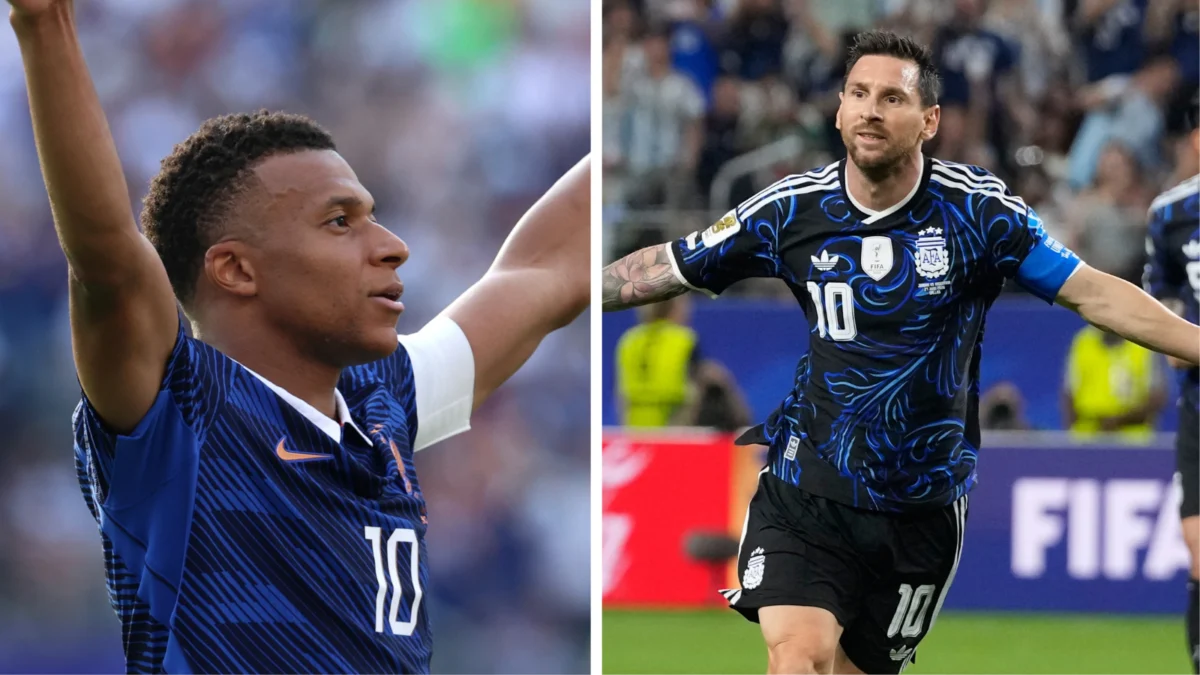
Lionel Messi, already making history by becoming the first player to feature in 30 FIFA World Cup games at kick-off, further etched his name into the annals of the sport. His exquisite strike in the first half not only broke the deadlock but also marked his 20th career World Cup goal, an unprecedented feat, and his seventh in the ongoing 2026 edition, making him the outright leader in the Golden Boot race, surpassing Kylian Mbappé. This goal also extended his incredible scoring streak to eight consecutive World Cup appearances, a testament to his unparalleled consistency.
Yet, despite Messi’s brilliance, Argentina found themselves unable to seal the victory within regulation time. Cape Verde, known for their defensive solidity, displayed remarkable resilience. Their determined efforts culminated in Deroy Duarte’s crucial equalizer, which has forced the match into an additional 30 minutes, keeping the dream alive for the Blue Sharks and sending a clear message to the established footballing powers that no team can be underestimated. The stakes are immense, as Argentina, unlike Norway, England, France, Spain, Brazil, and Portugal who have already secured their Round of 16 berths, now faces an unexpected battle for survival.
A Battle of Wills: The Match Chronology
The atmosphere at Nissan Stadium was electric, a mosaic of blue and white Argentine jerseys interspersed with the vibrant blue of Cape Verdean supporters. Anticipation hung heavy in the air for what many expected to be a routine victory for the South American giants.
Pre-Match Atmosphere and Expectations
The build-up to the match was dominated by the contrast between the two nations. Argentina arrived as defending champions, having swept aside Algeria, Austria, and Jordan in the group stages with commanding performances, scoring eight goals and conceding just one. Lionel Messi was the spearhead of their attack, contributing six of those eight goals. Their fans expected nothing less than a comfortable passage to the Round of 16.
Conversely, Cape Verde entered the Round of 32 as the tournament’s true Cinderella story. Against all odds, they navigated a tough group, frustrating former champions Spain with a goalless draw, and securing crucial draws against Uruguay and Saudi Arabia. They had conceded only two goals throughout the group stages, showcasing an "immovable object" defensive philosophy that had earned them respect, if not fear. Their supporters, a passionate but smaller contingent, arrived with hope in their hearts, dreaming of a moment that could define their nation’s sporting history.
First Half: Argentina’s Dominance, Messi’s Magic
From the opening whistle, Argentina asserted their expected dominance, controlling possession and probing the Cape Verdean defense. The Blue Sharks, as anticipated, deployed a disciplined low block, absorbing pressure and denying space in their defensive third. Argentina’s intricate passing combinations and the relentless runs of their wingers tested Cape Verde’s resolve, but the islanders held firm for the initial exchanges, their goalkeeper making a couple of crucial early saves.
However, the pressure eventually told. In the 29th minute, the moment the stadium had been waiting for arrived. A fluid Argentine attack saw Enzo Fernández thread a perfectly weighted pass through a narrow gap in the Cape Verdean defense. Messi, ghosting past his marker with a characteristic burst of acceleration, collected the ball just inside the box. With a flick of his left foot, he curled a shot with surgical precision, beating the outstretched dive of the Cape Verdean goalkeeper and nestling into the far corner of the net. The stadium erupted in a cacophony of cheers, a collective sigh of relief from the Argentine faithful, and another entry into Messi’s unparalleled record book.
The goal seemed to settle Argentina, who continued to dictate the tempo, though Cape Verde showed glimpses of their counter-attacking potential, often thwarted by the quick reactions of the Argentine midfield and defense. Argentina went into halftime with a 1-0 lead, seemingly in control, with the expectation that the second half would bring more goals and a comfortable win.
Second Half: Cape Verde’s Resilience and Stunning Equalizer
The second half began with Argentina looking to consolidate their lead, but Cape Verde emerged with renewed vigor and belief. Their defensive shape remained resolute, but they started to press higher, showing a greater attacking ambition. The tactical adjustments made by their coach at halftime clearly instilled confidence.
The stunning equalizer arrived in the 59th minute, a moment that will forever be etched in Cape Verdean football folklore. A rare foray into the Argentine half saw a well-worked passing move on the left flank. A low cross into the box found Deroy Duarte, who had made a clever run between two Argentine defenders. Duarte, with composure beyond his years, took a touch and unleashed a powerful shot that rocketed past the Argentine goalkeeper, finding the back of the net. The eruption from the Cape Verdean bench and their fans was instantaneous and deafening – a mix of disbelief and pure jubilation.
The goal completely shifted the dynamic of the match. Argentina, visibly stunned, pushed forward with increased urgency, creating a flurry of chances. Messi, Julián Álvarez, and Lautaro Martínez all had opportunities, but either their shots were off target, or the Cape Verdean goalkeeper produced heroics, making a string of incredible saves. The Blue Sharks, meanwhile, defended with every fiber of their being, blocking shots, winning aerial duels, and throwing their bodies on the line. Their discipline was unwavering, and their spirit indomitable.
As the clock ticked past the 90-minute mark, the tension was palpable. Argentina launched wave after wave of attack, but Cape Verde held firm, seeing out regulation time to force the match into extra time. The final whistle of the second half was met with a mixture of relief and exhaustion from Cape Verde, and palpable frustration and anxiety from Argentina. The "David vs. Goliath" narrative had found its most dramatic chapter yet.
Statistical Deep Dive and Supporting Data
The statistics emerging from this match paint a vivid picture of both individual brilliance and collective defiance.
Messi’s Unprecedented World Cup Journey
Lionel Messi’s performance against Cape Verde was yet another testament to his enduring greatness. His 30th appearance at a FIFA World Cup game further solidifies his status as a titan of the sport, surpassing legends like Lothar Matthäus and Miroslav Klose in terms of longevity and participation at the highest level. This incredible milestone underscores his dedication and the sustained excellence he has maintained across multiple generations of players.
More significantly, Messi’s 29th-minute goal elevated his career World Cup tally to 20, making him the first player in history to cross that formidable mark. This achievement places him ahead of all-time greats like Miroslav Klose (16 goals), Ronaldo Nazário (15 goals), and Pelé (12 goals), cementing his legacy as the most prolific goal scorer in World Cup history. This record is particularly poignant for Messi, who, despite winning nearly every other major honor in football, has consistently chased individual scoring records on the global stage.
His seven goals in the ongoing 2026 World Cup currently lead the Golden Boot race, putting him ahead of fierce competitors like Kylian Mbappé (6 goals, 2 assists), Erling Haaland (5 goals), and Harry Kane (5 goals). The Golden Boot is one of the few major individual accolades that has eluded Messi throughout his illustrious career, having finished second in 2022 (7 goals, one behind Mbappé) and tied for third in 2014 (4 goals). This relentless pursuit adds another layer of drama to his 2026 campaign.
Furthermore, Messi’s goal against Cape Verde marked his eighth consecutive appearance with a goal at the FIFA World Cup, a streak unprecedented in the tournament’s history. This consistency, stretching back to the 2022 tournament, highlights his unparalleled ability to deliver on the biggest stage, often carrying the offensive burden for his national team.
Cape Verde’s Defensive Masterclass
Cape Verde’s journey to the Round of 32 and their performance against Argentina is a masterclass in defensive organization and tactical discipline. In the group stages, they achieved remarkable draws against footballing powerhouses, including a heroic 0-0 stalemate against former champions Spain, and gritty draws against Uruguay and Saudi Arabia. This meant they conceded only two goals in three group stage matches, a phenomenal record for a debutant nation.
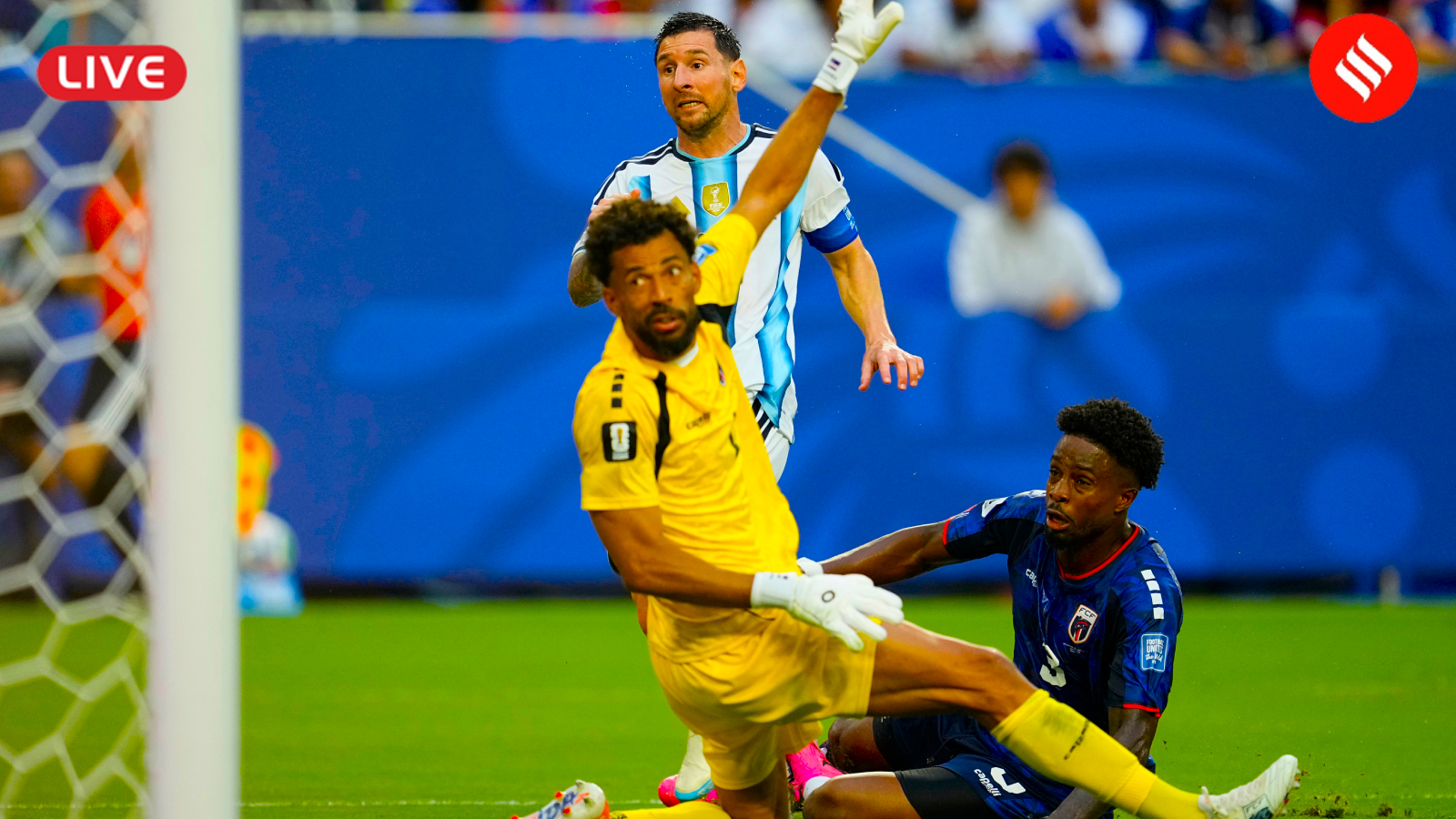
Against Argentina, their defensive solidity was once again on full display. They adopted a compact 4-4-2 formation, often dropping deep to form a robust defensive block, denying Argentina’s creative midfielders and attackers space to operate. Their defenders displayed exceptional communication and anticipation, intercepting passes and making crucial clearances under immense pressure. The performance of their goalkeeper, who made several vital saves, was also instrumental in keeping them in the game.
Deroy Duarte’s equalizer was not just a goal; it was a symbol of their resilience and belief. For a nation with a population of just over half a million, to score against the defending World Champions on such a grand stage is an extraordinary achievement, validating their tactical approach and the spirit of their squad. Their ability to switch from a defensive posture to a dangerous counter-attack, even if infrequent, proved to be their decisive weapon.
The "David vs. Goliath" Narrative in Numbers
The statistical disparity between Argentina and Cape Verde underscores the magnitude of this upset. Argentina, currently ranked 1st in the FIFA world rankings, boasts a squad value estimated in excess of a billion euros, filled with global superstars. Cape Verde, in contrast, hovers around the 70th mark in the FIFA rankings, with a squad value that is a mere fraction of their opponents.
Argentina’s dominance in the group stage, where they comfortably topped Group J by brushing aside Algeria, Austria, and Jordan, scoring eight goals and conceding just one, further highlighted the perceived gulf in class. Lionel Messi alone had scored six of those eight goals prior to this match. Cape Verde, on the other hand, had focused on frustrating opponents and grinding out results. The fact that they not only held Argentina to a draw but also scored against them in regulation time represents a statistical improbability that few would have predicted. This match is a powerful reminder that in football, passion, organization, and belief can often defy the cold hard facts of rankings and squad values.
Reactions and Official Responses
The immediate aftermath of the 90 minutes saw a spectrum of emotions and initial commentary, ranging from shock and anxiety to immense pride and burgeoning hope.
Coaches’ Sentiments (Hypothetical)
Lionel Scaloni (Argentina Coach): "We knew Cape Verde would be tough. Their group stage performances were a clear warning. We got the goal, we created chances, but we couldn’t find that second one to kill the game. Credit to them, they defended incredibly well and took their opportunity. We are champions for a reason; we will regroup and come back stronger in extra time. This is a test of character, and we are ready for it." His pre-match caution, which might have been dismissed by some, now seems prophetic.
Bubista (Cape Verde Coach): "This is an incredible moment for our nation. We believed in ourselves, in our system, and in our spirit. To hold the World Champions, with Messi, to a draw in 90 minutes is something we will tell our grandchildren about. Deroy’s goal was fantastic, a moment of pure quality. We are not done yet. We will fight for every minute of extra time. We have nothing to lose and everything to gain." His words would undoubtedly reflect immense pride and a calm confidence.
Player Perspectives (Hypothetical)
Lionel Messi (Argentina Captain): Post-match, Messi would likely appear focused but visibly frustrated. "It’s a tough one to take, letting them back in. We dominated for large periods, but they were very organized. We need to be more clinical. The records are nice, but the team’s victory is all that matters. We must find a way to win this now." His determination to secure the win for his team would be paramount.
Deroy Duarte (Cape Verde Goal Scorer): "It’s a dream come true, scoring against Argentina at the World Cup. I can’t describe the feeling. It was a team effort, everyone worked so hard. We’ve shown the world what Cape Verde can do. We’re tired, but we’ll dig deep for the next 30 minutes. This is for our people back home." His words would be filled with elation and national pride.
Fan and Media Commentary
The reaction from fans was starkly divided. Argentine supporters, initially celebratory after Messi’s goal, were gripped by anxiety and disbelief as Cape Verde equalized. The stadium’s atmosphere shifted from expectant cheers to nervous murmurs and frantic encouragement. Cape Verdean fans, though fewer in number, erupted in joyous celebrations, their cheers reverberating through the stadium as their team defied expectations. Social media platforms were abuzz with reactions, highlighting the shock value of the equalizer and praising Cape Verde’s fighting spirit.
Sports media outlets, both traditional and online, immediately shifted their focus to the unfolding drama. Headlines would undoubtedly scream about the "Giant Killers" or "Messi’s Nightmare," acknowledging the historic nature of the upset. Commentators would praise Cape Verde’s tactical brilliance and defensive resilience, while questioning Argentina’s inability to close out the game against a seemingly weaker opponent. The "David vs. Goliath" narrative would be amplified, celebrating the magic of the World Cup where anything is possible.
Implications and What Lies Ahead
The outcome of the 90 minutes has profound implications for both teams, the tournament, and the broader narrative of international football.
For Argentina: A Test of Character
For the defending champions, being held to a draw by a World Cup debutant is a significant psychological blow. It raises questions about their defensive solidity and their ability to put away chances when it matters most. The pressure to defend their title, already immense, will only intensify as they head into extra time. A loss, or even a struggle through penalties, could severely dent their confidence and alter their perceived invincibility.
The psychological impact on Lionel Messi, despite his personal milestones, cannot be understated. He carries the weight of a nation’s expectations, and while his individual brilliance is undeniable, the team’s collective performance in closing out games will be scrutinized. Their path to the Round of 16, which was expected to be smooth, has now become a treacherous battle, forcing them to expend valuable energy and potentially impacting their readiness for subsequent, tougher fixtures. This match serves as a crucial test of their resilience, leadership, and mental fortitude under unexpected pressure.
For Cape Verde: A Nation Transformed
Regardless of the final outcome of extra time, Cape Verde has already achieved something extraordinary. Their performance has put them firmly on the global football map, transforming them from a little-known archipelago into a symbol of defiance and underdog spirit. This historic showing will undoubtedly inspire a generation of young Cape Verdean footballers and elevate the profile of the sport within the nation.
The Cinderella story, which has captivated audiences worldwide, continues. Even if they don’t advance, this performance against the reigning champions will be etched in their national memory as a moment of immense pride. It could lead to increased investment in their football infrastructure, greater recognition for their players, and a surge in national identity tied to their sporting achievements. Cape Verde has shown that passion and disciplined execution can bridge the gap created by resources and historical pedigree.
The Broader World Cup Narrative
This thrilling encounter reinforces the unpredictable and captivating nature of the FIFA World Cup. It highlights the closing gap between traditional footballing giants and emerging nations, demonstrating that meticulous planning, collective effort, and unwavering belief can challenge even the most formidable opponents. It adds immense drama to the Round of 32, ensuring that no team can afford to be complacent, regardless of their opponent’s perceived strength.
The match also serves as a potent reminder that the tournament is not just about the established narratives but also about the new stories being written, the underdogs rising, and the moments of sheer sporting brilliance that capture the imagination of millions.
Golden Boot Race Intensifies
Messi’s seventh goal has firmly placed him at the top of the Golden Boot race, but the competition remains fierce. Kylian Mbappé (6 goals) and others like Erling Haaland (5 goals) and Harry Kane (5 goals) are hot on his heels. The added minutes of extra time, and potentially future matches, will be crucial for Messi to solidify his lead and finally claim this elusive individual honor. The intensity of this race adds another layer of excitement for fans, as every goal scored by the top contenders will now carry even greater significance.
As the teams head into extra time, the world holds its breath, witnessing a spectacle that epitomizes the very essence of the beautiful game: unexpected drama, individual genius, collective resilience, and the relentless pursuit of glory against all odds.
