

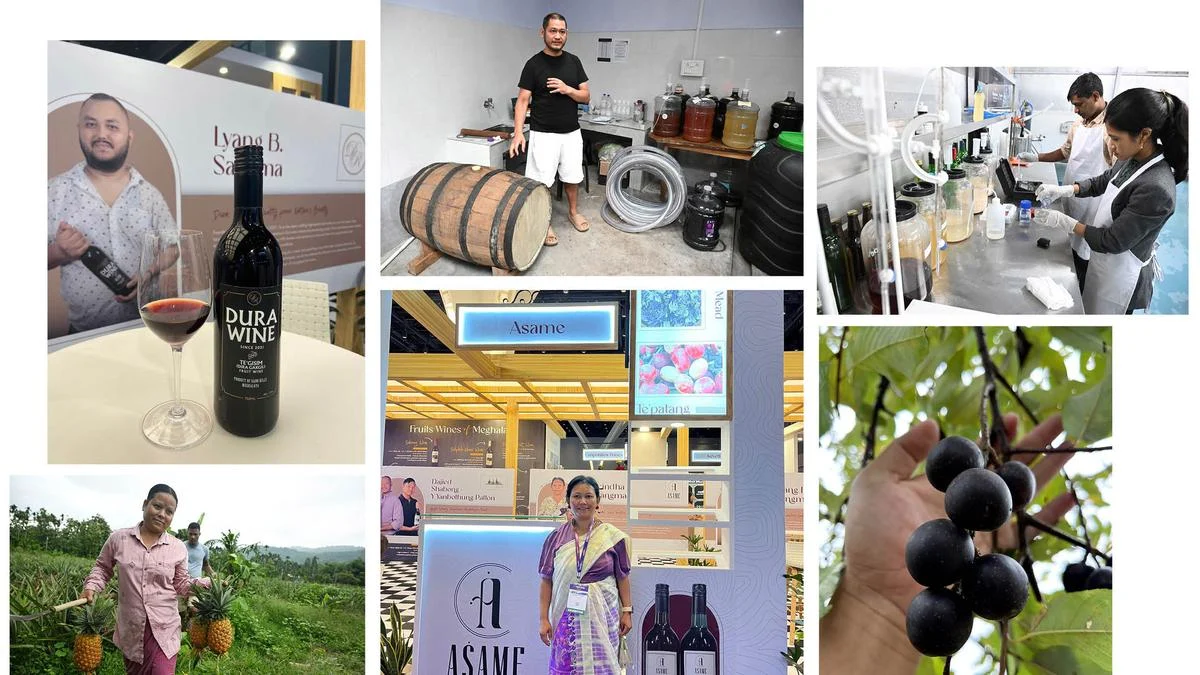
SHILLONG, MEGHALAYA — In the mist-shrouded hills of Northeast India, a quiet revolution is fermenting. It is a movement defined not by the traditional grape, but by the "fruit with a dot in its name"—the te.gism. Historically a wild inhabitant of the Garo Hills’ dense jungles, this Himalayan cherry (Prunus jenkinsii) has transitioned from a botanical curiosity to the centerpiece of a burgeoning commercial wine industry that is redefining the economic landscape of Meghalaya.
I. Main Facts: The Rise of the Non-Grape Elixir
Meghalaya, often referred to as the "Abode of Clouds," is witnessing a significant shift in its viticulture identity. While the global wine market has long been dominated by Vitis vinifera (grapes), local entrepreneurs in Tura and Shillong are leveraging the state’s rich biodiversity to produce exotic fruit wines, meads, and carbonated beverages.
At the heart of this movement is the te.gism. Virtually unknown to the scientific community until botanists documented it less than a decade ago, the fruit has become a cult favorite among connoisseurs. The industry’s growth was recently spotlighted at Vinexpo India 2024 in Mumbai, where Meghalaya’s fruit wines were showcased to international experts.
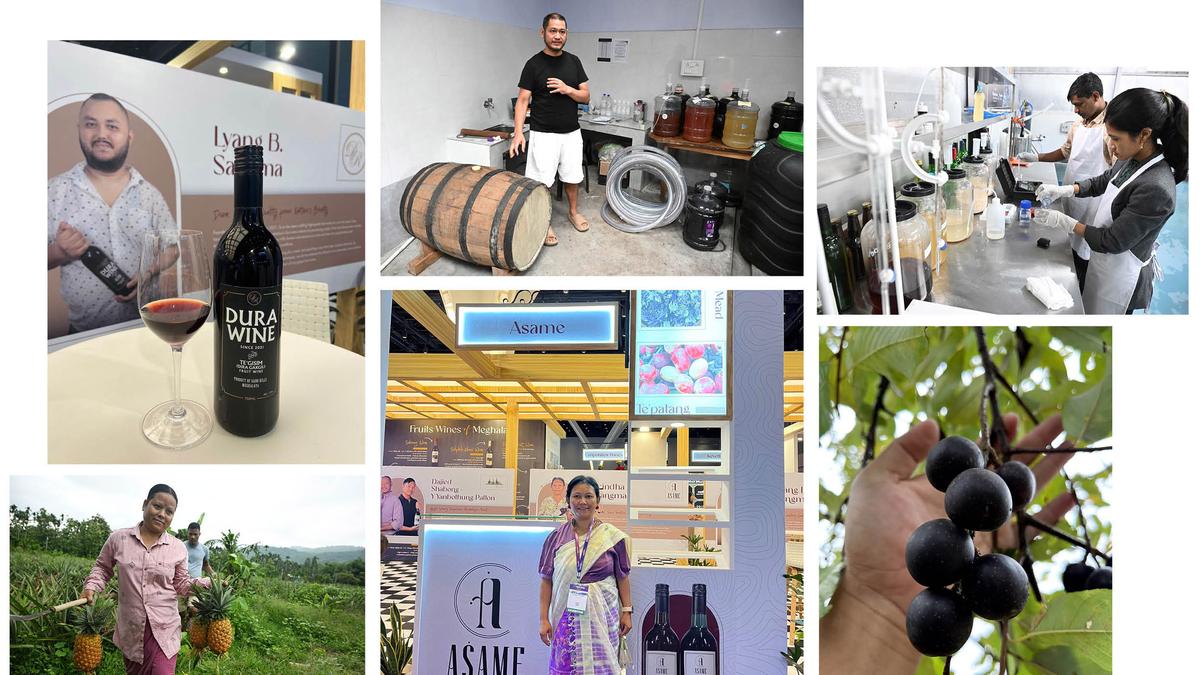
Lyang B. Sangma, founder of Dura Wine, represents the new face of this industry. His te.gism wine, characterized by its deep, dark red hue and complex flavor profile, received critical acclaim at the expo. "The reaction from experts was that my product has possibilities far beyond my hometown of Tura," Sangma noted, highlighting a shift from domestic gifting to commercial scalability.
The diversity of the portfolio is staggering. Beyond the Himalayan cherry, winemakers are utilizing:
- Te.patang (Blood Fruit): A sweet and sour fruit (Haematocarpus validus) that produces a vibrant red wine.
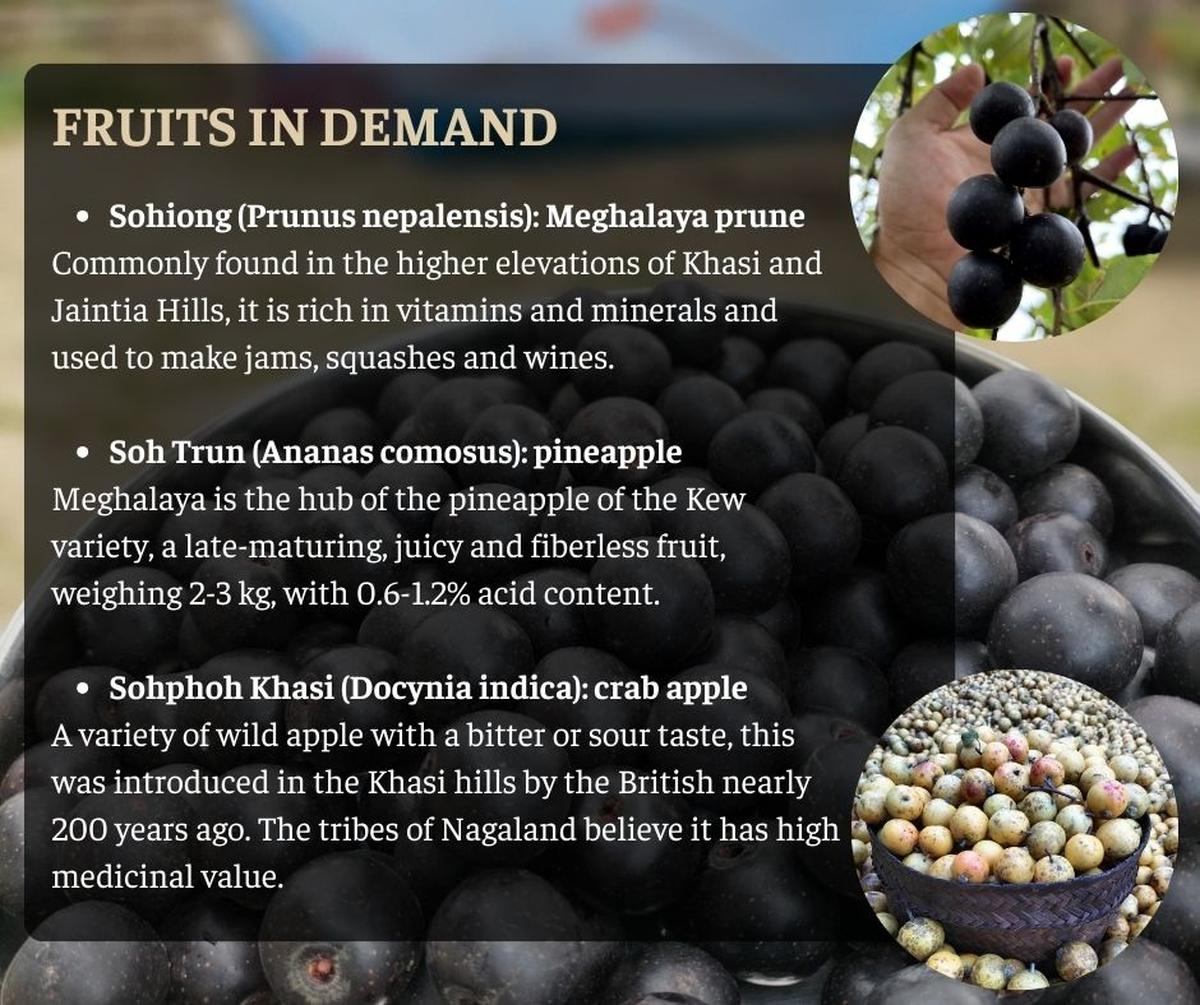
- Sohiong (Meghalaya Prune): A vitamin-rich fruit found in higher elevations.
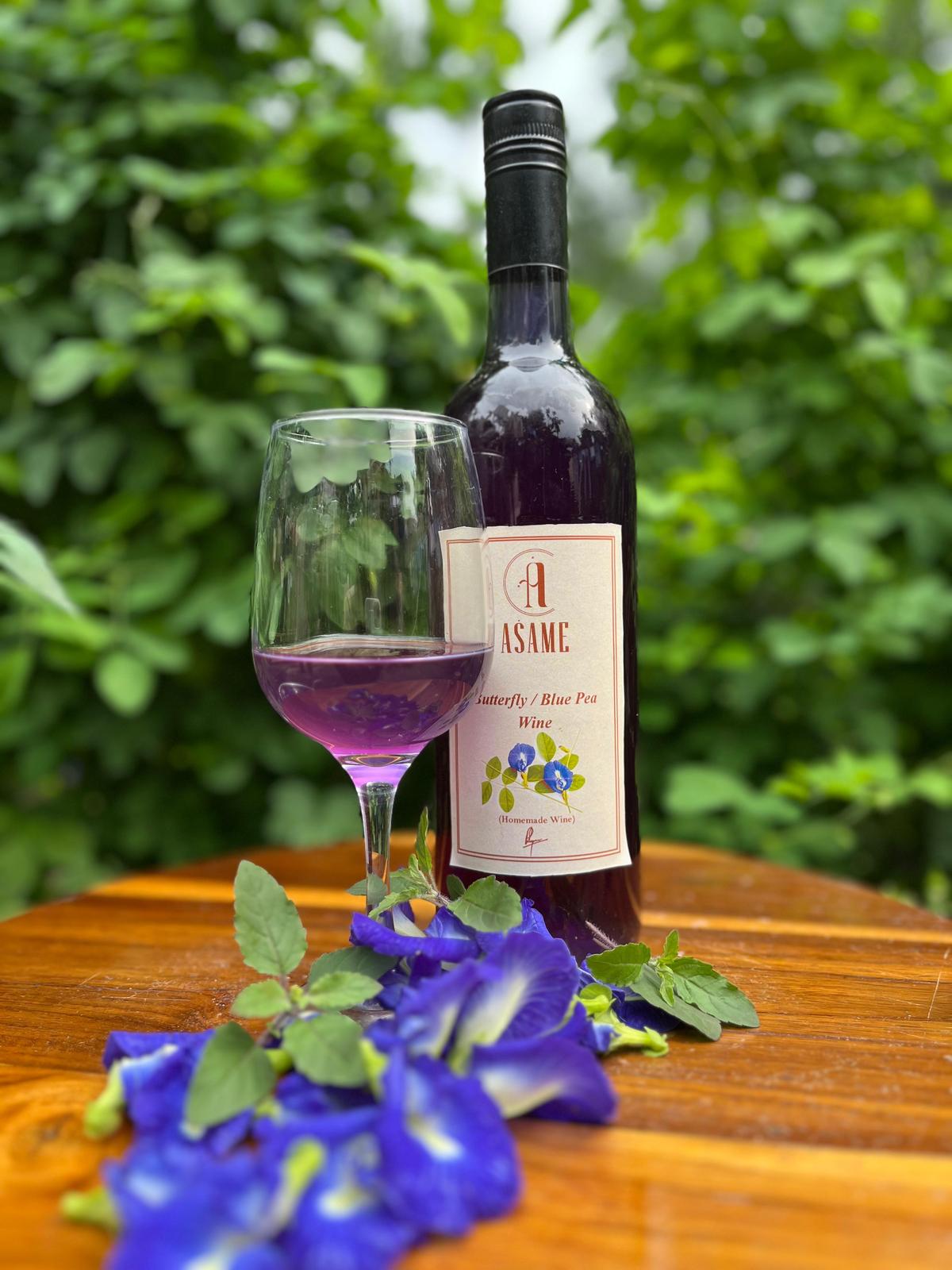
- Butterfly Pea Flower: Used to create a striking "blue wine" infused with honey.
- Indigenous Wild Fruits: Including sohphie (box myrtle), sohshang (silverberry), and sohphoh khasi (wild apple).
Currently, 17 winemakers have transitioned to full commercial production, supported by modern scientific equipment and government-backed machinery grants.

II. Chronology: From Sacred Groves to Commercial Wineries
The journey of Meghalayan wine is a tapestry of colonial history, grassroots activism, and modern policy intervention.
1947–1980s: The Pioneer Era
The industry traces its roots back to Captain Harold Douglas Hunt, an officer in the British army who is often called the "Father of Wine in Meghalaya." Settling in the village of Mawphlang, Hunt established the state’s first winery in 1947. He utilized fruits gathered from the outskirts of the Mawphlang Sacred Groves to produce the legendary "Mawphlang Cherry Wine." His operation created a self-sustaining ecosystem for local farmers until his death in the 1980s led to the winery’s closure.
2004: The Grassroots Spark
For two decades, winemaking remained a localized, informal hobby. In 2004, Michael Syiem of the Forever Young Club organized Shillong’s first wine festival. This annual event was pivotal in destigmatizing fruit wine and encouraging millennials to view indigenous beverages as "cooler" and more authentic than imported grape wines.

2019–2020: The Legislative Turning Point
The modern "renaissance" began in earnest with the establishment of the Meghalaya Farmers Empowerment Commission (MFEC) in 2019. Recognizing the economic potential of the sector, the state government took a radical step in September 2020 by amending the Meghalaya Excise Rules. This amendment legalized homemade wines and provided a clear licensing framework for local winemakers to go commercial.
2021–Present: The Industrial Leap
Since 2021, the sector has professionalized rapidly. Entrepreneurs like Lyang B. Sangma and Pecindha K. Sangma (of the Asame brand) launched commercial labels. The state also established the North East Fruit Wine Incubation Centre in 2023, the first of its kind in the region, to provide technical training to the next generation of vintners.
III. Supporting Data: The Economics of Fermentation
The transformation of the fruit wine sector is backed by compelling economic indicators that suggest a high return on investment for the state’s agrarian economy.

Capital and Production
- Winery Capacity: A standard 5,000-litre capacity winery costs approximately ₹50 lakh to establish (excluding land).
- Employment: Approximately 400 families are now directly or indirectly employed by licensed wineries.
- Training: The Incubation Centre has trained 137 individuals in the scientific "90-day fruit-to-bottle" process since 2023.
Fiscal Incentives
Meghalaya offers arguably the most attractive tax regime for winemakers in India:
- Value Added Tax (VAT): 0% (Compared to 4%–53% in other Indian states).
- Levies: Only an ad valorem fee of ₹100 per case (12 bottles) and a minimal lifting fee of ₹10 per case.
- Retail Price: An average 750ml bottle retails for approximately ₹600, making it accessible yet premium.
Impact on Agriculture
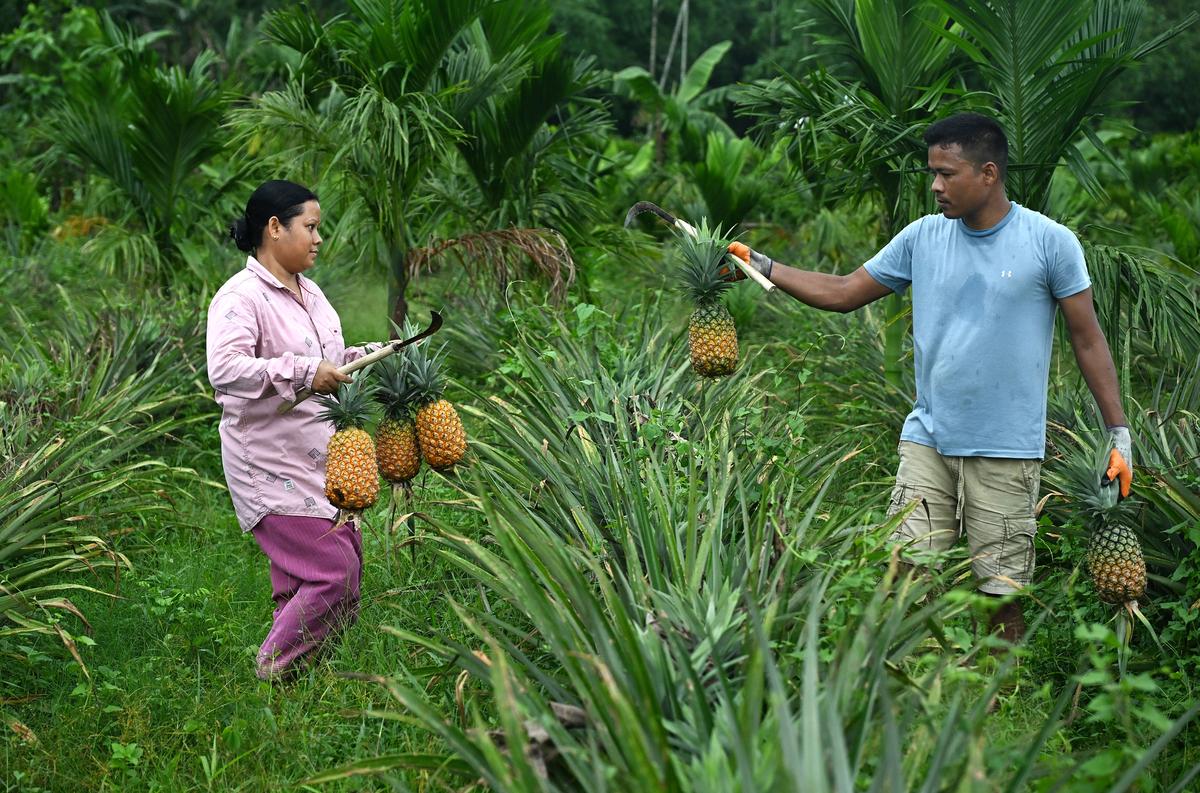
The winemaking industry has become a primary tool for reducing "farm waste"—a chronic issue in a state where 40% of produce typically rots due to difficult terrain and lack of cold storage.
- Sohiong Tree Income: A farmer who previously earned ₹3,000 per tree now earns ₹15,000 per season by selling to winemakers.
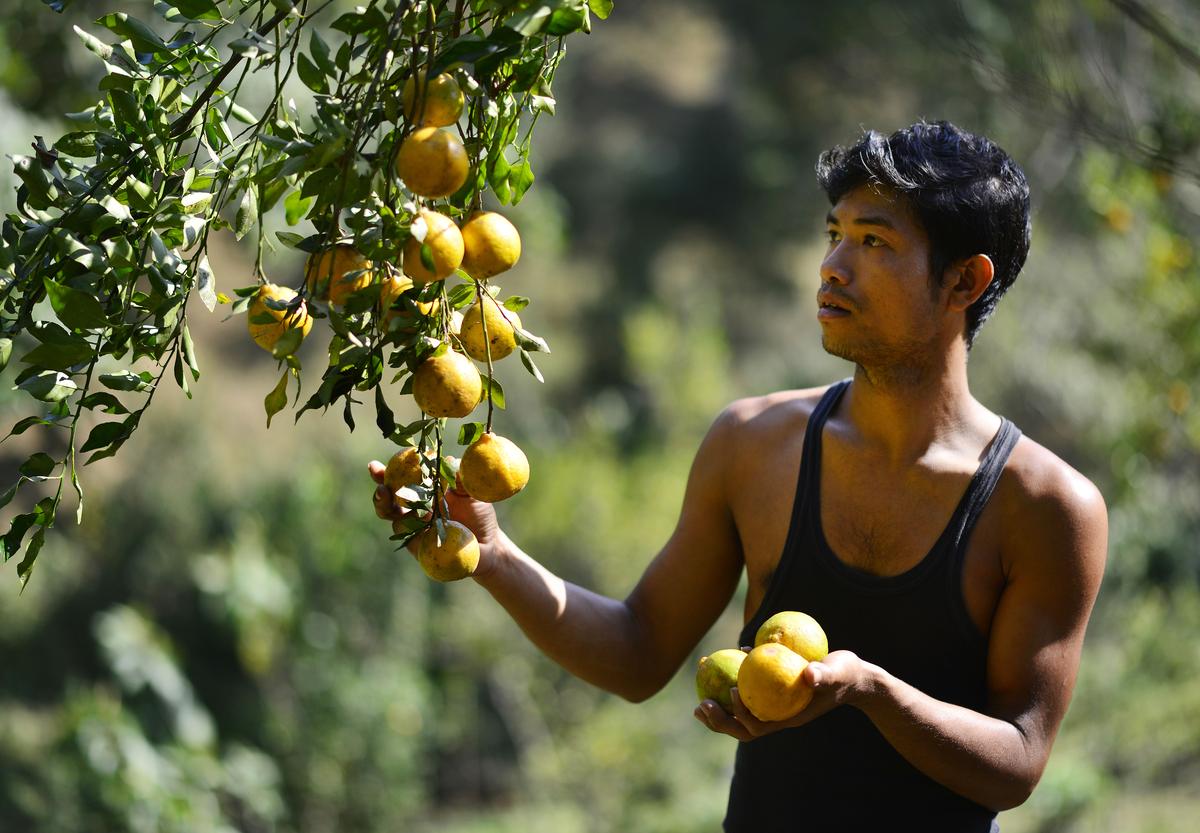
- Diversified Crops: Income for kiwi, plum, and orange farmers has increased from ₹30,000 to over ₹3 lakh per season.
- Resource Intensity: It takes approximately one tonne of fruit to produce 200 litres of high-quality wine.
IV. Official Responses: A Policy-Driven Success Story
Government officials and industry experts view the fruit wine sector as a cornerstone of the state’s "Value Chain Development" strategy.
B.K. Sohliya, Chairman of the MFEC, emphasizes the scientific nature of the transition. "Winemaking is an art that is mostly science," he stated. He credits Chief Minister Conrad K. Sangma for the proactive stance of the government. "We have moved from five licensed winemakers to 17 in just three years. We are now second only to Himachal Pradesh in terms of fruit wine production."
The government has also roped in technical partners like Priyanka Save of Himachal Nectars to provide certification courses, ensuring that local products meet national and international quality standards.
Rajesh Swarnakar, a professional wine and spirit taster, notes the marked improvement in the product’s quality. "The texture and taste have improved significantly, achieving a better balance of sugar and alcohol, usually around 10% ABV (Alcohol by Volume). While they are still catching up to the apple-based wines of Himachal Pradesh, the trajectory is impressive given how recently the Meghalaya government became involved."
V. Implications: Sustainability, Heritage, and the Future
The rise of the Meghalayan fruit wine industry carries profound implications for the region’s future, touching on environmental conservation, cultural pride, and rural development.
1. Conservation through Commercialization
The demand for wild fruits like te.gism and te.patang has incentivized villagers to protect local forests. Instead of clearing jungles for timber or shifting cultivation (Jhum), communities are now preserving "jungle orchards." The sacred groves of Mawphlang serve as a genetic repository for these species, and the economic value of the fruit ensures their continued protection.
2. Rural Empowerment and Gender Roles
The industry has seen a significant participation of women. Vintners like Pecindha K. Sangma and Meldorah Wanniang are not just making wine; they are managing complex supply chains and coordinating with forest-dwelling communities to collect honey and fruit. This has created a new class of rural female entrepreneurs.
3. "Brand Meghalaya" and Tourism
Wine tourism is the next logical step. Andrew Nongdhar, grandson of Captain Hunt, is currently renovating his grandfather’s historic cottage near the sacred groves to revive the "Mawphlang Cherry Wine" brand. By linking the history of the "Father of Wine" with modern tasting rooms, Meghalaya is positioning itself as a "Boutique Wine Destination," similar to the Nashik region in Maharashtra but with a unique, exotic twist.
4. Supply Chain Resilience
By shifting from "gathering" to "farming" wild fruits, the state is building a resilient agricultural base. Urban startups like Kynjai Wine in Shillong are signing long-term agreements with farmers, ensuring price stability and reducing the vulnerability of rural workers to market fluctuations.
Conclusion
Meghalaya’s fruit wine industry is more than a commercial venture; it is a reclamation of indigenous identity. By turning the "fruits of the jungle" into sophisticated, bottled elixirs, the state is proving that economic development does not have to come at the cost of biodiversity. As the dark red te.gism flows from the hills of Tura to the glasses of connoisseurs in Mumbai and beyond, it carries with it the promise of a sustainable, prosperous future for the Northeast.
For the winemakers of Meghalaya, the "dot in the name" of their favorite fruit represents a full stop to the era of farm waste and the beginning of a new chapter in Indian viticulture.
