


Delhi, India – The international cricketing world is mourning the profound loss of Shapoor Zadran, the fiery left-arm pacer who became synonymous with Afghanistan’s remarkable journey onto the global stage. Zadran, a beloved figure known for his distinctive long hair, aggressive bowling, and an unwavering spirit, passed away in Delhi at the age of 38 after a courageous battle with Stage 4 Hemophagocytic Lymphohistiocytosis (HLH), a rare and aggressive autoimmune disease. His untimely demise, announced on Tuesday, came just a day before what would have been his 39th birthday, casting a pall of sorrow over a nation and a sport that he helped define.
Main Facts: A Life Etched in Afghan Cricket History
Shapoor Zadran’s death marks the end of an era for Afghanistan cricket, a sport that he, alongside a generation of determined athletes, elevated from obscurity to international recognition. The news of his passing was confirmed by the Afghanistan Cricket Board (ACB) and his younger brother, Ghamai Zadran, leaving a void that will be deeply felt by fans, teammates, and administrators alike.
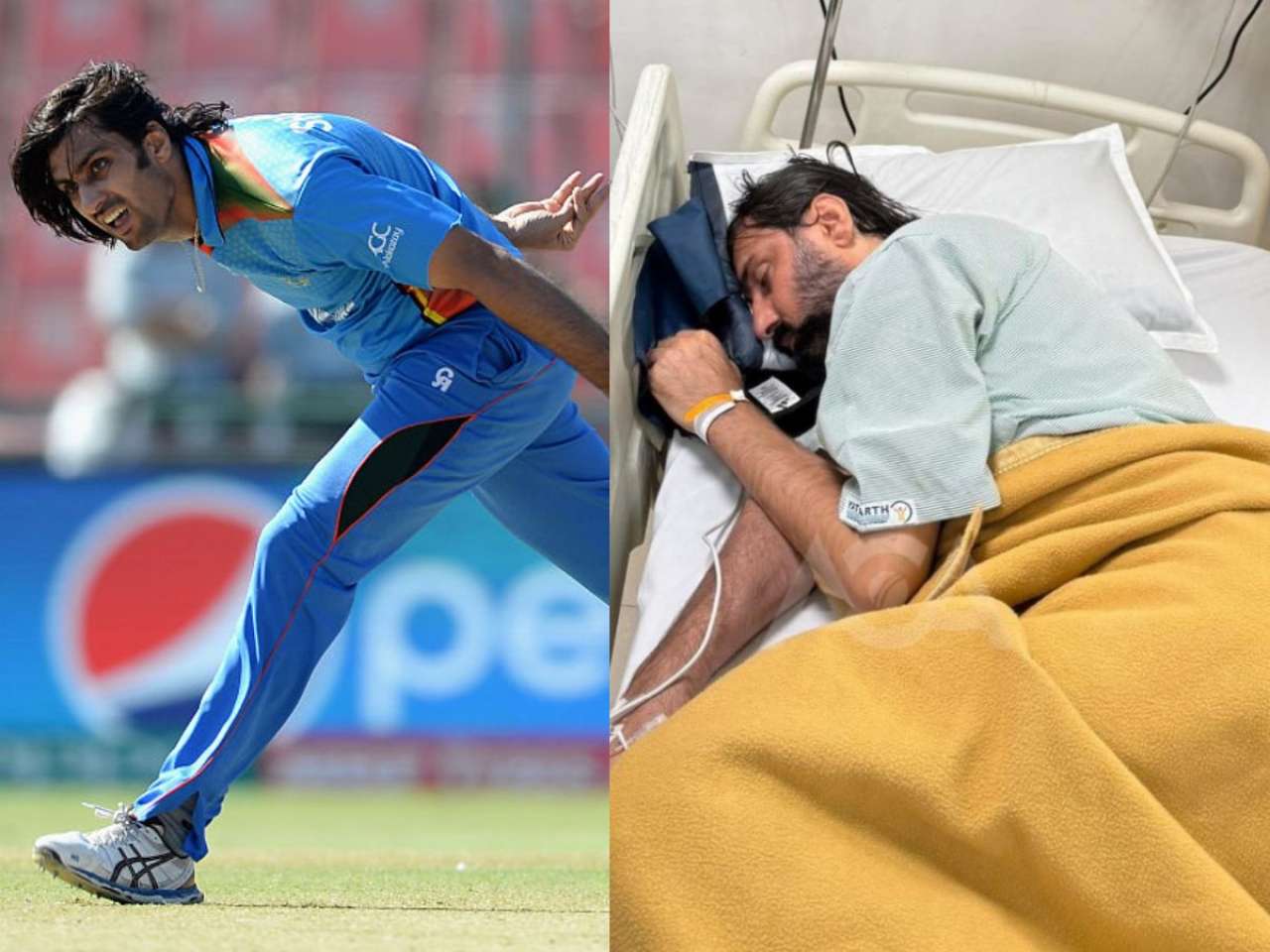
At 38, Zadran had already etched his name into the annals of Afghan sporting history, not just for his cricketing prowess but for embodying the resilience and aspirations of a nation. His battle with HLH, a severe systemic inflammatory syndrome, had been protracted, necessitating advanced medical care in India. Despite initial hopes for recovery, his condition deteriorated rapidly, culminating in this tragic outcome. His legacy, however, remains indelible – a testament to a career built on passion, skill, and an unyielding commitment to his country.
Chronology of Illness and Treatment: A Valiant But Ultimately Losing Battle
The final chapter of Shapoor Zadran’s life was marked by a gruelling struggle against a formidable adversary: his own immune system. His health issues first emerged late last year, prompting serious concern among his family and the cricketing fraternity. Recognizing the severity of his condition, Zadran travelled to Delhi, India, a hub for advanced medical treatments, in pursuit of specialized care.
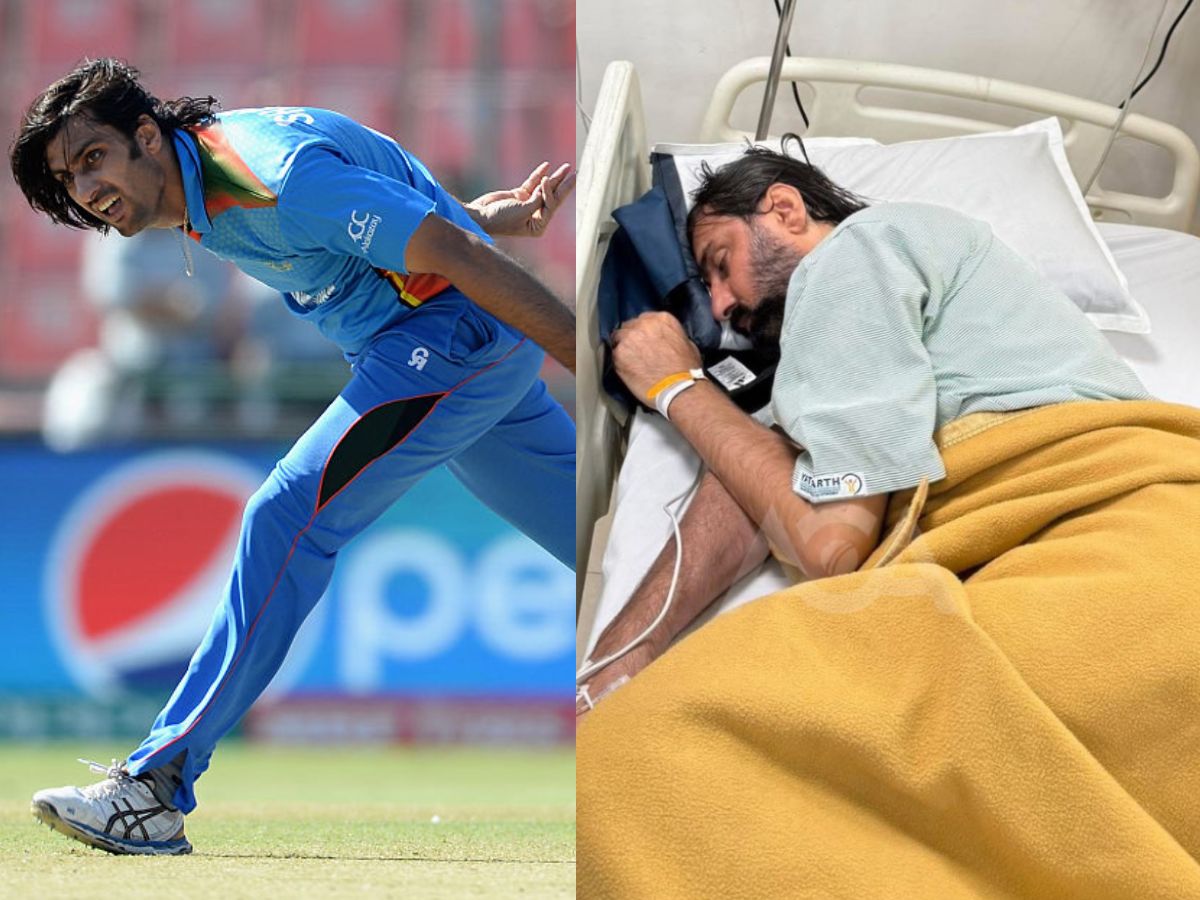)
Initially, there were glimmers of hope. Reports from his medical team suggested an improvement in his condition, leading to his discharge from the hospital. However, this period of respite was tragically short-lived. Just a few weeks after returning home, Zadran’s health took a sharp and alarming turn for the worse. He began experiencing a persistent high fever, coupled with a drastic decline in his red blood cell count – critical indicators of a deepening health crisis.
He was promptly readmitted to a hospital in Delhi, where medical professionals embarked on a rigorous diagnostic process. The initial assessments were challenging, with doctors initially suspecting common illnesses prevalent in the region, such as dengue fever. The complexity and rarity of HLH often lead to misdiagnosis, as its symptoms can mimic those of other, more common conditions. However, the medical team persisted, conducting a comprehensive battery of tests, including a crucial bone marrow examination. It was this meticulous evaluation that ultimately led to the devastating diagnosis: Stage 4 Hemophagocytic Lymphohistiocytosis.

HLH, as it was finally identified, is a life-threatening immunodeficiency disorder characterized by an overactive immune response, leading to uncontrolled inflammation and organ damage. Stage 4 signifies an advanced and highly aggressive form of the disease, making treatment incredibly challenging. Despite the best efforts of medical professionals and Zadran’s own courageous fight, the advanced stage of the illness proved insurmountable. His passing just a day before his 39th birthday added an poignant layer of sorrow to an already heartbreaking narrative, emphasizing the cruel timing of his battle’s end.
Supporting Data: A Career Forged in Adversity and Defined by Passion
Shapoor Zadran’s career was more than just a sequence of matches and wickets; it was a powerful narrative woven into the very fabric of Afghanistan’s emergence as a cricketing nation. His journey reflected the broader story of Afghan cricket itself – a tale of perseverance, raw talent, and an unwavering spirit against immense odds.
)
Early Life and Cricket’s Rise in Afghanistan
To truly appreciate Shapoor Zadran’s impact, one must understand the unique context of Afghan cricket. Unlike established cricketing nations, Afghanistan’s love affair with the sport largely blossomed in refugee camps in Pakistan during decades of conflict. Players like Zadran emerged from a landscape where formal infrastructure was minimal, and opportunities were scarce. Their passion for the game transcended political instability and socio-economic challenges, transforming cricket into a symbol of national pride and unity. Zadran, with his fierce demeanor and electrifying pace, quickly became one of the most recognizable faces of this improbable rise, inspiring countless young Afghans to dream of sporting glory.
Statistical Overview: A Pillar of Afghanistan’s Bowling Attack
Between 2009 and 2020, Shapoor Zadran was a consistent and formidable presence in Afghanistan’s bowling attack. He represented his country in 44 One Day Internationals (ODIs) and 36 T20 Internationals (T20Is), accumulating a respectable tally of 80 international wickets. These numbers, while impressive, only tell part of the story of a bowler who often led from the front, especially in the formative years of Afghan cricket.
)
His ODI debut against the Netherlands was a spectacular introduction to international cricket, where he ripped through the opposition with figures of 4/24. This performance immediately signaled his potential as a wicket-taking bowler, capable of turning matches with his raw pace and aggressive approach. Throughout his career, Zadran remained a key component of Afghanistan’s strategy, often entrusted with breaking partnerships and providing crucial breakthroughs in challenging situations.
The Iconic 2015 World Cup Legacy: A Nation’s Roar
While his entire career was significant, Shapoor Zadran’s legacy is perhaps most vividly encapsulated by his heroics during the 2015 ICC ODI World Cup in Australia and New Zealand. This tournament marked Afghanistan’s historic debut on cricket’s biggest stage, a monumental achievement for a team that had defied all expectations. Zadran, true to form, rose to the occasion, becoming his nation’s leading wicket-taker with 10 scalps.
)
His best performance came in a thrilling encounter against Scotland, where he claimed a career-high 4/38. However, it was not just his bowling that made headlines that day. In a nail-biting finish, with Afghanistan chasing a modest target, Zadran found himself at the crease, tasked with scoring the winning runs. With immense pressure on his shoulders, he delivered, hitting the decisive boundary that secured Afghanistan’s first-ever victory in a World Cup match.
What followed was an unforgettable moment of pure, unadulterated joy. Zadran, overcome with emotion, embarked on an iconic, heartfelt triumph sprint across the field, arms aloft, celebrating with a passion that resonated deeply with every Afghan watching. This image, broadcast globally, became one of the most enduring and memorable events in Afghan sports history. It wasn’t just a win; it was a declaration, a moment of national pride, and a testament to the dreams that had been nurtured in difficult circumstances. Zadran’s sprint symbolized the collective spirit of a nation, proving that with determination, anything was possible. It cemented his status not just as a cricketer, but as a national hero.
)
Bowling Style and Idols: The "Rawalpindi Express" Influence
Shapoor Zadran’s bowling style was as distinctive as his personality. Known for his unusual long hair that often flew behind him as he charged in, he possessed a fiery left-arm pace that troubled batsmen worldwide. His aggressive approach and ability to generate significant swing and bounce drew comparisons to his idol, Pakistan’s legendary fast bowler Shoaib Akhtar, famously known as the "Rawalpindi Express."
Like Akhtar, Zadran’s run-up was dynamic, his delivery stride powerful, and his follow-through passionate. He attacked the stumps, wasn’t afraid to bowl short, and his deliveries often carried an extra zip that surprised opponents. This aggressive style, coupled with his visible passion and competitive spirit, made him a crowd favourite and a formidable opponent. He wasn’t just bowling; he was performing, captivating audiences with every ball. His idol’s influence was evident in his desire to bowl fast, scare batsmen, and provide thrilling moments of pure pace bowling.
)
Beyond Statistics: The Intangible Impact
The Afghanistan Cricket Board rightly honoured Zadran by calling him a "foundation-laying figure." This appellation speaks to his impact beyond mere statistics. He was a pioneer, part of the generation that laid the groundwork for Afghanistan’s ascent in international cricket. His unwavering commitment and enthusiasm were infectious, sparking the explosive growth of the sport within the country.
Zadran served as an inspiration, demonstrating that with hard work and dedication, cricketers from Afghanistan could compete on the world stage. He was a mentor to younger players, a standard-bearer for professionalism, and a living embodiment of the spirit and resilience that define Afghan cricket. His presence in the dressing room, his competitive fire on the field, and his genuine love for the game shaped the ethos of a budding cricketing nation.
)
Official Responses and Tributes: A Global Outpouring of Grief
The news of Shapoor Zadran’s passing has triggered a wave of sorrow and heartfelt tributes from across the cricketing world, underscoring his profound impact and the respect he commanded.
Afghanistan Cricket Board (ACB) Statement
The Afghanistan Cricket Board was among the first to express its deep condolences, releasing a poignant statement acknowledging Zadran’s immense contributions. The ACB hailed him as a "foundation-laying figure" whose "unwavering commitment and enthusiasm sparked the explosive growth of international cricket in Afghanistan." Their statement emphasized that Zadran was not merely a player but a crucial architect in the development of the sport in the nation. "Shapoor Zadran’s dedication transcended the boundaries of the cricket field," an ACB official statement might read. "He was a beacon of hope, an inspiration to millions, and a testament to the power of sport in uniting a nation. His legacy will forever be intertwined with the success story of Afghan cricket." The board pledged to honour his memory and continue to build upon the foundations he helped establish.
)
Teammates and Former Players
The news has undoubtedly hit his former and current teammates particularly hard. Many Afghan cricketers, having grown up playing alongside Zadran, will remember him as a mentor, a fierce competitor, and a cherished friend. Expect an outpouring of personal tributes from players like Rashid Khan, Mohammad Nabi, and Asghar Afghan, who shared the dressing room with him for years. "Shapoor bhai was more than a teammate; he was an elder brother, a motivator, and a true warrior," a former captain might share on social media. "His energy was infectious, his passion boundless. He taught us to fight, to believe, and to never give up. We will miss his roar, his smile, and his incredible heart." These personal anecdotes will paint a picture of a man who was not only a gifted athlete but also a vital part of the team’s camaraderie and spirit.
International Cricket Community
Beyond Afghanistan, the international cricket community has joined in mourning. Boards, commentators, and players from around the globe have expressed their condolences, acknowledging Zadran’s unique place in the sport. His distinctive bowling action, memorable celebrations, and the powerful narrative of Afghan cricket’s rise resonated with fans worldwide. Social media platforms are likely to be flooded with messages of sympathy, highlighting the "irreversible death of this trailblazing athlete." From former opponents who respected his skill to cricketing legends who admired his journey, the global reaction underscores the universal appeal of his story and the profound sadness felt at his premature departure. His passing serves as a stark reminder of the fragility of life and the deep bonds forged through the shared love of cricket.
)
Implications and Legacy: An Enduring Spirit
Shapoor Zadran’s passing is more than the loss of a cricketer; it is the loss of a symbol, a pioneer, and an embodiment of resilience. His legacy will continue to shape the trajectory of Afghan cricket and inspire future generations.
The Future of Afghan Cricket
The void left by Shapoor Zadran’s absence will be keenly felt within the Afghanistan national team. While the team has evolved and boasts a new generation of stars, the foundational figures like Zadran provided the initial impetus and set the standards. His spirit of aggressive, passionate cricket will undoubtedly continue to influence the team’s approach. His journey from the nascent stages of Afghan cricket to the World Cup stage serves as a powerful testament to what can be achieved, and this narrative will continue to be a source of motivation for young Afghan cricketers dreaming of international success. His passing reinforces the importance of honouring the pioneers who paved the way.
)
Raising Awareness of HLH
Tragically, Zadran’s death also brings a rare and devastating disease, Hemophagocytic Lymphohistiocytosis (HLH), into the public consciousness. HLH is a severe, life-threatening inflammatory syndrome that can affect individuals of any age. It is characterized by an uncontrolled activation of immune cells, leading to widespread inflammation and organ damage. The disease is often difficult to diagnose due to its varied symptoms that mimic more common illnesses, as was initially the case with Zadran. His high-profile battle with Stage 4 HLH underscores the critical need for greater awareness, research, and early diagnosis of such rare conditions. His case, though tragic, may inadvertently contribute to better understanding and ultimately, better outcomes for others afflicted by this aggressive disease.
A Symbol of Resilience and Hope
Above all, Shapoor Zadran will be remembered as a symbol of resilience and hope. His life story mirrors that of Afghanistan itself – a narrative of overcoming immense challenges, finding strength in adversity, and emerging with dignity and determination. His fiery bowling, his iconic celebratory sprint at the 2015 World Cup, and his unwavering commitment to his country transcended the boundaries of sport. He showed the world the passion and talent that resided within Afghanistan, proving that even amidst turmoil, dreams could flourish.
)
His legacy is one of courage, dedication, and an unyielding spirit. He was a warrior on the field and fought bravely off it. The international cricket community, alongside his beloved nation, will forever cherish the memory of Shapoor Zadran – a trailblazing athlete whose spirit will continue to inspire for generations to come. His place in the annals of Afghan sporting history is not merely secured; it is enshrined, a powerful reminder of a life lived with extraordinary passion and purpose.
