

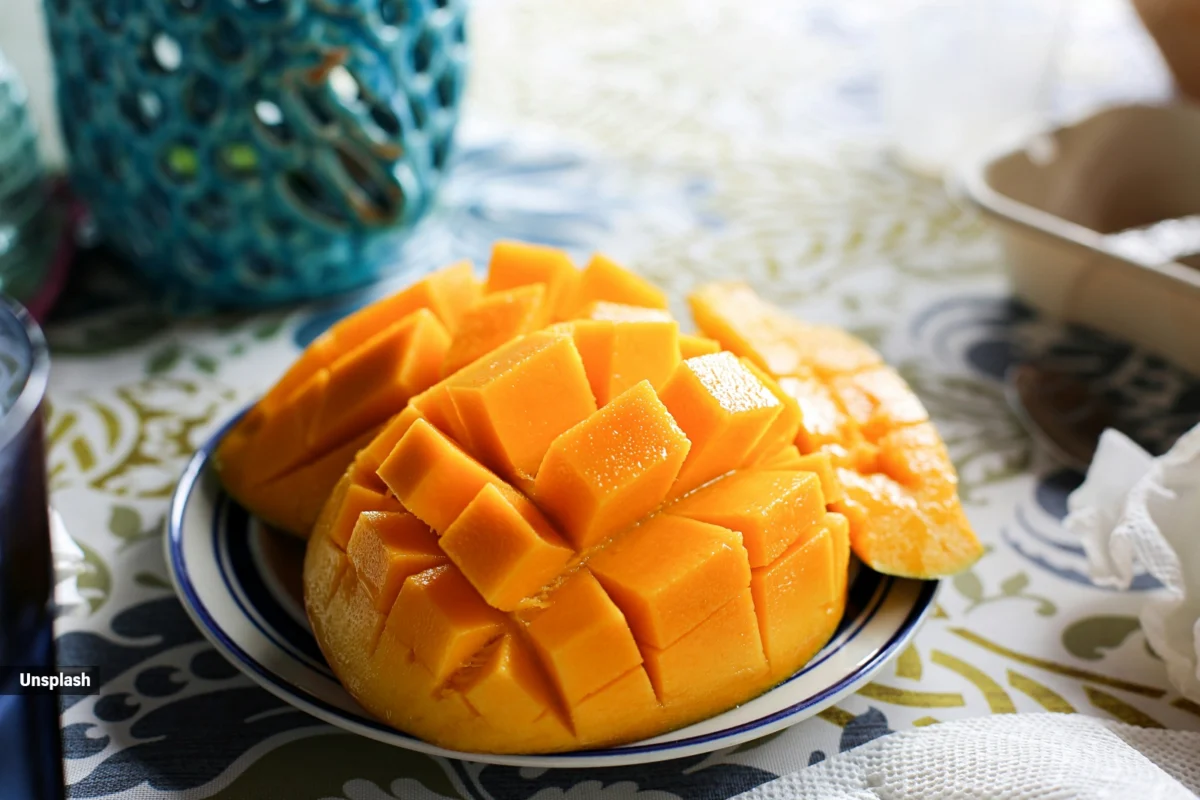
NEW DELHI – In a season where the sweltering heat of the Indian summer begins to give way to the humid arrival of the monsoon, one cultural staple remains constant: the obsession with mangoes. This year, the national fervor reached a fever pitch when global superstar Priyanka Chopra Jonas, currently filming in Hyderabad, took to social media to share her personal indulgence in the local "Himayat" variety. While the images of diced golden fruit served in a simple tiffin box resonated with millions, they also reignited a perennial debate regarding the nutritional trade-offs of India’s favorite fruit.
As Chopra’s "mango love" went viral, health experts and nutritionists have stepped forward to provide a nuanced perspective. The central question remains: Can one enjoy the seasonal bounty of mangoes without compromising fitness goals or metabolic health?
Main Facts: A Celebrity Endorsement of the ‘Himayat’ Legacy
Priyanka Chopra’s recent Instagram activity showcased more than just a snack; it highlighted a specific regional treasure. The Himayat mango, also known as Imam Pasand, is often regarded by connoisseurs as the "King of Mangoes" in Southern India, rivaling the more globally famous Alphonso of the West. Known for its incredibly thin skin, fiberless pulp, and a distinct aftertaste of citrus and honey, the Himayat is a luxury fruit that demands a premium in local markets.
Chopra’s posts—featuring the hashtags #himayat and #hyderabadimangoes—served as a potent reminder of the fruit’s deep-rooted connection to Indian identity. However, for an actor whose brand is synonymous with high-octane fitness and Hollywood glamour, the public consumption of a fruit often "blacklisted" by restrictive diets raised eyebrows.
The discourse that followed has shifted from mere celebrity spotting to a deeper investigation into the science of seasonal eating. Dr. Aarti Ullal, a prominent physician and diabetologist at Gleneagles Hospital, Parel, notes that the "guilt" associated with mangoes is often misplaced. According to Dr. Ullal, the fruit itself is a powerhouse of nutrients; the danger lies in the lack of portion control and the modern tendency to consume fruit in processed, liquid forms.
Chronology: From the Orchards to the Instagram Feed
The timeline of this viral moment coincides with the peak of the 2026 mango harvest in Telangana and Andhra Pradesh.
- Early July 2026: Priyanka Chopra arrives in Hyderabad for a high-profile shooting schedule. Local reports suggest the production involves intense physical stunts, requiring a high-energy diet.
- July 12, 2026 (Morning): Sources close to the production indicate that a batch of premium Himayat mangoes was delivered to the set from the famous orchards of Vizianagaram and the outskirts of Hyderabad.
- July 12, 2026 (5:55 PM IST): Chopra uploads a series of Instagram Stories. The first shows a tiffin box of perfectly cubed mangoes with the caption "Mango season… #himayat #hyderabadimangoes." The second story, a close-up of the fruit, simply reads "Mango love."
- July 13, 2026: Social media platforms see a 40% spike in searches for "Himayat mangoes" and "Mango calories," as fans and health enthusiasts seek to reconcile the actor’s indulgence with their own dietary regimes.
- July 14, 2026: Medical experts, including Dr. Aarti Ullal, begin releasing guidelines to address the public’s concerns about weight gain and blood sugar spikes during the mango season.
Supporting Data: The Nutritional Profile of the Mango
To understand the health implications of Chopra’s snack, one must look at the biochemical makeup of the mango. While often criticized for its sugar content, the mango is a complex fruit offering significant biological benefits.
The Caloric Breakdown
A typical 100-gram serving of mango pulp contains approximately:
- Calories: 60 kcal
- Carbohydrates: 15g (of which 13.7g are sugars)
- Fiber: 1.6g
- Vitamin C: 60% of the Daily Value (DV)
- Vitamin A: 21% of the DV
- Folate: 11% of the DV
The Glycemic Index (GI) Factor
Mangoes have a Glycemic Index ranging from 51 to 56, which classifies them as a low-to-medium GI food. This means they do not cause the same immediate, drastic spike in blood glucose as refined sugars or white bread. However, the Glycemic Load (GL) increases significantly with quantity.
Variety Comparison
The Himayat variety favored by Chopra is particularly dense in nutrients but also higher in natural fructose compared to the tart "Kesar" or the fibrous "Langra." Its lack of fiber in the pulp—while prized for texture—means the body may absorb its sugars slightly faster than more fibrous varieties, making portion control even more critical.

Official Responses: Expert Opinions on Mindful Indulgence
Medical professionals are increasingly moving away from "all-or-nothing" dietary advice. Dr. Aarti Ullal’s insights provide a roadmap for navigating the mango season without metabolic fallout.
1. The "Whole Fruit" Rule
Dr. Ullal emphasizes the distinction between eating a fruit and drinking it. "Mangoes are high in sugar and calories, so eating large quantities can contribute to excess calorie intake," she explains. However, she warns specifically against mango shakes, smoothies, and juices. The process of juicing removes structural fibers and makes it possible to consume three to four mangoes’ worth of sugar in a single glass without the satiety that comes from chewing the whole fruit.
2. Strategic Timing
A common mistake in Indian households is serving mango as a dessert immediately following a heavy lunch or dinner. Dr. Ullal points out that this "stacking" of carbohydrates can overwhelm the body’s insulin response. She recommends consuming mango as a standalone mid-morning or evening snack. This allows the body to process the fructose in isolation, rather than adding to an already high-calorie meal.
3. The Diabetic Caveat
Despite the fruit’s benefits, the medical community remains firm on caution for those with pre-existing conditions. "Diabetics should avoid mangoes or, at the very least, consult their doctor before including them in their diet," Dr. Ullal states. For those with controlled blood sugar, a "pairing" strategy—combining a few slices of mango with healthy fats like walnuts or proteins like Greek yogurt—can further dampen the glucose response.
Implications: Cultural Identity vs. Modern Health Trends
The intersection of Priyanka Chopra’s celebrity and the humble mango highlights a broader cultural tension in modern India: the struggle to maintain traditional culinary joys in an era of rising lifestyle diseases.
Economic Impact
Celebrity endorsements, even informal ones via social media, have a documented "halo effect" on local agriculture. The spotlight on the Himayat variety is expected to boost demand for premium Hyderabad mangoes, potentially benefiting local farmers who have faced erratic weather patterns in the 2026 season.
The Psychological Shift
By showing a "tiffin" of mangoes—a symbol of portion control—Chopra subtly promotes a message of mindful indulgence. This is a departure from the "all-you-can-eat" mango festivals of the past. It suggests a middle path where traditional seasonal fruits are integrated into a high-performance lifestyle rather than being excluded from it.
Public Health Messaging
The takeaway for the general public is one of balance. As Dr. Ullal concludes, "Weight gain ultimately depends on your overall diet, portion size, and lifestyle, not just how you eat mangoes." The "Priyanka Mango Moment" serves as a case study in modern nutrition: no single food is a villain, and no single food is a miracle.
In the final analysis, the Himayat season is short-lived. For a global icon like Priyanka Chopra, it represents a fleeting taste of home. For the average consumer, it is a reminder that health is not defined by the occasional bowl of fruit, but by the consistent choices made throughout the year. As the monsoon clouds gather over Hyderabad, the message remains clear: enjoy the season, but do so with the mindfulness of a connoisseur rather than the recklessness of a glutton.
DISCLAIMER: This article is based on information from the public domain and expert medical opinions. Nutritional requirements vary significantly between individuals. Always consult your health practitioner or a registered dietitian before making significant changes to your diet, especially if you have underlying health conditions such as diabetes or obesity.
