

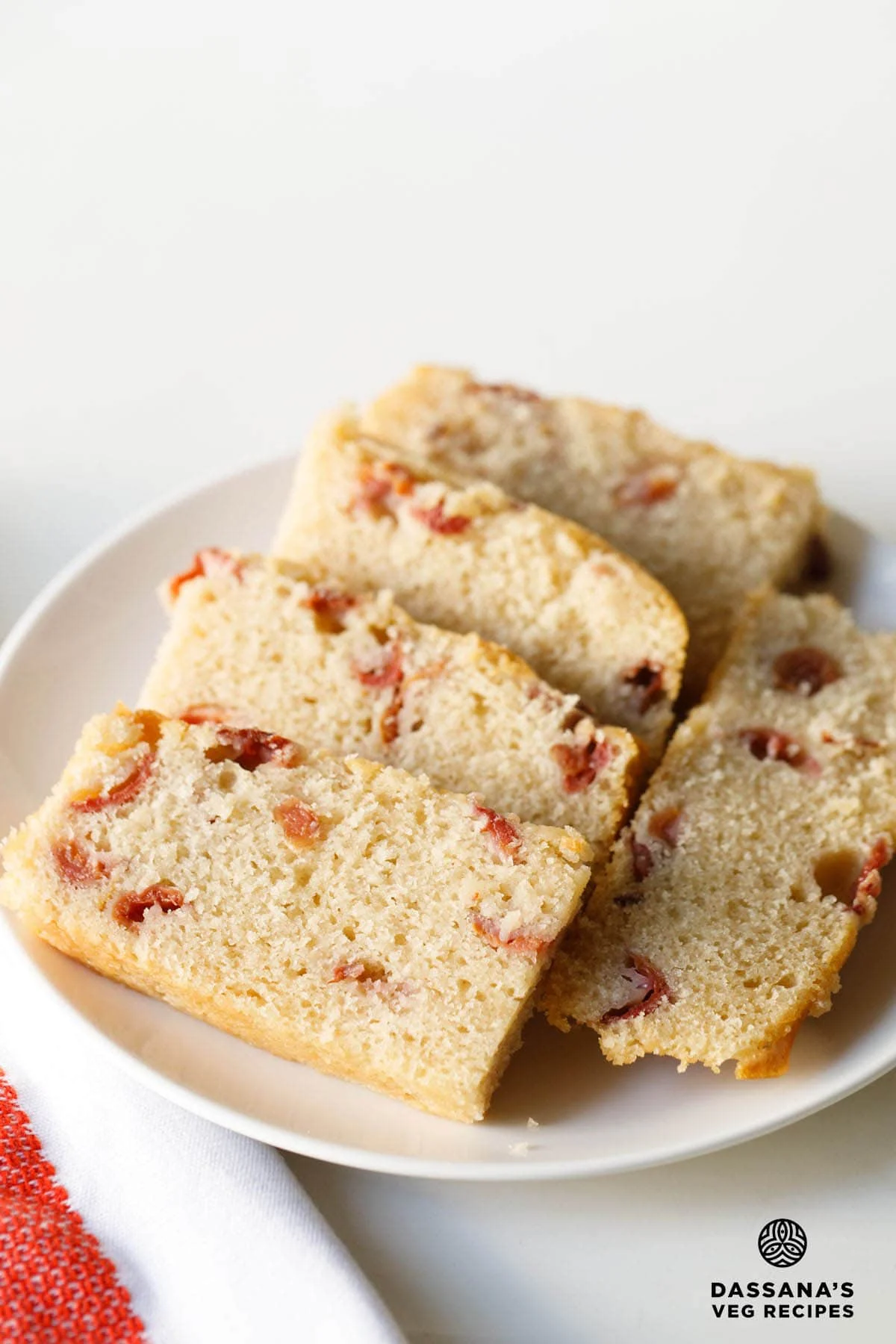
Main Facts: The Rise of Seasonal, Eggless Gastronomy
In the contemporary culinary landscape, the intersection of seasonal produce and dietary-inclusive baking has birthed a new standard for the traditional "tea cake." Among these, the Fresh Cherry Cake has emerged as a quintessential example of how simple ingredients—when handled with technical precision—can produce a high-quality gastronomic result without the use of eggs.

This specific iteration of the Cherry Cake is characterized by its soft, moist crumb and a flavor profile that balances the natural sweetness and slight acidity of fresh drupes. Unlike heavy, butter-laden fruitcakes associated with winter holidays, this version utilizes a vegetable oil base and a chemical leavening system involving a home-brewed buttermilk substitute. The recipe is designed for accessibility, requiring no specialized equipment such as stand mixers or cherry pitters, yet it adheres to strict structural principles to ensure the fruit remains suspended within the batter rather than succumbing to gravitational sinking—a common failure in fruit-based confectionery.

The significance of this cake lies not just in its flavor, but in its versatility. It serves as a bridge between high-tea culture and modern dietary preferences, offering a vegan-adaptable framework (through the use of plant-based milks) that does not compromise on the "tender crumb" traditionally provided by avian proteins.

Chronology: From Orchard to Oven
The preparation of a Fresh Cherry Cake is a multi-stage process that requires careful timing, particularly regarding the activation of leavening agents and the physical preparation of the fruit.

Phase I: Fruit Processing and Preparation
The process begins with the selection and treatment of approximately 200 grams of fresh cherries. The chronology of the fruit’s preparation is vital; cherries must be rinsed and thoroughly dried before being de-stemmed. To maintain the integrity of the fruit without specialized tools, a manual "avocado-style" bisection is employed. This involves slicing the cherry to the pit, twisting the halves in opposite directions, and extracting the seed. Once halved, the cherries are not immediately added to the batter. Instead, they are set aside to await a crucial coating process that prevents them from settling at the base of the pan during the baking cycle.

Phase II: The Synthesis of the Leavening Agent
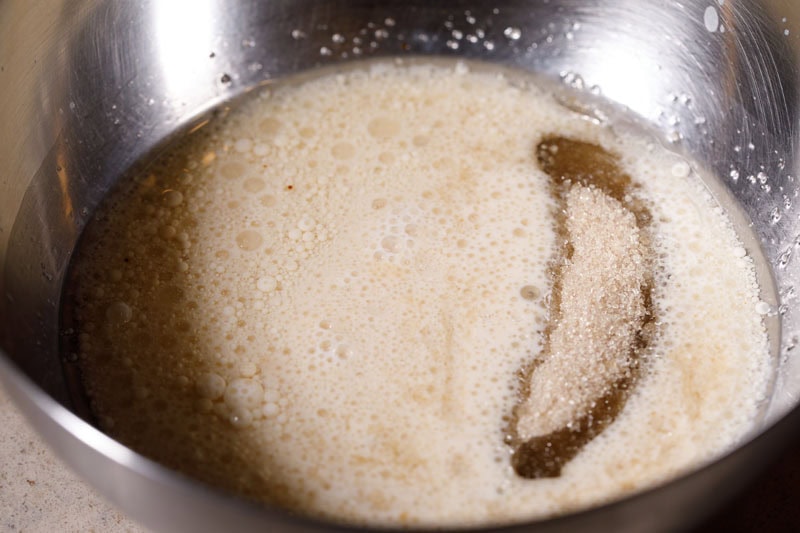
Concurrent with the fruit preparation, the baker must initiate the creation of an acidified milk mixture. By combining 3/4 cup of milk with one tablespoon of apple cider vinegar (or lemon juice), a chemical reaction is triggered. Over a ten-minute rest period, the acids denature the milk proteins, resulting in a thickened, curdled consistency—a DIY buttermilk. This step is the chronological anchor of the recipe, as the "buttermilk" provides the necessary acidity to react with the baking soda later in the process.

Phase III: Dry Ingredient Integration
While the milk acidifies, the dry components are sieved. This stage involves the amalgamation of all-purpose flour, cornstarch, baking powder, baking soda, and a pinch of salt. Sifting is performed not merely to remove lumps but to aerate the flour and ensure an even distribution of the leavening agents, which is critical for a uniform rise in an eggless environment.

Phase IV: Batter Formation and Suspension
The wet and dry phases are integrated through a gentle whisking process. Precision is required here to avoid over-mixing, which would develop excess gluten and toughen the cake. Once a smooth, medium-thick batter is achieved, the cherries—now coated in a thin layer of flour—are folded in. The cake is then transferred to a greased 7-inch pan, topped with the remaining fruit, and subjected to a 50-to-55-minute thermal cycle at 180 degrees Celsius (356 degrees F).

Supporting Data: The Science of the Crumb
The success of the Fresh Cherry Cake is rooted in several key scientific and nutritional metrics.

Structural Chemistry
The inclusion of cornstarch serves a specific structural purpose. By replacing a portion of the all-purpose flour with cornstarch, the overall protein content of the dry mix is lowered. This inhibition of gluten development results in a "tender crumb," mimicking the delicate texture usually provided by egg yolks.

Furthermore, the choice of vegetable oil over butter is a calculated decision for moisture retention. Oil remains liquid at room temperature and even under refrigeration, ensuring that the cake does not become dry or brittle—a common issue with butter-based cakes when they are stored.

Nutritional Profile
A single serving of this Cherry Cake (based on an 8-serving yield) contains approximately 262 calories. The macronutrient breakdown is as follows:
- Carbohydrates: 44g
- Sugars: 23g
- Fats: 8g (with only 1g of saturated fat)
- Protein: 3g
Beyond macros, the cake provides a range of micronutrients derived largely from the fresh cherries, including Vitamin A (53 IU), Vitamin C (2mg), and essential minerals like Potassium (173mg) and Calcium (59mg). The use of raw sugar, as suggested in the technical notes, provides a slightly more complex flavor profile than highly refined white sugar.

Technical Insights: Solving Common Baking Failures
Culinary experts and home bakers alike often encounter specific hurdles when working with fresh fruit in sponge batters. This recipe provides several "official" solutions to these perennial issues.

The "Sinking Fruit" Phenomenon
One of the primary challenges in fruit-based cakes is the density of the fruit relative to the batter. Fresh cherries are heavy and moisture-rich; without intervention, they typically sink to the bottom, leading to a soggy base and an uneven distribution of flavor. The recommended solution is a "flour-coating" technique. By tossing the halved cherries in a tablespoon of flour before folding them into the batter, the baker creates a frictional interface that allows the batter to "grip" the fruit, holding it in suspension throughout the baking process.

The Aesthetic Solution: Sugar Syrup Finish
Fresh cherries often lose their luster during the high-heat baking process, and the flour coating used for suspension can sometimes leave a white residue on the surface fruit. To counter this, a post-bake application of a simple sugar syrup (a 1:1 ratio of sugar to water) is advised. This provides a "glossy finish" and re-hydrates the surface fruit, ensuring the final product meets commercial aesthetic standards.

Pan Selection and Height Dynamics
The recipe notes emphasize the relationship between pan geometry and cake texture. A 7-inch pan is recommended for a "taller tea cake," which provides a better ratio of soft interior crumb to golden exterior crust. While an 8-inch pan is functional, the resulting increase in surface area leads to a flatter profile and a potentially drier edge, illustrating the impact of pan volume on heat distribution.

Implications: The Broader Impact on Modern Baking
The rise of recipes like the Fresh Cherry Cake reflects a significant shift in global baking trends, with implications for both the home kitchen and the commercial bakery.

Inclusivity and Accessibility
The egg-free nature of this cake makes it an essential staple for communities with specific dietary restrictions, including those following a lacto-vegetarian diet common in India, or those with egg allergies. The ability to swap dairy milk for plant-based alternatives (such as soy or almond milk) further extends its reach into the burgeoning vegan market.

Economic and Seasonal Sustainability
By focusing on fresh, seasonal cherries—whether they be local Indian varieties or imported sweet cherries—the recipe encourages consumers to bake within the natural cycles of the agricultural calendar. This not only ensures the highest flavor quality but also supports local produce markets during peak harvest seasons.

Storage and Longevity
The implications for food waste are also addressed through specific storage guidelines. Because the cake utilizes oil and a high moisture content from the fruit, it possesses a superior shelf life compared to traditional sponges. Its ability to remain palatable for up to five days when refrigerated—and its capacity to be revived through gentle microwave heating—makes it an economically viable option for small households.

In conclusion, the Fresh Cherry Cake represents a sophisticated evolution of the simple tea cake. Through the application of food science—specifically the acidification of milk and the structural manipulation of flour proteins—it achieves a high-end texture and flavor profile that belies its simple, egg-free ingredient list. As home baking continues to move toward seasonal and inclusive practices, this technical framework provides a blueprint for future fruit-based confectionery.
