

BUSINESS
New Delhi, India – July 10, 2026 – Precious metals continue their intricate dance on the global stage, with gold and silver prices in India reflecting a complex interplay of international market trends, robust local demand, and fluctuating currency exchange rates. As of July 10, 2026, the Indian bullion market witnesses a slight upward movement in gold prices, driven by persistent inflationary pressures and a renewed global appetite for safe-haven assets, while silver maintains a steady, albeit sensitive, trajectory influenced heavily by industrial demand.
This dynamic environment underscores the critical importance for investors, consumers, and policymakers alike to remain acutely aware of the multifaceted factors shaping the value of these cherished commodities. India, as one of the world’s largest consumers of gold and a significant player in the silver market, finds its domestic prices intricately linked to global benchmarks, yet uniquely influenced by its cultural traditions and economic realities.
Current Market Snapshot: Gold Prices on July 10, 2026
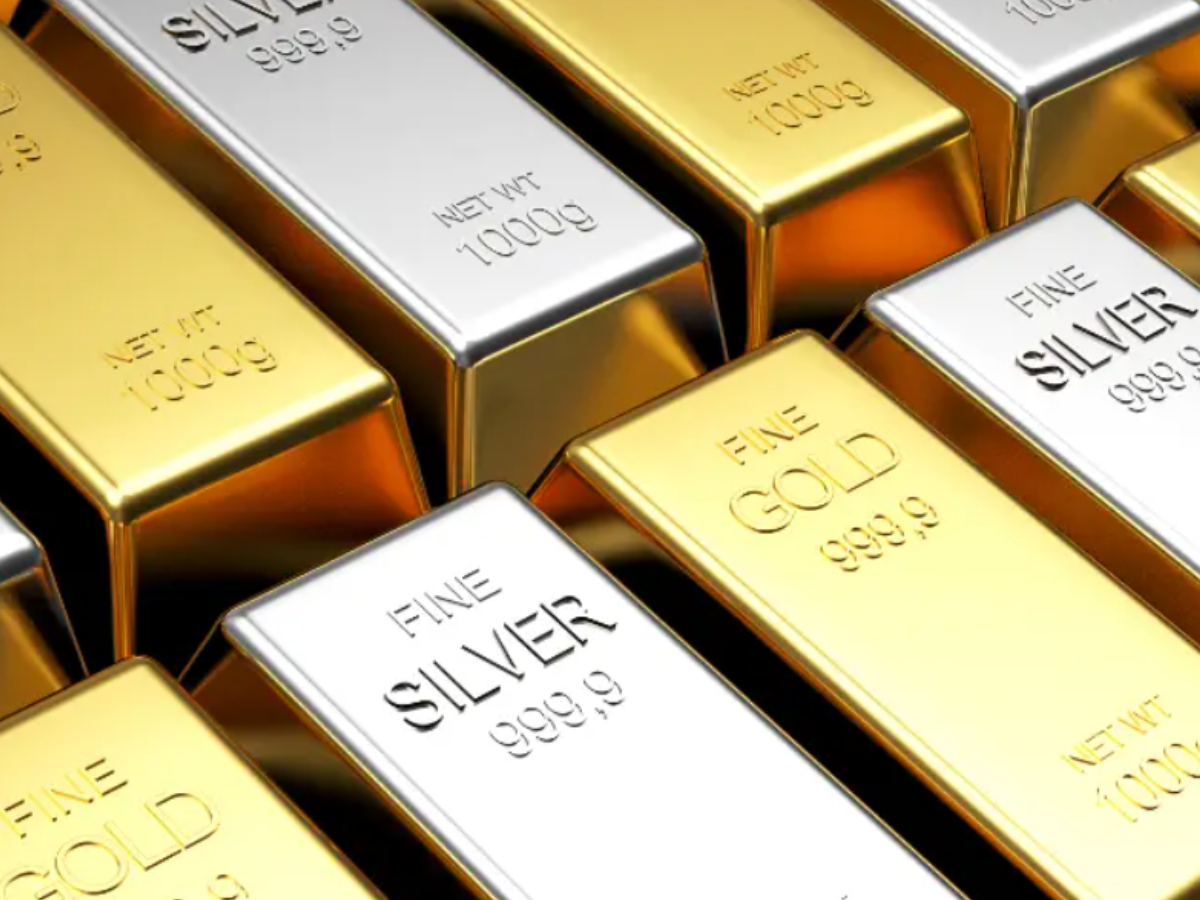
As of today, July 10, 2026, gold prices in India have experienced a modest increase, signaling a cautious optimism among investors amidst global economic uncertainties. The precious yellow metal continues to command attention both as a traditional store of wealth and a hedge against inflation.
)
Key Gold Price Indicators:
- 24K Gold (999 Purity): Currently priced at Rs 14,445 per gram. This represents the purest form of gold available in the market, often preferred by investors in bars and coins due to its intrinsic value. Its high purity makes it less suitable for intricate jewellery, which requires greater durability.
- 22K Gold (91.67% Purity): Standing at Rs 13,241 per gram. This alloyed form, containing 91.67% pure gold and the remainder in metals like copper or silver, is the standard for most Indian jewellery. The addition of other metals enhances its strength and durability, making it ideal for crafting intricate designs that withstand daily wear.
The slight uptick in gold prices today can be attributed to several factors. Globally, lingering inflationary concerns in major economies are prompting investors to turn to gold as a traditional inflation hedge. Additionally, geopolitical developments, while not explicitly mentioned as a primary driver today, often contribute to an underlying demand for safe-haven assets, providing a floor for gold prices. Domestically, the approaching festive season in India, even if still some months away, begins to create anticipatory demand, with consumers and retailers making strategic purchases.

City-Wise Gold Rates on July 10, 2026 (per gram):
| City | 24K Gold (Rs) | 22K Gold (Rs) |
|---|---|---|
| Delhi | 14,460 | 13,256 |
| Mumbai | 14,445 | 13,241 |
| Kolkata | 14,445 | 13,241 |
| Chennai | 14,532 | 13,321 |
The slight variations observed across major cities like Delhi and Chennai compared to Mumbai and Kolkata are typically influenced by local taxes, transportation costs, regional demand patterns, and the operating costs of local bullion associations. Chennai, for instance, often registers slightly higher prices due to its robust jewellery market and specific regional demand dynamics.
)
Current Market Snapshot: Silver Prices on July 10, 2026
Silver, often referred to as "poor man’s gold," also demonstrates significant market activity, driven by a distinct set of factors compared to its more expensive counterpart. As of today, July 10, 2026, silver prices in India maintain a strong position, buoyed primarily by its extensive industrial applications.
Key Silver Price Indicators:
)
- Silver 999 (Pure Silver): The price is approximately Rs 2,34,900 per kilogram, translating to Rs 2,349 per 10 grams. This highly pure form is favored for investment in bars and coins, as well as for industrial uses where purity is paramount.
- Silver 925 (Sterling Silver): Priced at Rs 2,34,000 per kilogram. Sterling silver, an alloy composed of 92.5% silver and 7.5% other metals (usually copper), is renowned for its durability and luster, making it the preferred choice for jewellery, silverware, and decorative items.
Silver’s price trajectory is largely dictated by global industrial demand, especially from sectors like electronics, solar energy, automotive, and medical technology, where its conductive properties are indispensable. Economic growth forecasts and manufacturing output figures worldwide play a significant role in determining silver’s value. While it also serves as an investment vehicle and a safe haven, its industrial utility often gives it a more volatile and economically sensitive profile than gold.
City-Wise Silver Rates on July 10, 2026 (per 10 grams):
)
| City | Silver 999 (Rs) |
|---|---|
| Delhi | 2,349 |
| Mumbai | 2,349 |
| Kolkata | 2,349 |
| Chennai | 2,449 |
Similar to gold, Chennai exhibits a slightly higher price for silver, which could be attributed to concentrated regional demand for silver ornaments, industrial consumption, or localized market dynamics. The relative uniformity across other major cities suggests a broadly consistent national pricing structure for silver, with minor local adjustments.
Chronology and Recent Trends: A Look Back at Bullion Movements
The current prices on July 10, 2026, are not isolated figures but rather points in a broader trend influenced by recent historical movements. Over the past quarter, both gold and silver have shown resilience, often acting as a buffer against broader market volatility.
)
Gold’s Journey: In the preceding months of April, May, and June 2026, gold experienced a period of steady appreciation. This was largely fueled by concerns over persistent global inflation, particularly in developed economies, which maintained central banks globally in a cautious stance regarding interest rate adjustments. Geopolitical tensions in Eastern Europe and parts of the Middle East also contributed to a consistent ‘flight to safety’ among institutional investors, bolstering gold’s appeal. While there were minor pullbacks due to profit-taking or strengthening of the US Dollar, the overarching sentiment remained bullish.
Silver’s Volatility and Growth: Silver, true to its nature, displayed more pronounced fluctuations. Its industrial demand saw a surge in the second quarter of 2026, driven by an unexpected uptick in global manufacturing output, especially in the renewable energy sector where silver is a critical component for solar panels. However, periods of global economic uncertainty also saw investors temporarily shift away from industrial metals, leading to sharper, albeit short-lived, corrections. Despite this volatility, silver’s long-term outlook remains positive, underscored by its indispensable role in green technologies.
)
The current stability and slight increase on July 10, 2026, can thus be seen as a continuation of these underlying trends, with the market absorbing recent economic data and geopolitical developments while anticipating future shifts.
Understanding the Driving Forces: A Deeper Dive into Market Dynamics
The prices of gold and silver in India are a sophisticated blend of various interconnected factors, extending far beyond simple supply and demand.
)
1. Global Economic Sentiment and Monetary Policy:
- Inflationary Pressures: Gold is a classic hedge against inflation. When the purchasing power of fiat currencies erodes, investors flock to gold, perceiving it as a stable store of value. The current global economic climate, characterized by persistent inflationary trends in key economies, continues to underpin gold’s demand.
- Interest Rates: Central bank monetary policies, particularly interest rate decisions by the US Federal Reserve, the European Central Bank, and the Reserve Bank of India, significantly impact bullion prices. Higher interest rates make non-yielding assets like gold less attractive compared to interest-bearing instruments. Conversely, a dovish stance or rate cuts can boost gold’s appeal.
- Economic Growth vs. Recession Fears: During periods of strong economic growth, industrial demand for silver often rises. However, during economic downturns or recession fears, both gold and silver can benefit from safe-haven buying.
2. US Dollar Exchange Rate:
)
- Precious metals are primarily denominated in US Dollars on international markets (e.g., COMEX). A stronger US Dollar makes gold and silver more expensive for buyers using other currencies, potentially dampening demand. Conversely, a weakening Dollar makes them cheaper and more attractive. The USD-INR exchange rate, therefore, directly impacts the landed cost of imported gold and silver in India, subsequently affecting domestic prices.
3. Geopolitical Stability:
- Uncertainty stemming from international conflicts, political instability, trade wars, or major policy shifts can trigger a rush towards safe-haven assets. Gold, in particular, has historically proven to be a reliable store of value during times of global turmoil, and this characteristic continues to influence its pricing.
4. Supply and Demand Dynamics:
)
- Mining Output: The global supply of newly mined gold and silver can impact prices. Discoveries of new reserves or advancements in mining technology can increase supply, while depletion of existing mines or operational challenges can constrain it.
- Recycling: A significant portion of the annual gold and silver supply comes from recycling old jewellery, industrial scrap, and investment products. Higher prices often incentivize more recycling.
- Investment Demand: Demand from institutional investors (ETFs, hedge funds), central banks, and individual retail investors for physical bullion, coins, and digital gold/silver.
- Industrial Demand (especially for Silver): As mentioned, silver’s industrial applications across electronics, solar panels, photography, and medical fields are a major price driver.
- Jewellery Demand: India’s colossal appetite for gold and silver jewellery, especially during wedding and festive seasons, creates a consistent domestic demand floor.
5. Government Policies and Import Duties (India Specific):
- The Indian government’s policies regarding import duties on gold and silver can directly influence domestic prices. Any upward revision in duties makes imports more expensive, leading to higher local prices, while reductions can have the opposite effect. These policies are often aimed at managing the Current Account Deficit (CAD) and controlling informal trade.
- Schemes like Sovereign Gold Bonds (SGBs) and Gold Monetization Schemes (GMS) also attempt to channel physical gold holdings into financial instruments, indirectly influencing market dynamics.
Expert Perspectives and Market Outlook
To gain deeper insights into the current state and future trajectory of the bullion market, industry experts offer valuable perspectives.
)
Ms. Anjali Sharma, Head of Commodity Research at Zenith Financials, notes, "The slight uptick in gold prices today, pushing 24K gold above Rs 14,400 per gram in Mumbai, reflects a confluence of factors. We are seeing continued global demand, particularly from central banks diversifying their reserves, and a persistent undercurrent of inflation concerns that make gold an attractive hedge. While the US Federal Reserve’s stance on interest rates remains a key determinant, the broader macroeconomic environment suggests gold will likely remain well-supported in the short to medium term."
Regarding silver, Mr. Rajeev Kapoor, a veteran bullion trader and analyst, comments, "Silver’s performance today, holding firm around Rs 2,34,900 per kilogram, underscores its dual nature. The industrial demand, especially from the burgeoning renewable energy sector, is a significant tailwind. As global economies continue their push towards green technologies, silver’s role becomes increasingly critical. However, investors should remain mindful of its higher volatility compared to gold, as industrial demand is more sensitive to economic cycles. We might see silver outperforming gold if global manufacturing momentum picks up significantly in the latter half of 2026."
)
Mr. Vikram Singh, CEO of ‘Shubh Gold’ Jewellers, provides a perspective from the retail end. "For the Indian consumer, gold and silver are more than just commodities; they are cultural staples. Even with prices at these levels, we anticipate robust demand as we move closer to the auspicious months and the wedding season. While some may pause for minor dips, the long-term cultural value and investment appeal ensure consistent buying. We’re seeing a trend where consumers are more informed about purity and investment options, driving demand for both 24K investment products and 22K designer jewellery."
Looking ahead, analysts suggest that if global inflation persists or if there are any unforeseen geopolitical escalations, gold could see further upward momentum. Conversely, if major central banks adopt a more aggressive tightening stance or if global economic growth falters significantly, there could be downward pressure on prices. Silver’s future is particularly tied to the health of the industrial sector and the pace of the global energy transition.
)
Implications for Various Stakeholders
The fluctuating prices of gold and silver have far-reaching implications across different segments of the Indian economy and society.
1. For Consumers and Households:
)
- Jewellery Buyers: Higher prices directly impact the affordability of gold and silver jewellery. Consumers may opt for lighter pieces, prioritize purity over quantity, or defer purchases, particularly outside of peak festive seasons. However, during auspicious occasions like Diwali, Akshaya Tritiya, or weddings, cultural significance often overrides price sensitivity to some extent.
- Investors: For those who view gold and silver as investment assets, current prices offer a mixed bag. Existing investors benefit from appreciation, while new investors must weigh the entry cost against future growth potential. Precious metals continue to be a vital component of diversified portfolios, offering a hedge against market volatility and currency depreciation.
- Savings and Wealth Management: Many Indian households hold a significant portion of their wealth in physical gold. Price movements directly affect their net worth and purchasing power.
2. For Jewelers and Retailers:
- Inventory Management: Jewelers face the challenge of managing inventory in a volatile market. High prices can lead to slower sales volume, impacting working capital and profit margins. Conversely, price dips can stimulate demand.
- Pricing Strategies: Retailers must carefully balance competitive pricing with maintaining profitability, often factoring in making charges and local taxes.
- Demand Forecasting: Accurate forecasting of consumer demand, especially during festive and wedding seasons, becomes crucial for inventory planning and sourcing. The shift towards transparent pricing and hallmarked jewellery continues to build consumer trust.
3. For the Indian Economy:
)
- Current Account Deficit (CAD): India is a net importer of gold. High gold prices and robust domestic demand can lead to increased import bills, exacerbating the Current Account Deficit (CAD), which is the difference between money flowing in and out of the country. This puts pressure on the Indian Rupee.
- Inflationary Impact: As a significant component of household savings and consumption, rising gold prices can contribute to inflationary pressures within the economy.
- Financialization of Savings: The government has actively promoted schemes like Sovereign Gold Bonds (SGBs) to reduce physical gold imports and channel domestic gold savings into financial instruments. The attractiveness of these schemes is often influenced by the prevailing market prices of physical gold.
4. For Policymakers:
- Trade Policy: The government constantly monitors gold imports and may adjust import duties to manage the CAD or curb illicit trade. These policy changes can have immediate and significant impacts on domestic prices.
- Monetary Policy: The Reserve Bank of India (RBI) observes bullion trends as part of its broader economic monitoring, as they can indicate inflationary expectations and capital flows.
Investment Strategies in a Volatile Market
Given the current market dynamics, investors considering gold and silver should adopt a well-informed and strategic approach.
)
- Diversification: Precious metals should be viewed as a component of a diversified investment portfolio, not the sole focus. They typically serve as a hedge rather than a primary growth driver.
- Physical vs. Digital/Paper: Investors can choose between physical gold/silver (bars, coins, jewellery), Sovereign Gold Bonds (SGBs) issued by the RBI, Gold Exchange Traded Funds (ETFs), or digital gold platforms. SGBs offer interest income and tax benefits, while ETFs provide liquidity and professional management.
- Long-Term Horizon: Historically, gold and silver have proven to be long-term stores of value. Short-term speculation can be risky due to inherent market volatility.
- Research and Expert Advice: Thorough research into market trends, geopolitical factors, and economic indicators is essential. Consulting with financial advisors can help align investment decisions with individual financial goals and risk tolerance.
Conclusion
As of July 10, 2026, the Indian gold and silver markets stand at a fascinating juncture, embodying the intricate relationship between global economic forces and deeply rooted domestic traditions. Gold, with its slight price increase, continues to be a bastion of stability amidst global uncertainties, while silver, driven by industrial innovation, demonstrates its potential for dynamic growth. The interplay of global demand, inflationary pressures, currency fluctuations, and India’s unique cultural affinity for these metals will continue to dictate their trajectory. For consumers and investors alike, staying informed about these multifaceted influences remains paramount in navigating the shimmering landscape of India’s bullion market. The coming months will undoubtedly offer further insights into the enduring appeal and economic significance of these precious commodities.
