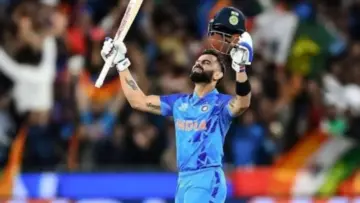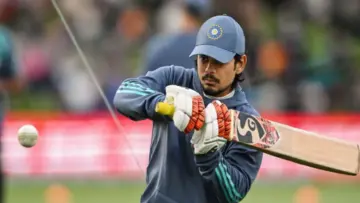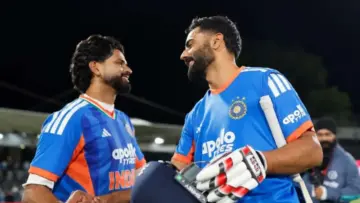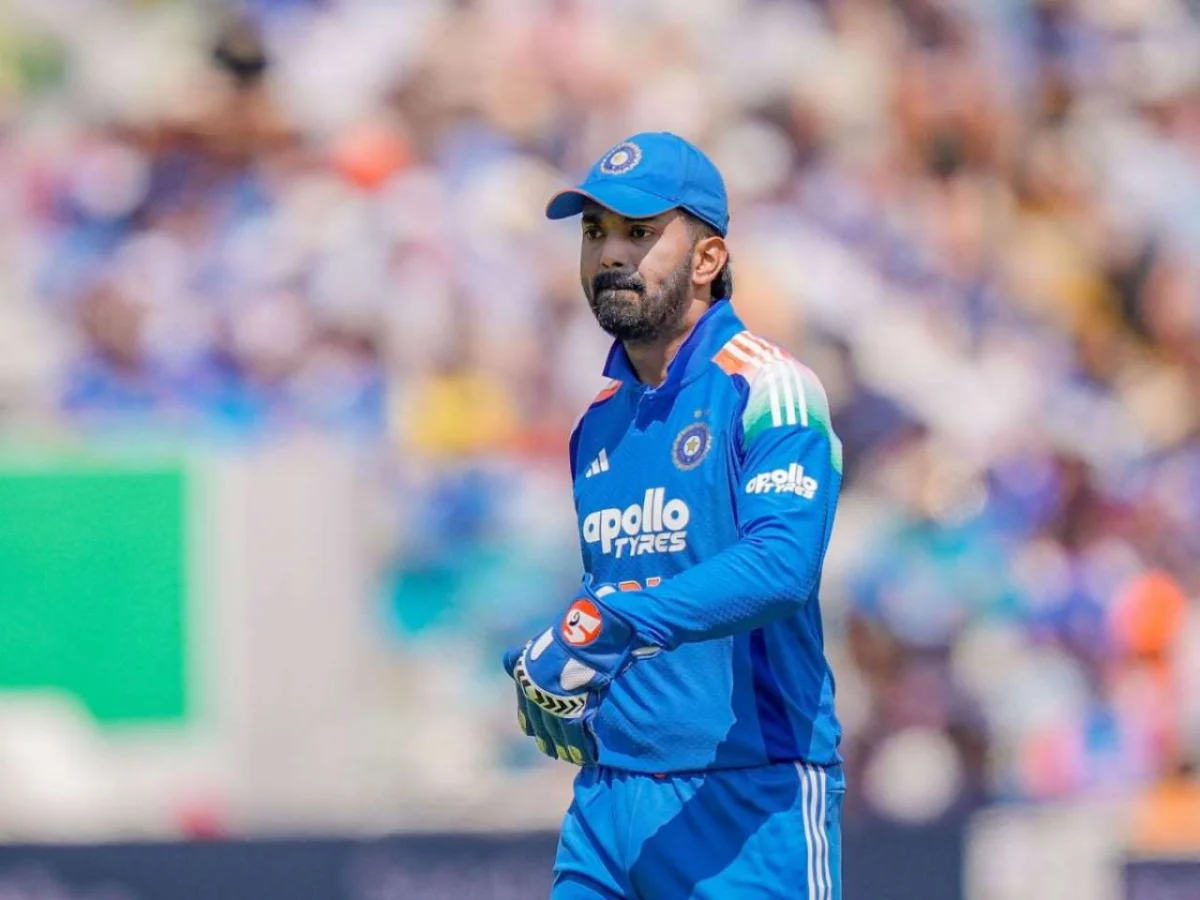
Cardiff, Wales – In a significant and unexpected development, India’s meticulously planned strategy for the second One Day International (ODI) against England at Sophia Gardens, Cardiff, faced an immediate alteration as star wicketkeeper-batter KL Rahul was ruled out of the match due due to illness. The unforeseen setback, announced just ahead of the toss, necessitated a swift change in the playing XI, with dynamic left-hander Ishan Kishan stepping in to fill the crucial void. This abrupt change tested India’s bench strength and adaptability early in the series, offering a fresh dynamic to a contest that promised high-octane action.
The news sent ripples through the Indian camp and among fans, given Rahul’s pivotal role in the ODI setup, particularly since his re-emergence as a consistent performer and designated wicketkeeper-batter in 2023. His absence undoubtedly presented a challenge for the visiting side, who were looking to build on their dominant performance in the series opener.
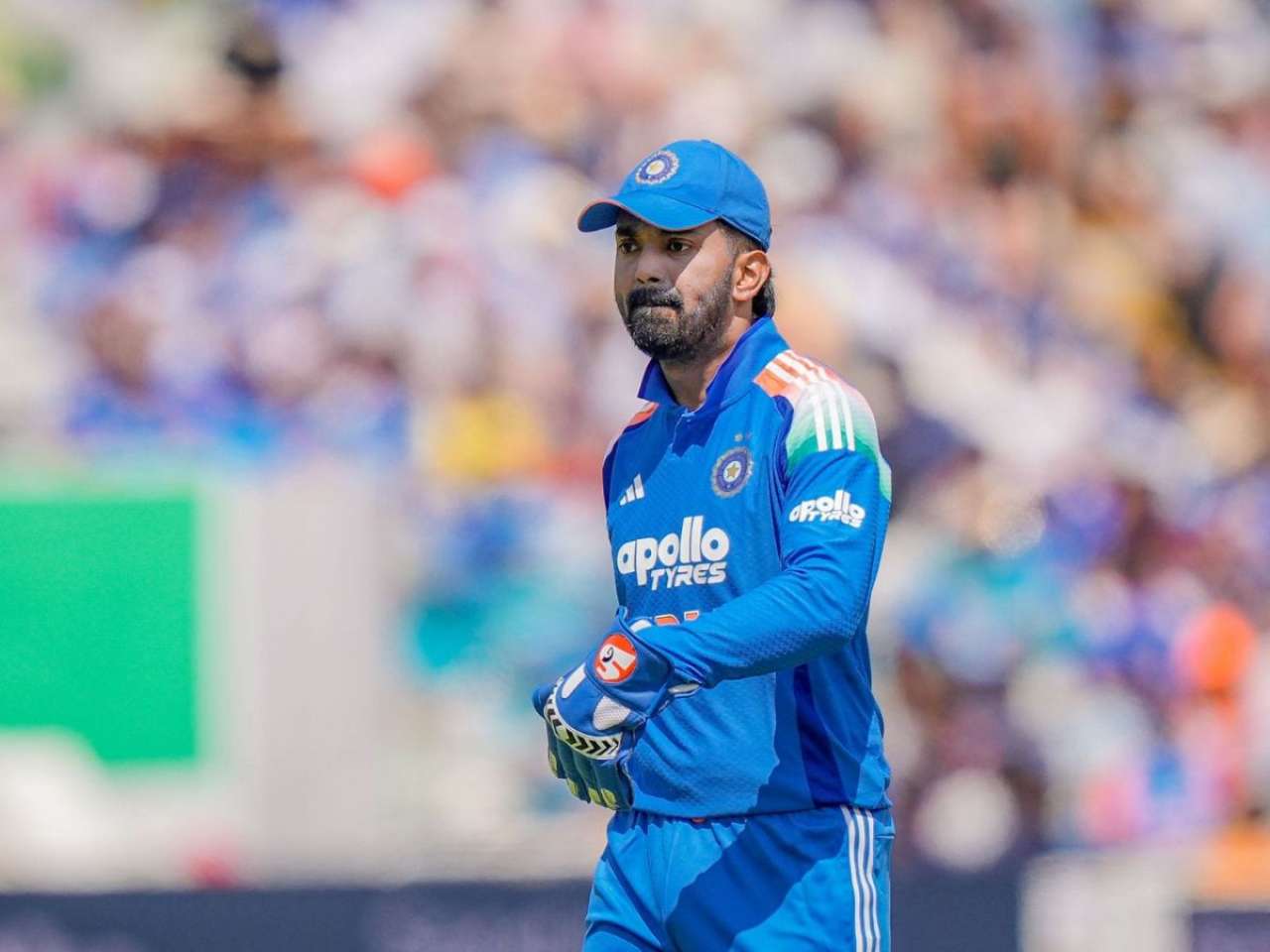
Main Facts: A Sudden Shift in India’s Strategy
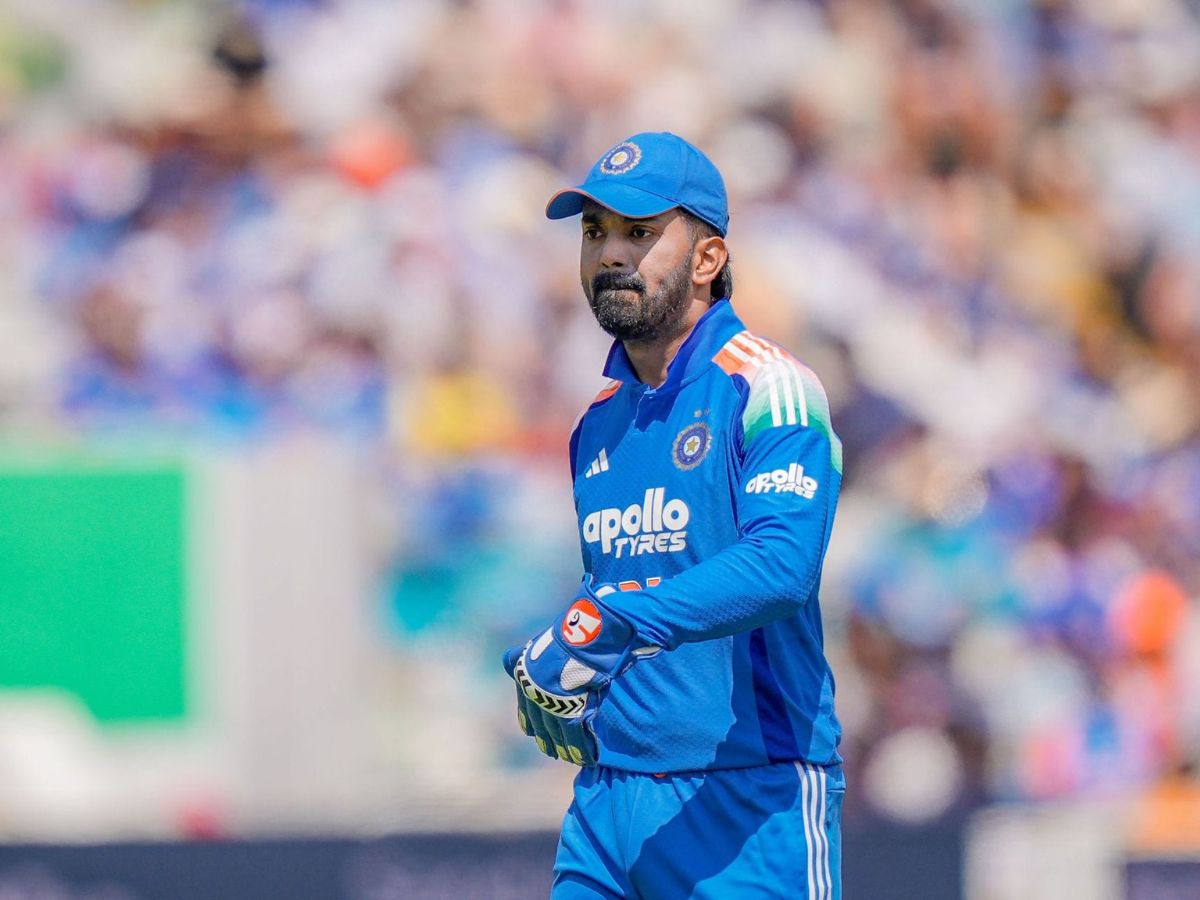
The core of the news revolves around the abrupt unavailability of KL Rahul. As confirmed by Indian captain Shubman Gill at the toss, Rahul was unwell and deemed unfit to participate in the crucial second ODI. This development forced an immediate recalibration of India’s playing XI, bringing Ishan Kishan into the fold. The match, taking place at Sophia Gardens, Cardiff, was a pivotal encounter in the bilateral series, with India holding a 1-0 lead. Rahul’s consistent presence and experience in the middle order, coupled with his reliable wicketkeeping, have made him an indispensable asset for India in the 50-over format, amplifying the impact of his unexpected absence.
The decision to include Kishan, a flamboyant batter known for his aggressive approach, instantly altered the batting dynamics. While Kishan offers blistering starts and a high strike rate, Rahul provides a more measured, anchoring presence, especially valuable in the middle overs. This forced change meant India would be without one of their most experienced middle-order stalwarts, relying instead on the youthful exuberance of Kishan to maintain their momentum against a formidable English side desperate for a comeback. The suddenness of the event underscored the unpredictable nature of elite sports and the constant need for teams to possess robust contingency plans.
)
Chronology: From Pre-Series Preparations to a Pre-Match Shocker
The narrative leading up to this point had been largely positive for the Indian team. Following a commanding victory in the first ODI, where India’s bowlers dismantled the English batting lineup, confidence was high. KL Rahul himself had been an integral part of India’s ODI plans, particularly in the run-up to and during the recent World Cup cycle. His successful transition into the wicketkeeper-batter role since 2023 had been a key factor in balancing India’s team composition, allowing for an extra specialist bowler or batter.
Pre-Match Buildup and Rahul’s Form: Rahul’s journey back into the ODI squad as a wicketkeeper-batter has been remarkable. After recovering from injuries, he embraced this dual role, providing stability in the middle order and performing consistently behind the stumps. His performances, often characterized by calm accumulation and timely acceleration, had solidified his place as India’s primary choice in that slot. Leading into this series, his form had been robust, making him one of the vital cogs in India’s middle-order machinery. His ability to shepherd an innings, particularly in tricky situations, and accelerate when required, had made him a trusted lieutenant for the captain.

The Day of the Match – An Unforeseen Announcement: The usual pre-match rituals at Sophia Gardens were unfolding, with both teams going through their warm-ups, when the news began to filter through the dressing rooms. Just moments before the coin toss, the Indian team management confirmed that Rahul was feeling unwell and would not be able to take the field. This meant a last-minute scramble to adjust the playing XI.
Captain Gill’s Confirmation at the Toss: It was at the pivotal moment of the toss that the news was officially relayed to the wider public. Indian captain Shubman Gill, after losing the toss to England’s Harry Brook, confirmed the unfortunate development. "We would have bowled first as well. We had a near-perfect game in the last match and hopefully we can do it again today," Gill stated, before addressing the team change. "KL is sick, so he misses out, and Ishan Kishan comes back in." Gill’s composed demeanor belied the last-minute disruption, highlighting the team’s professional approach to handling unexpected challenges. His words not only provided clarity on Rahul’s absence but also reflected the team’s overall confidence following their strong start to the series.
)
Ishan Kishan’s Timely Inclusion: The immediate consequence was the inclusion of Ishan Kishan. Kishan, a dynamic left-handed batter, has been a part of India’s white-ball setup for some time, often serving as a backup opener or middle-order option. His explosive batting style and ability to score quickly make him a potent force, though his approach contrasts with Rahul’s more composed style. This last-minute substitution underscored the importance of a strong bench and the readiness of players to step up when called upon, especially in high-stakes international cricket. Kishan’s inclusion meant a potential reshuffling of the batting order, or at the very least, a different approach to the middle overs.
Supporting Data: Analyzing the Impact and Alternatives
KL Rahul’s absence is more than just a single player missing; it’s the removal of a crucial piece from India’s strategic puzzle. His role transcends mere batting, encompassing critical aspects of team balance and experience.
)
KL Rahul’s Significance and Statistics: Since embracing the wicketkeeper-batter role in ODIs from 2023, Rahul has been a revelation. His statistics reflect his importance: an impressive average often in the high 40s or 50s during this period, coupled with a healthy strike rate, demonstrating his ability to both anchor and accelerate. Crucially, his presence provides a seasoned head in the middle order, capable of navigating collapses, building partnerships, and finishing innings effectively. His wicketkeeping has also been remarkably clean, adding another layer of reliability. He often acts as a bridge between the top order and the lower middle order, a role that requires immense temperament and skill. His experience of playing over 60 ODIs and captaining the national side on various occasions also brings invaluable leadership acumen to the field, even when not explicitly wearing the captain’s armband. The combination of his batting prowess, wicketkeeping skills, and calm demeanor makes him a truly multi-faceted player.
Ishan Kishan’s Credentials and Opportunity: Ishan Kishan, on the other hand, brings a different flavour to the team. A natural aggressor, Kishan has an ODI record that boasts a double-century and several impactful innings. His strike rate is typically higher than Rahul’s, reflecting his intent to dominate bowlers from the outset. While he has predominantly opened the batting in ODIs, he has shown adaptability to bat in the middle order. His inclusion provides a left-handed option, which can disrupt opposition bowling plans, and injects an immediate burst of energy into the batting lineup. This match presents a golden opportunity for Kishan to stake a stronger claim for a regular spot, especially in a World Cup year (if applicable, or in the lead-up to future ICC events), by demonstrating his ability to perform under pressure in the middle order. His fielding, known for its athleticism, also adds value to the team.
)
Team India’s Strategic Adjustments: With Kishan in, India’s batting order might see subtle shifts. While he can slot into Rahul’s number 4 or 5 position, his natural game leans towards attacking cricket. This could mean a more aggressive approach in the middle overs, but also potentially a higher risk. The onus will now be on other experienced batters like Virat Kohli and Shreyas Iyer to provide the stability that Rahul often offered. Washington Sundar and Shivam Dube’s roles in the lower middle order become even more crucial in providing impetus or consolidating if early wickets fall. The team’s overall strategy might shift slightly from a more controlled accumulation to a potentially more aggressive, high-risk, high-reward approach in the middle overs. The bench strength, highlighted by Kishan’s seamless inclusion, speaks volumes about India’s talent pool.
England’s Counter-Strategy and Team Changes: For England, Rahul’s absence, while unfortunate, might be perceived as a slight advantage. They were already looking to bounce back aggressively after their humbling defeat in the first ODI. England captain Harry Brook confirmed their decision to bowl first after assessing the pitch conditions at Sophia Gardens. "There is a nice even spread of grass. Hopefully we can get a little bit of seam movement and swing up front," Brook stated, indicating their plan to exploit any early movement.
)
England also made two significant changes to their lineup, introducing Gus Atkinson and Saqib Mahmood to bolster their pace attack, replacing Josh Tongue and Liam Dawson. This move suggests a clear intent to leverage pace and seam movement, aiming to put India under pressure early. Jofra Archer’s presence, alongside Atkinson and Mahmood, promises a potent fast-bowling unit designed to challenge India’s top order. The inclusion of two fresh, express pace options indicates England’s aggressive mindset and their determination to level the series.
Sophia Gardens Pitch Conditions: Historically, Sophia Gardens in Cardiff has offered a balanced surface, often providing assistance to seam bowlers early on, especially under cloudy skies, before settling down to become good for batting. The "nice even spread of grass" mentioned by Brook confirms the expectation of seam movement and swing, particularly with the new ball. The average first innings score in ODIs at this venue typically hovers around 250-280, but higher scores are achievable once batters are set. The conditions thus favour a team that can exploit early movement and then build partnerships. This context further highlights the importance of a stable middle order, making Rahul’s absence even more pronounced for India.
)
Official Responses: Captains’ Insights and Tactical Outlook
The pre-match toss provided the platform for both captains to articulate their immediate thoughts and strategies. Their statements offered a glimpse into their respective team’s mindset and tactical approaches for the crucial second encounter.
Shubman Gill’s Perspective: India’s captain, Shubman Gill, maintained a composed front despite the last-minute change. His initial remark, "We would have bowled first as well," indicated that India’s primary strategy for the day was aligned with England’s, suggesting a read of the conditions favoring early bowling. This adaptability, even with a forced change, reflects confidence in the team’s overall capabilities.
)
Gill then reflected on India’s dominant performance in the first ODI, expressing hope for a repeat: "We had a near-perfect game in the last match and hopefully we can do it again today." This positive reinforcement underscores the team’s belief in their recent form and execution. He particularly lauded the fast bowlers, whose performance in the previous game was instrumental in turning the tide. "We had a good six or seven overs in the Powerplay before they put us under pressure. The way the fast bowlers came back and picked up wickets in the middle overs was tremendous to see," Gill observed. This praise highlights the crucial role of India’s pace battery, featuring Jasprit Bumrah and Prasidh Krishna, in maintaining pressure and securing breakthroughs even after an initial English surge. Their ability to deliver in the middle overs, when batters often look to consolidate, was a key takeaway from the first game.
Finally, Gill also expressed a personal connection to the venue: "Excited to be back here, I’ve played county cricket here for Glamorgan." This statement adds a layer of personal enthusiasm and familiarity with the ground, which can be an intangible advantage for a captain.
)
Harry Brook’s Assessment: England’s captain, Harry Brook, articulated his decision to bowl first with a clear rationale rooted in pitch conditions. "There is a nice even spread of grass. Hopefully we can get a little bit of seam movement and swing up front," Brook explained. This confirms England’s intent to exploit the conditions early with their pace attack, putting India’s top order under immediate pressure.
Brook also acknowledged England’s need for improved execution after their previous performance. "We just need to execute slightly better. We fought well in the last game to take it deep, and we want more of the same," he said. This statement reveals a blend of self-reflection and determination. While acknowledging areas for improvement, he also highlighted the resilience shown in the first match, indicating a desire to build on that fighting spirit rather than dwelling on the heavy defeat.
)
Regarding their team changes, Brook confirmed the inclusion of Gus Atkinson and Saqib Mahmood, noting their role in "enhancing the pace of their bowling attack." This tactical shift signals England’s aggressive intent to counter India’s strong batting lineup with raw speed and movement, a clear departure from the previous game’s combination. The introduction of these two bowlers, replacing Josh Tongue and Liam Dawson, indicates a more direct, confrontational approach with the ball, aiming to unsettle the Indian batters.
Implications: Immediate Impact and Future Ramifications
The sudden withdrawal of KL Rahul and the subsequent inclusion of Ishan Kishan carry significant implications for both teams, affecting immediate series dynamics and potentially influencing future selection strategies.
)
For KL Rahul: Rahul’s illness is an unfortunate setback, particularly when he has been a consistent performer and a critical component of India’s white-ball plans. His recovery timeline will be closely monitored. Depending on the severity and nature of the illness, his availability for subsequent matches in the series, or any immediate future tours, could be impacted. From a personal standpoint, missing out on game time, especially when in good form, can be frustrating. However, player welfare remains paramount, and full recovery is essential. His consistent role since 2023 underlines his importance, and any prolonged absence would necessitate careful planning from the team management. This also raises questions about player health management in a packed international calendar.
For Ishan Kishan: This presents a massive, albeit unexpected, opportunity for Ishan Kishan. Stepping into Rahul’s shoes, especially in a crucial ODI, allows him to demonstrate his mettle under pressure. A strong performance here, particularly with the bat and potentially behind the stumps, could significantly bolster his claims for a more regular spot in the ODI setup. With competition fierce for middle-order batting positions and wicketkeeping duties, this is Kishan’s chance to show his value beyond his explosive opening stints. His ability to perform a similar role to Rahul – consolidating or accelerating from the middle order – would be a huge asset for India, proving their bench strength.
)
For Team India: Rahul’s absence tests India’s much-vaunted bench strength. While Kishan is a capable replacement, the team will need to adapt to a different batting dynamic. It places added responsibility on the experienced shoulders of Virat Kohli and Shubman Gill to anchor the innings, while Shreyas Iyer and the all-rounders will need to provide crucial support. This match will serve as a valuable litmus test for India’s ability to cope with unforeseen circumstances and maintain their winning momentum. It also highlights the importance of having versatile players like Kishan who can slot into different roles. The team’s ability to absorb such shocks and still perform at a high level speaks volumes about their depth and resilience.
For England: From England’s perspective, Rahul’s absence, while not celebrated, does present a slight advantage. It removes a key, experienced middle-order batter who has often been a thorn in their side. This, coupled with their decision to bowl first and the inclusion of two express pacers, signals a clear intent to capitalize on any perceived weakness and aggressively push for a series-levelling victory. The psychological boost of an opponent losing a key player, however temporary, can sometimes translate into added confidence on the field. England will be eager to exploit any minor disruption to India’s rhythm.
)
Broader Context – Squad Depth and Player Welfare: This incident underscores the increasing importance of squad depth in modern international cricket. With demanding schedules and the unpredictable nature of player health, having capable backups ready to step into crucial roles is non-negotiable for top teams. It also brings into focus the continuous challenge of managing player welfare amidst intense competition and frequent travel. Teams that can adapt swiftly to such unforeseen changes often emerge stronger, highlighting the strategic foresight required from team management and selectors. The event in Cardiff serves as a timely reminder that even the most meticulously planned strategies can be altered in an instant, demanding flexibility and resilience from all involved.