

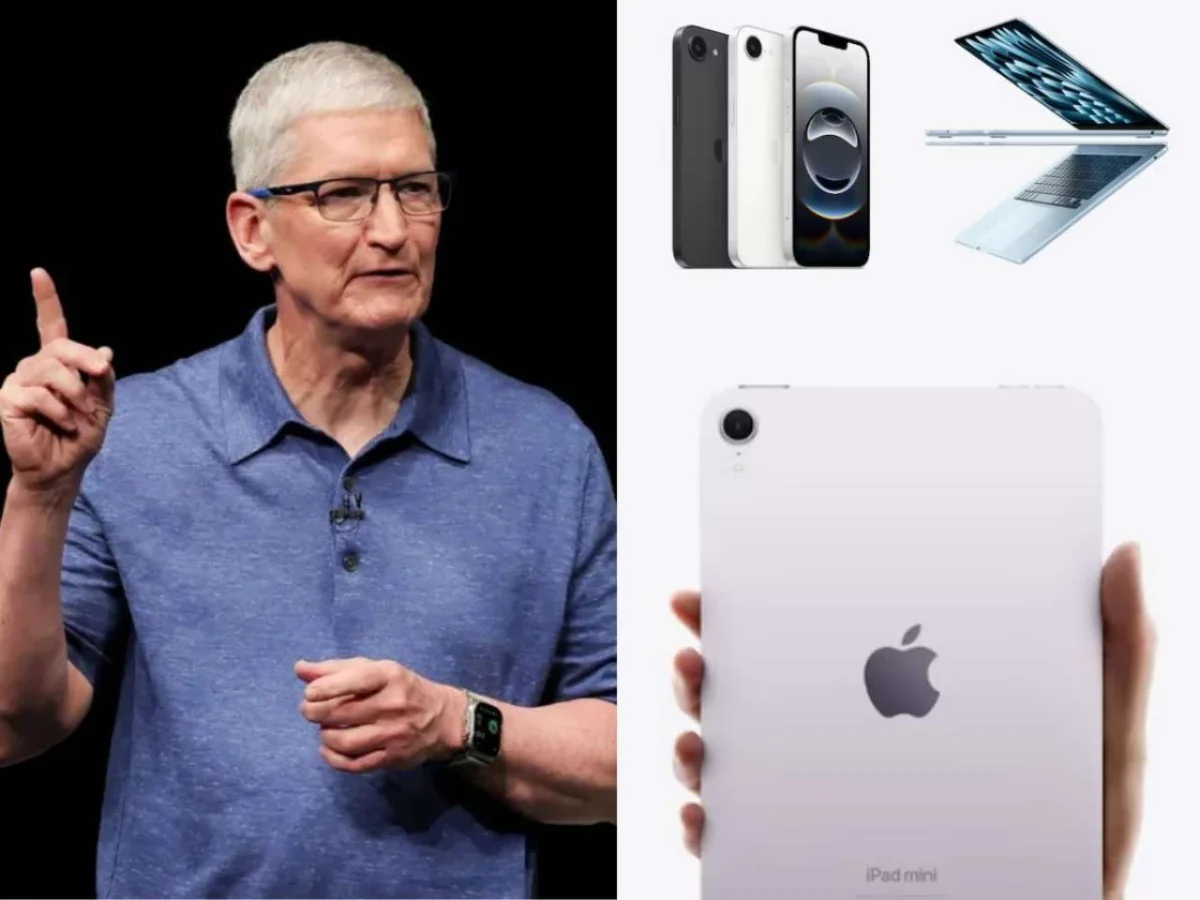
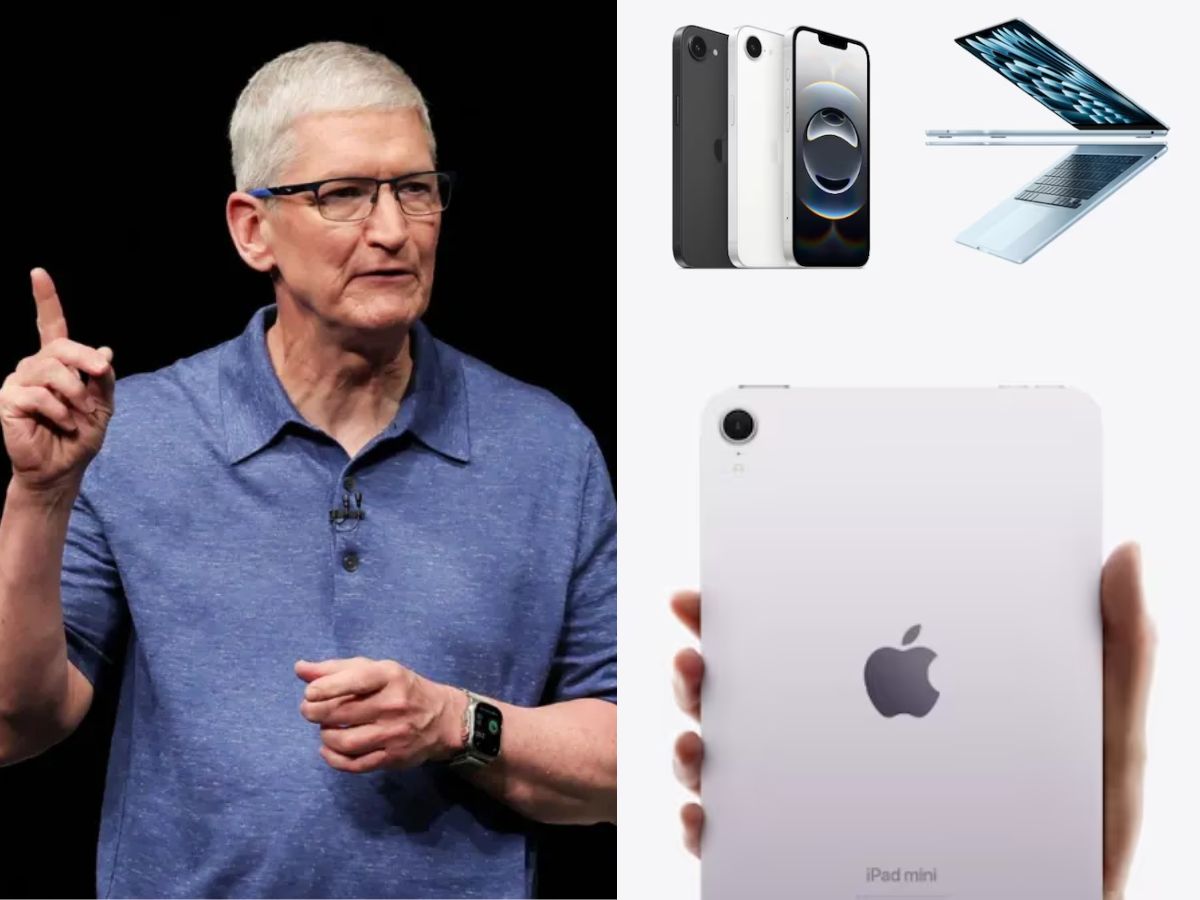
New Delhi, India – In a significant move reverberating across the Indian technology landscape, Apple has substantially increased the prices of its MacBooks, iPads, and a range of other products, with certain high-end models now costing up to an astonishing Rs 1 lakh more. This unprecedented adjustment comes as a direct consequence of a severe global memory chip shortage, exacerbated by an insatiable demand from the booming artificial intelligence (AI) sector. The severity of the situation has been underscored by Apple CEO Tim Cook, who described the current spike in memory costs as a "hundred-year flood," a phrase that captures the extraordinary nature of the challenge facing the tech giant and the broader industry.
The immediate impact on Indian consumers is palpable, transforming the aspirational premium attached to Apple products into a more formidable financial barrier. While Apple products have always commanded a higher price point, the current hikes represent a structural shift driven by fundamental changes in the global supply chain, rather than mere inflationary pressures or currency fluctuations. This development places India, a key growth market for Apple, at the forefront of a global economic recalibration where the demands of advanced AI are directly influencing the affordability and availability of consumer electronics.
The Epicenter of the Crisis: Unpacking the Global Memory Shortage
The roots of Apple’s recent price adjustments lie deep within the complex web of the global semiconductor industry, specifically in the market for memory chips. What began as an anticipated cyclical upturn has morphed into an acute shortage, driven almost entirely by the explosive growth of artificial intelligence.
The Unprecedented Surge in AI Demand
The rapid advancements in artificial intelligence, particularly in areas like large language models (LLMs), generative AI, and complex machine learning algorithms, have created an unprecedented and voracious demand for high-performance memory. AI data centers, which form the backbone of these transformative technologies, require colossal amounts of specific types of memory to function efficiently. This includes high-bandwidth memory (HBM), which offers significantly faster data transfer rates crucial for training and running massive AI models, as well as high-capacity DDR5 RAM and advanced NAND flash storage for data storage and retrieval.
)
Companies at the forefront of the AI revolution, such as OpenAI, Google, Anthropic, and numerous others, are aggressively procuring these memory components. Their demand isn’t just large; it’s strategically vital to their core business and competitive edge. Training a single large language model can require petabytes of data and weeks or months of continuous computation, necessitating vast arrays of specialized memory to feed the high-performance graphics processing units (GPUs) that power these operations. This monumental requirement has fundamentally altered the demand curve for memory, creating a structural shift rather than a temporary spike. Memory manufacturers, facing lucrative contracts and strategic partnerships, are naturally prioritizing these high-value AI clients, diverting existing capacity and future investments towards these more profitable and strategically important segments.
Supply Chain Under Strain: From Production to Procurement
The semiconductor manufacturing process is inherently complex, capital-intensive, and time-consuming. Building a new fabrication plant (fab) can take years and cost tens of billions of dollars. Ramping up production for specific memory types, especially those tailored for AI, is not an overnight process. Even with significant investments, there’s a substantial time lag between the decision to expand capacity and the actual output reaching the market.

Currently, existing production lines that once supplied a balanced mix of memory for consumer electronics, servers, and other applications are now being reallocated or optimized for AI-specific memory. This strategic pivot, while rational for memory manufacturers, inevitably leads to a deficit in the memory available for traditional consumer gadgets like smartphones, tablets, and laptops. The consequence is a fierce bidding war for the remaining supply, driving up prices across the board. Furthermore, the supply chain is also contending with broader geopolitical tensions, potential disruptions in raw material availability, and the lingering effects of previous global events that exposed vulnerabilities in just-in-time manufacturing models. While the memory market has always been cyclical, with periods of oversupply followed by shortages, the current AI-driven scenario represents a profound and potentially long-lasting structural change, rather than a mere fluctuation. The scale of AI’s memory appetite is simply too immense to be absorbed by incremental adjustments in existing capacities.
Tim Cook’s "Hundred-Year Flood": A CEO’s Unprecedented Warning
The gravity of the current memory crisis was perhaps best encapsulated by Apple CEO Tim Cook’s stark pronouncement, likening the situation to a "hundred-year flood." This powerful analogy from a leader known for his measured and often optimistic outlook on supply chain matters speaks volumes about the unprecedented nature of the challenge.
)
The Gravity of the Analogy
For Tim Cook, who has navigated Apple through countless supply chain disruptions, manufacturing challenges, and market shifts over more than four decades, to declare that he has "not witnessed such a sharp rise in cost in more than 40 years" is a testament to the severity and uniqueness of the current environment. A "hundred-year flood" implies an event of such rarity and magnitude that it defies historical precedent, suggesting that the industry is facing a challenge unlike anything seen in generations. This is not merely a temporary bottleneck or a minor inflationary blip; it signifies a fundamental and potentially enduring shift in the cost structure of key components essential to modern technology. Cook’s statement transcends typical corporate rhetoric, serving as a genuine alarm bell for the entire technology ecosystem, indicating that the foundational economics of hardware manufacturing are being fundamentally reshaped by the ascendance of AI. It forces a recalibration of expectations, not just for Apple, but for every company reliant on memory chips.
Apple’s Strategic Dilemma
Despite its unparalleled market capitalization, immense purchasing power, and sophisticated supply chain management, Apple is not immune to these systemic pressures. Cook explicitly acknowledged that suppliers are passing on "huge price increases," rendering the situation "unsustainable" for consumer goods if Apple were to absorb these costs entirely. This puts Apple in a difficult strategic dilemma: either significantly erode its profit margins by subsidizing the higher component costs, or pass these increased expenses onto its consumers.
)
Given Apple’s consistent commitment to maintaining robust profit margins and its established brand identity as a premium technology provider, the decision to raise prices, though difficult, becomes a pragmatic necessity. It’s a choice made to safeguard the company’s financial health and continue its investment in research and development, even at the cost of higher retail prices. This move, while potentially unpopular with consumers, aligns with Apple’s long-term strategy of prioritizing premium positioning and profitability. It also highlights the immense leverage that memory suppliers now hold, forcing even a giant like Apple to adjust its pricing strategy in response to external market forces. The situation underscores a critical shift where the supply side, driven by AI demand, dictates terms even to the largest tech buyers.
India Feels the Pinch: Detailed Price Adjustments Across Apple’s Ecosystem
The consequences of this global memory crisis are now acutely felt in the Indian market, where Apple has rolled out significant price revisions across its product portfolio. While Apple products have always been positioned at the premium end, these latest hikes represent a substantial leap, particularly impacting aspirational buyers and those looking for upgrades.
)
MacBooks and iPads: The Primary Casualties
The most dramatic price increases have been observed in Apple’s MacBook and iPad lineups, which rely heavily on advanced memory components. The increases range from Rs 10,000 to an astounding Rs 1 lakh, depending on the model and configuration.
- MacBook Pro M5 Max: This high-end powerhouse, designed for professional users and creative tasks, has experienced the largest increase, with its price now hovering around Rs 5 lakh. This represents a jump of up to Rs 1 lakh for certain configurations, making it an even more exclusive device.
- MacBook Pro M5: The slightly less powerful but still premium MacBook Pro M5 now starts at approximately Rs 2.39 lakh.
- MacBook Air: Apple’s popular and more accessible laptop, the MacBook Air, has seen its entry-level price climb to almost Rs 1.49 lakh.
- iPad Pro: The top-tier iPad Pro models are now priced around Rs 1.39 lakh, reflecting their advanced capabilities and the high-performance memory they incorporate.
- iPad Air: The mid-range iPad Air now costs approximately Rs 89,900.
- iPad (base model): Even the entry-level iPad has seen a significant bump, starting at around Rs 49,990.
These price adjustments have considerable implications for the Indian market. While Apple has made inroads into India’s premium segment, the country remains highly price-sensitive. An increase of Rs 1 lakh on a MacBook Pro or even Rs 10,000-20,000 on an iPad can deter potential buyers, slow down upgrade cycles, and potentially impact Apple’s ambitious growth targets in one of the world’s largest consumer markets. It forces consumers to weigh the value proposition of Apple products even more critically against increasingly capable, and often more affordable, alternatives from competitors.
)
Beyond Core Devices: Mac mini, Apple TV, and HomePod
The impact of the memory shortage is not confined solely to MacBooks and iPads. Other devices within Apple’s ecosystem, which also utilize various forms of memory, have also seen their prices climb.
- Mac mini: This compact and versatile desktop computer has experienced a "significant" increase, although specific figures for all configurations were not immediately detailed. The Mac mini serves as an entry point for many into the macOS ecosystem, and its price hike could affect its appeal to budget-conscious users or small businesses.
- Apple TV 4K and HomePod: Both the Apple TV 4K, a premium streaming device, and the HomePod, Apple’s smart speaker, are now priced at approximately Rs 44,900 each after the adjustments. These devices are crucial for Apple’s strategy of creating a tightly integrated smart home and entertainment ecosystem, and higher prices could make them less attractive as companion devices.
These increases, while smaller in absolute terms than those for MacBooks, are still notable for devices that are often considered secondary or accessory purchases. They underscore the pervasive nature of the memory crisis, affecting nearly all product categories that rely on semiconductor components for their functionality.
)
The iPhone Anomaly: A Strategic Pause?
Interestingly, amidst this widespread price hike, Apple has chosen to refrain from increasing iPhone prices for the time being. This decision stands out and is likely a calculated strategic move. Analysts suggest several reasons for this temporary exemption:
- Protecting Demand Ahead of New Releases: iPhones are Apple’s most significant revenue driver, and maintaining their competitive pricing, especially ahead of potential new model launches later in the year, is crucial for preserving market share and consumer anticipation.
- Different Supply Chains/Memory Types: iPhones might utilize different types of memory (e.g., LPDDR RAM, NAND flash) that are sourced from a slightly different or more resilient supply chain, or perhaps Apple has secured more favorable long-term contracts for these specific components.
- Strategic Importance: Given the immense global competition in the smartphone market, Apple might be absorbing some of the increased memory costs for iPhones to keep them competitive, recognizing their paramount importance to the company’s ecosystem and overall financial health.
However, this respite for iPhone consumers may be temporary. Industry analysts widely anticipate that if the global memory shortage persists or intensifies, Apple may have no choice but to adjust iPhone prices in the future. The current pause could be a tactical delay, buying time until the next product cycle or hoping for a stabilization of memory markets, a prospect that seems increasingly unlikely in the short term.
)
Broader Implications: The AI-Driven Reshaping of the Tech Landscape
Apple’s price hikes in India are more than just a localized event; they are a clear symptom of a much larger, global phenomenon that is fundamentally reshaping the technology landscape. The AI-driven memory crisis has far-reaching implications for consumers, supply chains, and the future trajectory of innovation.
The Consumer’s Dilemma: Affordability vs. Innovation
For consumers worldwide, these price increases present a significant dilemma. The dream of owning the latest, most powerful tech gadgets becomes more distant as affordability erodes. This could lead to several behavioral shifts: delayed upgrades, opting for older models, or even switching to more budget-friendly brands. In emerging markets like India, where disposable income is often more constrained, the impact on market penetration and growth could be particularly acute. The psychological impact of such substantial price jumps can also strain consumer loyalty, forcing users to critically re-evaluate the value proposition of premium devices. While Apple products are often seen as an investment, there’s a limit to how much consumers are willing or able to pay, even for cutting-edge technology. This widening gap between premium and budget devices could exacerbate digital divides and slow down the adoption of advanced personal computing.
)
A New Era for Supply Chains: Prioritizing AI over Consumer Electronics
The current crisis signals a profound and potentially permanent shift in the priorities of semiconductor manufacturers. With AI companies willing to pay premium prices for high-performance memory, and often entering into long-term, high-volume contracts, memory suppliers are increasingly incentivized to prioritize these lucrative partnerships. This means that consumer electronics manufacturers, including giants like Apple, might find themselves lower on the priority list, facing higher costs and potentially longer lead times for components. This dynamic could force a fundamental re-evaluation of supply chain strategies across the entire tech industry. Other PC manufacturers, smartphone brands, and even industries like automotive (which are increasingly reliant on advanced chips for infotainment and autonomous driving) will likely face similar pressures, leading to a ripple effect of price increases and potential product shortages across the board. The era of abundant, relatively cheap memory for consumer devices may be coming to an end, replaced by a landscape where AI’s needs take precedence.
Investment and Innovation: The Race to Build Capacity
The current shortage highlights a critical need for massive, sustained investment in new fabrication plants and research and development to expand memory production capacity. However, building and equipping a state-of-the-art semiconductor fab is an incredibly capital-intensive and time-consuming endeavor, often taking several years from groundbreaking to full production. Governments globally are increasingly recognizing the strategic importance of semiconductor independence and are offering significant incentives (like the CHIPS Act in the US or similar initiatives in Europe and Asia) to encourage domestic manufacturing. Yet, even with these efforts, the demand from AI is growing at such an exponential rate that catching up will be a monumental challenge. Innovation in memory efficiency, new memory architectures, and alternative computing paradigms (e.g., neuromorphic computing) will also become increasingly critical to alleviate the pressure on conventional memory supplies. The race to build capacity is on, but it’s a marathon, not a sprint, and its results will not be felt immediately.
)
The Future of Device Pricing and Availability
Looking ahead, the question remains: will these higher prices become the new normal? Industry experts suggest that a return to pre-AI memory pricing levels is unlikely in the foreseeable future. The structural demand from AI is projected to continue its aggressive growth, meaning that memory components will likely remain at elevated prices for an extended period. This implies that consumers should brace for a sustained period of higher prices for memory-intensive devices. While innovations in manufacturing processes and increased competition could eventually lead to some stabilization or even modest reductions, the fundamental economic forces driven by AI are powerful. This could also accelerate the shift towards cloud-based computing, where users might rely more on remote data centers for high-performance tasks, rather than solely on the local capabilities of their devices, potentially altering the very nature of personal computing.
Conclusion: Navigating the New Economic Reality of Tech
Apple’s decision to raise prices for MacBooks, iPads, and other products in India is far more than a simple commercial adjustment. It is a stark reflection of a profound, AI-driven transformation sweeping across the global technology industry. Tim Cook’s "hundred-year flood" warning encapsulates the unprecedented scale and severity of a memory crisis that is fundamentally altering supply chains, manufacturing priorities, and the cost structure of electronic devices.
)
The implications are far-reaching: consumers face higher barriers to entry for premium technology, supply chains are being reoriented to prioritize the insatiable demands of AI, and the entire industry is grappling with the challenge of massive investment needed to meet future demand. While iPhones have been spared for now, the shadow of potential future price hikes looms large. This isn’t merely a transient market fluctuation; it’s a structural shift, marking a new economic reality where the burgeoning power of artificial intelligence directly dictates the accessibility and affordability of the very devices that have defined our digital age. As the world increasingly embraces AI, the cost of its underlying infrastructure will continue to ripple outwards, reshaping not just the tech sector, but the broader global economy.
