

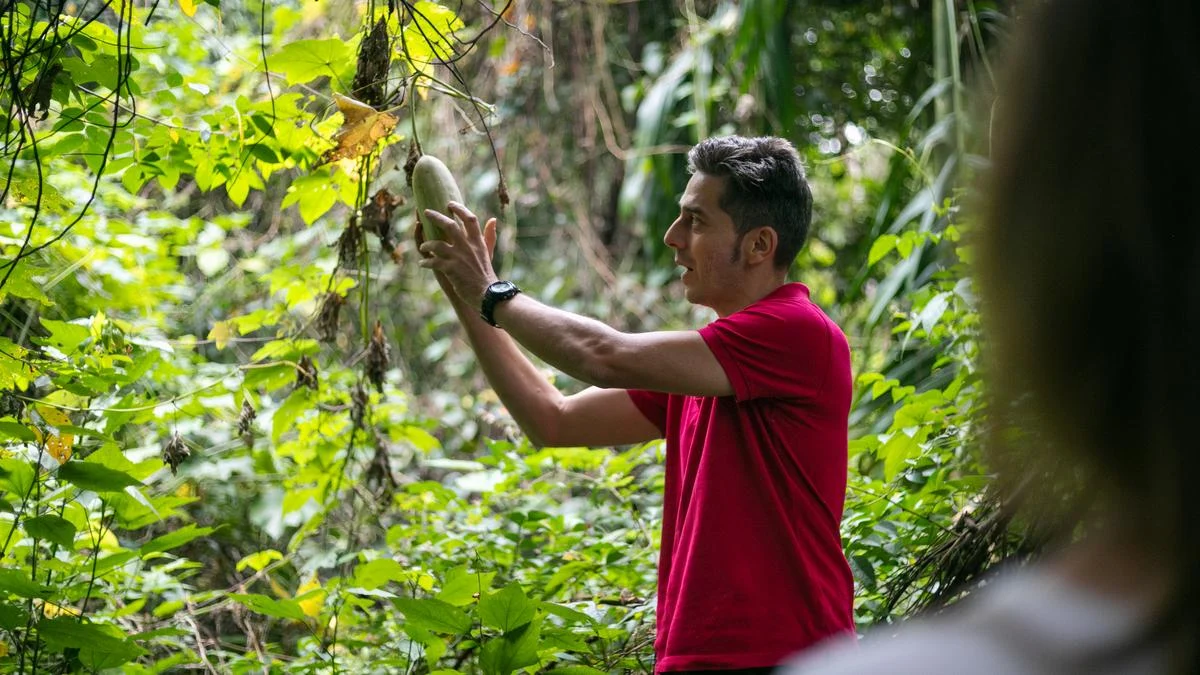
In the coastal enclave of Goa, as the mercury climbs and the tropical sun begins to bake the laterite earth a deep rust-red, a peculiar and intoxicating ritual takes hold of the local population. It is the season of the cashew apple, a fleeting window between March and May when the air in the hinterlands grows heavy with a sweet, fermented aroma. This is the season of Urrak.
Unlike its more famous, double-distilled cousin, Cashew Feni, which is available year-round and carries a Geographical Indication (GI) tag, Urrak is a seasonal obsession. It is the "first distill"—a cloudy, nectar-like spirit that captures the raw, unfiltered essence of the cashew fruit. To the people of Quepem, Canacona, and the lush valleys of the Western Ghats, Urrak is more than just a drink; it is a temporal marker of heritage, a medium of social exchange, and a testament to a distillation tradition that has remained largely unchanged for centuries.
I. Main Facts: Defining the First Distill
Urrak is the primary distillate of fermented cashew apple juice. While the world recognizes Goa for its beaches, the local "insider" culture revolves around the cashew zons (orchards). The production of Urrak is a labor-intensive process that bridges the gap between agriculture and alchemy.

The Distillation Process
The journey begins with the harvest of the cashew apple. Unlike many fruits, the cashew apple must be fully ripe and naturally fallen from the tree to ensure the highest sugar content. Once collected, the nuts are removed (to be processed separately as the world-famous Goan cashew nuts), and the apples are crushed. Traditionally, this was done by foot in a stone basin called a colmbi, though many modern plantations now use mechanical presses.
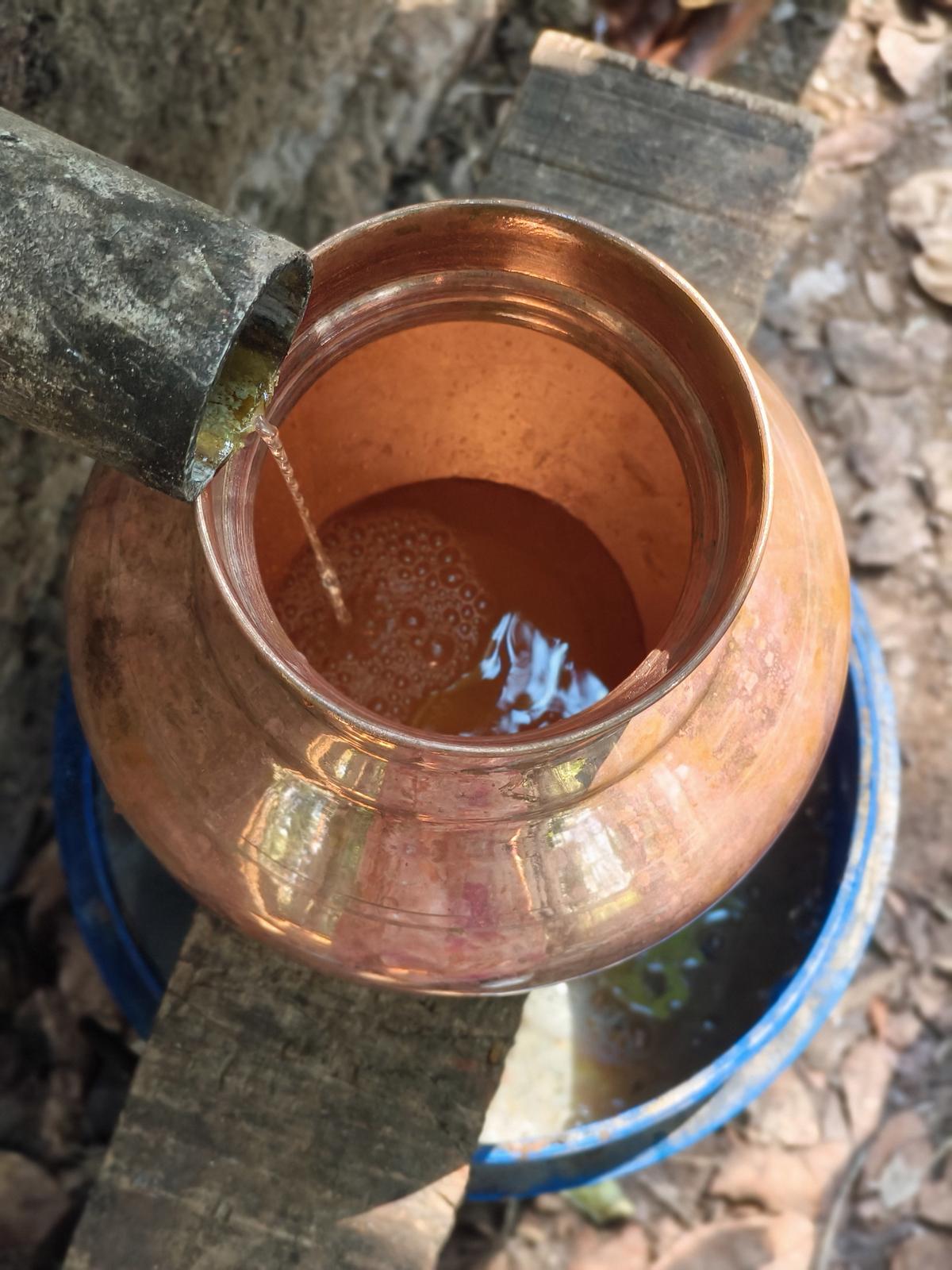
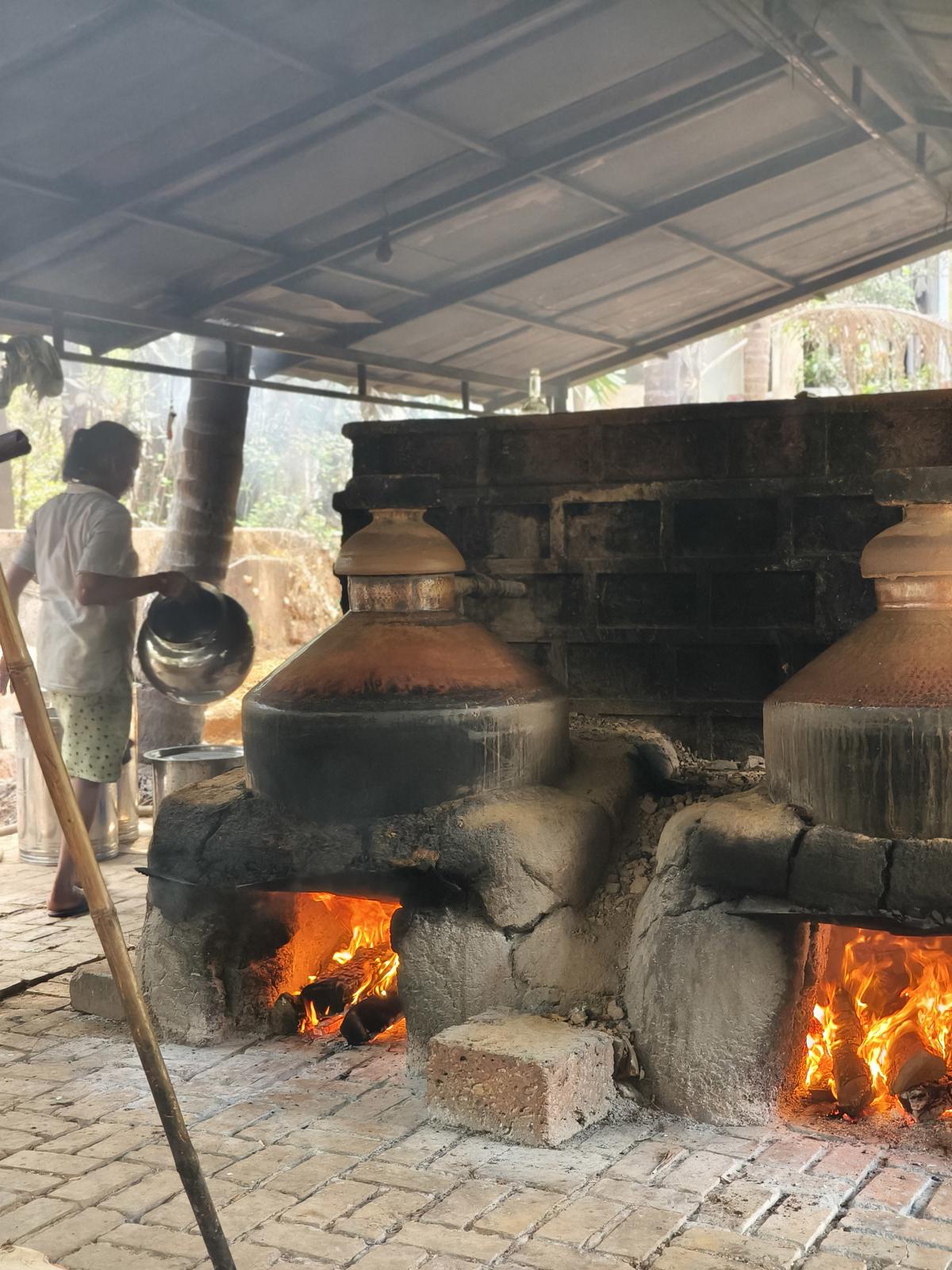
The extracted juice, known as niro, is a refreshing non-alcoholic beverage in its own right. However, for Urrak, this juice is left to ferment in large earthen or plastic vats for several days. Once the wild yeast has converted the sugars into alcohol, the fermented wash is poured into a bhaan—a traditional copper pot still.
The distillation of Urrak is a "single-fire" process. The vapors from the heated wash pass through a cooling conduit (traditionally a bamboo pipe encased in a water jacket) and condense into a spirit that typically ranges from 12% to 25% alcohol by volume (ABV). This is Urrak. If this liquid were to be distilled a second time with more fermented juice, it would become Feni, reaching an ABV of 40% to 45%.
The Sensory Profile
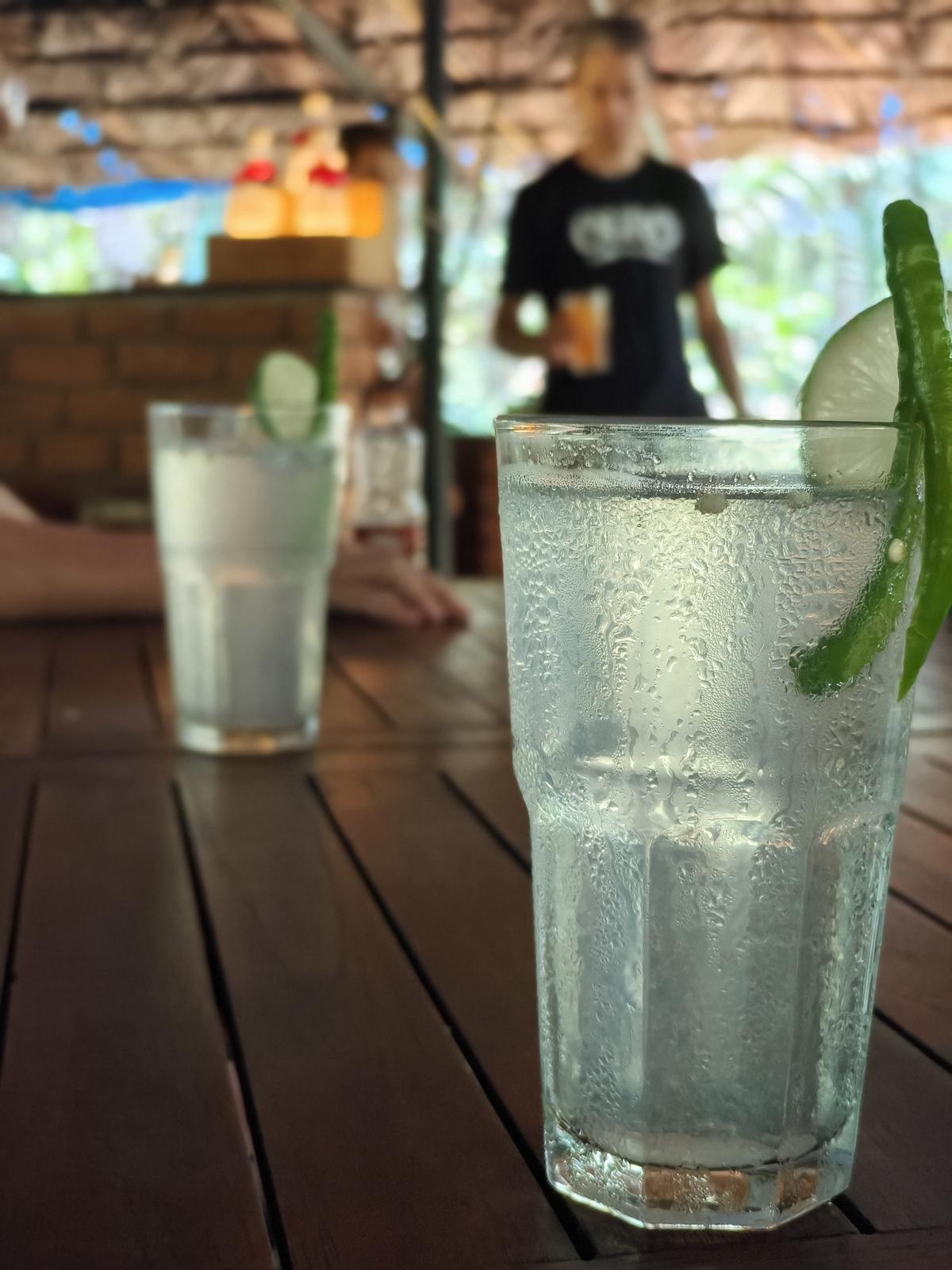
Urrak is prized for its cooling properties and its highly aromatic profile. It is rarely consumed neat. The quintessential Goan way to enjoy Urrak involves a tall glass, a generous pour of the spirit, a splash of lemonade or Limca, a pinch of salt, and a slit green chili. The result is a drink that is simultaneously sweet, sour, salty, and spicy—a perfect antidote to the sweltering April heat.
II. Chronology: From Colonial Introduction to Modern Revival
The history of Urrak is inextricably linked to the history of the cashew tree (Anacardium occidentale) in India. To understand the current landscape of the spirit, one must look at the timeline of its evolution.
- The 16th Century: Portuguese explorers introduced the cashew tree to Goa from Brazil. Initially, the tree was planted not for its fruit or nuts, but for soil conservation and to prevent erosion on the hilly terrains of the Western Ghats.
- The Late 1800s: Distillation becomes a formalized family tradition. In villages like Cotombi, families like the Diniz clan began refining the art of the bhaan. This era established the "village-style" distillation that remains the gold standard for Urrak today.
- The 1980s: A shift toward ecological consciousness begins. In Karmane village, Ajit Malkarnekar took 50 acres of barren, unyielding laterite soil and began an experiment in reforestation and horticulture. This would eventually become the Dudhsagar Plantation, a cornerstone of the modern eco-tourism movement in Goa.
- The 2000s – Present: The "Feni Renaissance." Led by figures like Hansel Vaz and Solomon Diniz, there has been a concerted effort to premiumize Goan spirits. While Feni gained its GI tag in 2009, Urrak has remained the "artisanal secret," gaining popularity among tourists seeking "farm-to-table" (or farm-to-glass) experiences.
III. Supporting Data: The Economics of a Two-Month Season
The economic impact of Urrak is concentrated but significant. For many small-scale farmers in South Goa, the cashew harvest represents their primary income for the year.
Market Dynamics
According to Solomon Diniz, a major stakeholder in South Goa’s liquor industry and the creator of Tinto Feni, the popularity of Urrak creates a unique market vacuum. "During these two months of the year, sales of all our other premium liquors drop drastically," Diniz notes. This seasonal shift is a rare example of a traditional, unaged spirit outperforming established global brands and aged spirits within a specific regional market.
Production Scale
At plantations like Dudhsagar, the scale is intimate. The focus is on a circular-living system where nothing is wasted. The spent cashew pulp (after juice extraction) is often used as organic manure or cattle feed, ensuring that the spirit’s footprint remains minimal. This artisanal approach is what allows Urrak to maintain a price point that starts at approximately ₹750 for guided plantation experiences, reflecting the value of the "process" over mere volume.
Geographical Concentration
While cashew trees grow across Goa, the "terroir" of Urrak is most celebrated in South Goa. The villages of Quepem and Canacona are often cited by locals as producing the "best" Urrak, a distinction attributed to the specific mineral content of the soil and the traditional techniques preserved by multi-generational distilling families.
IV. Official and Expert Responses: Preserving the Narrative
The preservation of Urrak’s identity depends on the expertise of those who bridge the gap between tradition and the modern consumer.
The Distiller’s Perspective: Solomon Diniz
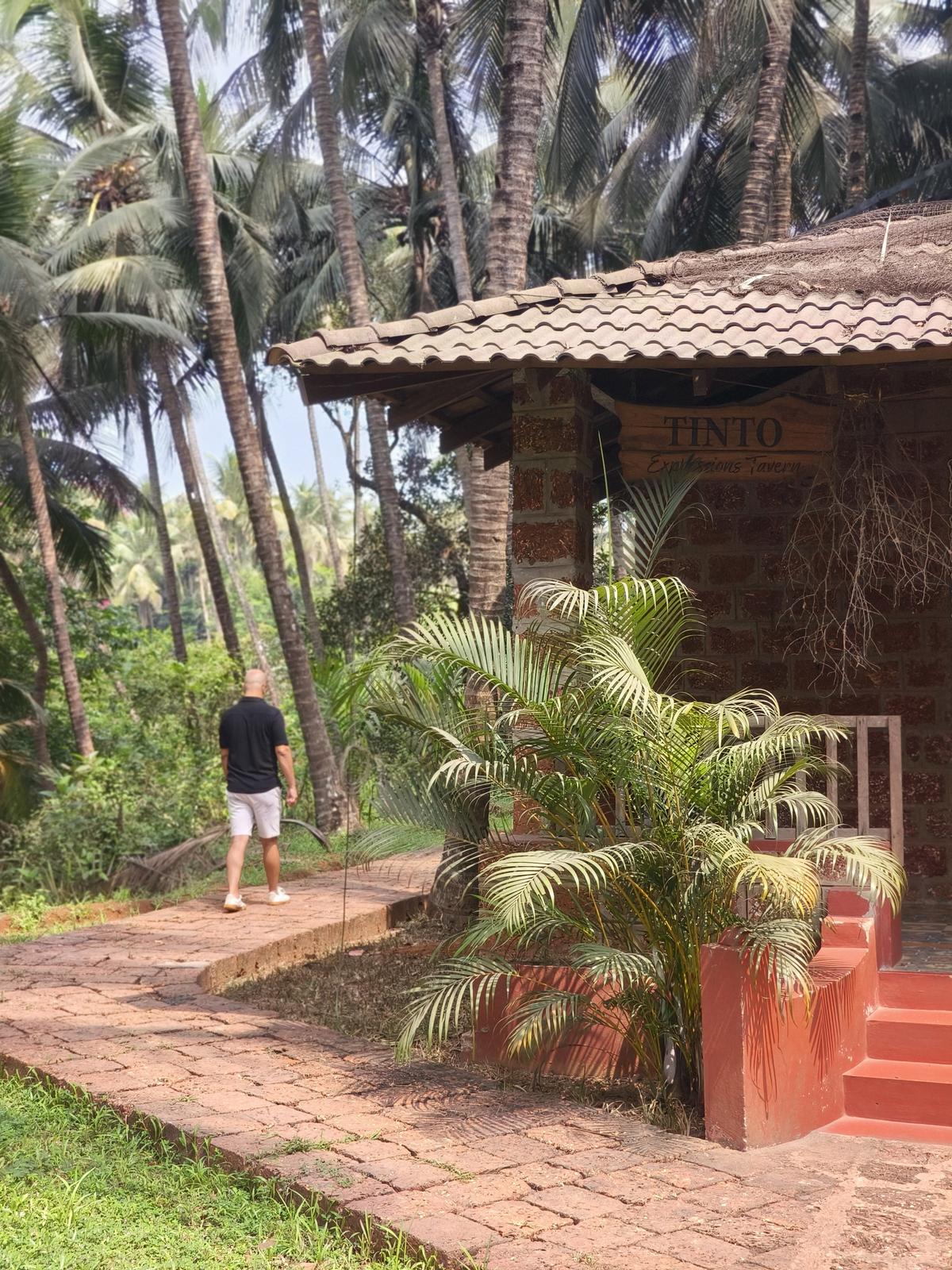
Solomon Diniz, whose family has been distilling in Cotombi since the 1800s, emphasizes the continuity of taste. At his Tinto Expressions Tavern in Quepem, the goal is to provide a "calibrated" experience. He argues that while the world moves toward industrial efficiency, the value of Urrak lies in its lack of change. "There is something special about the Urrak that has been produced the same way over four generations," Diniz observes, pointing to the nostalgic pull the drink has on the Goan diaspora who return home specifically for this season.
The Ecologist’s Perspective: The Malkarnekars
At Dudhsagar Plantation, Ajit Malkarnekar and his son Ashok represent the transition of Urrak from a cottage industry to an eco-tourism highlight. Ashok Malkarnekar speaks of a "philosophy of the tree," where the distiller must know the fruit intimately. For the Malkarnekars, Urrak is a byproduct of a healthy ecosystem. Their "circular living" model serves as an official blueprint for how traditional distillation can coexist with modern conservation efforts.
The Historian’s Perspective: Hansel Vaz
Hansel Vaz, often referred to as the "Feni Dotor" (Feni Doctor), provides the intellectual framework for the spirit. At recent symposiums, Vaz has challenged the common assumptions regarding the etymology of the word "Urrak." He traces the roots back to the Arabic word Arak, which refers to "sweat" or "sap."
"The early references do not point to a cashew distillate at all," Vaz insists, noting that the term was originally associated with coconut sap spirits traded across the Arabic world. The juice of the cashew fruit, with its overwhelming fragrance and sugar content, effectively "hijacked" the name upon its arrival in the 16th century. This historical context is vital for the industry as it seeks to position Urrak and Feni on the global stage alongside Mezcal or Grappa.
V. Implications: Heritage, Tourism, and the Future of Goan Identity
The current state of Urrak production in Goa carries several long-term implications for the region’s cultural and economic landscape.

1. The Rise of "Liquid Tourism"
The shift toward plantation visits and "Urrak hopping" indicates a new frontier for Goan tourism. Travelers are increasingly moving away from the beaches of the North and toward the "slow travel" experiences of the South. This decentralization of tourism helps distribute wealth into rural inland communities that have historically been overlooked.
2. Heritage as a Competitive Advantage
In an era of "instant everything," the unhurried, manual process of Urrak production is its greatest strength. The debate among distillers about whether to "lay it all out for a visitor experience" suggests a tension between protecting a secret and sharing a heritage. However, as "farm-to-table" becomes a global culinary aspiration, the transparency of the Urrak process serves as a powerful marketing tool that protects the spirit from being commoditized by large-scale industrial distilleries.
3. Climate Change and Agricultural Resilience
The reliance on a specific two-month weather window makes Urrak production vulnerable to climate change. Unseasonal rains in March or April can devastate the cashew crop, fermenting the fruit on the tree before it can be harvested. The success of plantations like Dudhsagar, which focus on biodiversity rather than monoculture, suggests that agricultural resilience will be key to the survival of the Urrak tradition.
4. Cultural Continuity
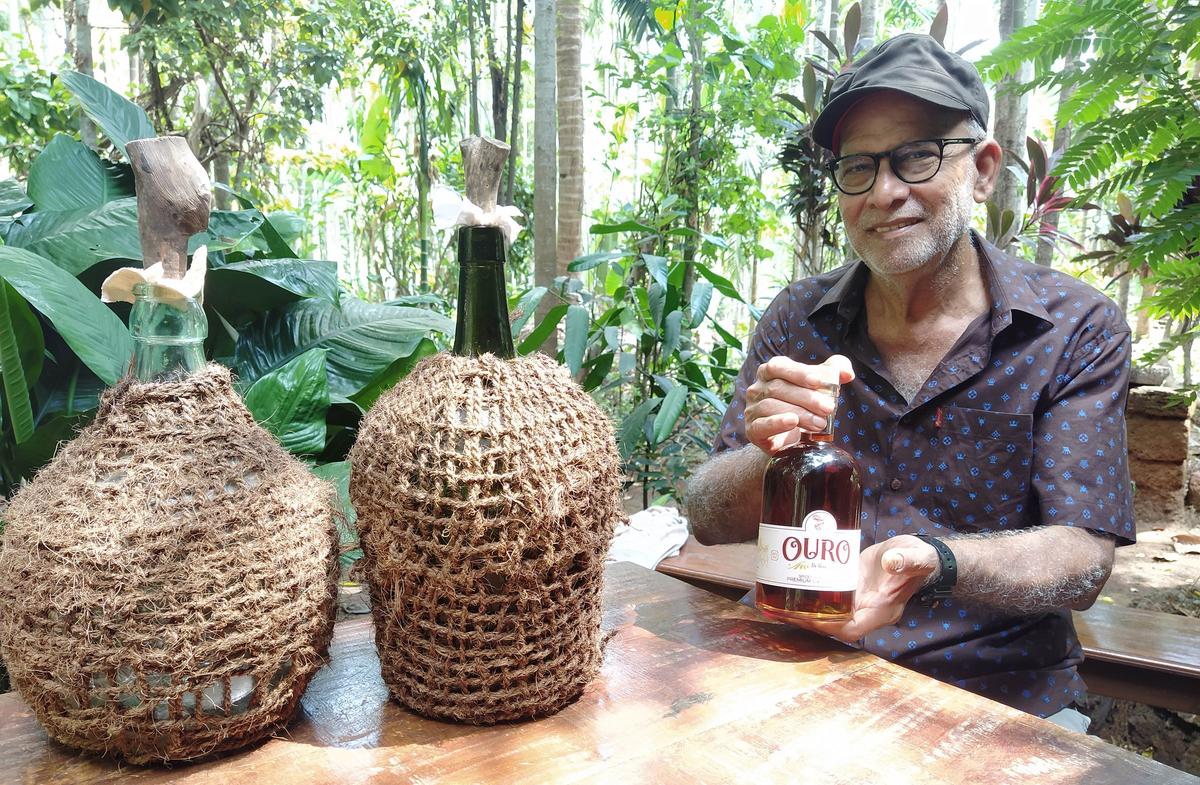
Perhaps the most significant implication is the role of the next generation. As seen with Ashok Malkarnekar and the Diniz family, the "choice" of the younger generation to inherit and refine these traditions is what prevents Urrak from becoming a museum piece. By integrating modern hospitality with ancient distillation, they ensure that the "best Urrak" will continue to be bartered in re-used bottles for generations to come.
As the May heat eventually gives way to the first monsoons, the bhaans will be cleaned and stored away, and the last of the Urrak will be consumed or distilled into Feni for the winter. But for those few weeks when the cashew apple reigns supreme, Urrak remains the undisputed soul of Goa—a fleeting, fragrant reminder of a land that refuses to be rushed.
