By [Your Name/Journalist Name]
As the relentless mercury climbs across the Indian subcontinent, the sensory landscape of the weekly sabzi bazaar (vegetable market) undergoes a dramatic transformation. Amidst the sweltering heat, humidity, and the growing anxiety over erratic rainfall, a vibrant tapestry of seasonal "jewels" has emerged, challenging the dominance of imported produce and high-end exotics. From the purplish-red luxury of Japan’s Miyazaki mangoes to the humble, lip-staining indigenous jamun, the Indian summer of 2024 has become a theater of botanical revival, economic struggle, and climate-induced adaptation.
While the nation’s obsession with the "King of Fruits" remains undiminished, this year marks a significant pivot toward indigenous berries and forgotten forest produce. Driven by social media trends and a renewed focus on nutritional sovereignty, the Indian bazaar is reclaiming its identity as a bastion of biodiversity. However, this bounty exists against a backdrop of geopolitical tension and environmental volatility, where the shadows of El Niño and global conflict loom over the livelihoods of small-scale farmers.
Main Facts: The Revival of Indigenous Superfoods
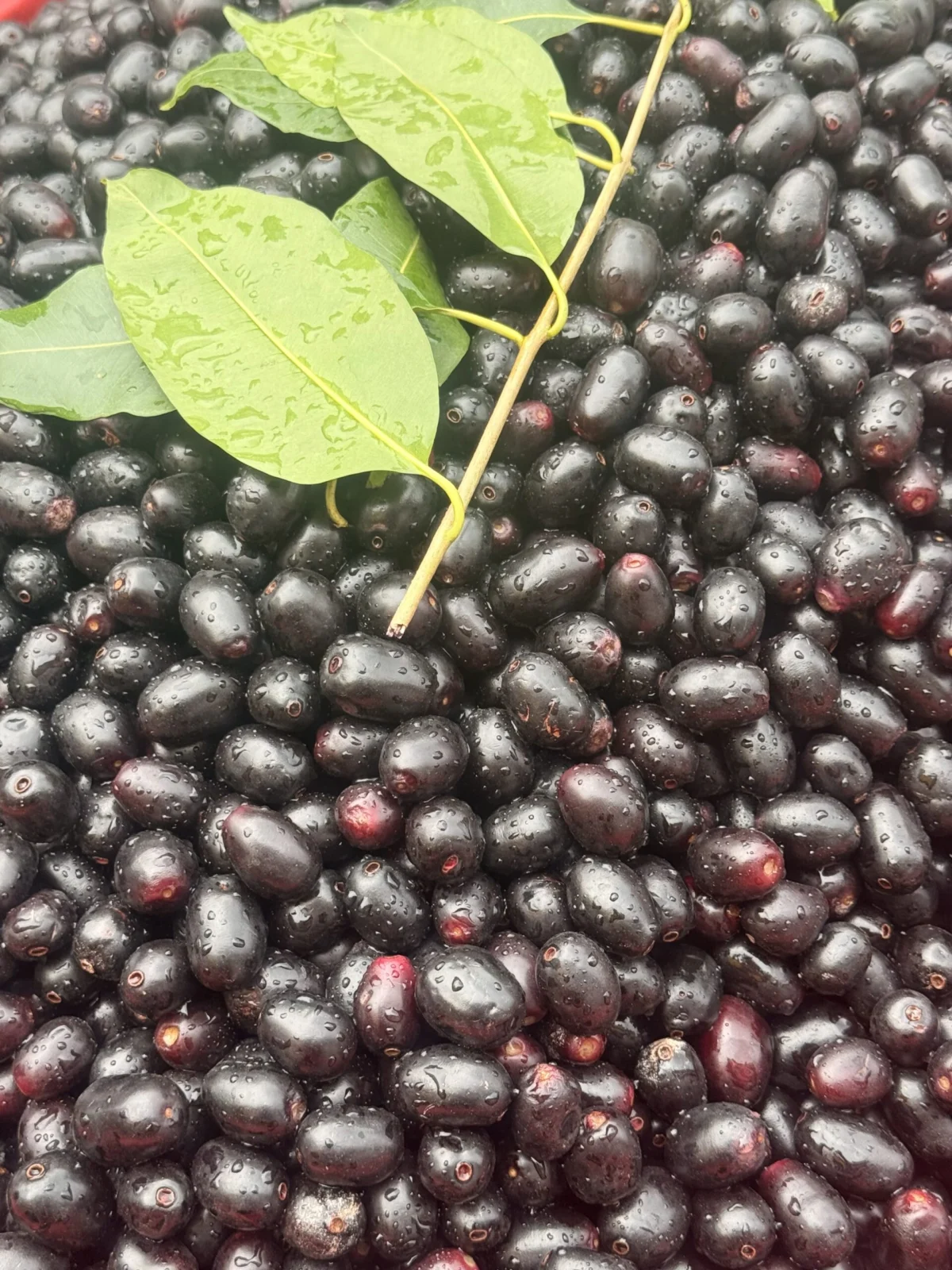
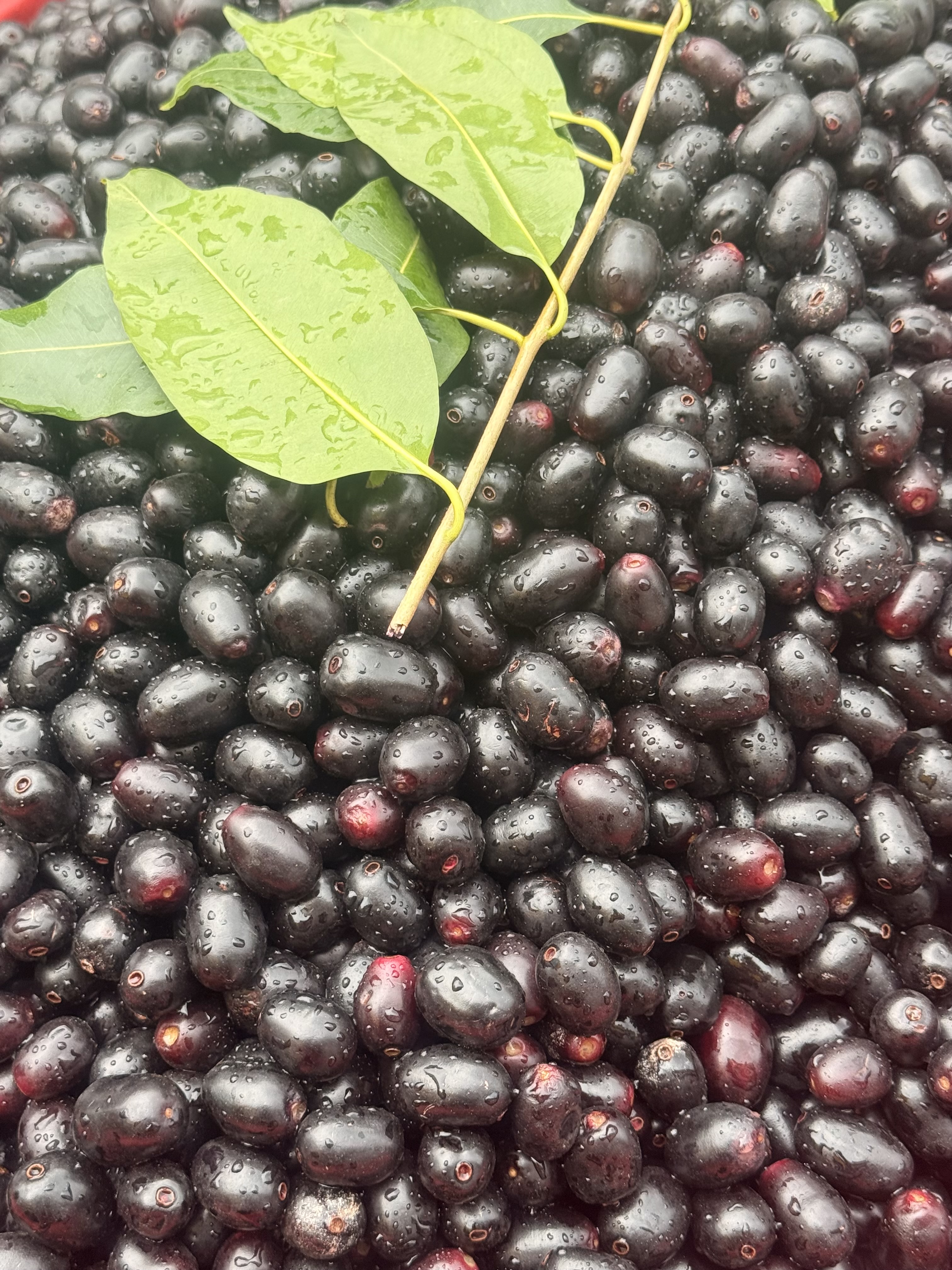
The current season has seen a remarkable resurgence in the popularity of indigenous fruits, often referred to as India’s "lost berries." The jamun (Syzygium cumini), a fruit so deeply rooted in the national identity that the ancient texts refer to the subcontinent as Jambudvipa (the land of the jamun trees), is leading this charge. Recently, celebrity chef Vikas Khanna made headlines by transporting these anthocyanin-rich fruits to New York, signaling a global shift in how Indian produce is perceived.
Key highlights of the current seasonal market include:
- The Berry Revolution: While imported blueberries and raspberries have long dominated the "superfood" narrative, local alternatives like phalsa (Indian sherbet berry) and karonda (conkerberry) are regaining market share. These fruits are being rebranded as domestic powerhouses of antioxidants.
- Exotic Diversification: Farmers in drought-prone regions, such as Vidarbha and parts of Odisha, are moving away from traditional water-intensive crops toward dragon fruit and yellow watermelons as a means of climate adaptation.
- The Litchi Crisis: Despite the general abundance, the prized Shahi litchi of Muzaffarpur has faced a disastrous harvest this year, leading to unprecedented price hikes and government intervention.
- The "Ice Apple" Surge: The tadgola or ice apple, once a regional specialty of Southern India, has seen a massive spike in demand across Northern urban centers as a natural antidote to record-breaking heatwaves.
Chronology: A Season of Shifts and Rediscoveries
The 2024 summer season has followed a tumultuous timeline, dictated by both the weather and the market’s response to shifting consumer habits.
Early Summer (April – May): The Arrival of Cooling Agents
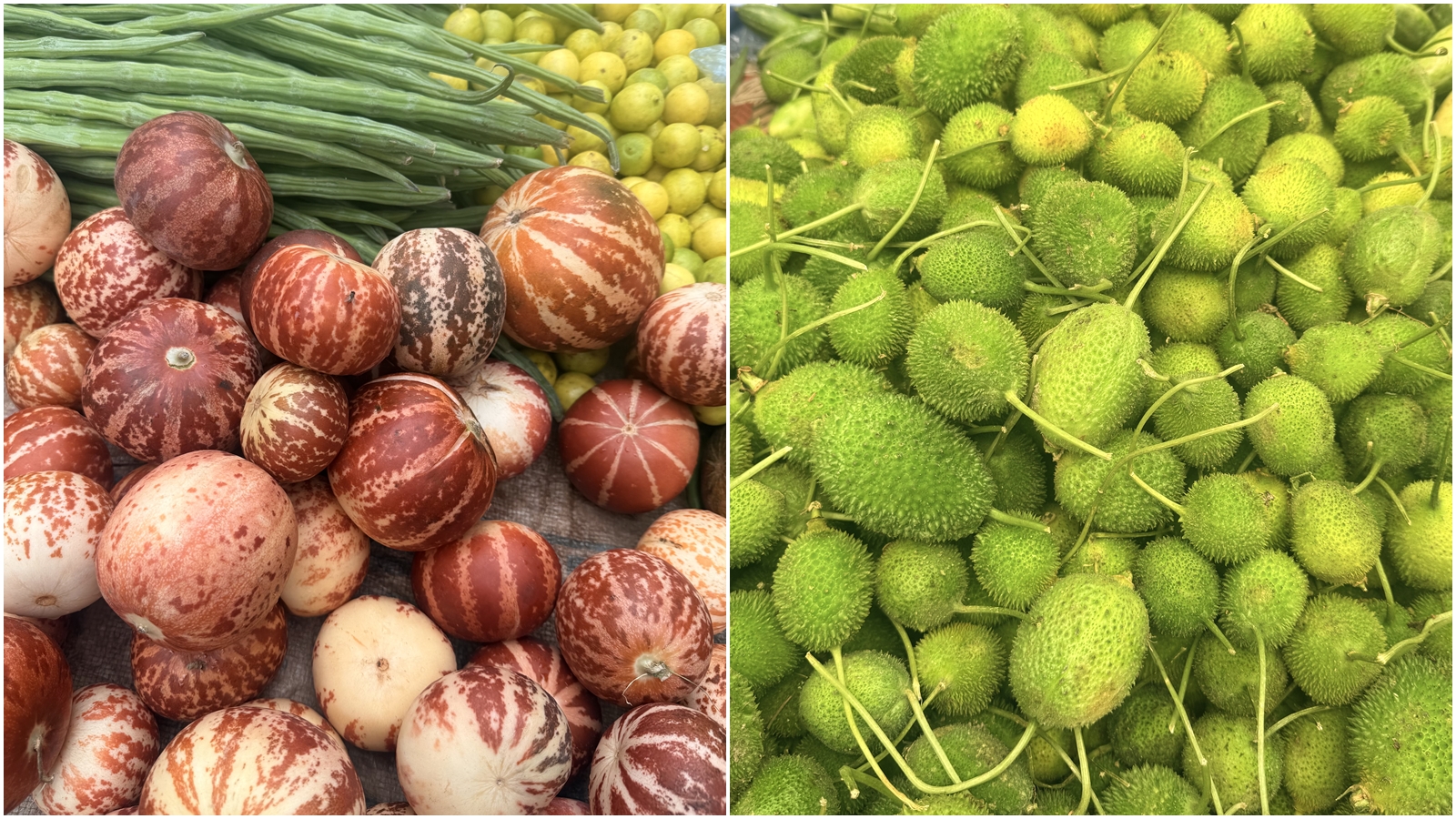
The season began with the usual arrival of cooling fruits, but with a heightened emphasis on regionality. In the Western Ghats, the harvest of Kokum (Malabar tamarind) took center stage, with processed syrups finding their way into high-end restaurants in Delhi and Mumbai. Simultaneously, the arid landscapes of Rajasthan and Gujarat saw the emergence of kachri (wild melon). This period was marked by the activities of women-led self-help groups (SHGs) who began sun-drying kachri to create shelf-stable snacks, bridging the gap between traditional foraging and modern commerce.
Mid-Summer (June): The Litchi Shortfall and the Rise of the "Exotic-Local"
By June, the impact of El Niño became apparent. The litchi harvest in Bihar, which usually floods the national market, was stunted by erratic temperature fluctuations. As litchis became a luxury, consumers turned toward jamrul (rose apples) and rambutan, which are increasingly being cultivated in Kerala and Karnataka. This month also saw a landmark botanical event: the rediscovery of a rare blueberry species in Arunachal Pradesh’s Changlang district, nearly 188 years after its first recorded sighting in 1836, sparking a conversation about the untapped potential of Himalayan biodiversity.
Late Summer (July): The Transition to the Monsoon
As intermittent showers began to disrupt the weekly bazaars, the produce shifted toward the "verdant" phase. Junglee karela (spiny gourd) and purple banana flowers started appearing on carts. This period also saw the successful conclusion of the fourth Meghalaya Pineapple Festival at Dilli Haat, where farmers from the Northeast sold 30 tonnes of produce, proving the viability of inter-state agricultural corridors.
Supporting Data: Economics and Nutrition of the Summer Bounty
The shift toward indigenous produce is supported by both economic necessity and nutritional science.
Economic Indicators:
- Crop Diversification: In Vidarbha, a region often associated with agrarian distress, dragon fruit cultivation has increased as it requires 80% less water than traditional sugarcane or cotton.
- Market Volume: The Meghalaya Pineapple Festival reported a turnover that significantly boosted the average income of participating farmers, showcasing the power of GI (Geographical Indication) tagging and direct-to-consumer marketing.
- Price Volatility: Cooking oil prices have remained 15-20% higher than pre-war levels due to the ongoing conflict in Ukraine, forcing consumers to spend more on staples and less on "luxury" imported fruits, inadvertently benefiting local vendors of seasonal produce.
Nutritional Profiles:
- Anthocyanins: Both jamun and phalsa are dense in anthocyanins, the pigments responsible for their deep purple hues. These compounds are linked to anti-inflammatory benefits and improved heart health.
- Hydration: The tadgola (ice apple) is composed of nearly 90% water and is rich in Vitamin B and iron, making it an ideal electrolyte-replenisher during heatwaves.
- The Edible Flower Economy: Flowers like Mahua and Buransh (rhododendron) are being recognized for their high mineral content and are being integrated into the "value-added" food chain through jams and squashes.
Official Responses: Addressing the Litchi Crisis and Promoting Bioeconomy
The unusual scarcity and high cost of summer staples have prompted several official interventions.
The Litchi Expert Panel:
The Central Government, concerned by the "poor harvest" reports from Bihar, has constituted an expert panel to examine the litchi crisis. The panel’s mandate includes investigating the physiological reasons for fruit drop and developing climate-resilient varieties of the Shahi litchi to protect the livelihoods of thousands of marginal farmers in Muzaffarpur.
Promotion of Regional Festivals:
The Ministry of Development of North Eastern Region (MDoNER) has increased its support for regional festivals, such as the Pineapple Festival in Delhi. By bringing farmers directly to the national capital, the government aims to reduce the role of middlemen and promote "vocal for local" initiatives.
Horticultural Grants:
In states like Odisha and Jharkhand, state agricultural departments have introduced subsidies for farmers willing to experiment with yellow watermelons and figs. These grants are part of a broader strategy to diversify the "global fruit basket" and ensure that Indian farmers can compete with international imports.
Implications: Health, Ecology, and the Future of Food
The observations from the weekly bazaar carry profound implications for India’s future. The current trend suggests a slow but steady decoupling from an obsession with imported produce.
1. Sustainability and Climate Resilience:
The adoption of "desert crops" like ker and sangri (Rajasthan’s seasonal royalty) and the cultivation of dragon fruit in arid zones represent a vital shift toward sustainable agriculture. As El Niño-induced weather patterns become more frequent, the ability to grow food with minimal water will be the cornerstone of food security.
2. The Bioeconomy and Rural Livelihoods:
The "edible flower economy"—encompassing mahua, buransh, and banana stems—offers a path toward rural empowerment. By creating value-added products from forest produce, tribal and rural communities can tap into urban markets that are increasingly hungry for organic, "authentic" flavors.
3. Health and the "Seasonal" Philosophy:
Nutritionists are increasingly advocating for a return to seasonal eating. The globalization of food has made everything available at all times, but at a cost to both the environment (carbon footprint) and human health (preservatives). The revival of summer jewels like bel (wood apple) and lasora (glue berry) suggests a growing public awareness that eating in harmony with the seasons is the ultimate form of preventative medicine.
Conclusion
A walk through the weekly bazaar is no longer just a chore; it is an encounter with a changing world. While the heat may be relentless and the rains scanty, the diversity of the Indian summer remains a testament to the country’s ecological wealth. As we savour the last of the jamun and wait for the first of the monsoon gourds, the message is clear: the future of our food lies not in the refrigerated aisles of supermarkets, but in the colorful, chaotic, and biodiverse stalls of our local markets. To cherish these "summer jewels" is to protect the very fabric of the Indian economy and ecology.