

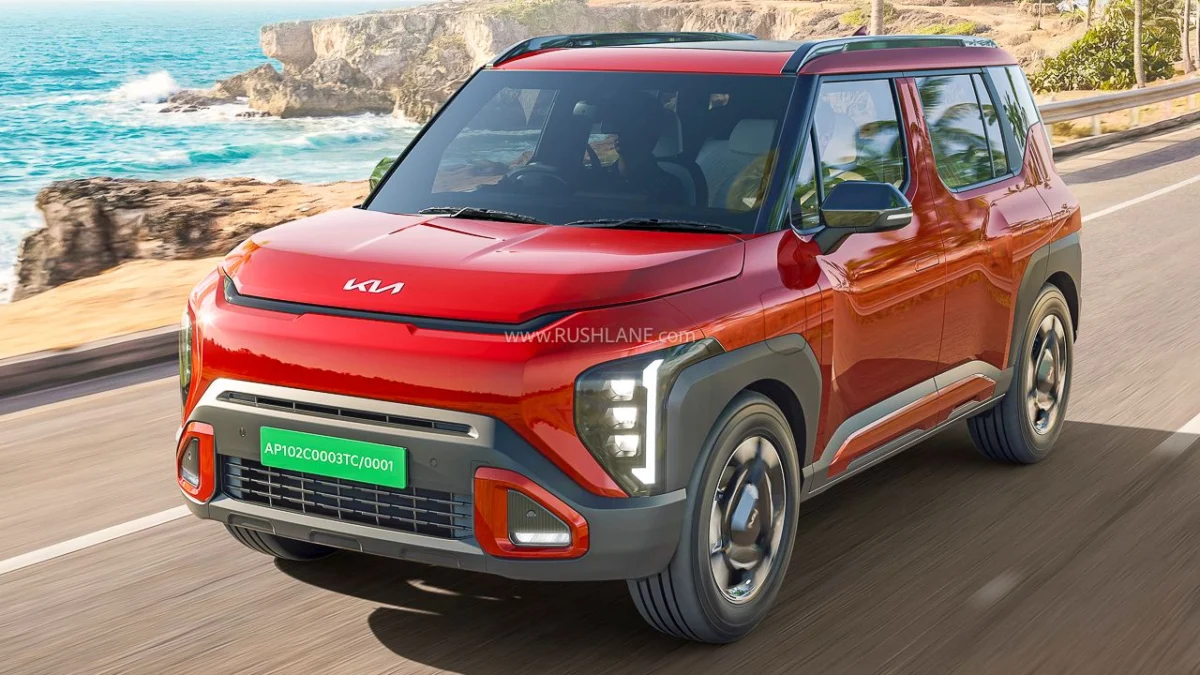
New Delhi, July 2026 – In a move that signals a seismic shift in the Indian electric vehicle (EV) landscape, Kia India has officially announced the launch of the Syros EV. Positioned as a cornerstone of the brand’s "made-in-India" mass-market electrification strategy, the Syros EV enters the fray with a highly competitive starting price of Rs 13.49 lakh (ex-showroom). This launch follows the recent introduction of the Carens Clavis EV, solidifying Kia’s intent to dominate the mid-tier electric SUV segment.
With deliveries and dealership sales scheduled to commence on July 30, 2026, the Syros EV is not merely a product launch; it is a calculated assault on the current market leaders. By combining high-range battery options, cutting-edge software, and a disruptive financial model known as Battery-as-a-Service (BaaS), Kia is addressing the primary barriers to EV adoption in the subcontinent: upfront cost, range anxiety, and resale uncertainty.
I. Main Facts: A Dual-Battery Strategy for Diverse Needs
The Kia Syros EV is engineered to cater to both urban commuters and long-distance travelers. This is achieved through a dual-battery configuration that offers distinct performance and range profiles.
Variant Hierarchy and Pricing
The Syros EV lineup is structured across seven variants, ensuring a wide pricing net that captures various buyer personas.
- Standard Range (42 kWh Battery):
- HTK: Rs 13.49 Lakh
- HTK+: Rs 14.99 Lakh
- HTX: Rs 15.99 Lakh
- Extended Range (51.4 kWh Battery):
- HTK+ ER: Rs 16.99 Lakh
- HTX ER: Rs 17.99 Lakh
- HTX+ ER: Rs 19.49 Lakh
- X-Line ER (Top-spec): Rs 19.99 Lakh
Disruptive Ownership: The BaaS Model
Perhaps the most significant aspect of the launch is the Battery-as-a-Service (BaaS) option. By decoupling the cost of the battery from the vehicle, Kia has lowered the entry barrier to a staggering Rs 7.99 lakh. Under this arrangement, owners pay for battery usage separately, with rates starting at Rs 3.3 per kilometer. This model mimics the fuel expenditure of an internal combustion engine (ICE) vehicle but at a significantly lower operational cost, making the transition to electric more palatable for budget-conscious families.
II. Chronology: The Road to the July 30 Launch
The arrival of the Syros EV is the culmination of a multi-year development cycle focused on localization. Kia India’s journey toward this moment began with the premium EV6 and EV9, which served as technological flagships to establish the brand’s "EV prowess."

In early 2026, Kia began teasing the "Syros" nameplate, a vehicle designed from the ground up to support both ICE and EV powertrains. Following the successful debut of the petrol-powered Syros, the EV variant underwent rigorous testing across India’s varied climatic zones—from the high altitudes of Ladakh to the humid coastal regions of Kerala—to ensure the liquid-cooled battery packs could withstand extreme temperatures.
The official price reveal this week marks the final stage of the pre-launch phase. Dealerships across India have reportedly already begun receiving inventory to facilitate the July 30 commencement of sales, ensuring that early adopters can take delivery of their vehicles almost immediately upon the official market opening.
III. Supporting Data: Performance, Range, and Charging
The Syros EV is built on a modified version of Kia’s versatile platform, optimized for a "tall-boy" stance that maximizes interior volume without sacrificing aerodynamic efficiency.
Power and Performance
At the heart of the Syros EV is a permanent magnet synchronous motor delivering up to 171 PS (126 kW) of peak power. The Extended Range version (51.4 kWh) is particularly potent, capable of sprinting from 0 to 100 km/h in just 8.1 seconds. This performance puts it at the top of its class, offering a level of athleticism usually reserved for more expensive luxury EVs.
Battery and Thermal Management
The 51.4 kWh battery utilizes Nickel Manganese Cobalt (NMC) chemistry, known for its high energy density. Both battery options are IP67 rated, providing dust and water resistance essential for Indian monsoons. To ensure longevity and consistent performance, Kia has employed a sophisticated liquid-cooling system and a dedicated battery heating system for cold-weather efficiency.
- ARAI Certified Range (MIDC Full):
- 42 kWh Battery: 443 km
- 51.4 kWh Battery: 526 km
Charging Infrastructure
Understanding that time-at-the-plug is a critical metric, the Syros EV supports 100 kW DC fast charging. This allows the vehicle to replenish from 10% to 80% in just 39 minutes. For home and office charging, Kia provides a 10.8 kW onboard AC charger, which is significantly faster than the 3.3 kW or 7.2 kW chargers typically found in this segment.

Advanced Driving Dynamics
The Syros EV introduces an intelligent regenerative braking system. Drivers can modulate the intensity of regeneration via steering-mounted paddle shifters. The inclusion of i-Pedal functionality allows for one-pedal driving, which is particularly useful in heavy urban traffic. Furthermore, the Vehicle-to-Load (V2L) capability allows the car to act as a giant power bank, capable of powering external appliances—a feature that is gaining popularity among camping enthusiasts and for emergency power backup.
IV. Design and Technology: The "Opposites United" Philosophy
The Syros EV retains the boxy, authoritative silhouette of its ICE counterpart but introduces several EV-specific design cues that align with Kia’s global "Digital Tiger Face" aesthetic.
Exterior Innovations
The front fascia is closed off for better aerodynamics, featuring Ice Cube LED headlamps and "Star Map" LED DRLs that create a distinct light signature. The vehicle sits on 17-inch dual-tone aero alloy wheels designed to reduce drag. Flush-fitting door handles, a feature usually seen in high-end vehicles, further enhance the sleek profile while improving efficiency.
The "Trinity Display" Interior
The cabin is dominated by the 30-inch Trinity Display. This seamless glass panel houses:
- A 12.3-inch digital instrument cluster.
- A 12.3-inch central infotainment touchscreen.
- A 5-inch dedicated climate control screen.
This setup minimizes physical buttons while ensuring that essential controls are always accessible. The infotainment system supports wireless Android Auto and Apple CarPlay, complemented by a premium 8-speaker Harman Kardon audio system.
Comfort and Utility
Despite its compact footprint, the Syros EV offers impressive interior flexibility. The rear seats can both slide and recline, a rarity in this segment. Ventilated seats are provided for both the front and the rear seat bases—a crucial addition for the Indian climate. Storage is equally well-thought-out, featuring a 16-litre frunk (front trunk) for charging cables and small items, in addition to a generous rear boot.

V. Safety and ADAS: A Non-Negotiable Priority
Kia has positioned safety as a core pillar of the Syros EV. The vehicle comes standard with a robust safety kit, including:
- Six Airbags
- Electronic Stability Control (ESC)
- Hill-start Assist and Brake Assist
- Tyre Pressure Monitoring System (TPMS)
- ISOFIX child seat mounts
Level 2 ADAS
For the higher variants (HTX+ and X-Line), Kia has integrated a Level 2 Advanced Driver Assistance System (ADAS) suite with 16 distinct functions. Key features include:
- Forward Collision-Avoidance Assist (FCA)
- Smart Cruise Control with Stop & Go
- Lane Keeping Assist (LKA) and Lane Following Assist (LFA)
- Blind View Monitor and a 360-degree camera system
VI. Official Responses: The Leadership Vision
During the launch event, Mr. Gwanggu Lee, Managing Director and CEO of Kia India, emphasized that the Syros EV is a response to the evolving needs of the Indian consumer.
"At Kia, every product begins with one question: how can we create greater value for our customers?" Mr. Lee stated. "The Syros EV answers that by making electric mobility more accessible, without compromise. Beyond an attractive price point, we’ve built one of the industry’s most confident ownership propositions."
He further highlighted the Assured Buyback programme, which offers up to 80% resale value—currently the highest in the Indian market. "This, alongside our BaaS model and a Lifetime Battery Warranty (15 Years), delivers long-term confidence and addresses the key concerns that continue to influence EV adoption," Lee added.
VII. Implications: Shaking Up the Indian EV Ecosystem
The launch of the Kia Syros EV has profound implications for the Indian automotive market.

1. Pressure on Incumbents
The aggressive pricing of the Syros EV, particularly the Rs 7.99 lakh BaaS entry point, puts immense pressure on market leaders like Tata Motors and MG Motor India. By offering a larger, more tech-laden vehicle at prices traditionally associated with smaller electric hatchbacks, Kia is likely to trigger a price war or a "feature war" in the sub-Rs 20 lakh segment.
2. Solving the Resale Myth
One of the biggest deterrents for EV buyers has been the uncertainty regarding the battery’s life and the car’s resale value after five years. Kia’s 80% buyback guarantee and 15-year battery warranty are direct psychological interventions designed to make the Syros EV a "safe" financial investment.
3. Mainstreaming V2L and ADAS
By making V2L and Level 2 ADAS available in a mass-market SUV, Kia is raising the standard for what Indian consumers expect. These features, once considered "gimmicks," are now being positioned as essential tools for modern living and safety.
4. The BaaS Revolution
If successful, Kia’s BaaS model could become the blueprint for EV sales in developing economies. It effectively shifts the "fueling" cost from a variable pump price to a predictable per-kilometer subscription, allowing buyers to opt for a more premium vehicle than they could otherwise afford upfront.
Conclusion
The Kia Syros EV is more than just another electric car; it is a comprehensive ecosystem packaged into a vehicle. With its July 30 release, Kia India is not just selling a mode of transport—it is selling a long-term, low-risk transition to the future of mobility. As the first units hit the roads, the industry will be watching closely to see if this "value-first" approach will finally tip the scales of the Indian market toward mass electrification.
