

Kochi, India – July 23, 2026 – As the weekend approaches, Kochi, a city pulsating with cultural vibrancy, offers a diverse array of experiences for its residents and visitors. This coming weekend promises a rich tapestry of artistic expression, historical immersion, and spontaneous theatrical delight, catering to varied interests and a shared appreciation for community engagement. From a poignant art exhibition aimed at uplifting the less fortunate to a powerful theatrical rendition of Cochin’s past labor struggles, and a night of unscripted comedic brilliance, the city is set to buzz with activity.
Art with a Heart: ‘A Place Called Tomorrow’ Exhibition Illuminates Housing Initiative
Main Facts:
This weekend, the Durbar Hall Art Gallery in Kochi will transform into a beacon of hope and artistic endeavor with the opening of "A Place Called Tomorrow." This compelling exhibition showcases the works of 22 contemporary artists hailing from Kerala, united by a singular, noble purpose: to raise funds for housing initiatives for the underprivileged. The event is a testament to the power of art to transcend aesthetics and become a catalyst for tangible social change. Organized under the esteemed patronage of the Rotary Club of Cochin Pioneers and in association with Federal Bank, the exhibition promises not only visual splendor but also a profound opportunity for community participation in building a better future.
Chronology of the Event:
The exhibition is scheduled to run from July 25th to July 28th, 2026. The doors of the Durbar Hall Art Gallery will open daily from 11:00 AM to 7:00 PM, providing ample time for art enthusiasts and philanthropists to explore the diverse collection. The official opening on July 25th marks the commencement of this significant fundraising drive, inviting the public to engage with the art and contribute to the cause.
Supporting Data and Artistic Vision:
The curatorial statement for "A Place Called Tomorrow" eloquently articulates the exhibition’s ethos. It posits that each canvas and sculpture on display is more than just an artistic creation; it is a "gesture of solidarity." The participating artists have delved deep into the pressing issue of housing insecurity, channeling their creative energies into works that advocate for the provision of secure and dignified shelter for those in need. The gallery, in this context, is envisioned not as a passive space for observation, but as an "active site of transformation," where art directly contributes to the material needs of the community.
The organizers emphasize the cultural significance of home within Kerala’s social fabric. "In the cultural landscape of Kerala, a home is more than a structure; it is a thara (foundation) for dignity and a padi (threshold) for the future," the curatorial note states. This deeply ingrained belief underscores the motivation behind the exhibition. The artworks, while diverse in their media and visual language, are bound by this shared objective: to translate artistic value into the tangible elements of social progress – the "bricks and mortar of social change." By making these original works available for acquisition, the artists and the Rotary Club are extending a direct invitation to the public to become active participants in this act of community building.
The exhibition features a distinguished roster of artists, including but not limited to Aji Adoor, Anto George, Martin OC, Prakasan KS, Radha Gomaty, Sabita Kadannappally, and Sara Hussain. Their collective participation signifies a powerful synergy between artistic talent and social responsibility. The exhibition is meticulously curated by Deepa Gopal and Jiss Victor, whose vision has undoubtedly shaped the narrative and impact of this charitable endeavor.

Official Responses and Community Impact:
The involvement of the Rotary Club of Cochin Pioneers lends significant credibility and organizational strength to the initiative. Rotary International’s global commitment to community service finds a focused expression in this local endeavor. Their patronage ensures that the funds raised will be channeled effectively towards housing projects. Federal Bank’s association further underscores the collaborative spirit of the event, highlighting the role of corporate entities in supporting social causes.
The potential impact of "A Place Called Tomorrow" extends beyond the immediate financial contributions. It serves to raise awareness about the critical issue of homelessness and housing affordability in the region. By bringing together artists, patrons, and the public under one roof, the exhibition fosters a sense of shared responsibility and encourages a more empathetic understanding of the challenges faced by vulnerable populations. The acquisition of artworks will not only provide financial support but also create a lasting legacy, with each purchased piece becoming a symbol of compassion and a tangible contribution to building homes and futures.
Echoes of the Past: ‘Chappa’ Play Illuminates Cochin Port’s Labor History
Main Facts:
For those seeking a deeper connection with Kochi’s rich and often complex history, the Nanthyattukunnam Nataka Arangu presents a compelling theatrical experience this weekend with the Malayalam play "Chappa." As part of BEAME’s monthly program, in association with Ernakulam Karayogam, this powerful production is set to unfold at the TDM Hall, Ernakulam, on Sunday, July 28th, at 6:30 PM. Written and directed by MS Shivakumar, "Chappa" offers a visceral and poignant portrayal of the labor allocation system that defined the Cochin Port during the tumultuous decades of the 1940s and 1950s.
Chronology of the Event:
The sole performance of "Chappa" is scheduled for Sunday, July 28th, 2026, at 6:30 PM. This specific timing allows for a dedicated evening to immerse oneself in the historical narrative presented by the play.
Supporting Data and Thematic Depth:
The play’s title, "Chappa," refers to the copper tokens that were a central element of the labor system at the Cochin Port during the mid-20th century. In a system designed to allocate work, these tokens would be dramatically thrown into dense crowds of eager laborers. The ensuing scramble was not merely a physical competition; it was a desperate struggle for survival, with workers often compelled to fight amongst themselves to secure a token, and thus, a day’s wage. This historical practice, rife with inherent inequality and human struggle, forms the core of "Chappa’s" narrative.
MS Shivakumar, the playwright and director, has crafted a work that aims to bring this often-overlooked aspect of Kochi’s industrial past to life. The play is notable for its innovative fusion of traditional performance styles. It artfully blends the vibrant and expressive techniques of Chavittunadakam, a classical dance-drama form prevalent in Kerala, with the dynamic and compelling elements of contemporary theatrical action. This fusion is intended to not only dramatize the events but also to imbue the storytelling with a sense of cultural resonance and heightened emotional impact.

The choice of setting for the play, the TDM Hall in Ernakulam, is also significant, placing the performance within a locale that has historically been central to the city’s cultural and social life. The collaboration with BEAME and Ernakulam Karayogam further strengthens the play’s reach and its connection to the local community.
Official Responses and Societal Implications:
The staging of "Chappa" can be viewed as a significant cultural event that contributes to the preservation and dissemination of local history. By dramatizing the labor struggles of the past, the play serves as a powerful reminder of the socio-economic conditions that shaped modern Kochi. It offers an opportunity for reflection on themes of labor rights, social justice, and the human cost of economic systems.
The play’s engagement with Chavittunadakam is also a valuable contribution to the preservation of traditional art forms. By integrating this classical style into a contemporary narrative, Nanthyattukunnam Nataka Arangu and MS Shivakumar are ensuring that these rich cultural heritage practices remain relevant and accessible to new generations.
The historical context of the Cochin Port’s labor allocation system highlights a period of significant economic transition and social stratification. The "chappa" system, while functional in its time, often led to exploitation and intense competition among workers. The play’s exploration of this era can prompt discussions about labor practices, economic fairness, and the evolution of worker welfare over time. It provides a platform for audiences to understand the foundational struggles that contributed to the city’s development and the ongoing pursuit of equitable working conditions.
Interactive Theatre: ‘Six Seven’ Promises Spontaneity and Laughter
Main Facts:
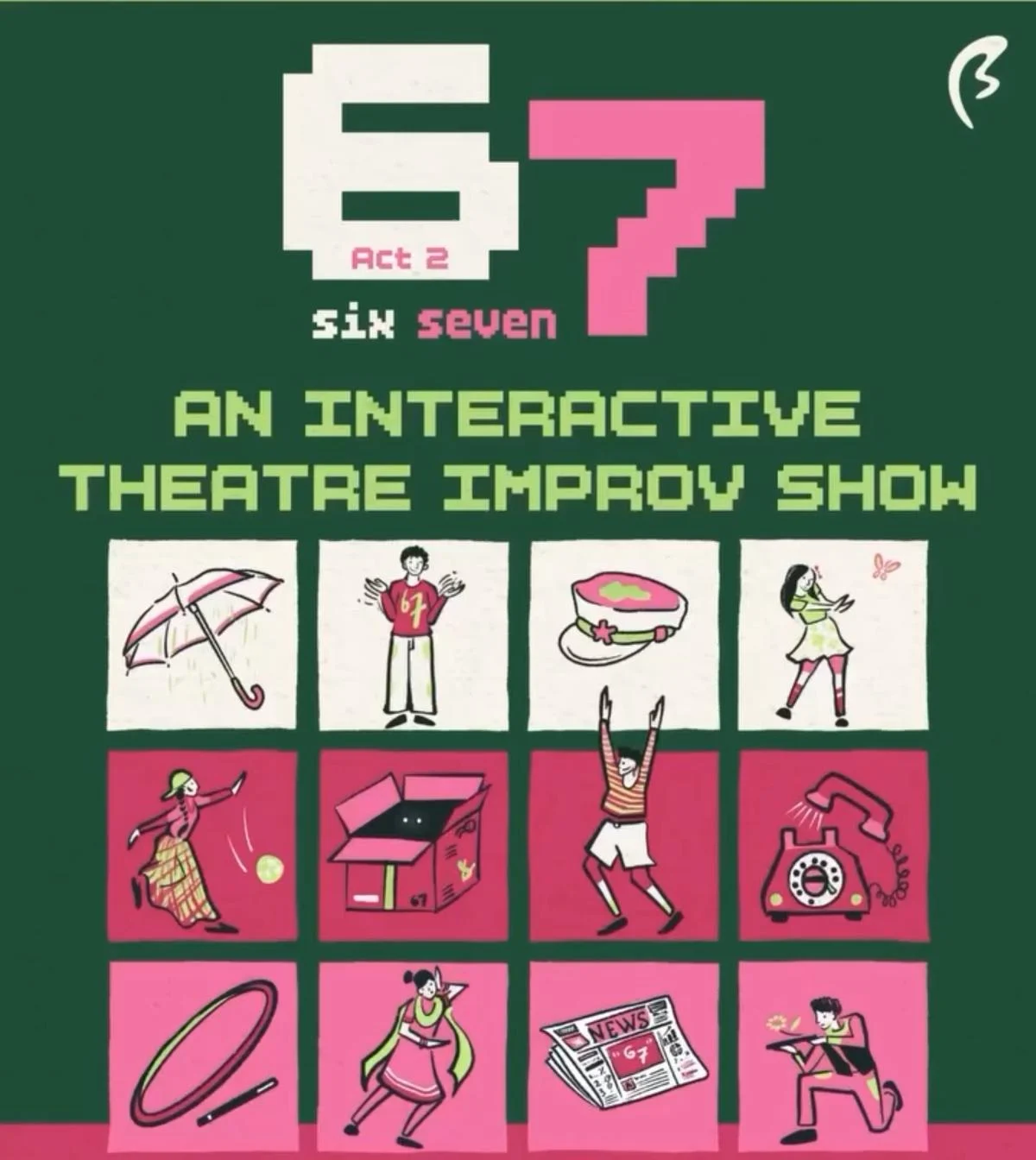
For an evening of unadulterated fun and unpredictable entertainment, "Six Seven," an interactive theatre improv show by The Improverts, is set to take center stage this Thursday. This unique performance promises an experience where the audience becomes an integral part of the creative process. The show will be held at the Mamangam Dance Company in Kadavanthra on Thursday, July 25th, at 6:30 PM.
Chronology of the Event:
The interactive improv show "Six Seven" is scheduled for Thursday, July 25th, 2026, at 6:30 PM. This single performance offers a fleeting opportunity to witness the magic of spontaneous theatre.

Supporting Data and The Improvised Experience:
The essence of "Six Seven" lies in its commitment to improvisation. Unlike traditional theatre, where scripts are meticulously crafted and rehearsed, improv thrives on the spur of the moment. The Improverts, a troupe known for their quick wit and adaptability, will be creating scenes, characters, and storylines entirely on the spot, based on audience suggestions. This means that each performance of "Six Seven" is a one-of-a-kind event, never to be replicated.
The thrill of interactive theatre comes from the direct engagement between performers and the audience. Spectators are encouraged to offer prompts, ideas, and even character traits, which the improvisers then weave into the unfolding narrative. This dynamic exchange ensures that the show is not just watched but experienced, creating a shared sense of creation and excitement. The promise is of "scenes made on the spot, characters born in seconds and moments you may never see again." This unpredictability is the very appeal of improv, offering a refreshing departure from the structured nature of most entertainment. The spontaneous act is guaranteed to be "full of surprises and energy."
Official Responses and Community Engagement:
The venue, Mamangam Dance Company in Kadavanthra, provides an intimate and engaging space for such a performance. The Improverts’ commitment to interactive theatre fosters a sense of community and shared experience. In an era where digital entertainment often creates passive consumption, live, interactive performances encourage active participation and genuine human connection.
For those seeking more information or wishing to stay updated on future events, The Improverts can be found on Instagram at @beacn.social. This digital presence allows for easy access to details about the show and the troupe’s broader activities, further enhancing community engagement. The success of such performances often relies on word-of-mouth and a desire for unique, engaging entertainment, making the social media presence a crucial tool for reaching a wider audience. The concept of interactive theatre taps into a desire for authenticity and shared creation, making it a growing and exciting facet of the performing arts scene.
